

 Forhåndsvisning
 Send
Send Del
Del
 Vis detaljer
 Utskriftsvennlig guide

 Last ned bilde
 Liknende objekter
 Røntgenundersøkelse
 Lysbildefremvisning
 Spørsmål og svar
 Statistikk
Gustave Klimt


 Vis hele teksten
Kunstverket som vises på denne siden er beskyttet av opphavsretten, noe som betyr at vi ikke har juridisk tillatelse til å lage eller selge identiske reproduksjoner. Denne beskyttelsen håndheves i henhold til internasjonale avtaler som for eksempel Bernerkonvensjonen og av nasjonale lover, inkludert de som er fastsatt i Amerikansk lov om opphavsrett – Tittel 17.
Denne metoden er i fullt samsvar med opphavsrettslige regler, da den ikke innebærer kopiering eller duplisering av det beskyttede kunstverket. I stedet er det snakk om en kreativ nytolkning – et nytt maleri som er inspirert av originalen, men ikke identisk med den.
Giclée / Kunsttrykk
Giclée- eller lerretsprint av museumskvalitet med rask produksjon og fleksible valgmuligheter for etterbehandling. ( Kjøp håndmalt maleri Bytt til digitalt bilde)




P118B Nkr10

P118H Nkr10

P118W Nkr10

P438Z Nkr10

P508JH Nkr12

P508YH Nkr12

P805H Nkr10

P805Z Nkr10

P919BZ Nkr10

P919G Nkr10

P919XJ Nkr10

P959ZH Nkr10

P968JZ Nkr12

W106C Nkr8

W218G Nkr10

W218JH Nkr8

W218Y Nkr10

W307PJ Nkr10

W316G Nkr10

W316PJ Nkr8

W316Y Nkr10

W398PJ Nkr8

W4111J Nkr10

W500HY Nkr15

W500JH Nkr15

W692G Nkr12

W849H Nkr8

W940BG Nkr15

W953PJ Nkr8




Velg mellom våre forhåndsdefinerte størrelser som bevarer kunstverkets opprinnelige proporsjoner.

Skriv inn ønsket bredde og høyde for å tilpasse trykket til din ramme eller vegg. Et trykk kan kun beskjæres, aldri skaleres opp utover motivets opprinnelige størrelse, noe som betyr at et format med andre proporsjoner vil føre til tap av deler av bildet. Vi sender deg en digital mockup for godkjenning før vi starter trykkeprosessen. Bildet som vises på denne siden viser ikke den faktiske beskjæringen — det er kun mockuppen som viser dette.
Verdensomspennende levering () på 2 uker i stedet for standard 4/5 uker. (7 November)

Gratis ekspressfrakt over hele verden

Lerretsduk av lin av høy kvalitet

Full transportforsikring

Garanti for refusjon av toll og importavgifter

Garantert fargegjengivelse

100 dagers returrett ved fabrikasjonsfeil

100% pengene tilbake-garanti

Rabatt ved flere kjøp
 Glassalternativet er kun tilgjengelig i størrelser under 110 cm

Gustave Klimt
Giclée / Kunsttrykk
Størrelse på reproduksjon
-


Totalpris for valgte alternativer
Nkr 602
A Collision of Eras: The Poignant Vision of Tammam Azzam
In the evocative piece titled Gustave Klimt, contemporary Syrian artist Tammam Azzam orchestrates a breathtaking dialogue between the gilded splendor of the past and the fractured reality of the present. At first glance, the viewer is drawn into a familiar embrace, recognizing the unmistakable essence of Klimt’s iconic romanticism. However, as the eye wanders across the canvas, the illusion of a seamless masterpiece begins to splinter. Azzam utilizes a sophisticated collage technique that overlays the lush, golden warmth of Art Nouveau with the stark, gritty textures of urban decay. This juxtaposition creates a profound tension, where the timeless beauty of a lover's embrace meets the literal and metaphorical cracks of a world in transition.
The subject matter serves as a hauntingly beautiful meditation on resilience. By integrating elements of modern street art and architectural fragmentation, Azzam transforms a classic symbol of intimacy into a commentary on survival. The presence of contemporary detritus—the subtle inclusion of modern objects like cell phones amidst the painted scenery—acts as a temporal bridge, pulling the viewer out of the historical dreamscape and into our immediate, hyper-connected reality. This technique forces an emotional confrontation: we are asked to witness how much of our classical heritage remains intact when faced with the relentless pressures of modern conflict and urban transformation.
Technique and Visual Narrative
The visual impact of this work lies in its masterful use of contrast. The vibrant yellow palette provides an energetic focal point for any sophisticated space, yet beneath this brightness lies a deep, intellectual gravity. Azzam’s method is not merely a reproduction of a style, but a reimagining of history itself. Through the careful layering of textures, he creates a sense of depth that invites the eye to linger on both the smooth, painted surfaces and the jagged, broken edges of the composition. The image presents a close-up view where a man's face is rendered in stark black against a luminous background, creating a silhouette that feels both intimate and ghostly.
For the discerning collector or interior designer, this artwork offers a unique opportunity to introduce a conversation piece that transcends mere decoration. It functions as an anchor for a room, providing a sense of movement and narrative depth. The way the light seems to emanate from the golden tones, only to be interrupted by the shadows of urban fragmentation, makes it a dynamic element in any curated environment. Whether placed in a minimalist modern gallery or a richly textured classical study, the piece commands attention through its ability to bridge the gap between the museum and the street.
Symbolism and Emotional Resonance
Beyond its aesthetic brilliance, Gustave Klimt carries a heavy emotional weight. It is a work that speaks to the human condition—the struggle to maintain beauty and connection in the face of destruction. The fragmentation of the image serves as a metaphor for the fractured lives of those living through conflict, yet the persistence of the central figures suggests an unbreakable bond of humanity. This duality makes the piece incredibly powerful; it is simultaneously a lament for what has been lost and a celebration of what remains.
Owning a high-quality reproduction of this work allows one to curate an environment filled with meaning. It is more than just art; it is a window into a complex historical and contemporary dialogue. The piece invites viewers to reflect on the fragility of civilization and the enduring power of art to reconstruct our sense of self. For those seeking inspiration, Azzam’s vision provides a profound reminder that even amidst the cracks of a broken world, beauty continues to find a way to emerge.
Spørsmål og svar
Hva slags verk er "Gustave Klimt"?
"Gustave Klimt" er et WallArt-verk.
Kan "Gustave Klimt" av Tammam Azzam, som er en del av samlingen til Atassi Foundation for Art and Culture, reproduseres lovlig?
Opphavsretten til "Gustave Klimt" av Tammam Azzam er klar: verket er fortsatt beskyttet av opphavsretten. At det befinner seg hos Atassi Foundation for Art and Culture, endrer ikke denne statusen.
Hvordan knytter "Gustave Klimt" av Tammam Azzam Contemporary Art til kunstnerens hjemland?
"Gustave Klimt" ble skapt av Tammam Azzam, som er født i Syrian Arab Republic, innenfor Contemporary Art-bevegelsen. Kunstnerens opprinnelse knytter verket til Contemporary Art slik det utøves av kunstnere fra Syrian Arab Republic.
Lignende kunstverk


Om kunstneren
Tammam Azzam: Bridging Destruction and Beauty Through Collage
Tammam Azzam (born Damascus, Syrian Arab Republic in 1980) is a Syrian artist whose distinctive approach to visual storytelling combines the grandeur of European masters with the stark realities of urban decay. His work powerfully confronts themes of loss, resilience, and the imperative to rebuild after conflict—a reflection of his own experiences navigating the turbulent landscape of Syria’s recent history. Graduating from Damascus Faculty of Fine Arts in 2001, Azzam honed his skills through intensive workshops led by Marwan, a celebrated Syrian artist who profoundly shaped his artistic vision. Initially experimenting with mixed media, he swiftly recognized the potential of collage as a medium to articulate complex emotions and narratives.- Early Influences: Marwan’s mentorship instilled in Azzam a dedication to confronting difficult subjects with sensitivity and artistry.
- The Klimt Overlay Technique: Azzam gained international acclaim in 2013 when he pioneered the innovative method of layering photographs of bombed buildings onto reproductions of iconic artworks like Gustav Klimt's *The Kiss*. This technique serves as a poignant juxtaposition—a visual dialogue between devastation and enduring beauty.
- Material Exploration: Azzam’s artistic practice utilizes acrylic paint alongside collage materials, including paper fragments and architectural elements. He meticulously constructs his compositions to emphasize the physical remnants of conflict while simultaneously conveying an optimistic message about rebuilding and reimagining spaces.
A Collage Narrative – Fragments of Memory
His signature style—characterized by fragmented images and textured surfaces—captures the essence of urban landscapes scarred by war. Azzam’s works depict skeletal buildings, symbolizing not merely physical destruction but also the erasure of history and identity. The deliberate use of collage underscores this concept, mirroring the process of reconstructing a shattered world from salvaged pieces. Azzam's artistic exploration extends beyond Syria; he has resided in Germany since 2016, fostering collaborations with fellow artists at institutes like the Institute of Advanced Studies in Delmenhorst.Exhibitions and Recognition
Azzam’s compelling artwork has garnered recognition across continents. He showcased his talent at Ayyam Gallery in Dubai, Art Dubai, Untitled Miami, and Haines Gallery San Francisco, notably achieving success at the Armory Show in New York in 2018. These exhibitions have cemented Azzam's position as a significant voice within contemporary art discourse—a testament to his ability to transform personal experience into universally resonant artistic statements.Contemporary Significance
Tammam Azzam’s work transcends mere aesthetic appeal; it embodies a powerful commentary on the human condition amidst adversity. By repurposing classical imagery alongside photographic documentation of destruction, he compels viewers to contemplate the enduring power of art as a tool for remembrance and transformation. His artistic legacy continues to inspire dialogue about confronting trauma and envisioning futures rooted in compassion and creativity.
Tammam Azzam
1980 - , Syrian Arab Republic
Kort om kunstneren
- Artistic Movement Or Style: Mixed media & Collage
- Artists Or Movements Influenced By This Artist: Classical Masters
- Artists Who Influenced This Artist: Marwan
- Date Of Birth: 1980
- Full Name: Tammam Azzam
- Nationality: Syrian
- Notable Artworks:
- Gustave Klimt's The Kiss
- Untitled
- Place Of Birth: Damascus, Syrian Arab Republic
Relaterte artikler
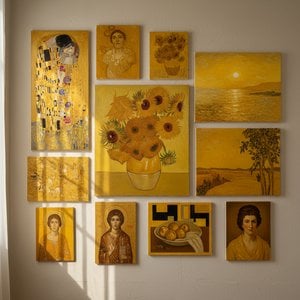
Gylne mesterverk: Topp 10 malerier dominert av okergult – ArtsDot.no
Utforsk 10 ikoniske malerier dominert av varmt okergult! Fra Van Gogh til Monet – lær historien bak mesterverkene og finn inspirasjon for ditt hjem. Museumskvalitet kunsttrykk på ArtsDot.com. Oppdag hele samlingen online!

Gustav Klimts 25 Mesterverk: Kunst, Historie og Dekor for Hjemmet | ArtsDot
Utforsk Gustav Klimts 25 mest ikoniske kunstverk! Fordyp deg i Jugendstilens gullalder, symbolisme og portretter av kvinner. Finn inspirasjon til interiørdesign & kjøp eksklusive reproduksjoner på ArtsDot.com.
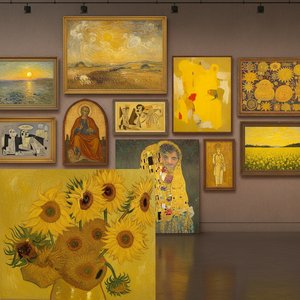
Gylne Mesterverk: Topp 10 Maler Dominert av Kromgul – Kunst og Interiørinspirasjon
Oppdag topp 10 malerier dominert av kromgul! Fra Van Goghs solsikker til Monets stråfelt – utforsk historien, teknikken og skjønnheten bak ikoniske kunstverk. Finn museumskvalitets reproduksjoner & interiørinspirasjon på ArtsDot.com.

Concrete Visions: Exploring the Urban Landscape in Painting – From Realism to Contemporary Art
Explore the evolution of cityscape painting from Realism to contemporary art with ArtsDot. Discover key artists & invest in timeless urban visions. Expert guidance, museum-quality reproductions.

Romantic Realism's Finest: 10 Masterpieces for Your Home | ArtsDot
Explore 10 defining masterpieces of Romantic Realism! Discover Courbet, Millet & Daumier's powerful paintings—capturing emotion and social realities. Find museum-quality reproductions for your home at ArtsDot.com.