


 Forhåndsvisning
 Send
Send Del med andre
 Vis detaljer
 Veiledning

 Last ned bildet
 Liknende objekter
 Røntgenundersøkelse
 Lysbildefremvisning
 Statistikk
Par sammen spillet kokyû


 Vis hele teksten
Håndlaget oljereproduksjon
Håndmalt olje på lerret i din valgte størrelse og ramme, laget på bestilling av våre kunstnere. ( Bytt til trykk Bytt til digitalt bilde)




P118B $10

P118H $10

P118W $10

P438Z $10

P508JH $12

P508YH $12

P805H $10

P805Z $10

P919BZ $10

P919G $10

P919XJ $10

P959ZH $10

P968JZ $12

W106C $8

W218G $10

W218JH $8

W218Y $10

W307PJ $10

W316G $10

W316PJ $8

W316Y $10

W398PJ $8

W4111J $10

W500HY $15

W500JH $15

W692G $12

W849H $8

W940BG $15

W953PJ $8




Velg mellom våre forhåndsdefinerte størrelser som bevarer kunstverkets opprinnelige proporsjoner.

Du kan angi egne mål for å tilpasse en spesifikk ramme eller plass. Dersom den valgte størrelsen ikke samsvarer med originalbildets proporsjoner, vil vi enten beskjære kunstverket eller utvide maleriet med ytterligere håndmalte elementer. En digital mockup vil bli sendt til din godkjenning før produksjonen starter.
Vennligst merk at forhåndsvisningen på skjermen ikke gjenspeiler den faktiske beskjæringen eller utvidelsen. Kun mockuppen vil vise den endelige komposisjonen nøyaktig.
Selv om tilpassede størrelser er tilgjengelige, anbefaler vi å velge et mål fra den forhåndsdefinerte listen for å bevare de originale proporsjonene.
Etter bestilling vil ArtsDot.com-teamet sende e-post til kunden for instruksjoner og sende et utkast (mockup) som forhåndsvisning.
Verdensomspennende levering () på 3–4 uker i stedet for standard 5 uker. (21 September). Ingen kompromisser med kvaliteten.

Gratis ekspressfrakt over hele verden

Lerretsduk av høykvalitets lin

Full forsikring under transport

Garanti for refusjon av toll og importavgifter

Garantert korrekt fargegjengivelse

100 dagers returrett (kun ved mangler)

100% pengene tilbake-garanti

Rabatt ved flere kjøp
 Glassalternativet er kun tilgjengelig i størrelser under 110 cm

Par sammen spillet kokyû
Teknikk for reproduksjon
Størrelse på reproduksjon
-


Endelig pris
$ 263
Suzuki Harunobu’s “Couple Playing A Kokyû Together” – A Symphony of Tranquility and Artistic Innovation
Suzuki Harunobu (1725–1770) stands as an undisputed titan amongst Edo-period Japanese woodblock print artists, a figure whose influence reverberates through the annals of art history. His magnum opus, “Couple Playing A Kokyû Together,” transcends mere visual representation; it embodies a profound meditation on harmony, refined taste, and the subtle beauty inherent in human connection—a masterpiece that continues to captivate audiences centuries later. This artwork isn’t simply a depiction of two women enjoying an instrument – likely a shamisen – but rather a meticulously crafted tableau reflecting the intellectual currents and social values of its time.A Revolutionary Technique: Embracing Prussian Blue
Harunobu irrevocably altered the landscape of Japanese printmaking by daring to introduce Prussian blue pigment into his repertoire—a bold step that defied convention and signaled Japan’s nascent engagement with European artistic advancements. Prior to this innovation, artists relied predominantly on mineral pigments like ochre and indigo, resulting in palettes often constrained by tonal limitations. Harunobu's embrace of Prussian blue dramatically expanded the expressive possibilities available to him, allowing for richer hues and deeper shadows—a transformative achievement that cemented his reputation as a visionary innovator. This daring choice wasn’t merely stylistic; it mirrored a broader cultural shift toward embracing Western scientific discoveries and artistic methodologies. The meticulous carving process itself involved multiple blocks painstakingly crafted by skilled artisans, each contributing to the final image’s tonal richness and luminosity. Furthermore, Harunobu skillfully employed layering techniques – known as *yakiba* – allowing for nuanced shading and creating a captivating illusion of depth that distinguishes his prints from earlier styles. This mastery of technique speaks volumes about Harunobu's dedication to artistic excellence and underscores his commitment to pushing the boundaries of printmaking artistry.Historical Resonance: Leisurely Pursuits Amidst Societal Shifts
“Couple Playing A Kokyû Together” emerged during the Edo period (1689–1868), a time characterized by relative peace and prosperity under Tokugawa rule—a fortunate circumstance that fostered an environment conducive to artistic experimentation and intellectual discourse. The Edo shogunate prioritized stability and Confucian values, shaping social norms and influencing artistic sensibilities. The kokyū – or lute – held considerable symbolic significance within Japanese culture representing harmony, contemplation, and refined taste. Depicting two women engaged in this activity speaks volumes about the social values of the era—a celebration of feminine companionship and a quiet appreciation for aesthetic pleasures. It’s a scene carefully positioned to convey an idealized vision of domestic tranquility, reflecting the aspirations of the samurai class and upper strata of society.Symbolic Layers: Birds as Embodiments of Tranquility
Beyond its technical prowess and historical context, “Couple Playing A Kokyû Together” is imbued with profound symbolic meaning—a testament to Harunobu’s artistic sensitivity and his ability to communicate complex ideas through visual imagery. The serene posture of the women embodies stillness and grace—a deliberate contrast to the turbulent political landscape of the time. Notably, three birds – positioned strategically within the composition – add another layer of interpretation. Birds are frequently associated with longevity, happiness, and auspiciousness in Japanese iconography—symbolizing wishes for prosperity and well-being. Their placement contributes to the overall sense of harmony and balance that permeates the artwork—a subtle yet powerful reminder of enduring cultural values.Emotional Depth: Capturing a Moment of Contemplative Beauty
Ultimately, Harunobu’s masterpiece succeeds in evoking a deeply resonant emotional response—drawing viewers into a contemplative space where tranquility reigns supreme. The soft lighting and muted colors create an atmosphere of intimacy and serenity—inviting us to savor the simple joys of companionship and appreciate the beauty found in everyday moments. “Couple Playing A Kokyû Together” remains a poignant testament to Harunobu’s artistic genius—a timeless celebration of harmony, refinement, and the enduring power of visual art to transcend time and connect with the human spirit. It's an artwork destined to inspire generations of artists and collectors alike.Lignende kunstverk


Om kunstneren
tidlig liv og påvirkninger
suzuki harunobu, en japansk designer av tretrykk i ukiyo-e-stil, ble født i 1725. lite er kjent om hans tidlige liv, men det antas at han vokste opp i kyoto. hans verk bærer preg av påvirkning fra mange kunstnere, inkludert torii kiyomitsu, ishikawa toyonobu, kawamata-skolen og kanō-skolen. likevel var den sterkeste påvirkningen på harunobu maleren og grafikeren nishikawa sukenobu, som kan ha vært harunobus direkte læremester.kunstnerisk karriere
harunobu begynte sin karriere i torii-skolens stil, og skapte mange verk som var teknisk dyktige, men ikke nyskapende. gjennom sitt engasjement med en gruppe lærde samuraier, tok han imidlertid fatt på nye formater og stiler. i 1764 ble harunobue valgt til å bistå disse samuraiene i deres amatørmessige forsøk på å lage e-goyomi (kalendere). disse kalendertrykkene skulle bli de første nishiki-e (brokadetrykk), der harunobu eksperimenterte med bedre tresorter for treblokkene og brukte mer kostbare farger.bemmerkelsesverdige verk og innovasjoner
- suzuki harunobus "brokadetrykk" førte til at fullfargeproduksjon ble standard, med ti eller flere blokker brukt for å skape hvert trykk.
- hans bruk av flere separate treblokker i skapelsen av et enkelt bilde var en innovasjon som avhenget av bruk av hakk og kiler for å holde papiret på plass.
- harunobus trykk var populære blant chōnin-klassen, som hadde blitt rike nok til å ha råd til å dekorere hjemmene sine med dem.
ettermæle
suzuki harunobus arbeid var sentralt i utformingen av Vestens oppfatning av japansk kunst på slutten av det 19. århundre. hans innflytelse kan ses i landskapene til hokusai og hiroshige, som ble populærisert under japonisme-trenden.- se suzuki harunobus kunstverk på ArtsDot
- les mer om suzuki harunobu på wikipedia
- utforsk ukiyo-e kunst på ArtsDot
bemmerkelsesverdige malerier og kunstnere
- utagawa hiroshiges kyoka tokaido-serie, seki (se på ArtsDot)
- miyagawa isshōs shimabara-kurtisaner som driver ut demoner (se på ArtsDot)
- utagawa kuniyosis et votivt skilt med masker av kabuki-skuespillere (se på ArtsDot)
museer og samlinger
- indianapolis museum of art (indianapolis, USA)
- fukuoka bymuseum (fukuoka, Japan)

Suzuki Harunobu
1725 - 1770 , Japan
Kort om kunstneren
- Artistic Movement Or Style: Ukiyo-e, Nishiki-e
- Artists Or Movements Influenced By This Artist:
- Hokusai
- Hiroshige
- Artists Who Influenced This Artist: ['Nishikawa Sukenobu']
- Date Of Birth: 1725?
- Date Of Death: 1770
- Full Name: Suzuki Harunobu
- Nationality: Japansk
- Notable Artworks:
- Herons Et Roseaux
- Young Woman Jumping...
- Place Of Birth: Edo (Tokyo), Japan
Relaterte artikler

Tsukioka Yoshitoshi: A Master of Ukiyo-e's Final Flourish – Narrative, Innovation, and the Meiji Transition
Explore the life & art of Tsukioka Yoshitoshi, the last great master of ukiyo-e woodblock printing. Discover his dramatic warrior prints, innovative series like 'One Hundred Aspects of the Moon,' and legacy reflecting Japan's Meiji transition.

Ukiyo-e: Exploring Japan's Floating World & Enduring Artistic Legacy
Explore the captivating world of Ukiyo-e – Japan's iconic woodblock prints! Discover masters like Hokusai & Hiroshige, learn about Edo period culture, and find expert art collecting guidance at ArtsDot.

Katsushika Hokusais 25 Mesterverk: Japansk Kunst for Ditt Hjem | ArtsDot.no
Utforsk Katsushika Hokusais 25 mest ikoniske kunstverk! Oppdag historiene bak The Great Wave, ukiyo-e tresnitt og japansk estetikk. Finn museumskvalitets reproduksjoner & interiørinspirasjon på ArtsDot.com.

Suzuki Harunobu: Pioneering Ukiyo-e & the Refinement of Edo Period Printmaking
Discover the revolutionary world of Suzuki Harunobu, a pioneer of ukiyo-e printmaking. Explore his exquisite nishiki-e techniques, diverse subjects & lasting impact on Japanese art history. Learn more at ArtsDot.
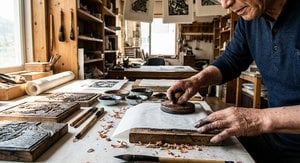
The Enduring Legacy of Woodblock Printmaking: Technique, History & Artistic Expression
Explore the rich history of woodblock printmaking – from ancient techniques to Ukiyo-e masterpieces. Discover expert insights on collecting, preserving & appreciating this enduring art form.
