
- Forsiden

- Digitalt bildeoppslag
- robert shipboy macadam
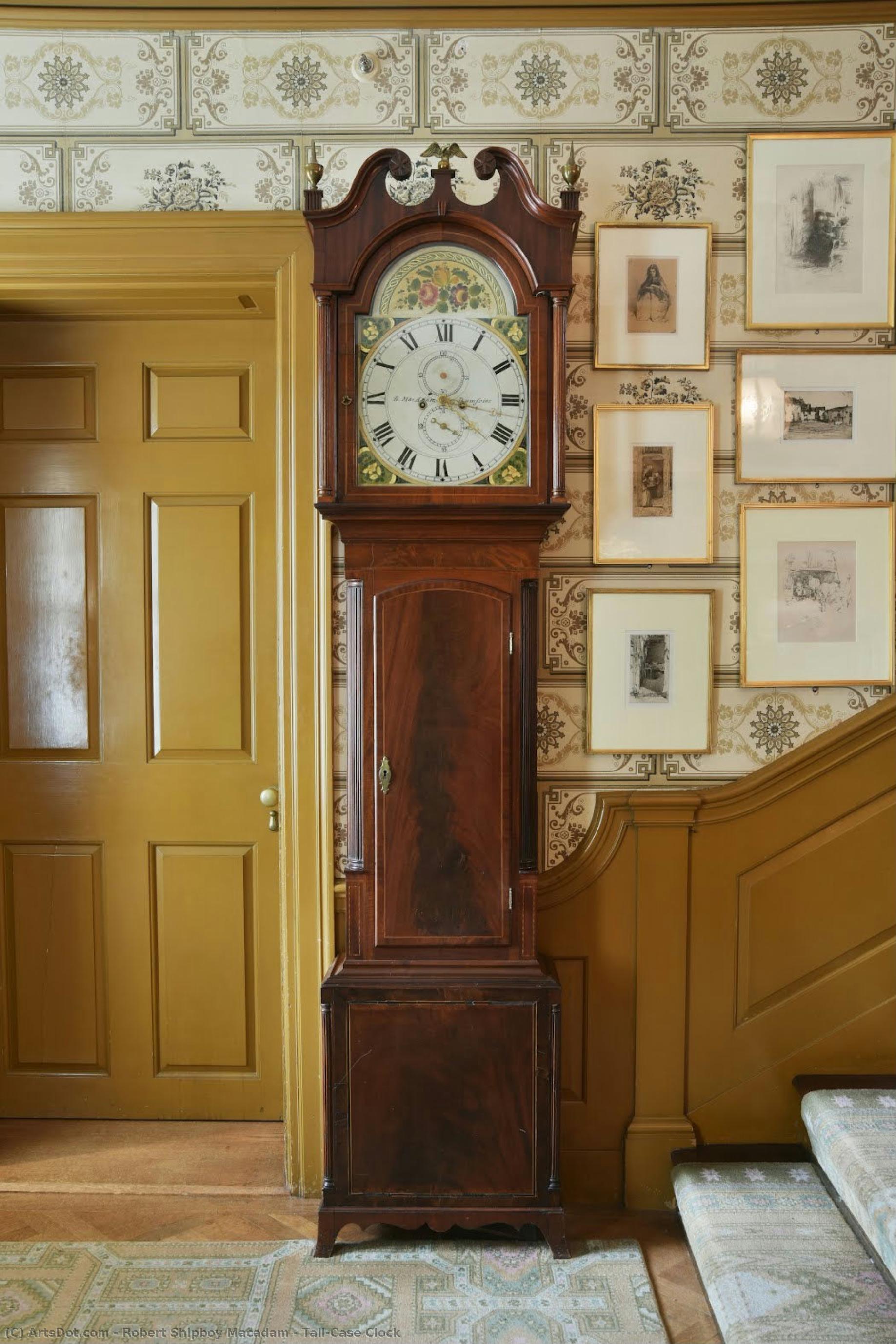
- Tall-Case Clock
 Bestill trykk Bestill maleri
 Send
Send
 Del med andre
 Vis detaljer
 Legg til i favoritter

 Last ned bildet
 Liknende objekter
 Røntgenundersøkelse
 Lysbildefremvisning
Tall-Case Clock


 Vis hele teksten
Kjøp et høyoppløselig, forbedret digitalt bilde som er langt bedre enn forhåndsvisningen på nettet.
Hver fil er omhyggelig klargjort av våre egne spesialister ved hjelp av avanserte verktøy og profesjonell manuell retusjering. Vi sørger for at hvert bilde har eksepsjonell klarhet, presis fargegjengivelse og fine detaljer.
Den endelige filen leveres via e-post innen 72 timer, optimalisert for umiddelbar bruk i profesjonelle, redaksjonelle og trykte miljøer. Dette er den samme kvaliteten som benyttes av ledende designstudioer, utgivere og gallerier.
Digitalt bilde
Last ned en høyoppløselig fil for personlig bruk, utskrift og kreative prosjekter.
Inkludert i alle bestillinger av digitale bilder
Ekspert digital levering, garantert
Når du velger ArtsDot.com, får du ikke bare et bilde – du mottar et profesjonelt forbedret digitalt kunstverk, skapt med presisjon og med en garantert tilfredshetsgaranti. Her er alt som automatisk følger med din bestilling:

Rask digital levering
Din høyoppløselige digitale bildefil sendes til din e-post innen 72 timer etter bestilling – klar til umiddelbar bruk.

KI-forbedret digital fil
Ditt kunstverk blir profesjonelt optimalisert ved hjelp av avanserte AI-verktøy og manuell redigering, noe som sikrer maksimal detaljrikdom, klarhet og fargegjengivelse.

Gratis livslang nyutlevering
Har du ved et uhell slettet eller mistet filen din? Ingen bekymring – vi sender den på nytt når som helst, helt gratis.

Ingen importavgifter – noen gang
Nyt ditt kunstverk umiddelbart uten toll, avgifter eller leveringskostnader – digitale nedlastinger er alltid avgiftsfrie.

Garantert fargenøyaktighet
Vi sikrer at ditt digitale bilde gjenspeiler de originale fargene så nøyaktig som mulig ved hjelp av profesjonelle verktøy og fargehåndtering.

60 dagers tilfredshetsgaranti
Hvis du ikke er fornøyd med ditt digitale bilde, vil vi revidere det eller refundere 100% innen 60 dager – uten spørsmål.

100% Penggaranti
Ikke fornøyd? Få full refusjon innen 60 dager etter at du har mottatt din digitale fil – uten spørsmål.

Rabatt ved storkjøp
Kjøp 3 bilder, spar 10% - Kjøp 5, spar 15% - Kjøp 10+, spar 20%. Ideelt for kreative prosjekter, gallerier og byråer.
Beskrivelse av samlerobjektet
Om kunstneren
Francisco Goya: A Revolutionary Voice of His Time
Francisco José de Goya y Lucientes, born in 1746 in Fuendetodos, Spain, was more than just a painter; he was a chronicler of his era, a visionary who captured the tumultuous spirit of Europe with unflinching honesty and profound emotional depth. His life spanned nearly six decades, witnessing revolutions, wars, and social upheavals that profoundly shaped his artistic vision. From the opulent court paintings of his early career to the haunting “Black Paintings” of his later years, Goya’s work remains a testament to the power of art to reflect and challenge the world around it. He stands as a pivotal figure, bridging the gap between the Old Masters and the emerging modern aesthetic, profoundly influencing generations of artists who followed.Early Years and Artistic Training
Goya’s artistic journey began with formal training in Zaragoza under José Luzán y Martínez, a local artist influenced by Neoclassical styles prevalent at the time. Recognizing his exceptional talent, Goya later traveled to Italy, immersing himself in the works of Venetian masters like Titian and Veronese – artists known for their dramatic use of light, vibrant colors, and emotional intensity. This exposure proved transformative, laying the groundwork for Goya’s distinctive style. He returned to Spain and served as a court painter under King Charles IV and his son Ferdinand VII, producing portraits that showcased the grandeur of the Spanish monarchy. However, even within these commissioned works, subtle critiques began to emerge, hinting at the artist's growing disillusionment with the political climate.The Disasters of War and Social Commentary
A turning point in Goya’s career arrived during the Peninsular War (1808-1814), a brutal conflict between Spain and Napoleonic France. Witnessing firsthand the horrors of war, Goya abandoned his previous sympathies for the French and embarked on a series of powerful etchings known as *Los Desastres de la Guerra* ("The Disasters of War"). These prints – depicting scenes of carnage, suffering, and despair – are considered among the most harrowing depictions of warfare in art history. They moved beyond romanticized notions of heroism to expose the brutal realities of conflict, capturing the anguish of both soldiers and civilians. The series demonstrated a radical shift in artistic perspective, prioritizing emotional impact over idealized representation.The Rise of Romanticism and Personal Visions
Following the war, Goya’s art began to reflect the burgeoning Romantic movement, characterized by an emphasis on emotion, imagination, and individualism. His *Caprichos* (1799-1814) are a collection of fantastical and satirical images that explore themes of human folly, superstition, and social injustice. These prints reveal a darker side of Spanish society, populated by grotesque figures and unsettling scenes. Simultaneously, Goya began to paint more privately, creating a series of portraits of himself and his family – works that offer intimate glimpses into the artist’s life and evolving psychological state. The *Flashen* (1800-1802), depicting young women in various states of undress, are particularly intriguing, prompting speculation about their meaning and Goya's personal motivations.The Darkest Period: The “Black Paintings”
In his later years, as he suffered from increasing deafness and deteriorating health, Goya retreated to his estate in La Quinta del Sordo (“The Blind Man’s House”). There, he created a series of fourteen large canvases known collectively as the *Pinturas Negras* ("Black Paintings"). These intensely dark and emotionally charged works are considered among the most profound and unsettling in his oeuvre. They depict scenes of violence, madness, despair, and demonic figures – reflections of Goya’s own anxieties and disillusionment with humanity. The *Saturn*, for example, is a terrifying image of an aging god devouring his children, symbolizing the destructive forces of time and fate. Despite their bleakness, these paintings represent a culmination of Goya's artistic vision, offering a brutally honest portrayal of the human condition. Goya’s legacy endures as one of the most important figures in Western art history. His innovative techniques, powerful imagery, and unflinching social commentary continue to resonate with audiences today. He remains an artist who dared to confront difficult truths, challenging conventional notions of beauty and heroism while offering a profound meditation on the complexities of human existence. His work serves as a potent reminder of the enduring power of art to both reflect and shape our understanding of the world.
robert shipboy macadam
1808 - 1895 , United Kingdom
Kort om kunstneren
- Artistic Movement Or Style: Romanticism, Neoclassicism
- Artists Or Movements Influenced By This Artist:
- Picasso
- Dalí
- Expressionists
- Artists Who Influenced This Artist:
- Tiepolo
- Mengs
- Velázquez
- Date Of Birth: March 30, 1746
- Date Of Death: April 16, 1828
- Full Name: Francisco Goya y Lucientes
- Nationality: Spanish
- Notable Artworks:
- The Third of May, 1808
- Saturn Devouring His Son
- The Naked Maja
- Place Of Birth: Fuendetodos, Spain

