


 Se i rommet
 Del som digitalt kort
 Del
Del
 Detaljer
 Studentguide

 Last ned
 Liknende objekter
 Røntgen
 Lysbildefremvisning
 Besøksstatistikk
Keres


 Les mer
Giclée / Kunsttrykk
Giclée- eller lerretsprint av museumskvalitet med rask produksjon og fleksible valgmuligheter for etterbehandling. ( Bestill håndmalt reproduksjon Gå til digitalt bilde)




P118B Nkr10

P118H Nkr10

P118W Nkr10

P438Z Nkr10

P508JH Nkr12

P508YH Nkr12

P805H Nkr10

P805Z Nkr10

P919BZ Nkr10

P919G Nkr10

P919XJ Nkr10

P959ZH Nkr10

P968JZ Nkr12

W106C Nkr8

W218G Nkr10

W218JH Nkr8

W218Y Nkr10

W307PJ Nkr10

W316G Nkr10

W316PJ Nkr8

W316Y Nkr10

W398PJ Nkr8

W4111J Nkr10

W500HY Nkr15

W500JH Nkr15

W692G Nkr12

W849H Nkr8

W940BG Nkr15

W953PJ Nkr8




Velg mellom våre forhåndsdefinerte størrelser som bevarer kunstverkets opprinnelige proporsjoner.

Skriv inn bredden og høyden du trenger, slik at den passer til din ramme eller vegg. Et trykk kan kun beskjæres, aldri gjøres større enn bildet, så et format med en annen form vil miste en del av motivet. Vi sender deg en digital mockup for godkjenning før vi trykker noe som helst. Bildet som vises på denne siden viser ikke den faktiske beskjæringen — det er kun mockuppen som gjør det.
Verdensomspennende levering () på 2 uker i stedet for standard 4/5 uker. (24 October)

Gratis ekspressfrakt over hele verden

Lerretsduk av høykvalitets lin

Full transportforsikring

Garanti for refusjon av toll og importavgifter

Garantert fargeekthet

100 dagers returrett ved fabrikasjonsfeil

100% pengene tilbake-garanti

Mengderabatt
 Glassalternativet er kun tilgjengelig i størrelser under 110 cm

Keres
Giclée / Kunsttrykk
Format på reproduksjon
-


Totalpris
Nkr 589
Michel Anguier og Ceres: Et Symbolsk Bilde av Agricultur og Konflikt
Michel Anguier (1612 – 1686) var en kunstner som virkelig definerte sin tid, og hans verk resonerer fortsatt med oss i dag. Han representerte et høydepunkt innenfor den franske barokken, hvor dramatiske komposisjoner og realistisk detaljering var avgjørende for å formidle følelser og ideer. Anguier var ikke bare en dyktig tekniker; han var også en mann av omfattende kunnskap som søkte inspirasjon i klassiske idealer samtidig som han omfavnet den ekspressive stilformen til sin egen epoke. Hans kunstneriske arv er spesielt tydelig i hans monumentale statuer og modellene han skapte for offentlige rom og private samlinger. Denne artikkelen vil utforske Ceres, en imponerende bronzestatue av gudinnen av jordbruk skapt av Anguier rundt 1652, og dykke ned i dens kunsthistoriske betydning og estetiske kvaliteter.- Kunsthistorisk Kontekst: Ceres ble produsert på et tidspunkt hvor Frankrike var engasjert i en periode med stor kulturell aktivitet og politisk stabilitet under Anne av Østerrike. Barokken blomstret som kunststil, og Michelangelo Buonarroti og Gianlorenzo Bernini var blant de mest fremtredende navnene på denne tiden. Anguier ble sterkt påvirket av Berninis dramatiske bruk av lys og skygge og hans evne til å skape følelsesladde komposisjoner som kommuniserte kraft og majestet. Ceres reflekterer derfor denne generelle estetiske tendensen mot å fremheve styrke og følelser gjennom kunstverk.
- Beskrivelse av Statuen: Ceres er en dynamisk figur som viser gudinnen i en kraftfull pose, hvor hun holder en sheaf of wheat i den ene hånden og gestikulerer utad med den andre. Statuen er omgitt av detaljerte draperier og anatomisk korrekt modellering, noe som gjenspeiler Anguiers dyktighet innenfor klassiske teknikker. Ceres står over en fallen warrior, noe som symboliserer konflikten mellom jordbruk og krig – temaer som var viktige for tiden og som reflekteres i kunstens estetikk.
- Teknikk og Materiale: Anguier benyttet seg av teknikken lost-wax casting, en metode som var vanlig på denne tiden og som tillater produksjon av svært detaljerte bronzestatuetter. Denne teknikken innebar å lage en modell av statuen i smeltet metall (vanligvis bly eller jern), omgitt av sand, før støpen ble varmt smeltet ut og gjengjeldt med sølv eller kobber for å danne den endelige bronzen. Dette krever ekstrem presisjon og teknisk kompetanse, noe som Anguier demonstrerte gjennom sin kunstneriske produksjon.
- Symbolisme: Ceres’ symbolikk er rik og kompleks. She represents fertility and abundance – fundamental aspekter av menneskelig eksistens og økonomi. Wheat symbolizes the harvest, signifying sustenance and prosperity. The fallen warrior represents mortality and the cyclical nature of life, reminding viewers of the inevitability of death but also highlighting the importance of preserving life’s bounty. Anguier var opptatt av å kommunisere disse ideene gjennom sin kunstverk og bruke statuen som et middel til å formidle viktige filosofiske og religiøse perspektiver.
- Kunstnerisk Stil: Ceres er et perfekt eksempel på barokkens estetikk, hvor dramatiske komposisjoner og følelsesladde uttrykk var avgjørende for å skape kunstverk som fengsle publikum og kommuniserte kraftfulle ideer. Anguier var en mester i å bruke lys og skygge til å skape dybde og atmosfære, noe som er spesielt tydelig i statuen’s modellering og detaljerte teksturer. Hans kunstverk er kjent for sin eleganse og følelsesmessig resonans, noe som gjør det til et tidløst verk av kunsthistorien.
Spørsmål og svar
Hvilken fargemetning har "Keres" av Michel Anguier?
Fargene i "Keres" av Michel Anguier har en Dempet metning. Metning beskriver hvor levende eller dempede fargene er.
Hvilken følelse skaper fargene i "Keres" av Michel Anguier?
Den Nøytrale toner fargepaletten i "Keres" av Michel Anguier harmonerer med dens Kraftfullt emosjonelle tone. Farge er en av måtene et verk formidler følelser på.
Hvordan knytter "Keres" av Michel Anguier Baroque Sculpture til kunstnerens hjemland?
"Keres" knytter Baroque Sculpture-bevegelsen til France gjennom skaperens fødested.
Relaterte kunstverk


Kunstnerbiografi
Michel Anguier: Sculptor of Light and Shadow
Michel Anguier (1612 – 1686) stands as a pivotal figure in the Baroque sculpture tradition of France, embodying both intellectual rigor and artistic virtuosity. Born in Eu, Normandy, he descended from a noble family steeped in humanist ideals—a lineage that profoundly shaped his worldview and fueled his lifelong pursuit of knowledge. Anguier’s formative years were spent studying under Alessandro Algardi in Rome, absorbing the grandeur and dynamism of Bernini's workshop and establishing connections with other leading sculptors of the era. This immersion in Roman artistic culture instilled within him a deep appreciation for classical forms and techniques, which would permeate his subsequent oeuvre.- Early Career & Patronage: Anguier’s initial commissions focused on funerary sculptures—particularly elaborate tombs for aristocratic families—demonstrating his mastery of marble carving and his ability to convey profound emotion through sculptural representation. His work quickly gained recognition, securing him patronage from influential figures within the French court.
- Roman Influence & Artistic Style: Anguier’s Roman training profoundly impacted his artistic style. He embraced Bernini's theatrical approach to sculpture, prioritizing movement and dramatic lighting—elements he skillfully incorporated into numerous monumental sculptures commissioned for churches and palaces throughout France.
- Notable Works: Among Anguier’s most celebrated achievements are the sculptures adorning San Michele al Pozzo Bianco in Bergamo, Italy—a breathtaking ensemble of frescoes depicting Mary's life—and Amphitrite, a magnificent marble statue commemorating the goddess of the sea. His meticulous attention to detail and his masterful manipulation of light and shadow elevated these works to unparalleled levels of artistic excellence.
- The Ceres Sculpture: Anguier’s sculpture “Ceres” exemplifies his dedication to capturing idealized beauty and conveying spiritual contemplation. Located in Paris, this artwork showcases the sculptor's profound understanding of anatomy and drapery—skills honed during his Roman studies—resulting in a timeless masterpiece.
Technique & Artistic Innovation
Anguier’s sculptural technique was characterized by an unwavering commitment to anatomical accuracy combined with expressive dynamism. He meticulously studied human musculature, striving to reproduce its contours with breathtaking realism—a hallmark of Baroque sculpture. Furthermore, Anguier pioneered innovative methods for achieving dramatic lighting effects—techniques he perfected during his time in Rome and subsequently applied to numerous monumental sculptures throughout France. His masterful manipulation of marble—particularly his ability to carve translucent surfaces—created illusions of depth and luminosity that captivated audiences.- Marble Carving Mastery: Anguier’s unparalleled skill in marble carving was evident in every piece he created, from intimate funerary sculptures to colossal monumental statues. He employed sophisticated tools and techniques—including chisels, hammers, rasps, and polishing abrasives—to transform raw stone into objects of exquisite beauty and artistic grandeur.
- Dramatic Lighting Effects: Anguier’s incorporation of dramatic lighting effects—inspired by Bernini’s theatrical style—transformed his sculptures into immersive experiences. He skillfully manipulated marble surfaces to create illusions of translucency and luminosity, enhancing the emotional impact of his works.
Legacy & Historical Significance
Michel Anguier's contribution to Baroque sculpture transcends mere stylistic innovation; he represents a cornerstone of French artistic heritage. His sculptures continue to inspire admiration for their technical brilliance and expressive power—testaments to the enduring legacy of humanist ideals and classical art principles. Anguier’s influence extended beyond his immediate contemporaries, shaping the aesthetic sensibilities of subsequent generations of sculptors and cementing his place among France's most revered artists.- Influence on Subsequent Sculptors: Anguier’s sculptural technique—characterized by anatomical accuracy and expressive dynamism—served as a model for countless sculptors who followed him, establishing a stylistic continuum that spanned centuries.
- Symbol of French Artistic Excellence: Anguier's sculptures embody the zenith of French artistic excellence during the Baroque period—a symbol of humanist ideals and classical art principles that continue to resonate with audiences today.
Further Exploration
For a deeper understanding of Michel Anguier’s life and work, consult scholarly articles published in journals specializing in Art History. Explore online resources—including museum websites and biographical databases—to access detailed information about his artistic achievements and historical context. Examining reproductions of his sculptures—particularly “Ceres” and Amphitrite—offers invaluable insight into the artist's stylistic innovations and expressive power.
Michel Anguier
1612 - 1686 , France
Kort om kunstneren
- Full Name: Michel Anguier
- Nationality: French
- Date Of Birth: 1612
- Date Of Death: 1686
- Place Of Birth: Seine-Maritime, France
- Notable Artworks:
- Nativity
- Ceres
- Artistic Movement Or Style: Baroque
- Artists Who Influenced This Artist: Gianlorenzo Bernini
- Artists Or Movements Influenced By This Artist: Alessandro Algardi
Relaterte artikler

The Enduring Form: Exploring Themes & Techniques in Sculpture Across Historical Periods
Explore the rich history of sculpture from ancient masterpieces to contemporary innovations. Discover key techniques, influential artists & investment potential for discerning art collectors.

Bronseklassikere: 10 skulpturer som revolusjonerte kunsten | ArtsDot
Utforsk 10 legendariske bronseskulpturer som formet kunsthistorien! Fra Rodin til Michelangelo – oppdag historiene, teknikkene og skjønnheten bak tidløse mesterverk. Finn din perfekte veggkunst eller interiørdekor på ArtsDot.com.

The Enduring Form: Sculpture Across History, Technique & Emotional Resonance
Explore the rich history of sculpture with ArtsDot. Discover key techniques, influential artists & investment potential for discerning collectors. Expert insights into valuing and collecting timeless masterpieces.

Bronzens Mesterverk: 10 Skulpturer Som Forandret Kunsthistorien | ArtsDot
Oppdag 10 legendariske bronse skulpturer som revolusjonerte kunsthistorien! Fra Michelangelo til Rodin – lær om teknikker, historier og tidløs skjønnhet. Finn museumskvalitets reproduksjoner & interiørinspirasjon på ArtsDot.com.
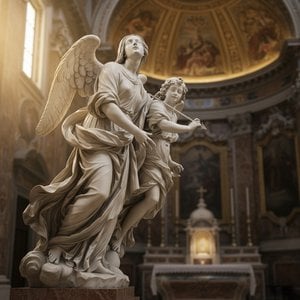
Gian Lorenzo Bernini: Sculpting Baroque Emotion & the Roman Imagination
Explore the life & revolutionary art of Gian Lorenzo Bernini, the master sculptor of the Baroque era. Discover his iconic works like David and Ecstasy of Saint Teresa – a journey into Roman artistic genius.