


Bildet følger dine valg: , .
Beskrivelse av objektet
Explore the surrealist worlds of Max Ernst, Yves Tanguy & Urs Fischer. Swiss artist Urs Fischer creates playful sculptures, photography & more – discover his unique vision.
 Vis hele teksten
Om kunstneren
En surrealistisk pioner kjent for frottage og collage. Oppdag hans drømmeaktige mesterverk i dag.
Dette kunstverket er beskyttet av opphavsrett
Kunstverket som vises på denne siden er beskyttet av opphavsretten, noe som betyr at vi ikke har juridisk tillatelse til å lage eller selge identiske reproduksjoner. Denne beskyttelsen håndheves i henhold til internasjonale avtaler som for eksempel Bernerkonvensjonen og av nasjonale lover, inkludert de som er fastsatt i Amerikansk lov om opphavsrett – Tittel 17.
Som et respektfullt og lovlig alternativ tilbyr vi skreddersydde, håndmalte kunstverk inspirert av originalen. Våre dyktige og profesjonelle kunstnere studerer nøye originalens stil, stemning og kunstneriske essens for å skape et nytt og unikt verk som vekker den samme følelsen – samtidig som det forblir en original skapelse i seg selv.
Denne metoden er i fullt samsvar med opphavsrettslige regler, da den ikke innebærer kopiering eller duplisering av det beskyttede kunstverket. I stedet er det snakk om en kreativ nytolkning – et nytt maleri som er inspirert av originalen, men ikke identisk med den.
Order your in four simple steps
Ta deg god tid. Du kan endre alle svar; prisen i handlekurven din oppdateres etter hvert valg.
1 Trinn én av fire
Hvilken størrelse ønsker du?
Disse størrelsene bevarer de originale proporsjonene til maleriet. Tegningen viser ditt valg på en vegg, over en to meter lang sofa.
Eller oppgi egne mål
Velg mellom våre forhåndsdefinerte størrelser som bevarer kunstverkets opprinnelige proporsjoner.

Skriv inn ønsket bredde og høyde for å tilpasse bildet til din ramme eller vegg. Siden dette er håndmalt, kan kunstneren male litt mer rundt motivet eller beskjære det noe dersom du velger et annet format — valget er ditt. Vi sender deg en digital mockup til godkjenning før maleriet påbegynnes. Bildet som vises på denne siden representerer ikke det faktiske resultatet — kun mockuppen viser det endelige uttrykket.
2 Trinn to av fire
Hvordan skal det klargjøres: rullet, strukket eller innrammet?
Prisene nedenfor gjelder for størrelsen du valgte i trinn én.
Velg kantutførelse på lerretet
Velg din ramme

Hvit kant Nkr1

Uskarp kantfinish Nkr1

Fortsatt motiv Nkr1

P118B Nkr10

P118H Nkr10

P118W Nkr10

P438Z Nkr10

P508JH Nkr12

P508YH Nkr12

P805H Nkr10

P805Z Nkr10

P919BZ Nkr10

P919G Nkr10

P919XJ Nkr10

P959ZH Nkr10

P968JZ Nkr12

W106C Nkr8

W218G Nkr10

W218JH Nkr8

W218Y Nkr10

W307PJ Nkr10

W316G Nkr10

W316PJ Nkr8

W316Y Nkr10

W398PJ Nkr8

W4111J Nkr10

W500HY Nkr15

W500JH Nkr15

W692G Nkr12

W849H Nkr8

W940BG Nkr15

W953PJ Nkr8

H24-GOLD Nkr30

H24-SILVER Nkr30

H36-GOLD Nkr45

H36-SILVER Nkr45
Innrammet
Profil: . Total størrelse med ramme: .
3 Trinn tre av fire
Ønsker du at noe skal endres i maleriet?
De fleste svarer nei. Siden hvert maleri er håndlaget, kan kunstneren vår også tilpasse det for deg.
Etter bestilling vil ArtsDot.com-teamet sende e-post til kunden for instruksjoner og sende et utkast som forhåndsvisning
4 Trinn fire av fire
Noen valgmuligheter for finish
Alle er valgfrie. Svarene som allerede er valgt, medfører ingen ekstra kostnad.
Hvem har malt det?
Verdensomspennende levering () på 3–4 uker i stedet for standard 5 uker. (17 November). Ingen kompromisser med kvaliteten.
En navneplate, som på et museum?
Detaljer om gravert bronseplate
This elegant plaque features the artist's name and the title of the artwork, finely engraved for a timeless presentation.
It is made from bronze with a refined, elegant finish. The text is precisely laser-engraved for a sharp and permanent result. Measuring 9x2 cm, the plaque is compact yet easy to read. It's built to be durable and scratch-resistant, offering a professional, museum-quality look. Mounting is simple thanks to the included adhesive backing.
Detaljer om gjennomsiktig akrylplate
The plaque includes essential engraved details such as the artist's name, the title of the artwork, the date it was created, the type of media used-like oil on canvas or watercolor-a brief description of the piece, and a QR code that links to the complete artwork information.
It is crafted from clear acrylic, offering a sleek, modern appearance. The text is UV-engraved in black to ensure strong visual contrast. With a size of 10x15 cm, it ensures optimal readability. It comes equipped with two metal hooks for secure wall mounting. The plaque is designed to be weather-resistant, making it suitable for various environments, and it includes interactive features that work seamlessly with smartphone scanning.
Detaljer om plakett i svart akryl
This elegant plaque includes engraved information such as the artist's name, the title of the artwork, the date it was created, the type of media used (like oil on canvas or watercolor), a short description of the artwork, and a QR code for quick access to more information.
The plaque itself is made from refined black acrylic with a premium finish. The text is laser-engraved in white for high contrast and readability. Its size is 10x15 cm, designed to be easy to read. It comes with two metal hooks for professional mounting. The design is sleek and fits any interior style. It is also weather-resistant and durable, with built-in digital integration for mobile compatibility.
En beskyttende lakk?
Når trenger du det?
✓ Kontroller og bestill
Ditt maleri, slik du bestilte det

Tête
Trykkmetode
Størrelse på reproduksjon
-

Utvalgte mesterkunstnere
Mer detaljrikdom, finesse og ekstra produksjonstid
-

Innramming av reproduksjon
-
-
For kunstverk eller reproduksjoner som er større enn 105 cm (ca. 41 tommer) på noen side, vil rammen bli sendt som et sett som må monteres. Denne metoden sikrer trygg levering og forhindrer skader under transport.
Krever profesjonell montering – dette er ikke et DIY-produkt.
Settet må monteres og lerretet strammes av en erfaren profesjonell rammelegger, ved bruk av trelim (følger ikke med), en lerretstang og klemmer for å holde rammelisten vinkelrett mens limet tørker. Feilaktig montering eller ujevn stramming av lerretet kan påføre kunstverket permanente skader og er
 For kunstverk eller reproduksjoner som er større enn 105 cm (ca. 41 tommer) på noen side, vil rammen bli sendt som et sett som må monteres. Denne metoden sikrer trygg levering og forhindrer skader under transport.
Alle massive trelister er inkludert, presist tilpasset i størrelse.
Monteres med de medfølgende skruene, samt trelim til hjørnene, som ikke er inkludert og må anskaffes av din rammehandler.
Profesjonelt verktøy er nødvendig og er ikke inkludert: en lerretstang (strammer) og klemmer for å holde rammene vinkelrette mens limet tørker.
Viktig:
Hjørnene krever trelim, listene må holdes på plass med tvinger til limet er helt tørt, og stramming av lerretet på den ferdige rammen krever en lerretstang. Ingen av disse produktene er inkludert i settet. Vennligst sørg for tilgang til en erfaren profesjonell rammehandler før du bestiller denne størrelsen.

Navneskilt
-
-

Beskyttende ferniss
Blank lakk (forsterker farger, beskytter mot lys og fuktighet)
-

Tilpass mitt kunstverk
Eksempler på hva som kan endres: Erstatt ansikt med bilde av kunden; Legg til kjæledyr (f.eks. bytt ut katt med hund); Inkluder en skjult melding i bakgrunnen; Endre bakgrunnslandskap eller elementer.
-

Ekspresslevering
Verdensomspennende levering () på 3–4 uker i stedet for standard 5 uker. (17 November). Ingen kompromisser med kvaliteten.
-
Ekspresslevering
Verdensomspennende levering til innen 5 uker. (24 November).
Inkludert frakt
Totalpris for valgte alternativer
Nkr 2477
Glassalternativet er kun tilgjengelig i størrelser under 110 cm
Inkludert med hver bestilling
- Gratis ekspressfrakt over hele verden
- Lerretsduk av lin av høy kvalitet
- Full transportforsikring
- Garanti for refusjon av toll og importavgifter
- Garantert fargegjengivelse
- 100 dagers returrett ved fabrikasjonsfeil
- 100% pengene tilbake-garanti
- Rabatt ved flere kjøp


A Fragmented Portrait of Surrealist Vision: Exploring Max Ernst’s “Tête”
The artwork presents a strikingly unconventional portrait – “Tête,” or “Head”—by German-born artist Max Ernst, embodying the core tenets of Surrealism. More than just a depiction of facial features, it's an ambitious experiment in visual language, reflecting Ernst’s profound engagement with psychoanalysis and his relentless pursuit of subconscious imagery. The piece immediately captivates viewers with its deliberate disruption of traditional artistic conventions, inviting contemplation on themes of identity and psychological distortion.Composition and Form: Deconstruction as Artistic Expression
At first glance, “Tête” appears chaotic—a whirlwind of geometric shapes arranged in a seemingly random configuration. However, beneath this surface turbulence lies a carefully considered compositional strategy. Dominating the canvas is a central head form constructed primarily from triangles and rectangles, meticulously overlapping and intersecting to obscure and reveal portions of the face. This fracturing effect isn’t merely decorative; it symbolizes Ernst's fascination with dismantling familiar forms and confronting the irrational forces that govern human consciousness. The absence of discernible background reinforces this sense of isolation and emphasizes the portrait’s focus on internal psychological states.Color Palette and Texture: Monochromatic Echoes of Melancholy
The artwork employs a remarkably restrained color palette—predominantly monochromatic hues of white, grey, and beige punctuated by subtle browns. This deliberate limitation contributes significantly to “Tête”'s atmosphere of quiet contemplation and understated melancholy. Ernst’s artistic choices mirror the influence of Surrealist thinkers like André Breton who championed monochrome as a tool for accessing the subconscious mind. The smooth surface texture suggests a painted medium—likely oil paints—though subtle tonal variations create an illusion of depth, hinting at Ernst’s masterful manipulation of light and shadow to convey emotional nuance.Technique: Collage and Frottage – Embracing Chance
Ernst's artistic approach distinguishes him from many of his contemporaries; he eschewed formal training in favor of self-discovery and experimentation. “Tête” exemplifies his innovative techniques, notably collage and frottage—methods that harness chance and serendipity to generate unexpected visual results. Ernst’s technique involved transferring textures from found objects onto canvas using a process called grattage, scraping paint across the surface to reveal imprints of beneath. This method reflects Ernst's belief in liberating artistic expression from rational constraints and tapping into primal instincts—a cornerstone of Surrealist ideology. The resulting image is not merely painted; it’s imbued with the spirit of improvisation and discovery.Historical Context and Symbolic Resonance: Reflections on Identity Crisis
Created during the height of the Surrealist movement (1929), “Tête” speaks to the broader anxieties surrounding postwar Europe—a period marked by disillusionment, trauma, and a questioning of established values. Ernst’s work aligns with Surrealists' exploration of dreams, irrationality, and the subconscious as sources of artistic inspiration. The fragmented head form itself embodies themes of identity crisis and psychological disintegration—recurring motifs in Surrealist art that grapple with existential questions about human existence. Ultimately, “Tête” transcends its formal elements to offer a powerful meditation on the complexities of the human psyche and the elusive nature of selfhood.Spørsmål og svar
Hvilken fargetone dominerer i "Tête"?
Den dominerende fargen i "Tête" av Max Ernst er Golden Yellow Range. Denne fargen utgjør den underliggende tonen i paletten.
Hvilken størrelse bør jeg velge for trykk av "Tête" til rommet mitt?
Anbefalt trykkstørrelse for "Tête" av Max Ernst i et Living Room er Large.
Hvilken følelse formidler "Tête" av Max Ernst?
I "Tête" ledsages en Calm stemning av en Melancholic følelse.
Les mer om dette maleriet
 Forhåndsvisning
 Bytt til trykk
 Send
Send Del
Del
 Vis detaljer
 Utskriftsvennlig guide

 Last ned bilde
 Liknende objekter
 Røntgenundersøkelse
 Lysbildefremvisning
 Spørsmål og svar
 Statistikk
Lignende kunstverk


Max Ernst
1891 - 1976, Tyskland
Om kunstneren
Livet og opprinnelsen til Max Ernst
Max Ernst trådte inn i verden den 2. april 1891 i Brühl, Tyskland. Han vokste opp i en katolsk middelklassefamilie som det tredje av ni barn. Oppveksten ble formet av den stille og disiplinerte atmosfæren i hjemmet, der faren, Philipp, arbeidet som lærer for døve. Philipp var også en amatørmaler, og det var gjennom ham at gutten først kom i kontakt med kunstens verktøy og praksis.
Innen 1909, mens han var student ved Universitetet i Bonn, begynte Max Ernst å male. Denne tidlige perioden av livet hans var preget av en voksende interesse for den visuelle verden, selv om hans vei etter hvert ville utvide seg langt utover lerretet. Han ble en mann av mange medier, og arbeidet som maler, skulptør, grafiker, bildekunstner og poet. Hans tidlige år handlet mindre om å finne én enkelt retning, og mer om en rastløs nysgjerrighet knyttet til hvordan man kan representere verden og menneskesinnet.
Akademiske ambisjoner og tidlige kunstneriske impulser
Max Ernst sin vei mot kunsten ble formet av en dyp nysgjerrighet knyttet til det menneskelige sinn og tankens komplekse strukturer. Under studiene ved Universitetet i Bonn var han ikke utelukkende opptatt av pensel og lerret; i stedet viet han tiden sin til filosofi, kunsthistorie, litteratur, psykologi og psykiatri. Disse fagfeltene ga ham et rammeverk for å forstå verden som strakte seg langt forbi det rent estetiske. Han søkte etter de underliggende årsakene til eksistensen, med et ønske om å forstå psykens mekanismer og menneskelig uttrykkshistorie. Dette intellektuelle fundamentet skulle senere gjøre det mulig for ham å bevege seg forbi tradisjonell representasjon og utforske de mer skjulte, irrasjonelle lagene av menneskelig erfaring.
Hans tidlige år var preget av en økende tilknytning til det kunstneriske miljøet i Tyskland. I 1911 ble han en del av gruppen Die Rheinischen Expressionisten. Denne perioden i livet hans var definert av en søken etter et nytt visuelt språk. Et avgjørende vendepunkt inntraff i 1912 da han besøkte Sonderbund-utstillingen i Köln. Møtet med verkene til Pablo Picasso, Vincent van Gogh og Paul Gauguin endret hans perspektiv fundamentalt. Disse kunstnerne tilbød ham en vei ut av de etablerte normene. Han følte seg trukket mot deres tilnærminger, noe som satte ham på en kurs mot den radikale eksperimenteringen som skulle komme til å definere hele hans kunstneriske karriere.
Virkningene av første verdenskrig
Utbruddet av den store krigen førte til et fundamentalt brudd i Max Ernsts livsløp. Han ble utskrevet til tjeneste og tilbrakte fire år som soldat ved frontlinjene. Som artillerist ble han konfrontert med de brutale realitetene på både øst- og vestfronten. Denne erfaringen var langt mer enn bare et avbrudd i studiene hans; det var et dyptgående psykologisk sjokk. Kaoset og ødeleggelsene han var vitne til, rystet ham i hans innerste, og la grunnlaget for en varig skepsis til den moderne verden og dens etablerte samfunnsordener.
Traumet fra konflikten var så absolutt at det virket som om det utradert hans tidligere selv. I sin egen selvbiografi skrev han om denne indre døden med en rystende klarhet, der han fastslo at Max Ernst døde den 1. august 1914. Denne følelsen av tap, og den påfølgende desillusjonen, skulle etter hvert drive ham mot de radikale, anti-rasjonalistiske uttrykkene i de kunstbevegelsene som fulgte.
Dadaismen og gruppen i Köln
Kaoset fra den store krigen etterlot Max Ernst med en dyp skepsis til det moderne samfunnets strukturer. Innen 1919 fant denne desillusjonen en stemme i Köln, hvor han slo seg sammen med Hans Arp og Johannes Theodor Baargeld for å grunnlegge Köln-dadaistene. Dette var en periode preget av intens og rastløs skaperevne. Sammen med sine nye følgesvenner bidro han til å lansere kortlevde tidsskrifter som Der Strom og die Schammade, hvor det skrevne ord ble brukt som et verktøy for å utfordre grensene for hva kunst i det hele tatt kunne være. Det var en tid preget av radikale skifter, både i hans kunstneriske virke og i hans privatliv, da han i 1919 giftet seg med kunsthistorie-studenten Luise Straus.
I løpet av disse årene begynte Ernst å bevege seg bort fra det tradisjonelle maleriet, og han fant i stedet et nytt språk gjennom montasjens kunst. Han produserte sine første collager i 1919, hvor han arbeidet med bildefragmenter for å skape noe som var fundamentalt annerledes enn de opprinnelige delene. Et bemerkelsesverdig tidlig eksempel fra denne perioden er Fiat modes, en samling litografier som demonstrerte hans voksende interesse for disse fragmenterte komposisjonene. Disse eksperimentene var ikke bare stilistiske valg; de var en måte å navigere i en verden som ikke lenger føltes sammenhengende eller rasjonell.
Den surrealistiske bevegelsen i Paris
Innen 1922 hadde den rastløse energien som hadde drevet hans dadaistiske år, funnet et nytt hjem da Ernst flyttet til Frankrike. Han beveget seg inn i de intellektuelle kretsene i Paris og fant en følelse av tilhørighet blant surrealistene. Han ble en del av en sammensveiset gruppe ledet av André Breton, en krets som søkte å kartlegge de fremmede, uoppdagede territoriene i menneskesinnet. Dette var en tid preget av intenst samarbeid og et felles formål, hvor grensene for hva kunsten kunne representere, ble skjøvet inn i drømmenes og det underbevisste rike.
Hans tilstedeværelse i denne kretsen var preget av et dypt engasjement for både det skrevne ord og det visuelle bildet. Han samarbeidet med Paul Éluard om tidsskriftet Littérature, et prosjekt som bidro til å definere bevegelsens rekkevidde. Disse årene var karakterisert av en konstant søken etter nye måter å visualisere det irrasjonelle på. I 1924 tok nysgjerrigheten hans ham langt utenfor Paris' gater da han reiste til Indokina, en erfaring som tilførte enda flere lag til hans stadig utvidede verdensbilde.
- Oedipus Rex
- Celebes
Innovative teknikker og kunstneriske metoder
Max Ernst var en rastløs eksperimentator som søkte å omgå det bevisste sinnets kontroll. Han vendte seg ofte mot det tilfeldige for å finne sitt visuelle språk. Dette førte til utviklingen av frottage, en metode der han plasserte papir over teksturerte overflater og gnidde dem med blyant eller kull. Denne enkle handlingen lot uventede former tre frem fra treverkets årringer eller bladets riller. Han utvidet denne ideen med grattage, en prosess der han skrapte maling over lerretet for å avdekke teksturene til objekter plassert under. Disse metodene gjorde det mulig for ham å skape landskap som føltes både organiske og fremmede på samme tid.
Hans fascinasjon for det irrasjonelle ledet ham også til decalcomania. Ved å presse maling fra én overflate til en annen, oppnådde han drømmeaktige forvrengninger og lagdelte effekter som om de hadde steget direkte ut av en drøm. Han var også en mester i collage, hvor han møysommelig satte sammen ulike elementer – som vitenskapelige illustrasjoner eller utklipp fra magasiner – til komposisjoner som utfordret vår oppfatning av virkeligheten. Han malte ikke bare en scene; han konstruerte den av fragmenter fra verden rundt seg.
- The Elephant Celebes (1921)
- Europe after the Rain II (1942)
- The Robing of the Bride (1940)
Symbolikken bak fugler og Loplop
En merkelig, personlig fiksering på fugler fulgte Max Ernst gjennom hele livet. Dette var ikke bare en overfladisk interesse for naturen, men en dyptliggende besettelse som sprang ut fra et barndomsminne. Han mintes et øyeblikk der hans kjære kjæledyr døde nøyaktig samtidig som hans yngre søster ble født. Denne tilfeldigheten virket å smelte sammen ideene om liv og død i hans sinn, og forvandlet fugler til symboler som bar på både varsler og mysterier. Han betraktet dem ofte som skapninger som kunne bygge bro over gapet mellom den menneskelige erfaring og det overnaturlige.
Denne fascinasjonen tok etter hvert en fysisk, nesten psykologisk form gjennom et fugleaktig, freudiansk alter ego som han kalte Loplop. Denne karakteren var mer enn bare et tilbakevendende motiv; den var en veiviser gjennom hans eget sinns landskap. Loplop gjorde sitt første formelle opptreden i hans kollasje-roman fra 1929, La Femme 100 Têtes. I dette verket fungerte fuglen som en forteller som ledet leseren gjennom en serie sammenstilte bilder og fragmenterte realiteter. Gjennom Loplop fant Max Ernst en måte å personifisere underbevissthetens irrasjonelle impulser på, ved å gi et ansikt – eller et nebb – til de delene av seg selv som trosset logikken.
- Forest and Dove
Eksil og livet i USA
Skyggene fra andre verdenskrig nådde til slutt selv kunstnerens fristed i Frankrike. I 1938 snudde det politiske klimaet brått mot ham, og han ble internert i Camp des Milles nær Aix-en-Provence. Denne perioden med fangenskap var en tung bør, særlig fordi naziregimet hadde stemplet ham som en uønsket utlending. Usikkerheten rundt hans situasjon vokste i takt med at krigen intensiverte, noe som tvang frem en beslutning om å forlate det livet han hadde bygget opp i Europa.
En vei til trygghet åpnet seg gjennom hjelp fra Peggy Guggenheim. I 1941 flyktet han til New York, og ankom en by som var i ferd med å bli et tilfluktssted for mange av hans samtidige. Denne flyttingen var mer enn bare et skifte av omgivelser; det var en total forskyvning. Han og Guggenheim giftet seg i 1942 og fant en følelse av stabilitet i hverandre midt i tidens kaos. Mens han oppholdt seg i USA, fortsatte han å eksperimentere med sine metoder og fant nye måter å oversette det underbevisste sitt teksturelle språk til lerretet på.
- Napoleón en el desierto (1941)
- Day and Night (1941)
- Europe after the Rain II (1942)
De senere år og de siste verkene
Etter år med liv i USA, vendte Ernst tilbake til Paris i 1953. Denne hjemkomsten markerte en periode med betydelig anerkjennelse for hans livslange eksperimentering. I 1954 ble han tildelt hovedprisen for maleri under den 27. Venezianske biennalen. Hans tilstedeværelse i kunstverdenen forble urokkelig mens han fortsatte å utforske mediets grenser langt inn i sine senere år.
Hans nysgjerrighet ledet ham ofte mot materialer som føltes både skjøre og evige. I 1966 skapte han et sjakkspill i glass med tittelen Immortel. Dette verket reflekterte hans evne til å finne magi i objektenes fysiske egenskaper, på samme måte som teksturene han hadde brukt tiår på å avdekke gjennom gnidning og skraping. Han forble aktiv i sitt kreative virke helt frem til sin død i Paris den 1. april 1976.
Hvor du kan se hans verk i dag
Å spore fotavtrykkene til Max Ernsts rastløse fantasi krever en reise gjennom flere av verdens store kulturelle knutepunkter. I Venezia huser Peggy Guggenheim Collection verk som reflekterer hans dype tilknytning til den surrealistiske kretsen. Hans nærvær er også merkbart i salene til Metropolitan Museum of Art, hvor hans eksperimenter med tekstur og form er bevart for de som studerer de radikale skiftene i det tidlige tjuende århundre.
Reisende kan også komme over hans arbeid i Edinburgh, ved National Galleries of Scotland. Samlingen der gir en sjelden mulighet til å oppleve hans visjon på nært hold. Andre betydelige samlinger finnes i Staatsgalerie Stuttgart og Tel Aviv Museum of Art, noe som sikrer at hans innflytelse forblir tilgjengelig på tvers av kontinenter. Disse institusjonene holder hans fysiske arv i live, og lar oss se de faktiske overflatene han skrapte og gnidde for å fremkalle sine unike motiver.
- The Entire City (ca. 1936)
- Europe after the Rain II (1942)
- The Robing of the Bride (1940)
- Oedipus Rex (1922)
- The Elephant Celebes (1921)


Relaterte artikler

The Visceral Language of Emotion: Exploring Representations of Intense Feeling in Art History
Explore the profound history of emotional representation in art. Discover how masters like Goya evoked feeling & the impact of affect theory on collecting. Expert analysis for discerning connoisseurs.
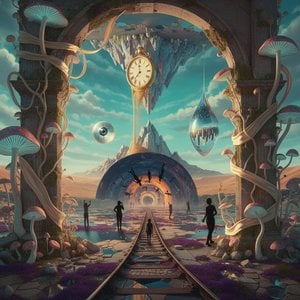
Dreamscapes & Disrupted Realities: Exploring Surrealism's Enduring Influence
Explore the fascinating world of Surrealism! Discover its origins, key artists like Dalí & Magritte, and enduring influence on art & culture. Expert insights & high-quality reproductions at ArtsDot.

The Enduring Legacy of Oil on Canvas: Technique, History & Aesthetic Impact
Explore the rich history & techniques of oil painting – from Renaissance masters to Impressionism. Discover pigments, layering methods, and why this timeless medium endures. Expert insights for artists & art enthusiasts.