

 Forhåndsvisning
 Send
Send Del
Del
 Vis detaljer
 Utskriftsvennlig guide

 Last ned bilde
 Liknende objekter
 Røntgenundersøkelse
 Lysbildefremvisning
 Spørsmål og svar
 Statistikk
Brud med vifte


 Vis hele teksten
Kunstverket som vises på denne siden er beskyttet av opphavsretten, noe som betyr at vi ikke har juridisk tillatelse til å lage eller selge identiske reproduksjoner. Denne beskyttelsen håndheves i henhold til internasjonale avtaler som for eksempel Bernerkonvensjonen og av nasjonale lover, inkludert de som er fastsatt i Amerikansk lov om opphavsrett – Tittel 17.
Denne metoden er i fullt samsvar med opphavsrettslige regler, da den ikke innebærer kopiering eller duplisering av det beskyttede kunstverket. I stedet er det snakk om en kreativ nytolkning – et nytt maleri som er inspirert av originalen, men ikke identisk med den.
Giclée / Kunsttrykk
Giclée- eller lerretsprint av museumskvalitet med rask produksjon og fleksible valgmuligheter for etterbehandling. ( Kjøp håndmalt maleri Bytt til digitalt bilde)




P118B Nkr10

P118H Nkr10

P118W Nkr10

P438Z Nkr10

P508JH Nkr12

P508YH Nkr12

P805H Nkr10

P805Z Nkr10

P919BZ Nkr10

P919G Nkr10

P919XJ Nkr10

P959ZH Nkr10

P968JZ Nkr12

W106C Nkr8

W218G Nkr10

W218JH Nkr8

W218Y Nkr10

W307PJ Nkr10

W316G Nkr10

W316PJ Nkr8

W316Y Nkr10

W398PJ Nkr8

W4111J Nkr10

W500HY Nkr15

W500JH Nkr15

W692G Nkr12

W849H Nkr8

W940BG Nkr15

W953PJ Nkr8




Velg mellom våre forhåndsdefinerte størrelser som bevarer kunstverkets opprinnelige proporsjoner.

Skriv inn ønsket bredde og høyde for å tilpasse trykket til din ramme eller vegg. Et trykk kan kun beskjæres, aldri skaleres opp utover motivets opprinnelige størrelse, noe som betyr at et format med andre proporsjoner vil føre til tap av deler av bildet. Vi sender deg en digital mockup for godkjenning før vi starter trykkeprosessen. Bildet som vises på denne siden viser ikke den faktiske beskjæringen — det er kun mockuppen som viser dette.
Verdensomspennende levering () på 2 uker i stedet for standard 4/5 uker. (11 November)

Gratis ekspressfrakt over hele verden

Lerretsduk av lin av høy kvalitet

Full transportforsikring

Garanti for refusjon av toll og importavgifter

Garantert fargegjengivelse

100 dagers returrett ved fabrikasjonsfeil

100% pengene tilbake-garanti

Rabatt ved flere kjøp
 Glassalternativet er kun tilgjengelig i størrelser under 110 cm

Brud med vifte
Giclée / Kunsttrykk
Størrelse på reproduksjon
-


Totalpris for valgte alternativer
Nkr 600
Marc Chagall og Drømmenes Maler
Marc Chagall var ingen bare maler; han var en poet av farge, en vever av drømmer og en kroniker av minner. Hans liv, som spennet seg over nesten et århundre, gjenspeilte de turbulente strømmene på 20. århundre, men hans kunst ble fastslått i en dypt personlig visjon – én fylt med folkloren fra hans Hasidiske jødiske oppvekst og en ubendig tro på kraften til fantasi. Vitebsk selv var mer enn bare fødested; det ble den emosjonelle kjernen av hans kunstneriske univers, et gjentatte motiv befolket av flygende figurer, ville dyr og de vibrerende nyansene av husket landskap. Byens unike blanding av kulturer – russisk ortodoks kirke ved siden av travle jødiske markedsplasser – skapte en estetisk sanselighet som ville utfordre enkel kategorisering gjennom hele hans lange karriere. Selv om han søkte formell trening først med en lokal skiltmaler, utviklet han seg til å bli en kunstner som var unik for sin tid og egen stil.Et Blikk På «Bryllupet»
«Bryllupet» av Marc Chagall (1909) er et eksempel på Naïve Kunst (Primitivism), hvor Chagall bruker farger og komposisjon på en måte som gjenspeiler hvordan folk i Vitebsk ville oppfatte verden. Han var fascinert av folkloren og tradisjonene til sitt hjemland, noe som manifesteres spesielt i bruk av symbolikk og fantastiske bilder. Dette maleriet er ikke bare et teknisk mesterverk; det er også en følelsesmessig resonans som forteller historien om kjærlighet, tro og kulturell identitet. Chagall var opptatt av å skape kunst som var både vakker og meningsfull, noe han klarte å gjøre på en måte som fortsatt inspirerer kunstnere og publikum i dag.- Stil: Naïve Kunst (Primitivism)
- Teknikk: Olje på lerret, bruk av frie penselstrøk og kontrastrike farger
- Historisk Kontekst: Vitebsk var et viktig kulturelt sentrum for jødiske samfunn i Russland på begynnelsen av 1900-tallet. Chagall ble sterkt påvirket av denne atmosfæren og dens fokus på tradisjon og folklore.
Symbolikk Og Fantasi
«Bryllupet» er full av symboler som gjenspeiler Chagalls personlige verdenssyn. De flygende menneskene representerer frihet og å bryte seg løs fra begrensninger, mens det lille huset symboliserer hjem og familie. Figuren av den gamle mannen og kvinnen på verandaen er et ikonisk motiv som ofte dukker opp i Chagalls kunstverk og representerer stabilitet og erfaring. Chagall var kjent for å bruke fantastiske bilder og drømmeaktige komposisjoner, noe som gjør dette maleriet til en unik og fengslende opplevelse for betrakteren.Emosjonell Påvirkning
«Bryllupet» er ikke bare et teknisk imponerende verk; det er også dypt emosjonelt rørende. Chagall formidler følelser av kjærlighet, glede og lengsel gjennom sine farger og komposisjon. Maleriet inviterer publikum til å reflektere over temaer som forholdet mellom mann og kvinne, betydningen av familie og viktigheten av å bevare kulturelle tradisjoner. Dette er et kunstverk som forteller en historie om menneskelig erfaring og følelser på en måte som fortsatt resonerer kraftfullt i dagens verden.Spørsmål og svar
Hvordan relaterer stilen i "Brud med vifte" seg til kunstnerens epoke?
I "Brud med vifte" av Marc Chagall møtes Surrealist Dreamlike Imagery-retningen og Moderne tid-epoken.
Hvor lys eller mørk oppleves "Brud med vifte" av Marc Chagall som?
Alt i alt er "Brud med vifte" registrert som lyssterk. Oppfattet lysstyrke beskriver hvor lyst eller mørkt verket fremstår.
Hvilken følelse formidler "Brud med vifte" av Marc Chagall?
Stemningen i "Brud med vifte" av Marc Chagall kan beskrives som Seren, og den emosjonelle tonen er Harmonisk og rolig.
Lignende kunstverk


Om kunstneren
Tidlig liv, familie og utdanning
Marc Chagall trer inn i verden den 7. juli 1887 i Vitebsk i Det russiske imperiet, født som Moishe Segal. Han er det første av ni barn i en beskjeden jødisk familie, hvor livet er preget av arbeidets rytmer og småskala handel. Hans far, Khatskel Segal, arbeider som sildesalter ved et lager, mens hans mor, Feïga-Ita Tchernina, driver en liten dagligvarebutikk. Disse tidlige årene er dypt forankret i de særegne teksturene til en provinsby, hvor grensene for hans verden formes av behovene til et stort hushold og tradisjonene i hans eget samfunn.
Utdannelsen begynner innenfor murene til en heder, en tradisjonell jødisk barneskole. Her ligger fokuset på religiøs undervisning og de grunnleggende tekstene fra hans oppvekst. Ved trettenårsalderen skifter omfanget av læringen mot det sekulære. Han begynner på den offisielle ungdomsskolen i Vitebsk for å få en russisk utdannelse, et trekk som markerer et brudd med den strengt religiøse sfæren fra barndommen. Denne dualistiske eksistensen – mellom hederens hellige tradisjoner og den sekulære skolegangens krav – skaper en spenning som kommer til å definere hans tidlige utvikling.
Den kunstneriske impulsen finner sitt første formelle utløp i Vitebsk. Chagall mottar sin innledende opplæring ved en lokal kunstskole drevet av Iouri Pen. Det er her den rå instinktive evnen til visuelt uttrykk begynner å smelte sammen til en disiplinert praksis. Han beveger seg fra klasserommets strukturerte leksjoner mot en dypere engasjement i selve det å se, noe som legger grunnlaget for et liv viet til å oversette minner til form.
De formative årene i St. Petersburg
Overgangen fra den provinsielle stillheten i Vitebsk til den keiserlige storheten i St. Petersburg er preget av kamp. Mellom 1907 og 1909 byr hovedstaden på lite komfort. Fattigdom er en konstant følgesvenn; det finnes øyeblikk av sult så alvorlig at fysisk kollaps blir en realitet. For å overleve tar han til gatene og tjener et magert utkomme ved å tegne butiktskilt. Disse kommersielle oppgavene gir de nødvendige rublene for å opprettholde et nærvær i byen, mens han navigerer i kompleksiteten ved å være en jødisk student i et enormt, skiftende imperium.
Den akademiske søken er nådeløs. Han melder seg inn ved flere akademier i jakten på en formell struktur for sitt spirende visuelle språk. Atmosfæren i hovedstaden er tung av avantgardens innflytelse, en spenning som trekker ham bort fra den klassiske utdanningen. Han befinner seg i atelieret til Léon Bakst, en scenograf for Ballets Russes, hvor teaterets scenografi begynner å sive inn i hans oppfatning av rom og form. Denne perioden er et sammenstøt mellom nødvendighet og ambisjon, en tid preget av skissering for overlevelse, samtidig som han absorberer de radikale endringene som utspiller seg i den russiske kunstscenen.
Paris-årene og avantgardens innflytelse
Paris melder sin ankomst rundt 1910 eller 1911, som et brått skifte fra de provinsielle begrensningene i Det russiske imperiet. Byen tilbyr et sansemessig sjokk; i Montparnasses gater finner han lys, farger og frihet. Dette er ikke lenger verdenen til sildhandleren eller den tradisjonelle heder-skolen; det er et landskap av radikale muligheter. Han bosetter seg i La Ruche, den berømte kunstnerboligen, hvor luften er mettet av tilstedeværelsen til den nye avantgarden. Her deler han rom med Amedeo Modigliani og Fernand Léger, skikkelser som er i ferd med å redefinere grensene for moderne uttrykk. Epokens innflytelse er uunngåelig, men han forblir en outsider som absorberer oppdagelsene fra fauvismen og kubismen uten å gi slipp på sin egen indre logikk.
Verkene som skapes i denne perioden begynner å reflektere et brudd med den bokstavelige representasjonen. Han beveger seg mot en stil som prioriterer emosjonelle og poetiske assosiasjoner fremfor de strenge reglene for malerisk logikk. Fargene lysner, drevet frem av eksponeringen for det parisiske kunstmiljøet. Han navigerer i spenningsfeltet mellom fortidens formelle opplæring og nåtidens eksperimentelle frihet. Denne perioden med intens kreativ friksjon vedvarer helt til krigens politiske omveltninger drar ham tilbake mot øst. Det er først i 1923 at han vender tilbake til Paris med familien sin, og gjenoppretter sitt nærvær i byen som først låste opp hans visuelle språk.
- The Betrothed and Eiffel Tower (1913)
- Hommage à Apollinaire (1912-1913)
De russiske årene og revolusjonen
Revolusjonen drar Marc Chagall tilbake til Vitebsk. Han er ikke bare en passiv observatør av omveltningene; han forsøker aktivt å forme det kulturelle landskapet. Han påtar seg rollen som Vitebsks kommissær for billedkunst og blir direktør for en lokal kunstskole. Hans visjon er preget av fellesskap og utdanning, men det politiske klimaet skifter uavbrutt under føttene hans. Fremveksten av suprematismen skaper en dyp splittelse. Skikkelser som Malevitsj og Lissitzky kjemper for en radikal, ikke-objektiv abstraksjon som kolliderer med Chagalls mer lyriske og figurative tilnærming. Spenningen blir til slutt uholdbar. Han blir tvunget ut av sine posisjoner, og drømmen om en lokal kunstnerisk renessanse knuses i møte med det nye regimets rigide krav.
Innen 1920 skifter fokus mot Moskva. Her arbeider han med dekorasjonene til det jødiske teateret, et prosjekt som fanger skjæringspunktet mellom hans personlige identitet og den offentlige scene. Linjene hans er selvsikre, fargene både sterke og bleke, selv mens verden rundt ham går i oppløsning. Han navigerer gjennom en periode preget av intens kreativ produksjon og dyp materiell kamp, i et spenningsfelt mellom minnene fra shtetelen og kravene fra en stat i endring. Denne epoken defineres av nettopp denne friksjonen: forsøket på å bygge et kulturelt hjem samtidig som selve fundamentet i hans verden blir skrevet om.
- Over the Town (1914–1918)
- Apparition (ca. 1917-18)
Livet i USA
Utbruddet av andre verdenskrig tvang frem et plutselig geografisk skifte. I 1941 søkte Marc Chagall og hans familie tilflukt i USA, på flukt fra ustabiliteten i det okkuperte Frankrike. Han slo seg ned i og rundt New York City, en oppholdsperiode som varte frem til 1948. Storbyen utgjorde en bakgrunn av dype emosjonelle omveltninger. Midt i krigsårenes angst fanget penselen hans spenningen i en verden i konstant endring. Verkene reflekterer tidens usikkerhet, og oversetter både personlig og global uro til et visuelt språk preget av lidelse og håp.
Gjennom disse syv årene fant kunstneren en måte å engasjere seg i store, institusjonelle prosjekter på. Han påtok seg betydelige oppdrag for De forente nasjoners hovedkvarter, hvor han oversatte sin poetiske visjon til selve den arkitektoniske veven i en global institusjon. Denne perioden i Amerika markerer et viktig kapittel preget av eksperimentering og overlevelse, en brobygging mellom hans europeiske røtter og en ny, intens virkelighet. Han forble en mann mellom verdener, med et hjerte som stadig trakk ham mot Frankrike, selv mens han navigerte i kompleksiteten i sitt amerikanske eksil.
- White Crucifixion (1938)
Teknikk og kunstnerisk stil
Logikken må vike for følelsene. Marc Chagall avviser de rigide reglene for bildekomposisjon og velger i stedet å skape bilder gjennom poetiske assosiasjoner. Lerretene hans opererer etter drømmens mekanikk; figurer svever gjennom luften og trosser tyngdekraften, mens fargene pulserer med en overjordisk intensitet. Denne tilnærmingen gjør det mulig for ham å fange selve essensen av en følelse, snarere enn verdens bokstavelige utseende. Han beveger seg langt forbi ren etterligning, og bruker en dristig palett for å oversette minner til et visuelt språk.
Hans estetikk er et sammenstøt av ulike impulser. Han absorberer kubismens fragmenterte strukturer og fauvismens intense fargebruk, men filtrerer disse avantgarde-bevegelsene gjennom en dypt personlig linse. Resultatet er en stil som bygger bro mellom ekspresjonisme og abstraksjon. Han vever sammen det hellige og det hverdagslige, og befolker sine scener med symbolsk og surrealistisk billedbruk. Jødiske folkeeventyr og de stille, levde detaljene fra livet i shtetelen blir byggesteinene i en privat mytologi. Det kjente transformeres til det fantastiske.
Motivene sentrerer ofte rundt tilbakevendende temaer: flyvende elskende, fiolinister og massive blomsterbuketter. Disse elementene er ikke bare dekorasjoner, men symboler på et åndelig og emosjonelt landskap. I verk som De elskende (1929), skaper følelsen av vektløshet og bruken av intense farger et rom hvor verdens fysiske lover ikke lenger gjelder. Hans kunst forblir en konstant forhandling mellom den håndfaste virkeligheten fra hans oppvekst og fantasiens grenseløse muligheter.
- Jeg og landsbyen (1911)
- Den grønne fiolinisten (1924)
- Hvit korsfestelse (1938)
Mesterverk, verksteder og oppdrag
Midten av 1920-tallet finner Marc Chagall i Paris, hvor han navigerer i de innflytelsesrike kretsene i kunstmarkedet. Han trer inn i banen til Ambroise Vollard, en kunsthandler hvis innflytelse formet banen til mange avantgarde-kunstnere. Vollard bestiller en serie raderinger fra Chagall, og gir ham i oppgave å illustrere verkene til Nikolay Gogol, spesielt De døde sjelers reise. Denne perioden markerer et skifte mot grafikkens presisjon, en bevegelse bort fra den flytende spontaniteten som preget hans tidligere lerreter.
I 1931 skifter fokus mot Midtøsten. Ordføreren i Tel Aviv sender en invitasjon til Chagall om å reise til Palestina. Målet er ambisiøst: grunnleggelsen av et jødisk kunstmuseum. Denne perioden fordeler hans engasjement for religiøs og kulturell symbolikk, et tema som skulle vedvare gjennom hans senere, monumentale arkitektoniske verk. Hans evne til å oversette personlig og kollektivt minne til fysisk rom blir et definerende aspekt ved hans kunstneriske virke.
Etter hvert som ryktet hans vokser, utvides omfanget av arbeidet hans fra den intime siden til det monumentale. Han beveger seg inn i lysets og arkitekturens rike, hvor han designer glassmalerier til katedralen i Metz og til FN-bygningen i New York. Disse verkene krever en mesterlig forståelse av hvordan farger samspiller med sollyset. I 1964 når han et høydepunkt av offentlig anerkjennelse med et oppdrag for taket i Pariseroperaen, en massiv bragd som bringer hans drømmeaktige bildespråk inn i en av Europas mest betydningsfulle kulturinstitusjoner.
Hvor du kan se verkene i dag
Arven etter hans unike visjon er i dag forankret i flere sentrale institusjoner verden over. I Nice i Frankrike finner vi Musée National Marc Chagall, som huser en omfattende samling av hans verker og bevarer selve kjernen i hans kreative livsverk. Dette museet tilbyr et konsentrert innblikk i det bildespråket som definerte hans lange og fruktbare karriere. Samtidig har Statsmuseet for russisk kunst i St. Petersburg i Russland en betydelig samling av hans kunst, med verk som knytter ham direkte til hans tidlige år og hans oppvekst i Det russiske imperiet.
Hans kunstneriske rekkevidde strekker seg også over Atlanterhavet til USA. Museum of Modern Art i New York inneholder verk som reflekterer hans komplekse forhold til storbyen i eksilårene. I det amerikanske Midtvesten finner vi Art Institute of Chicago, som også viser hans kunst og sikrer hans tilstedeværelse i store internasjonale samlinger. Disse lokasjonene utgjør de viktigste fysiske møtepunktene for alle som ønsker å oppleve hans helt særegne bruk av farger og form.
- I and the Village (1911)
- The Wedding (1944)
- White Crucifixion (1938)
- The Lovers (1929)
- The Circus (1964)
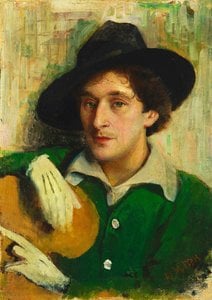
Marc Chagall
1887 - 1985 , Hviterussland
Kort om kunstneren
- Artistic Movement Or Style: Ekspresjonisme, kubisme, fauvisme, surrealisme
- Artists Or Movements Influenced By This Artist: ['Surrealister']
- Artists Who Influenced This Artist: ['Léon Bakst']
- Date Of Birth: 1887
- Date Of Death: 1985
- Full Name: Moishe Shagal
- Nationality: Russisk-fransk
- Notable Artworks:
- I and the Village
- The Birthday
- The Wedding
- White Crucifixion
- Over Vitebsk
- Place Of Birth: Liovana, Belarus
Relaterte artikler

Fra Plakater til Paletter: Oppstigningen av Håndmalt Fan Art og Redefinisjonen av Samlerobjekter i Fandom-Kulturen
Utforsk håndmalt fan art av høyeste kvalitet! Eksklusive reproduksjoner og tilpassede kunstverk skapt av dyktige kunstnere. Finn din unike veggkunst hos oss – med 100% fornøydgaranti.

Franz Marc: Expressionism, Spirituality & the Animal Symbolism of a Modern Master
Explore the profound world of Franz Marc's Expressionist paintings. Discover his spiritual connection to animals, innovative use of color, and lasting impact on modern art history. Learn more at ArtsDot.

Fra Anime til Lerret: Fremveksten av Moderne Fan Art
Utforsk den spennende verdenen av moderne fan art! tilbyr tilpassede reproduksjoner, digital kunst og unike veggdekorasjoner. Finn din perfekte stil i dag!
Topp 10 Litografiske Mesterverk som Forandret Kunsten – ArtsDot.no
Oppdag de 10 mest legendariske litografiene som revolusjonerte kunsten! Fra Picasso til Munch – lær historien bak mesterverkene og finn inspirasjon for ditt hjem. Museumskvalitet kunsttrykk på ArtsDot.no. Utforsk samlingen online!

Tysk Ekspresjonisme: 10 Mesterverk som Definerte en Kunstbevegelse | ArtsDot.no
Utforsk 10 ikoniske mesterverk fra tysk ekspresjonisme! Oppdag Munch, Kirchner og Kandinsky – historiene bak fargene, teknikkene & følelsene. Finn museumskvalitets kunsttrykk for ditt hjem på ArtsDot.com.


