

 Forhåndsvisning
 Send
Send Del med andre
 Vis detaljer

 Last ned bildet
 Liknende objekter
 Røntgenundersøkelse
 Lysbildefremvisning
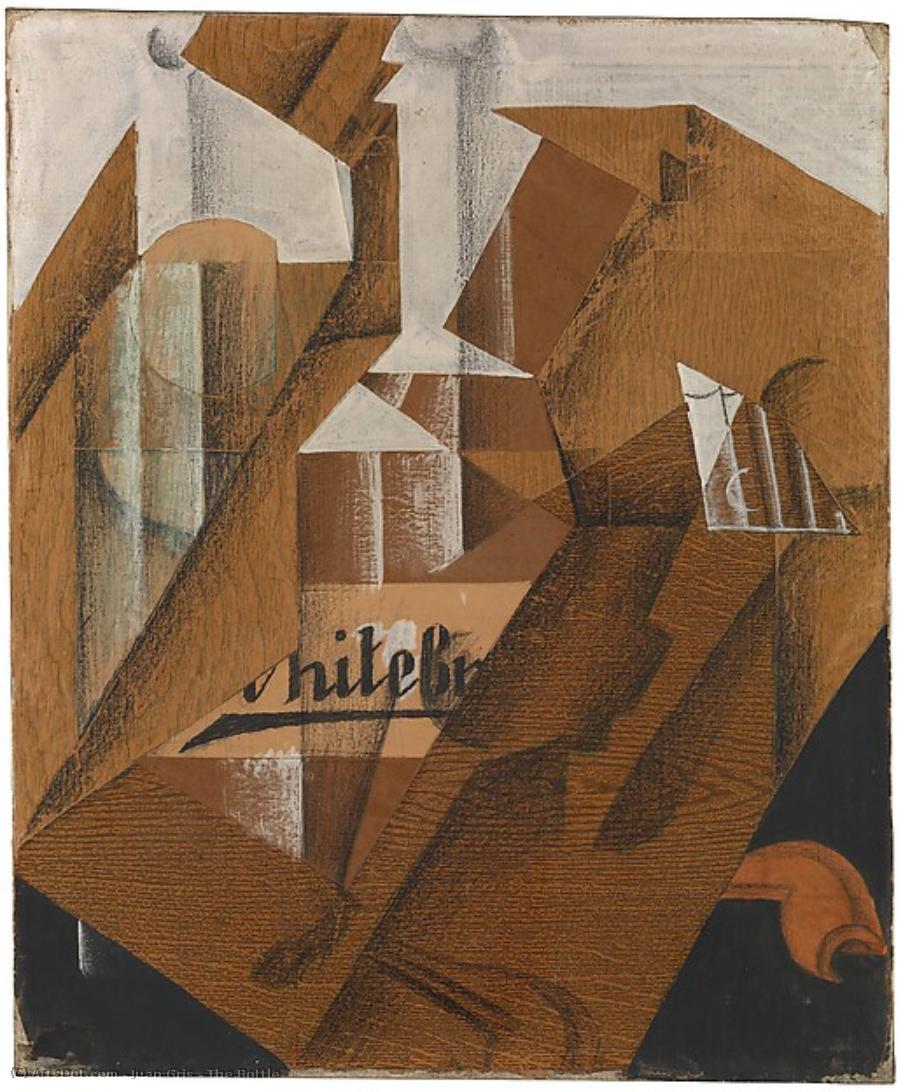
The Bottle


 Vis hele teksten
Kjøp et høyoppløselig, forbedret digitalt bilde som er langt bedre enn forhåndsvisningen på nettet.
Hver fil er omhyggelig klargjort av våre egne spesialister ved hjelp av avanserte verktøy og profesjonell manuell retusjering. Vi sørger for at hvert bilde har eksepsjonell klarhet, presis fargegjengivelse og fine detaljer.
Den endelige filen leveres via e-post innen 72 timer, optimalisert for umiddelbar bruk i profesjonelle, redaksjonelle og trykte miljøer. Dette er den samme kvaliteten som benyttes av ledende designstudioer, utgivere og gallerier.
Digitalt bilde
Last ned en høyoppløselig fil for personlig bruk, utskrift og kreative prosjekter. ( Kjøp trykk Kjøp håndlaget maleri)
Inkludert i alle bestillinger av digitale bilder
Ekspert digital levering, garantert
Når du velger ArtsDot.com, får du ikke bare et bilde – du mottar et profesjonelt forbedret digitalt kunstverk, skapt med presisjon og med en garantert tilfredshetsgaranti. Her er alt som automatisk følger med din bestilling:

Rask digital levering
Din høyoppløselige digitale bildefil sendes til din e-post innen 72 timer etter bestilling – klar til umiddelbar bruk.

KI-forbedret digital fil
Ditt kunstverk blir profesjonelt optimalisert ved hjelp av avanserte AI-verktøy og manuell redigering, noe som sikrer maksimal detaljrikdom, klarhet og fargegjengivelse.

Gratis livslang nyutlevering
Har du ved et uhell slettet eller mistet filen din? Ingen bekymring – vi sender den på nytt når som helst, helt gratis.

Ingen importavgifter – noen gang
Nyt ditt kunstverk umiddelbart uten toll, avgifter eller leveringskostnader – digitale nedlastinger er alltid avgiftsfrie.

Garantert fargenøyaktighet
Vi sikrer at ditt digitale bilde gjenspeiler de originale fargene så nøyaktig som mulig ved hjelp av profesjonelle verktøy og fargehåndtering.

60 dagers tilfredshetsgaranti
Hvis du ikke er fornøyd med ditt digitale bilde, vil vi revidere det eller refundere 100% innen 60 dager – uten spørsmål.

100% Penggaranti
Ikke fornøyd? Få full refusjon innen 60 dager etter at du har mottatt din digitale fil – uten spørsmål.

Rabatt ved storkjøp
Kjøp 3 bilder, spar 10% - Kjøp 5, spar 15% - Kjøp 10+, spar 20%. Ideelt for kreative prosjekter, gallerier og byråer.
Beskrivelse av samlerobjektet
A Masterpiece of Synthetic Cubism
In the vibrant, experimental atmosphere of 1914 Paris, Juan Gris achieved a profound synthesis of reality and abstraction in his seminal work, The Bottle. This composition serves as a breathtaking testament to the era of papier collé, a technique that revolutionized the way artists approached the canvas. Unlike the more fragmented and austere approaches of his contemporaries, Picasso and Braque, Gris utilized a method that felt lush, deliberate, and deeply textured. The painting invites the viewer into a meticulously constructed world where the boundaries between everyday objects and artistic invention blur, creating a sense of organized chaos that is both intellectually stimulating and visually captivating.
The subject matter—a collection of bottles, a cup, and a clock—transcends mere still life. Through the clever use of layered papers and paint, Gris transforms mundane items into a complex architectural arrangement. The central bottle, bearing the name "Philip," acts as an anchor for the eye, its translucent brown tones suggesting the weight and depth of real glass. Surrounding it, the presence of other vessels and the rhythmic geometry of the clock create a dense, layered environment. This is not merely a depiction of objects; it is an exploration of how we perceive space and form through the intersection of different materials and textures.
The Alchemy of Paper and Paint
What distinguishes The Bottle is Gris’s unparalleled mastery of the papier collé technique. During a prolific eight-month period in 1914, Gris experimented with the hybrid medium of adhering diverse paper elements—ranging from newspaper clippings to patterned wallpapers—directly onto the canvas. This method allowed him to introduce "real" textures into the painted realm, challenging the traditional sanctity of oil painting. He did not simply paste shapes; he carefully planned each layer, using cut and matched pieces of paper to build a structural foundation that he would then outline, shade, and highlight with masterful precision.
This technique creates a fascinating tension between trompe l’oeil (deceiving the eye) and pure abstraction. While some elements mimic the appearance of physical depth and light, others remain resolutely flat and graphic. For the discerning collector or interior designer, this duality offers an incredible versatility. The work possesses a rhythmic, decorative quality that can anchor a modern room with its sophisticated geometry, yet it retains a profound historical weight that commands respect in any gallery setting.
A Legacy of Intellectual Beauty
Beyond its visual allure, The Bottle represents the intellectual climax of Gris’s exploration into Cubism. His background in engineering is evident in the structural integrity of the composition; every fragment feels essential to the whole. The work captures a specific moment in art history—the transition from the analytical deconstruction of objects to the synthetic reconstruction of new realities. It is a piece that rewards repeated viewing, as the eye discovers new intersections of color, shadow, and texture with every glance.
For those seeking to bring a piece of the Parisian avant-garde into their personal or professional spaces, a high-quality reproduction of this work offers more than just decoration. It provides an entry point into the revolutionary spirit of 1914. The painting’s rich palette of earth tones, punctuated by the sharp lines of newsprint and geometric forms, makes it an ideal centerpiece for sophisticated interiors that value historical depth, intellectual rigor, and the timeless beauty of the Cubist movement.
Lignende kunstverk


Om kunstneren
A Spanish Visionary of Cubism: The Life and Art of Juan Gris
José Victoriano González-Pérez, born in Madrid in 1887, embarked on a remarkable artistic journey that would cement his place as one of the most significant figures of early 20th-century art. Initially pursuing an engineering degree at the School of Arts and Sciences, a keen analytical mind hinted at a future far removed from blueprints and calculations. Even during these formative years, a creative spark ignited – contributions to local periodicals showcased a burgeoning talent for visual observation. It was in 1905 that he adopted the evocative pseudonym Juan Gris, a name resonating with newfound identity and purpose as he began his formal studies in painting under José Moreno Carbonero. This pivotal shift marked the beginning of his dedicated pursuit of artistic innovation.Parisian Awakening and the Embrace of Cubism
The year 1906 witnessed a transformative relocation to Paris, a city then brimming with an unparalleled energy of artistic expression. Gris immersed himself completely in this vibrant milieu, forging enduring friendships with luminaries such as Henri Matisse, Georges Braque, and Fernand Léger. Initially engaged in satirical illustration for publications like *L'Assiette au Beurre*, he honed his observational skills and developed a sharp wit – a foundation that would later inform the conceptual depth of his art. However, the profound influence of Pablo Picasso proved particularly compelling. Around 1910, Gris began to dedicate himself wholeheartedly to painting, deliberately moving away from caricature and embracing the burgeoning language of Cubism. This wasn’t mere imitation; it was a deliberate quest to distill the essence of form and space, seeking a new visual order – a radical departure from traditional representation.The Geometry of Perception: Style and Key Works
Juan Gris's artistic output is characterized by an extraordinary clarity and intellectual rigor. He didn't simply deconstruct objects; he meticulously reconstructed them, emphasizing geometric forms and a carefully considered palette. This approach led to what became known as his “crystal period,” exemplified in masterpieces such as *Still Life Before an Open Window* (1912) and *Place Ravignan* (1915). These works showcase a remarkable interplay of planes and angles, creating a sense of depth and solidity while simultaneously challenging conventional notions of perspective. The use of muted colors and fragmented forms created a unique visual experience, inviting the viewer to actively engage with the artwork. After 1913, Gris wholeheartedly embraced Synthetic Cubism, pioneering the innovative technique of *papier collé* – collage – incorporating real-world materials like newspaper clippings and textured papers into his compositions. This added another layer of complexity and tactility to his work, blurring the boundaries between painting and sculpture. Notable examples include *Guitar in front of the sea* (1925), a testament to his simplified forms and adherence to cubist principles, and *Homage à Pablo Picasso* (1912), which signaled his growing recognition within the avant-garde art world.Influences and Development
Gris’s artistic development was profoundly shaped by a confluence of influences. Initially captivated by Picasso's revolutionary approach, he quickly absorbed the core tenets of Cubism – fragmentation, multiple perspectives, and the rejection of traditional representation. However, Gris possessed a unique sensibility that distinguished his work from that of his contemporaries. He wasn’t merely replicating Picasso’s techniques; he was developing his own distinct style, characterized by an exceptional clarity and structural precision. The intellectual rigor of mathematicians like Henri Poincaré also exerted a subtle but significant influence on his approach to composition, leading him to seek geometric solutions for representing complex forms. Furthermore, his close friendships with artists like Matisse fostered a deep appreciation for color and harmony, which he skillfully integrated into his Cubist paintings.Legacy and Lasting Influence
Juan Gris’s contribution to Cubism extends far beyond mere stylistic innovation; he brought a unique intellectual depth and structural clarity to the movement. He moved past the analytical phase, towards a more organized and synthetic approach, emphasizing order and precision. His work profoundly influenced the Purist style championed by Amédée Ozenfant and Charles Edouard Jeanneret (Le Corbusier), advocating for a return to classical principles of form and composition. Gris’s emphasis on geometric forms, harmonious color palettes, and the integration of everyday objects into his art established him as a pivotal figure in 20th-century art. His legacy continues to inspire artists today, demonstrating the enduring power of Cubism and the visionary genius of Juan Gris – a Spanish master who reshaped our understanding of perception and representation.
Juan Gris
1887 - 1927 , Spania
Kort om kunstneren
- Artistic Movement Or Style: Kubisme, Kubisme syntetisk
- Artists Or Movements Influenced By This Artist:
- Purisme
- Amédée Ozenfant
- Artists Who Influenced This Artist:
- Pablo Picasso
- Henri Matisse
- Georges Braque
- Date Of Birth: 23 mars 1887
- Date Of Death: 11 mai 1927
- Full Name: José Victoriano González-Pérez
- Nationality: Spansk
- Notable Artworks:
- Still Life Before an Open Window
- Place Ravignan
- Guitar ved havet
- Place Of Birth: Madrid, Spania

