

 Forhåndsvisning
 Send
Send Del
Del
 Vis detaljer
 Utskriftsvennlig guide

 Last ned bilde
 Liknende objekter
 Røntgenundersøkelse
 Lysbildefremvisning
 Spørsmål og svar
 Statistikk
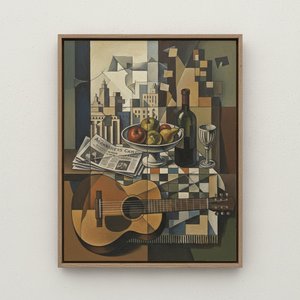
The Bordeaux bottle

- 50.0 x 61.0 cm


 Vis hele teksten
Giclée / Kunsttrykk
Giclée- eller lerretsprint av museumskvalitet med rask produksjon og fleksible valgmuligheter for etterbehandling. ( Kjøp håndmalt maleri Bytt til digitalt bilde)




P118B Nkr10

P118H Nkr10

P118W Nkr10

P438Z Nkr10

P508JH Nkr12

P508YH Nkr12

P805H Nkr10

P805Z Nkr10

P919BZ Nkr10

P919G Nkr10

P919XJ Nkr10

P959ZH Nkr10

P968JZ Nkr12

W106C Nkr8

W218G Nkr10

W218JH Nkr8

W218Y Nkr10

W307PJ Nkr10

W316G Nkr10

W316PJ Nkr8

W316Y Nkr10

W398PJ Nkr8

W4111J Nkr10

W500HY Nkr15

W500JH Nkr15

W692G Nkr12

W849H Nkr8

W940BG Nkr15

W953PJ Nkr8




Velg mellom våre forhåndsdefinerte størrelser som bevarer kunstverkets opprinnelige proporsjoner.

Skriv inn ønsket bredde og høyde for å tilpasse trykket til din ramme eller vegg. Et trykk kan kun beskjæres, aldri skaleres opp utover motivets opprinnelige størrelse, noe som betyr at et format med andre proporsjoner vil føre til tap av deler av bildet. Vi sender deg en digital mockup for godkjenning før vi starter trykkeprosessen. Bildet som vises på denne siden viser ikke den faktiske beskjæringen — det er kun mockuppen som viser dette.
Verdensomspennende levering () på 2 uker i stedet for standard 4/5 uker. (13 November)

Gratis ekspressfrakt over hele verden

Lerretsduk av lin av høy kvalitet

Full transportforsikring

Garanti for refusjon av toll og importavgifter

Garantert fargegjengivelse

100 dagers returrett ved fabrikasjonsfeil

100% pengene tilbake-garanti

Rabatt ved flere kjøp
 Glassalternativet er kun tilgjengelig i størrelser under 110 cm

The Bordeaux bottle
Giclée / Kunsttrykk
Størrelse på reproduksjon
-


Totalpris for valgte alternativer
Nkr 597
A Symphony of Geometry: Rediscovering The Bordeaux Bottle
In the quiet, intellectual atmosphere of a Parisian studio, Juan Gris captures a moment of profound stillness through The Bordeaux Bottle. This masterpiece of Synthetic Cubism invites the viewer into a world where the boundaries between objects and space dissolve into a rhythmic dance of planes and and shadows. At its heart lies a single bottle of wine, rendered not as a mere vessel, but as a structural anchor around which a constellation of books and a solitary lighter revolve. The composition is a masterclass in balance, where the weight of literature meets the transparency of glass, creating a visual dialogue that feels both grounded and ethereal. For the discerning collector or interior designer, this piece offers more than just decoration; it provides a sophisticated focal point that commands attention through its intricate layering of form.
The technique employed by Gris in 1915 represents the pinnacle of his analytical yet poetic approach to Cubism. Unlike the fragmented, monochromatic dissections seen in early Analytic Cubism, The Bordeaux Bottle embraces the richness of Synthetic Cubism. Here, the artist uses overlapping shapes and a deliberate arrangement of textures to build a sense of depth and reality. The books are not merely scattered; they are architecturally placed, their spines and edges creating a geometric scaffolding that supports the central subject. Through the use of subtle gradients and sharp, intersecting lines, Gris achieves a tactile quality that makes the paper feel crisp and the glass appear luminous. This interplay of light and shadow creates a dynamic energy, ensuring that the painting remains visually stimulating from every angle.
Symbolism and the Spirit of the Avant-Garde
Beyond its formal brilliance, the artwork carries a deep symbolic resonance, evoking the contemplative life of the early 20th-century avant-garde. The presence of books suggests a sanctuary of thought and erudition, a nod to the intellectual rigor that defined the era. The Bordeaux bottle and the small lighter serve as intimate details of daily existence, transformed by Gris into icons of modern life. This arrangement speaks to the intersection of leisure and intellect, where the sensory pleasure of wine meets the profound exploration of literature. It is an invitation to pause and find beauty in the structured fragments of our surroundings.
For those looking to elevate a living space, this work offers a unique blend of historical gravity and modern aesthetic appeal. Whether placed in a sunlit library or a contemporary minimalist study, the painting’s ability to harmonize complex geometry with soft, evocative tones makes it an incomparable addition to any curated collection. It is not merely a depiction of objects, but a window into a period of radical transformation, captured through the eyes of a Spanish visionary who saw the world as a beautiful, interlocking puzzle.
Spørsmål og svar
Hvor bør en reproduksjon av "The Bordeaux bottle" av Juan Gris henges opp?
Format (Landscape) og anbefalt rom (Office) er de to plasseringsegenskapene som er registrert for "The Bordeaux bottle" av Juan Gris.
Hvordan forenes kontrast og harmoni i "The Bordeaux bottle"?
Fargekomposisjonen i "The Bordeaux bottle" av Juan Gris forener en Balanced kontrast med en Discordant Palette harmoni.
Hvor mettet er fargepaletten i "The Bordeaux bottle"?
Fargepaletten i "The Bordeaux bottle" har Balanced Soft i metning.
Lignende kunstverk


Om kunstneren
Tidlig liv, familie og utdanning
Født som José Victoriano González-Pérez den 23. mars 1887 i Madrid, Spania, vokste mannen som senere skulle bli kjent som Juan Gris opp i et stort og livlig hjem. Han var nummer tretten av fjorten barn. Hans far, Gregorio Gonzalez, var en velstående forretningsmann, og familiens miljø ga et stabilt fundament i hans formative år i den spanske hovedstaden.
Hans tidlige utdanning tok en teknisk vending ved Madrid School of Arts and Sciences, hvor han studerte ingeniørfag. Denne studietiden innprentet en følelse for strukturell logikk som senere skulle komme til uttrykk i hans visuelle arbeid. Selv om fokuset lå på designets mekanikk, var en kreativ impuls allerede til stede. Mellom 1904 og 1905 begynte han å formalisere sin kunstneriske opplæring ved å studere maleri under den akademiske kunstneren José Moreno Carbonero. Denne korte, men betydningsfulle perioden med undervisning bidro til å bygge bro mellom hans tekniske studier og hans fremvoksende visuelle språk.
Innen 1905 skjedde et skifte i identitet da han tok navnet Juan Gris. Denne endringen markerte et brudd med hans opphav som José Victoriano González-Pérez og signaliserte en ny retning for livet hans. Han beveget seg bort fra ingeniørfagets rigide krav og mot den mer flytende, men ikke mindre strukturerte, verdenen av visuell representasjon.
Den parisiske oppvåkningen og kubismen
Flyttingen til Paris i 1906 endret retningen på livet hans for alltid. Innen 1909 hadde han bosatt seg i Bateau-Lavoir i Rue Ravignan 13, et sted preget av konstant bevegelse og et levende fellesskap av kunstnere. I disse årene arbeidet han som satirisk tegner, men skiftet mot maleriet begynte for alvor rundt 1911. Han forlot illustrasjonens verden for å fordype seg i lerretet, drevet av en søken etter en mer strukturert måte å betrakte objektene som omga ham på.
Hans tilstedeværelse i den parisiske kunstscenen ble offisiell i 1912, da han for første gang stilte ut sine verk på Salon des Indépendants. Dette markerte en periode med eksplosiv utvikling, hvor han beveget seg bort fra fauvismens ekspressive kvaliteter og mot kubismens fragmenterte logikk. Hans kunstneriske virke strakte seg langt utover Frankrikes grenser, og ble vist frem under Exposició d'art cubista i Galeries Dalmau i Barcelona. Allerede i 1912 hadde han også signert en kontrakt med Daniel-Henry Kahnweiler, et trekk som sementerte hans posisjon i den indre sirkelen av kunstnere som var i ferd med å redefinere det pikturale rommet.
Teknikk og kunstnerisk stil
Det ligger en særskilt matematisk logikk bak måten han bygger opp et lerret på. Hans bakgrunn fra ingeniørfaget kommer tydelig til syne i hvordan han håndterer geometriske former og fragmenterte figurer, der han behandler komposisjonen med en stille og kalkulert presisjon. Han bryter ikke bare et objekt ned; han rekonstruerer det gjennom en serie av overlappende plan. I mange av hans verk beveger han seg bort fra den kaotiske og splintrende abstraksjonen man ser i den tidlige kubismen, og velger i stedet en mer organisert og lesbar struktur. Denne klarheten oppnås ofte gjennom en disiplinert palett av grått, svart og hvitt, som tvinger øyet til å fokusere på tyngden og plasseringen av hver enkelt form.
Hans hender var spesielt dyktige til å arbeide med teksturene fra dagliglivet. Han var en virtuose med materialer som de fleste ville oversett, og han integrerte avisklipp, tapet og andre kommersielt trykte eller funne gjenstander direkte i sine komposisjoner. Han hadde en helt egen metode for å håndtere disse elementene, der han brukte svart medium i skjæringspunktene mellom ulike papirtyper for å skjule sømmene. Denne teknikken gjorde det mulig for ham å skape en illusjon av sømløshet, slik at de ulike lagene fremstod som én sammenhengende flate snarere enn en samling av papirbiter. Han kunne til og med nøyaktig justere mønstre i det trykte papiret for å sikre at kantene forsvant helt inn i selve verket.
Nøkkelverk og mesterverk
I 1914 trådte verket Blomster frem, side om side med The Sunblind, som begge vitner om en dyp fascinasjon for hvordan lys og objekter okkuperer et rom. Innen juni 1915 var komposisjonen Still Life before an Open Window, Place Ravignan fullført. Dette mesterverket benytter overlappende plan for å skape en følelse av dybde, og trekker betrakteren inn i en strukturert og stille scene. Måten formene overlapper hverandre på, skaper en helt særegen orden, hvor vinduet og gjenstandene i det rekonstrueres gjennom en serie skarpe, geometriske vinkler.
De påfølgende årene brakte med seg et skifte mot mer personlige motiver og komplekse teksturer. I oktober 1916 ble Portrait of Josette Gris malt, et verk som fanger sitt subjekt gjennom en disiplinert, nesten monokromatisk linse. Denne tilnærmingen skreller bort unødvendige detaljer for å rette alt fokus mot linjenes rytme. Senere, i 1919, tilførte Harlequin at a Table en helt annen energi til lerretet, ved å bruke kubismens fragmenterte språk til å organisere scenen. Mot slutten av hans liv, rundt 1927, ble Guitar and Music Paper skapt – et verk som hviler i det subtile samspillet mellom enkle former og den taktile antydningen av papir.
- Still Life before an Open Window, Place Ravignan (1915)
- Flowers (1914)
- The Sunblind (1914)
- Portrait of Josette Gris (1916)
- Harlequin at a Table (1919)
- Guitar and Music Paper (ca. 1927)
Sirkler, rivaler og innflytelse
Juan Gris beveget seg gjennom de tette, intime kretsene i den parisiske avantgarden, en verden preget av delte ideer og perspektiver i stadig endring. Hans kunstneriske virke sprang ut fra fundamentet lagt av Paul Cézanne, og spesielt den måten den eldre maleren utforsket den underliggende strukturen i form og rom på. Denne intellektuelle tilnærmingen gjorde det mulig for Gris å finne sin egen unike posisjon side om side med bevegelsens fremste innovatører. Han sto som en av de tre ledende skikkelsene innen kubismen, og opererte i samme bane som Pablo Picasso og Georges Braque. Selv om han søkte retning hos dem, var hans vei aldri en enkel etterligning; han tilførte lerrete en matematisk presisjon som føltes distinkt fra sine kollegers mer intuitive eksperimenter.
Relasjonene innad i denne kunstneriske sirkelen var ofte preget av kompleksitet. Selv om han var dypt påvirket av Picasso, eksisterte det en merkbar spenning mellom dem. En observatør bemerket at Gris var den eneste personen Picasso ønsket seg bort fra, en detalj som taler om den konkurransepregede og intense naturen i denne epoken. Til tross for dette forble Gris en sentral del av sjangerens utvikling, hvor han bidro til å dytte kubismen fra dens tidlige, analytiske stadier mot de mer strukturerte og syntetiske komposisjonene som kom til å definere de senere årene. Han fulgte ikke bare andres fotspor; han var med på å styre bevegelsen mot en mer organisert og lesbar logikk.
Arv og varig innflytelse
Juan Gris gjorde mer enn bare å følge stiene som andre hadde trådt opp. Selv om han bygde videre på fundamentet til den tidlige kubismen, styrte han bevegelsen i nye retninger og beveget seg bort fra den fragmenterte abstraksjonen som preget hans samtidige. Hans malerier besitter et dristig og grafisk uttrykk som gjør dem umiddelbart gjenkjennelige og skiller dem tydelig fra verkene til Picasso og Braque. Det finnes en helt egen, kalkulert klarhet i hvordan han mestrer komposisjonen – en egenskap som har sitt utspring i hans tidligere studier innen ingeniørfaget. Han nøt seg ikke bare med å bryte objekter fra hverandre; han gjenoppbygde dem med en dyp følelse for orden og strukturell logikk.
Hans innflytelse merkes tydelig i måten han ledet bevegelsen bort fra den analytiske fasen og mot en mer syntetisk tilnærming. Ved å integrere teksturer og mønstre, bidro han til å definere en måte å se på som vektla lerretets flathet fremfor illusjonen av et dypt rom. Denne metoden forvandlet selve maleriproessen til en presis arrangering av geometriske plan og farger. Hans kunstneriske virke står igjen som en studie i hvordan man balanserer fragmentering med en følelse av sammenhengende design.
- Homage à Pablo Picasso (1912)
- Still Life before an Open Window (1915)
- Guitar with inlays (1925)
Hvor du kan se verkene i dag
Å spore den fysiske tilstedeværelsen av hans kunstneriske arv krever en reise gjennom flere av verdens fremste samlinger. I Madrid rommer Museo Nacional Centro de Arte Reina Sofía tretten av hans verk, noe som gir et betydelig innblikk i hans kunstneriske utvikling. I samme by forvalter Thyssen-Bornemisza Museum to av hans verk. Disse spanske samlingene tilbyr en unik mulighet til å se hvordan hans røtter i Madrid gradvis transformerte seg til de radikale strukturene som preget hans senere år.
En stor del av hans produksjon befinner seg fortsatt i Frankrike, et ekko av de formative årene han tilbrakte i Paris. Centre Pompidou huser fire verk, mens Kröller-Müller Museum i Otterlo inneholder ni. Disse verkene illustrerer ofte hans mesterlige evne til å legge lag på lag med papir og maling for å skape en følelse av dybde. I disse salene kan man oppleve hans eksperimenter med tekstur og farge, der de skarpe kantene i hans geometriske former er bevart for ettertiden.
Over Atlanteren i USA finner vi Philadelphia Museum of Art, som vokter tre av hans verk. Å betrakte maleriene hans i disse ulike kulturelle kontekstene avslører hvordan hans tilnærming til rom og lys endret seg avhengig av materialene han valgte å arbeide med. Noen av disse verkene er monumentale i sitt uttrykk, mens andre fokuserer på den stille og harmoniske komposisjonen av hverdagslige gjenstander.
- Still Life with Flowers (1912)
- The Bottle of Anís del Mono (1914)
- Guitar in front of the sea (1925)
- Portrait of Madame Josette Gris (1916)
- The Checkerboard (1915)

Juan Gris
1887 - 1927 , Spania
Kort om kunstneren
- Artistic Movement Or Style: Kubisme, Syntetisk kubisme, Analytisk kubisme
- Artists Or Movements Influenced By This Artist: ['Purisme']
- Artists Who Influenced This Artist:
- Paul Cézanne
- Pablo Picasso
- Georges Braque
- Date Of Birth: 1887
- Date Of Death: 1927
- Full Name: José Victoriano González-Pérez
- Nationality: Spansk
- Notable Artworks:
- Stilleben med blomster
- Mann på kafé
- Fiolin og gitar
- Flasken med Anís del Mono
- Stilleben foran et åpent vindu
- Place Of Birth: Madrid, Spania
Relaterte artikler

Vessels of Light: Tracing the Wine Glass through the Western Canon
Explore the technical mastery of glass in Western art from Dutch masters to Dalí. Trace the history of light through every brushstroke.

Deconstructing Reality: Cubism's Revolutionary Impact on 20th-Century Art
Explore the revolutionary world of Cubism with ArtsDot. Discover Picasso & Braque's groundbreaking techniques, its philosophical roots, and lasting impact on modern art. Expert insights for collectors.

Georges Braque: Pioneering Cubism & the Evolution of Modern Form
Explore the revolutionary art of Georges Braque, a pioneer of Cubism alongside Picasso. Discover his artistic evolution, key works, and lasting impact on modern art. A guide for discerning collectors.

The Bountiful Still Life: Symbolism & Artistic Representation of Fruit Across Art History
Explore the rich history of still life painting & the symbolism of fruit across art movements. Discover masterpieces from Caravaggio to Cézanne with ArtsDot – expert guidance & museum-quality reproductions.
Juan Gris: Cubist Deconstruction & Synthesis – A Comprehensive Exploration
Explore the revolutionary art of Juan Gris – a master of Cubism. Discover his unique approach to deconstruction, vibrant Synthetic Cubist works, and lasting influence on modern art. Expert analysis for collectors.
