


 Se i rommet
 Del som digitalt kort
 Del
Del
 Detaljer
 Studentguide

 Last ned
 Liknende objekter
 Røntgen
 Lysbildefremvisning
 Besøksstatistikk
Toyota Ipsum


 Les mer
Kunstverket som vises på denne siden er beskyttet av opphavsretten, noe som betyr at vi ikke har juridisk tillatelse til å lage eller selge identiske reproduksjoner. Denne beskyttelsen håndheves i henhold til internasjonale avtaler som for eksempel Bernerkonvensjonen og av nasjonale lover, inkludert de som er fastsatt i Amerikansk opphavsrettslov – Tittel 17.
Som et respektfullt og lovlig alternativ tilbyr vi skreddersydde, håndmalte kunstverk inspirert av originalen. Våre dyktige og profesjonelle kunstnere studerer nøye originalens stil, stemning og kunstneriske essens for å skape et nytt og unikt verk som vekker den samme følelsen – samtidig som det forblir en original skapelse i seg selv.
Denne metoden er i fullt samsvar med opphavsrettslige regler, da den ikke innebærer kopiering eller duplisering av det beskyttede kunstverket. I stedet er det snakk om en kreativ nytolkning – et nytt maleri som er inspirert av originalen, men ikke identisk med den.
Håndlaget oljereproduksjon
Håndmalt olje på lerret i din valgte størrelse og ramme, laget på bestilling av våre kunstnere. ( Bytt til trykkversjon Gå til digitalt bilde)




P118B Nkr10

P118H Nkr10

P118W Nkr10

P438Z Nkr10

P508JH Nkr12

P508YH Nkr12

P805H Nkr10

P805Z Nkr10

P919BZ Nkr10

P919G Nkr10

P919XJ Nkr10

P959ZH Nkr10

P968JZ Nkr12

W106C Nkr8

W218G Nkr10

W218JH Nkr8

W218Y Nkr10

W307PJ Nkr10

W316G Nkr10

W316PJ Nkr8

W316Y Nkr10

W398PJ Nkr8

W4111J Nkr10

W500HY Nkr15

W500JH Nkr15

W692G Nkr12

W849H Nkr8

W940BG Nkr15

W953PJ Nkr8




Velg mellom våre forhåndsdefinerte størrelser som bevarer kunstverkets opprinnelige proporsjoner.

Skriv inn bredden og høyden du trenger, slik at den passer til din ramme eller vegg. Dette er håndmalt, så for en størrelse med en annen form kan kunstneren male litt mer rundt bildet, eller beskjære det noe — du velger selv. Vi sender deg en digital mockup for godkjenning før maleriet påbegynnes. Bildet som vises på denne siden viser ikke det faktiske resultatet — kun mockuppen gjør det.
Etter bestilling vil ArtsDot.com-teamet sende e-post til kunden for instruksjoner og sende et utkast (mockup) som forhåndsvisning.
Verdensomspennende levering () på 3–4 uker i stedet for standard 5 uker. (24 October). Ingen kompromisser med kvaliteten.

Gratis ekspressfrakt over hele verden

Lerretsduk av høykvalitets lin

Full transportforsikring

Garanti for refusjon av toll og importavgifter

Garantert fargeekthet

100 dagers returrett ved fabrikasjonsfeil

100% pengene tilbake-garanti

Mengderabatt
 Glassalternativet er kun tilgjengelig i størrelser under 110 cm

Toyota Ipsum
Reproduksjonsmetode
Format på reproduksjon
-


Totalpris
Nkr 2499
Spørsmål og svar
Hvilke andre navn er Ishida Tetsuya kjent under?
Ishida Tetsuya er også kjent som Tetsuya Ishida.
Hvor i Ishida Tetsuya sin karriere befinner "Toyota Ipsum" seg, gitt datoen?
Dateringen fra 1996 plasserer "Toyota Ipsum" i Contemporary av Ishida Tetsuya sin utvikling.
Hva er den dominerende fargetonen i "Toyota Ipsum" av Ishida Tetsuya?
"Toyota Ipsum" har en tendens til en Amber to Saffron tone.
Relaterte kunstverk


Kunstnerbiografi
A Haunting Vision of Modern Japan: The Life and Art of Tetsuya Ishida
Tetsuya Ishida, born in 1973 in Yaizu, Shizuoka Prefecture, emerged as a singular voice within the Japanese contemporary art scene—a voice tragically silenced by his untimely death in 2005. His paintings are not merely depictions of life in late-20th and early-21st century Japan; they are unsettling allegories of isolation, consumerism, and the anxieties that permeated a nation grappling with economic stagnation and societal shifts. Ishida’s work quickly garnered attention for its hyperrealistic style, yet it was the surrealist integration of human figures into everyday objects—machinery, architecture, even animal forms—that truly captivated and disturbed viewers. He offered a glimpse into a world where the boundaries between self and environment blurred, reflecting a profound sense of alienation in an increasingly technological age.- Early Influences & Artistic Awakening: Ishida’s path to becoming an artist was sparked by early exposure to Social Realist art, particularly the illustrations of Ben Shahn. An exhibition of Shahn's work in Yaizu when Ishida was just a child proved pivotal, especially images depicting the aftermath of the Lucky Dragon Incident—a nuclear fallout tragedy that deeply affected him. This encounter instilled a desire to use art as a vehicle for social commentary, a theme that would remain central throughout his career. Even during his youth, he actively participated in creative contests, submitting works focused on human rights and anti-bullying themes, foreshadowing the mature concerns of his later paintings.
- Education & Early Career: Ishida pursued formal art training at Musashino Art University in Tokyo after graduating from Shizuoka Prefectural Yaizu Central High School. Following graduation, he dedicated himself to painting, rapidly establishing a presence within the vibrant Ginza gallery scene. His work quickly distinguished itself through its meticulous detail and unsettling subject matter.
The Lost Generation & The Language of Anxiety
Ishida’s artistic development was inextricably linked to his experience as a member of Japan's “Lost Generation”—those who came of age during the economic recession of the 1990s. This period, marked by high unemployment and social uncertainty, profoundly shaped his worldview and found direct expression in his art. His paintings often feature young men—expressionless or melancholic—fused with inanimate objects, suggesting a loss of identity and agency within a technologically driven society. The integration of bodies into machinery isn’t simply about depicting the physical environment; it's a metaphor for being consumed by work, trapped within systems beyond individual control. “Toyota Ipsum” (1997), one of his most iconic works, exemplifies this theme. A young man is seamlessly incorporated into the interior of a car, becoming part of the vehicle itself—a haunting commentary on consumer culture and the dehumanizing aspects of modern life. Similarly, paintings like “Rise and Shine” (1997), depict figures melded with dump trucks, evoking feelings of isolation and urban decay. These aren’t scenes of futuristic dystopia; they are reflections of a present reality—a bleak outlook on the near-future where individuals feel increasingly disconnected from their surroundings and each other.Themes & Symbolism: Isolation, Consumerism, and Urban Banality
The recurring motifs in Ishida's work speak to a deeper exploration of societal anxieties. The human body, often fragmented or distorted, represents vulnerability and loss of self. Everyday objects—appliances, buildings, industrial machinery—become symbols of consumerism and the overwhelming presence of technology. His paintings frequently depict figures trapped within these structures, unable to escape their confines. The urban landscape itself is rendered with a sense of coldness and alienation. Buildings are often faceless and imposing, reflecting the anonymity of modern city life. The integration of animal forms—crabs, seahorses—adds another layer of symbolism, suggesting a primal connection to nature that has been lost in the face of technological advancement. Ishida’s use of hyperrealism is not about celebrating beauty; it's about creating an unsettling sense of verisimilitude—forcing viewers to confront the uncomfortable realities he depicts.Legacy & Historical Significance
Despite his tragically short career, Tetsuya Ishida left an indelible mark on contemporary art. His work resonated with a generation grappling with similar anxieties and continues to captivate audiences today. He was among the first artists to gain recognition in Christie’s auction of East Asian avant-garde art alongside Takashi Murakami in 1998, solidifying his position within the Japanese art world. Ishida's paintings offer a poignant critique of modern society—a warning about the dangers of unchecked consumerism, technological dependence, and the loss of individual identity. His work is often compared to that of artists like Edward Hopper, known for their depictions of urban alienation, but Ishida’s unique blend of surrealism and hyperrealism sets him apart. In recent years, there has been a renewed interest in his art, with major exhibitions showcasing his work to wider audiences. The Gagosian Gallery's 2023 exhibition, “My Anxious Self,” marked the artist’s New York solo debut—a testament to his enduring legacy and the timeless relevance of his haunting vision. Ishida’s paintings serve as a powerful reminder of the human cost of progress and the importance of preserving our connection to ourselves and the world around us.
Ishida Tetsuya
1973 - 2005 , Japan
Kort om kunstneren
- Full Name: Tetsuya Ishida
- Nationality: Japanese
- Date Of Birth: 1973
- Date Of Death: 2005
- Place Of Birth: Yaizu, Japan
- Notable Artworks:
- Toyota Ipsum
- Rise and Shine
- Artistic Movement Or Style: Surrealism, Hyperrealism
- Artists Who Influenced This Artist: ['Ben Shahn']
Relaterte artikler

Léonard Foujita: A Poetic Synthesis of Japanese Sensibility & European Modernism
Discover the captivating world of Léonard Foujita, a master bridging Japanese aesthetics & European Modernism. Explore his signature style, diverse works, and enduring legacy – essential reading for discerning art collectors.

Floating World: The Captivating Art and Legacy of Japanese Ukiyo-e
Explore the profound beauty of Japanese Ukiyo-e. Discover the history, masters like Hokusai, and the enduring legacy of the 'Floating World' through an expert art-historical lens.
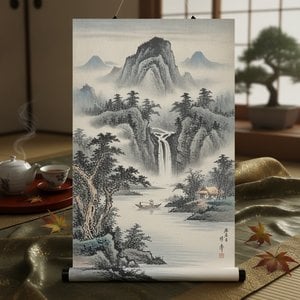
Serenity on Canvas: A Guide to the Timeless Beauty of Japanese Landscape Painting
Discover the serene beauty of Japanese landscape painting. From Hokusai's iconic woodblock prints to meditative sumi-e ink washes, explore a visual journey through the 'floating world' and learn how to bring this timeless Zen aesthetic into your modern home decor.

Japonisme: How Japanese Woodblock Prints Revolutionized Western Art
Explore the profound impact of Japonisme on Western art. Discover how Japanese ukiyo-e woodblock prints revolutionized perspective, color, and composition for masters like Monet and Van Gogh, forever changing the course of modern art history.

Katsushika Hokusais 25 Mesterverk: Japansk Kunst for Ditt Hjem | ArtsDot.no
Utforsk Katsushika Hokusais 25 mest ikoniske kunstverk! Oppdag historiene bak The Great Wave, ukiyo-e tresnitt og japansk estetikk. Finn museumskvalitets reproduksjoner & interiørinspirasjon på ArtsDot.com.