


The picture follows your choices: , .
Beskrivelse av objektet
 Vis hele teksten
Om kunstneren
Gustave Caillebotte (1848-1894): En fransk maler som fanget moderne Paris med realistisk og impresjonistisk stil – kjent for «Paris Street; Rainy Day» og unike perspektiver.
Håndlaget oljereproduksjon
Håndmalt olje på lerret i din valgte størrelse og ramme, laget på bestilling av våre kunstnere. ( Bytt til trykk Bytt til digitalt bilde)
More about this painting
 Forhåndsvisning
 Send
Send Del
Del
 Vis detaljer
 Utskriftsvennlig guide

 Last ned bilde
 Liknende objekter
 Røntgenundersøkelse
 Lysbildefremvisning
 Q&A
Q&A Statistikk
Order your painting in four simple steps
Take your time. You can change any answer; the price in your order card follows each choice.
1 Step one of four
Which size would you like?
These sizes keep the proportions of the original painting. The drawing shows your choice on a wall, above a two-metre sofa.
Or give your own measurements
Velg mellom våre forhåndsdefinerte størrelser som bevarer kunstverkets opprinnelige proporsjoner.

Skriv inn ønsket bredde og høyde for å tilpasse bildet til din ramme eller vegg. Siden dette er håndmalt, kan kunstneren male litt mer rundt motivet eller beskjære det noe dersom du velger et annet format — valget er ditt. Vi sender deg en digital mockup til godkjenning før maleriet påbegynnes. Bildet som vises på denne siden representerer ikke det faktiske resultatet — kun mockuppen viser det endelige uttrykket.
2 Step two of four
How should it be prepared: rolled, stretched or framed?
The prices below are for the size you chose in step one.
Choose the edges of the stretched canvas
Choose your frame

White Nkr1

Blurside Nkr1

Extended Nkr1

P118B Nkr10

P118H Nkr10

P118W Nkr10

P438Z Nkr10

P508JH Nkr12

P508YH Nkr12

P805H Nkr10

P805Z Nkr10

P919BZ Nkr10

P919G Nkr10

P919XJ Nkr10

P959ZH Nkr10

P968JZ Nkr12

W106C Nkr8

W218G Nkr10

W218JH Nkr8

W218Y Nkr10

W307PJ Nkr10

W316G Nkr10

W316PJ Nkr8

W316Y Nkr10

W398PJ Nkr8

W4111J Nkr10

W500HY Nkr15

W500JH Nkr15

W692G Nkr12

W849H Nkr8

W940BG Nkr15

W953PJ Nkr8

H24-GOLD Nkr30

H24-SILVER Nkr30

H36-GOLD Nkr45

H36-SILVER Nkr45
Innrammet
Moulding: . Overall size with the frame: .
3 Step three of four
Would you like anything changed in the painting?
Most people answer no. Because each painting is made by hand, our artist can also adapt it for you.
After order, ArtsDot.com team will email client for instructions and provide a mockup preview
4 Step four of four
A few finishing options
All of them are optional. The answers already selected cost nothing extra.
Who paints it?
Verdensomspennende levering () på 3–4 uker i stedet for standard 5 uker. (29 October). Ingen kompromisser med kvaliteten.
A nameplate, as in a museum?
Detaljer om gravert bronseplate
This elegant plaque features the artist's name and the title of the artwork, finely engraved for a timeless presentation.
It is made from bronze with a refined, elegant finish. The text is precisely laser-engraved for a sharp and permanent result. Measuring 9x2 cm, the plaque is compact yet easy to read. It's built to be durable and scratch-resistant, offering a professional, museum-quality look. Mounting is simple thanks to the included adhesive backing.
Detaljer om gjennomsiktig akrylplate
The plaque includes essential engraved details such as the artist's name, the title of the artwork, the date it was created, the type of media used-like oil on canvas or watercolor-a brief description of the piece, and a QR code that links to the complete artwork information.
It is crafted from clear acrylic, offering a sleek, modern appearance. The text is UV-engraved in black to ensure strong visual contrast. With a size of 10x15 cm, it ensures optimal readability. It comes equipped with two metal hooks for secure wall mounting. The plaque is designed to be weather-resistant, making it suitable for various environments, and it includes interactive features that work seamlessly with smartphone scanning.
Detaljer om plakett i svart akryl
This elegant plaque includes engraved information such as the artist's name, the title of the artwork, the date it was created, the type of media used (like oil on canvas or watercolor), a short description of the artwork, and a QR code for quick access to more information.
The plaque itself is made from refined black acrylic with a premium finish. The text is laser-engraved in white for high contrast and readability. Its size is 10x15 cm, designed to be easy to read. It comes with two metal hooks for professional mounting. The design is sleek and fits any interior style. It is also weather-resistant and durable, with built-in digital integration for mobile compatibility.
A protective varnish?
When do you need it?
✓ Check and order
Your painting, as you ordered it

Boating Party
Trykkmetode
Størrelse på reproduksjon
-

Utvalgte mesterkunstnere
Mer detaljrikdom, finesse og ekstra produksjonstid
-

Innramming av reproduksjon
-
-
For kunstverk eller reproduksjoner som er større enn 105 cm (ca. 41 tommer) på noen side, vil rammen bli sendt som et sett som må monteres. Denne metoden sikrer trygg levering og forhindrer skader under transport.
Krever profesjonell montering – dette er ikke et DIY-produkt.
Settet må monteres og lerretet strammes av en erfaren profesjonell rammelegger, ved bruk av trelim (følger ikke med), en lerretstang og klemmer for å holde rammelisten vinkelrett mens limet tørker. Feilaktig montering eller ujevn stramming av lerretet kan påføre kunstverket permanente skader og er
 For kunstverk eller reproduksjoner som er større enn 105 cm (ca. 41 tommer) på noen side, vil rammen bli sendt som et sett som må monteres. Denne metoden sikrer trygg levering og forhindrer skader under transport.
Alle massive trelister er inkludert, presist tilpasset i størrelse.
Monteres med de medfølgende skruene, samt trelim til hjørnene, som ikke er inkludert og må anskaffes av din rammehandler.
Profesjonelt verktøy er nødvendig og er ikke inkludert: en lerretstang (strammer) og klemmer for å holde rammene vinkelrette mens limet tørker.
Viktig:
Hjørnene krever trelim, listene må holdes på plass med tvinger til limet er helt tørt, og stramming av lerretet på den ferdige rammen krever en lerretstang. Ingen av disse produktene er inkludert i settet. Vennligst sørg for tilgang til en erfaren profesjonell rammehandler før du bestiller denne størrelsen.

Navneskilt
-
-

Beskyttende ferniss
Blank lakk (forsterker farger, beskytter mot lys og fuktighet)
-

Tilpass mitt kunstverk
Eksempler på hva som kan endres: Erstatt ansikt med bilde av kunden; Legg til kjæledyr (f.eks. bytt ut katt med hund); Inkluder en skjult melding i bakgrunnen; Endre bakgrunnslandskap eller elementer.
-

Ekspresslevering
Verdensomspennende levering () på 3–4 uker i stedet for standard 5 uker. (29 October). Ingen kompromisser med kvaliteten.
-
Ekspresslevering
Verdensomspennende levering til innen 5 uker. (5 November).
Inkludert frakt
Totalpris for valgte alternativer
Nkr 2528
Glassalternativet er kun tilgjengelig i størrelser under 110 cm
Included with every order
- Gratis ekspressfrakt over hele verden
- Lerretsduk av lin av høy kvalitet
- Full transportforsikring
- Garanti for refusjon av toll og importavgifter
- Garantert fargegjengivelse
- 100 dagers returrett ved fabrikasjonsfeil
- 100% pengene tilbake-garanti
- Rabatt ved flere kjøp


A Snapshot of Parisian Leisure: Gustave Caillebotte’s ‘Boating Party’
Gustave Caillebotte's “Boating Party,” completed in 1876, isn’t merely a depiction of an afternoon outing; it’s a meticulously crafted distillation of Impressionist ideals and a poignant reflection on the burgeoning modernity of late nineteenth-century Paris. Painted during a period marked by rapid industrialization and social upheaval, Caillebotte captures a moment of tranquil beauty amidst the dynamism of urban life—a deliberate contrast that speaks volumes about his artistic vision. The painting resides within the Musée d’Orsay’s collection, designated as a National Treasure of France, cementing its place in art history and ensuring its continued appreciation for generations to come.The Impressionist Technique: Capturing Fleeting Light
Caillebotte's mastery lies not just in his subject matter but also in his groundbreaking application of Impressionist technique. Abandoning the academic conventions of realism prevalent at the time, he embraced a looser brushstroke style—characterized by visible pigment particles and an emphasis on capturing the ephemeral effects of light. Unlike traditional artists who sought to render objects with painstaking detail, Caillebotte prioritized conveying atmosphere and sensation. Observe how the dappled sunlight filters through the foliage lining the riverbank, illuminating the figures within the boat and creating a shimmering haze that softens the edges of the scene. This deliberate disregard for precise representation aligns perfectly with Impressionism’s core belief: art should strive to capture the immediacy of experience rather than presenting idealized versions of reality.A Window into Parisian Society
“Boating Party” offers a fascinating glimpse into the social landscape of Paris during Caillebotte's era. The painting portrays a group of affluent Parisians enjoying leisure activities—a common pastime for the bourgeoisie—reflecting the growing importance of outdoor pursuits and socializing amongst the educated elite. The central figure, dressed in a top hat and wielding an oar with confident grace, embodies the spirit of self-assured masculinity characteristic of the time. Surrounding him are fellow gentlemen, engaged in conversation and contemplation, subtly hinting at the intellectual debates and artistic ferment shaping Parisian culture. Notably, Caillebotte’s inclusion of a dog adds an element of domesticity to the urban tableau—a detail that underscores the painting's portrayal of everyday life rather than grand historical narratives.Symbolism Beyond Surface Beauty
While aesthetically pleasing, “Boating Party” is imbued with symbolic significance. The boat itself represents stability and aspiration – a vessel carrying individuals towards a future filled with possibilities. The figures within are not simply observing the scenery; they are actively participating in it, embodying the humanist values championed by Impressionists. Furthermore, Caillebotte’s compositional choices—particularly his use of perspective—serve to heighten the sense of depth and immersion, inviting viewers into the scene as if they were present alongside the boating party. The artist's careful attention to detail contributes to a feeling of authenticity and invites contemplation on themes of leisure, social status, and the beauty found in ordinary moments.Emotional Resonance: Tranquility Amidst Change
Ultimately, “Boating Party” transcends its formal qualities to evoke a profound emotional response. Despite the backdrop of rapid societal transformation, Caillebotte manages to convey a palpable sense of serenity—a respite from the pressures of urban life and an appreciation for the simple pleasures of companionship. The painting’s luminous palette and delicate brushstrokes capture not just what is seen but also how it feels – a testament to Caillebotte's ability to translate visual experience into emotive resonance. It remains a powerful reminder that even amidst change, beauty—and moments of quiet contemplation—can endure.Spørsmål og svar
Er "Boating Party" overordnet sett mest lys eller mørk?
De registrerte verdiene for "Boating Party" av Gustave Caillebotte er: shadow lysstyrke, Soft Shadow luminans.
Hvem selger håndmalte kopier av "Boating Party" av Gustave Caillebotte?
"Boating Party" er tilgjengelig som en håndmalt oljereproduksjon på linlerret. Du kan bestille på siden Håndmalt oljereproduksjon, hvor du kan velge mellom ulike størrelser.
Hva anbefales en reproduksjon av "Boating Party" av Gustave Caillebotte til?
En reproduksjon av "Boating Party" av Gustave Caillebotte anbefales til Accent. Dette forslaget er basert på verkets motiv, stemning og fargebruk.
Lignende kunstverk


Gustave Caillebotte
1848 - 1894, Frankrike
Om kunstneren
A Parisian of the New Age: The Life and Art of Gustave Caillebotte
Gustave Caillebotte, born in Paris in 1848, was an artist uniquely positioned to witness and capture the dramatic transformations sweeping through his city. His father, Martial Caillebotte, a successful textile businessman and judge, provided Gustave with both financial stability and a privileged vantage point—allowing him to observe firsthand the burgeoning modernity of Parisian life. Initially drawn to the structured world of law, earning degrees in 1868 and 1870, Caillebotte’s true passion ignited within the realm of art. He began his formal training under Léon Bonnat, immersing himself in painting while simultaneously developing a keen fascination with photography—a relatively new medium that would profoundly shape his artistic vision and approach to composition. This early exposure to photographic principles – its framing, perspective, and ability to freeze fleeting moments – became integral to his distinctive style, influencing how he captured the dynamism of urban life. Caillebotte wasn’t simply documenting change; he was actively engaging with the aesthetic possibilities presented by this rapidly evolving world.Realism Meets Impressionist Light
Caillebotte's artistic trajectory diverged from the rigid traditions of academic painting, yet he never fully embraced the purely optical explorations championed by many of his Impressionist contemporaries. He found a kindred spirit in artists like Edgar Degas and Giuseppe de Nittis, sharing a fascination with modern life but approaching it through a lens of meticulous realism. His early masterpiece, Les Raboteurs de Parquet (The Floor Scrapers), exhibited at the 1875 Salon, immediately established his reputation as a bold and unconventional painter. The work depicts three laborers painstakingly scraping a wooden floor – a scene rarely depicted in the high art of the time – rendered with an unflinching honesty that both shocked and captivated viewers. It wasn’t merely the subject matter—the depiction of the working class—but also the composition itself: cropped, almost jarringly direct, and deliberately devoid of sentimental idealization or romantic embellishment. This commitment to portraying contemporary life without resorting to idealized representations continued in works like View of Rooftops (Snow), where he masterfully employed a high vantage point and atmospheric effects, subtly influenced by his early interest in photography and the aesthetics of Japanese prints. However, Caillebotte wasn’t immune to the allure of Impressionism; gradually, his palette lightened, and he began experimenting with broken brushstrokes and capturing the ephemeral qualities of light – particularly evident in his stunning depictions of Parisian rooftops blanketed in snow.A Patron and a Pioneer: Navigating the Art World
Beyond his own artistic pursuits, Gustave Caillebotte played an unexpectedly significant role in supporting the burgeoning Impressionist movement. His family’s considerable wealth provided him with financial independence, allowing him to become a crucial patron of many leading artists – including Monet, Renoir, Pissarro, Cézanne, Degas, and Sisley. He wasn't merely a collector; he actively championed these artists, organizing and financing several of the Impressionist exhibitions that challenged the established norms of the official Salon. This dedication to fostering innovation extended beyond his own collection, as he meticulously curated works for galleries and museums, contributing significantly to their collections. Caillebotte’s unique perspective also manifested in his compositions; works like Boulevard vu d’en haut (Boulevard Seen from Above), painted in 1880, demonstrate a strikingly modern sensibility – employing an elevated viewpoint and dynamic cropping that subtly foreshadowed the photographic perspectives of the 20th century. This innovative approach to composition, possibly influenced by Japanese prints and his own photographic experiments, set him apart as a true pioneer within the Parisian art scene.Notable Works
- Les Raboteurs de Parquet (The Floor Scrapers) (1875): A groundbreaking work showcasing Caillebotte’s realism and unconventional composition.
- View of Rooftops (Snow) (1878): Demonstrates his use of high vantage points and atmospheric effects, influenced by photography and Japanese prints.
- Boulevard vu d’en haut (Boulevard Seen from Above) (1880): A strikingly modern composition with a dynamic perspective.
- Paris Street; Rainy Day (1877): Perhaps his most famous work, capturing the bustling energy of Parisian life in a unique and evocative manner.
- The Bezique Game(1881) : A captivating Impressionist painting of Parisian leisure.
Legacy and Rediscovery: A Modern Master Reclaimed
For decades following his death in 1894, Caillebotte’s work remained largely overlooked— overshadowed by the more celebrated figures of Impressionism. It wasn't until the late 20th century that a comprehensive reassessment of his art began to take place, fueled by scholarly research and major exhibitions. This rediscovery revealed an artist of remarkable technical skill, intellectual depth, and visionary insight. Caillebotte’s paintings are not simply depictions of modern life; they are profound meditations on the complexities of urban existence, the changing social landscape, and the evolving relationship between art and reality. His ability to seamlessly blend realism with Impressionist techniques, his innovative compositions, and his unwavering commitment to portraying the world around him have secured his place as a pivotal figure in 19th-century art—a master whose unique perspective is now widely recognized and celebrated.


Relaterte artikler

Gustave Caillebotte: Bridging Realism & Modernity in Parisian Life
Explore the life & art of Gustave Caillebotte, a pivotal figure bridging Realism & Impressionism. Discover his iconic Parisian scenes and lasting legacy with ArtsDot.

Impresjonismens Mesterverk: Topp 10 Maler som Definerte en Epoke | ArtsDot
Oppdag de 10 mest ikoniske impresjonistiske maleriene! Lær historien bak Monet, Degas og Renoir. Finn inspirasjon til interiørdesign & kjøp museumskvalitets kunsttrykk på ArtsDot.com.
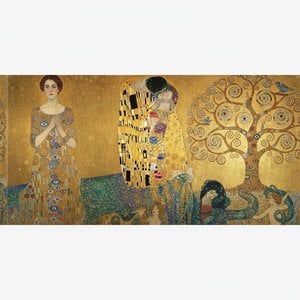
Gustav Klimts 25 Mesterverk: Kunst, Historie og Dekor for Hjemmet | ArtsDot
Utforsk Gustav Klimts 25 mest ikoniske kunstverk! Fordyp deg i Jugendstilens gullalder, symbolisme og portretter av kvinner. Finn inspirasjon til interiørdesign & kjøp eksklusive reproduksjoner på ArtsDot.com.