


 Forhåndsvisning
 Send
Send Del med andre
 Vis detaljer
 Veiledning

 Last ned bildet
 Liknende objekter
 Røntgenundersøkelse
 Lysbildefremvisning
 Statistikk
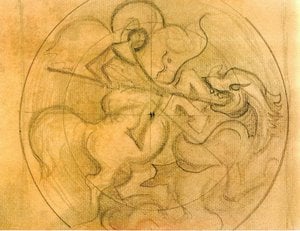
Untitled (838)
 Vis hele teksten
Giclée / Kunsttrykk
Giclée- eller lerretsprint av museumskvalitet med rask produksjon og fleksible valgmuligheter for etterbehandling. ( Kjøp håndlaget maleri Bytt til digitalt bilde)




































Velg mellom våre forhåndsdefinerte størrelser som bevarer kunstverkets opprinnelige proporsjoner.

Du kan oppgi egne mål for å tilpasse en spesifikk ramme eller et bestemt område. Dersom den valgte størrelsen ikke samsvarer med det originale bildets proporsjoner, vil vi enten beskjære kunstverket eller utvide bildet med en speilet eller ensfarget kant. En digital mockup vil bli sendt til din godkjenning før produksjonen starter.
Vennligst merk at forhåndsvisningen på skjermen ikke gjenspeiler den faktiske beskjæringen eller utvidelsen. Kun mockuppen vil vise den endelige komposisjonen nøyaktig.
Selv om tilpassede størrelser er tilgjengelige, anbefaler vi å velge et mål fra den forhåndsdefinerte listen for å bevare de originale proporsjonene.
Verdensomspennende levering () på 2 uker i stedet for standard 4/5 uker. (22 September)

Gratis ekspressfrakt over hele verden

Lerretsduk av høykvalitets lin

Full forsikring under transport

Garanti for refusjon av toll og importavgifter

Garantert korrekt fargegjengivelse

100 dagers returrett (kun ved mangler)

100% pengene tilbake-garanti

Rabatt ved flere kjøp
 Glassalternativet er kun tilgjengelig i størrelser under 110 cm

Untitled (838)
Giclée / Kunsttrykk
Størrelse på reproduksjon
-


Endelig pris
$ 62
Lignende kunstverk


Om kunstneren
Fausto Olivares: A Soul of Andalusia Painted
Fausto Olivares (1940-1995) was an Andalusian painter born in Jaén, Spain – a region that would indelibly shape his artistic vision and deeply inform the emotional core of his work. His life unfolded against the backdrop of post-war Spain, a period of both hardship and burgeoning cultural expression, profoundly influencing his journey from a young boy sketching in the streets to a recognized figure within the European neo-expressionist movement. Initially studying Fine Arts in Madrid, he quickly sought experiences beyond the confines of the capital, traveling extensively through Europe – Paris, Belgium, the Netherlands, Germany – absorbing diverse artistic influences and cultivating a keen eye for light, color, and human emotion. These early travels weren’t merely vacations; they were crucial formative years, laying the groundwork for his distinctive style. Returning to Jaén in 1966, Olivares found his roots and established himself as an educator, assuming roles of increasing responsibility at the School of Arts and Crafts (later renamed the Joseph Nogué School of Art). This commitment to nurturing young talent underscored a deep belief in the transformative power of art. However, it was in 1981 that he consciously shifted his focus entirely to his own artistic pursuits, embarking on a career marked by numerous exhibitions across Spain and Europe – a testament to the growing recognition of his unique voice. His personal life intertwined with his art; he married Françoise Gérardin, a partnership that provided both emotional support and a shared appreciation for beauty and travel. The couple raised three sons: Fausto, Jaime, and Efrén, further enriching the tapestry of his existence.A Landscape of Emotion: Style and Technique
Olivares’s paintings are immediately recognizable for their raw emotional intensity and evocative landscapes. He wasn't interested in mere representation; instead, he sought to capture the *feeling* of a place – the heat of the Andalusian sun, the melancholy of a rainy afternoon, the vibrant energy of flamenco. His technique was characterized by bold brushstrokes, often applied with thick impasto, creating a palpable sense of texture and movement. He frequently employed a palette dominated by earthy tones—ochres, siennas, burnt umbers— punctuated by flashes of intense color – fiery reds, deep blues, and vibrant yellows – mirroring the dramatic light and shadow characteristic of his native Andalusia. His figures, often solitary or engaged in everyday activities, were rendered with an almost sculptural quality, imbued with a sense of quiet dignity and vulnerability.Influences and Connections
While firmly rooted in Andalusian tradition, Olivares’s work demonstrates a subtle dialogue with various artistic currents. The influence of Spanish masters like Velázquez and Zurbarán is evident in his masterful use of light and shadow, while the expressive brushwork of German Expressionists – particularly artists like Kirchner and Heckel – can be discerned in his emotionally charged landscapes. His time in Paris exposed him to the burgeoning neo-expressionist movement, a style characterized by its rejection of academic conventions and embrace of subjective experience. He also found inspiration in flamenco culture, incorporating its rhythms, colors, and passionate spirit into his paintings. The music of Pepe el de la Matrona and Antonio Mairena, figures he encountered during his youth, undoubtedly shaped his artistic sensibilities.Major Works and Legacy
Olivares’s oeuvre encompasses a vast range of subjects – landscapes, portraits, still lifes – but it is his depictions of Andalusia that remain the most compelling. Paintings like “Jaén Landscape” and “The Olive Grove” are particularly striking for their ability to transport the viewer to the heart of the region. His later works, created during his time in France, reflect a shift towards greater abstraction while retaining his characteristic emotional intensity. In 1981 he left his teaching activity to pursue an artistic career that led him to exhibit in many cities in Spain and Europe. In 2010, on the occasion of the 70th anniversary of her husband’s birth, Françoise Gérardin published a work in French: Evocations, my husband, Fausto Olivares, painter. Fausto Olivares' Atelier-Museum is located in France and continues to showcase his remarkable body of work, ensuring that this passionate Andalusian painter’s legacy endures.Historical Significance
Fausto Olivares emerged as a significant figure within the European neo-expressionist movement during a period of profound social and political change. His willingness to embrace raw emotion and subjective experience in his art challenged traditional notions of beauty and representation, paving the way for future generations of artists. His work serves as a powerful testament to the enduring spirit of Andalusia – its landscapes, its people, and its traditions—and offers a poignant reflection on the complexities of human existence. His untimely death in 1995 left a void in the art world, but his paintings continue to resonate with viewers today, captivating them with their beauty, intensity, and profound emotional depth.
Fausto Olivares
1940 - 1995 , Spain
Kort om kunstneren
- Artistic Movement Or Style: Figurative neo-expressionism
- Artists Or Movements Influenced By This Artist: ['Alfredo Vila Monasterio']
- Artists Who Influenced This Artist:
- Dario Villalba
- Ángel Estrada
- Date Of Birth: November 1940
- Date Of Death: 1995
- Full Name: Fausto Olivares Palacios
- Nationality: Spanish
- Notable Artworks: ['Evocations, my husband, Fausto Olivares, painter']
- Place Of Birth: Jaén, Spain