


 Se i rommet
 Del som digitalt kort
 Del
Del
 Detaljer
 Studentguide

 Last ned
 Liknende objekter
 Røntgen
 Lysbildefremvisning
 Besøksstatistikk
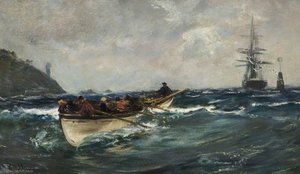
The Harbour

 Les mer
Håndlaget oljereproduksjon
Håndmalt olje på lerret i din valgte størrelse og ramme, laget på bestilling av våre kunstnere. ( Bytt til trykkversjon Gå til digitalt bilde)




































Velg mellom våre forhåndsdefinerte størrelser som bevarer kunstverkets opprinnelige proporsjoner.

Skriv inn bredden og høyden du trenger, slik at den passer til din ramme eller vegg. Dette er håndmalt, så for en størrelse med en annen form kan kunstneren male litt mer rundt bildet, eller beskjære det noe — du velger selv. Vi sender deg en digital mockup for godkjenning før maleriet påbegynnes. Bildet som vises på denne siden viser ikke det faktiske resultatet — kun mockuppen gjør det.
Etter bestilling vil ArtsDot.com-teamet sende e-post til kunden for instruksjoner og sende et utkast (mockup) som forhåndsvisning.
Verdensomspennende levering () på 3–4 uker i stedet for standard 5 uker. (23 October). Ingen kompromisser med kvaliteten.

Gratis ekspressfrakt over hele verden

Lerretsduk av høykvalitets lin

Full transportforsikring

Garanti for refusjon av toll og importavgifter

Garantert fargeekthet

100 dagers returrett ved fabrikasjonsfeil

100% pengene tilbake-garanti

Mengderabatt
 Glassalternativet er kun tilgjengelig i størrelser under 110 cm

The Harbour
Reproduksjonsmetode
Format på reproduksjon
-


Totalpris
Nkr 3687
Relaterte kunstverk




Kunstnerbiografi
Edwin Ellis's atmosfæriske visjon
Født i det industrielle hjertet av Nottingham i 1841, fremsto Edwin Ellis som en dypsindig stemme innen den britiske landskapstradisjonen, der han fanget den flyktige sjelen til det nittende århundrets landsbygd. Hans kunstneriske reise begynte ikke med penselen, men med det presise øyet til en blondegrafiker, en formativ periode som inngav ham en nitid oppmerksomhet på detaljer og strukturell nøyaktighet. Denne grunnleggende disiplinen skulle senere tjene som ryggraden for hans mer ekspansive, atmosfæriske utforskninger av naturen. Da han gikk over fra de tekniske kravene i tegning til de flytende mulighetene i akvarell og olje, utviklet Ellis en stil som bygget bro mellom den presise observasjonen i den britiske akvarellskolen og de emosjonelle, svulstige gestene i romantikken.
Ellis' utvikling som kunstner var dypt sammenvevd med hans reiser over De britiske øyer. Han besatt en unik evne til å oversette kystens røffe teksturer og de indre vannenes rolige stillhet til lerretet. Verkene hans fokuserte ofte på de dramatiske møtene mellom land og hav, særlig langs Whitby-kysten, Norfolk Broads og de vindblåste områdene i Wales og Cornwall. I disse scenene ser man ikke bare et landskap; man føler saltstøvet fra et opprørt Atlanterhav eller den tunge, fuktige stillheten en sommerettermiddag ved en elvebredd. Hans mesterskap lå i evnen til å manipulere lys og atmosfære, ved bruk av subtile fargegraderinger for å fremkalle det skiftende humøret i det engelske været.
Innflytelse og realismens ånd
Selv om Ellis' røtter var fast plantet i den engelske tradisjonen, ble hans kunstneriske visjon betydelig beriket av de kontinentale influensene fra Barbizon-skolen. Verkene til mestre som Jean-François Millet og Théodore Rousseau resonnerte dypt med hans eget ønske om å skildre naturen uten et slør av overdreven idealisering. Som Barbizon-malerne søkte Ellis en viss usminket ærlighet i sine motiver. Han fant ikke skjønnhet i mytologisk storhet, men i den stille verdigheten i det hverdagslig: fiskernes rytmiske arbeid med å dra inn garn, den ensomme skikkelsen til en bonde som pleier en åker, og de ydmyke vindmøllene som silhuetter mot en skumringshimmel.
Denne forpliktelsen til realisme gjorde det mulig for ham å skape verk som var både dypt personlige og universelt gjenkjennelige. Teknikken hans benyttet ofte et bredt, nesten impresjonistisk penselstrøk i oljemaleriene sine—som sett i de stemningsfulle verkene som Seascape—noe som sto i vakker kontrast til de delikate, transparente lagene i akvarellene hans. Denne dualiteten gjorde ham i stand til å fange både den monumentale kraften i et stormkastet hav og de intime, fredelige detaljene i en lokal dam. Gjennom denne balansen oppnådde Ellis en følelse av naturalisme som føltes levende og autentisk, og som reflekterte den viktorianske epokens voksende fascinasjon for direkte observasjon av den naturlige verden.
Arv og kunstneriske bragder
Edwin Ellis' profesjonelle bane var preget av betydelig anerkjennelse innen de prestisjetunge kunstkretsene i sin tid. Hans valg som medlem av Royal Society of British Artists i 1875 står som et testament til hans tekniske dyktighet og hans posisjon blant sine samtidige. Han var en hyppig utstiller ved Royal Academy og ulike andre fremtredende gallerier i London, noe som sikret at hans skildringer av det britiske landskapet nådde et bredt og kresent publikum. Hans evne til å navigere både i akvarellens delikate medium og oljemaleriets robuste krav, gjorde det mulig for ham å etterlate seg et mangfoldig og betydelig oeuvre.
I dag ligger betydningen av Ellis' arbeid i dets vedvarende evne til å transportere betrakteren til en svunnen tid av engelsk pastoralt liv. Hans malerier fungerer som historiske vinduer som bevarer lyset, teksturene og de stille rytmene i det nittende århundrets landskap. Følgende elementer definerer hans varige bidrag til kunsthistorien:
- Atmosfærisk mesterskap: En uovertruffen ferdighet i å gjengi nyansene av lys, tåke og maritimt vær.
- Narrativ realisme: En dedikasjon til å portrettere den ærlige, usminkede skjønnheten i landlige områder og kystliv.
- Teknisk allsidighet: Den sømløse overgangen mellom presise akvarelldetaljer og ekspressivt, impresjonistisk oljemaleri.
- Kulturell forbindelse: En bro mellom den tradisjonelle britiske landskapsskolen og de emosjonelle influensene fra europeisk realisme.
Gjennom sine omtrent 150 overlevende verk forblir Edwin Ellis en vital skikkelse for de som søker å forstå den emosjonelle dybden i den viktorianske landskapstradisjonen, og tilbyr en arv som handler like mye om å føle vinden og vannet som om å se dem.

Edwin Ellis
1841 - 1895 , Storbritannia
Kort om kunstneren
- Artistic Movement Or Style: Akvarellkunst
- Date Of Birth: 1841
- Full Name: Edwin Ellis
- Nationality: Britisk
- Notable Artworks:
- Gorleston
- Landskap med bonde
- Den innkommende stormen, Whitby
- Place Of Birth: Nottingham, Storbritannia
Relaterte artikler
Samuel Walters: Capturing Victorian Maritime Life with Precision & Artistry
Explore the exquisite maritime paintings of Samuel Walters (1811-1882). Discover his mastery of detail, historical scenes & influence on Victorian art. Learn about collecting his works and find high-quality reproductions at ArtsDot.

1800-tallets Mesterverk: 10 Kunstverk som Definerer Epoken – ArtsDot.no
Opplev 1800-tallets kunst gjennom 10 ikoniske mesterverk! Fra romantikk til impresjonisme – lær om Munch, Van Gogh og Monet. Finn museumskvalitets reproduksjoner & interiørinspirasjon på ArtsDot.com. Utforsk samlingen online!
Bring the Ocean Home: Captivating Maritime Paintings to Transform Your Space with Timeless Elegance
Transform your home with breathtaking maritime oil paintings. From serene seascapes to dramatic nautical scenes, discover hand-painted reproductions that bring the ocean's soul to your space. Expertly crafted for collectors seeking timeless elegance and coastal tranquility.
Evoking the Horizon: A Historical & Artistic Exploration of Coastal Scenes in Painting
Explore the rich history of coastal scenes in painting! Discover Impressionist masterpieces, American realism & contemporary visions. Learn about renowned artists and find your perfect seascape at ArtsDot.

Navigating the Depths of Representation: A Historical Exploration of Marine Painting
Explore the rich history of marine painting with ArtsDot. Discover Dutch Masters, Romantic seascapes & renowned artists like Wyllie and Harris. Expert guidance for collectors & custom reproductions.