


 Se i rommet
 Del som digitalt kort
 Del
Del
 Detaljer
 Studentguide

 Last ned
 Liknende objekter
 Røntgen
 Lysbildefremvisning
 Besøksstatistikk
Painter's Studio
 Oil On Canvas
- WallArt
 1638
1638- Early Modern
 59.0 x 95.0 cm
 Louvre
 Les mer
Håndlaget oljereproduksjon
Håndmalt olje på lerret i din valgte størrelse og ramme, laget på bestilling av våre kunstnere. ( Bytt til trykkversjon Gå til digitalt bilde)




P118B Nkr10

P118H Nkr10

P118W Nkr10

P438Z Nkr10

P508JH Nkr12

P508YH Nkr12

P805H Nkr10

P805Z Nkr10

P919BZ Nkr10

P919G Nkr10

P919XJ Nkr10

P959ZH Nkr10

P968JZ Nkr12

W106C Nkr8

W218G Nkr10

W218JH Nkr8

W218Y Nkr10

W307PJ Nkr10

W316G Nkr10

W316PJ Nkr8

W316Y Nkr10

W398PJ Nkr8

W4111J Nkr10

W500HY Nkr15

W500JH Nkr15

W692G Nkr12

W849H Nkr8

W940BG Nkr15

W953PJ Nkr8




Velg mellom våre forhåndsdefinerte størrelser som bevarer kunstverkets opprinnelige proporsjoner.

Skriv inn bredden og høyden du trenger, slik at den passer til din ramme eller vegg. Dette er håndmalt, så for en størrelse med en annen form kan kunstneren male litt mer rundt bildet, eller beskjære det noe — du velger selv. Vi sender deg en digital mockup for godkjenning før maleriet påbegynnes. Bildet som vises på denne siden viser ikke det faktiske resultatet — kun mockuppen gjør det.
Etter bestilling vil ArtsDot.com-teamet sende e-post til kunden for instruksjoner og sende et utkast (mockup) som forhåndsvisning.
Verdensomspennende levering () på 3–4 uker i stedet for standard 5 uker. (26 October). Ingen kompromisser med kvaliteten.

Gratis ekspressfrakt over hele verden

Lerretsduk av høykvalitets lin

Full transportforsikring

Garanti for refusjon av toll og importavgifter

Garantert fargeekthet

100 dagers returrett ved fabrikasjonsfeil

100% pengene tilbake-garanti

Mengderabatt
 Glassalternativet er kun tilgjengelig i størrelser under 110 cm

Painter's Studio
Reproduksjonsmetode
Format på reproduksjon
-


Totalpris
Nkr 2500
Composition and Symbolism
The painting depicts a lively scene from the artist's studio, with three figures engaged in different activities. The room is filled with various objects that provide insight into the daily life of an artist at that time. The presence of paintings on the walls, an easel, and art supplies suggests that this is indeed an artist's studio. The Painter's Studio is a testament to Ryckaert's skillful use of light and shadow, as well as his ability to convey a sense of warmth and intimacy. Key elements in the painting include the figures' postures and facial expressions, which reveal their engagement with their respective activities. The woman writing at the desk, for example, is completely absorbed in her work, while the man reading a book appears relaxed and contemplative. These details add depth and nuance to the scene, making it feel more dynamic and alive.Artistic Context
Ryckaert's Painter's Studio can be seen in the context of other works from the same period, such as those by Rembrandt Van Rijn and Jean Auguste Dominique Ingres. These artists, like Ryckaert, were known for their mastery of light and shadow, as well as their ability to capture the essence of their subjects. For more information on these artists and their works, visit https://ArtsDot.com or explore the Musée du Louvre's collection.The Painter's Studio by David The Younger Ryckaert is a captivating work that offers a unique glimpse into the life of an artist in the 17th century. With its rich composition, symbolism, and artistic context, this painting is a must-see for art enthusiasts and historians alike. Visit https://ArtsDot.com to explore more artworks like Painter's Studio and discover the beauty of handmade oil painting reproductions.
Spørsmål og svar
Hvordan harmonerer fargene i "Painter's Studio" med hverandre?
Fargene i "Painter's Studio" av David The Younger Ryckaert viser en Strong Color Unity harmoni. Harmoni beskriver hvordan fargene forholder seg til hverandre.
Finnes det en lysbildefremvisning for "Painter's Studio" av David The Younger Ryckaert?
"Painter's Studio" av David The Younger Ryckaert kan vises som et lysbildefremvisning på verkets Lysbildefremvisning-side.
Er David The Younger Ryckaert, skaperen av "Painter's Studio", kjent under andre navn?
David The Younger Ryckaert er også kjent som David Rijckaert Iii, David Rijckaert The Younger.
Relaterte kunstverk


Kunstnerbiografi
David the Younger Ryckaert: A Flemish Master of Everyday Life
David the Younger Ryckaert (1560-1607) stands as a pivotal figure in 16th-century Flemish painting, renowned for his captivating depictions of village life and biblical narratives. Born in Antwerp, he emerged from a family steeped in artistic tradition – his father, David Rijckaert II, was himself a respected painter, and his uncle, Marten Ryckaert, further cemented the family’s legacy within the art world. Unlike some of his contemporaries who focused solely on grand historical or religious scenes, Ryckaert skillfully captured the nuances of daily existence, imbuing his works with a remarkable sense of realism and human connection.
Ryckaert's artistic journey began under the tutelage of his father, absorbing the foundational techniques and stylistic sensibilities that characterized the Rijckaert family’s oeuvre. However, he quickly developed a distinctive voice, marked by an acute observation of detail and a subtle yet powerful ability to convey emotion. His early works often showcased landscapes and genre scenes – depictions of everyday activities like market days, tavern gatherings, and domestic interiors—reflecting the burgeoning interest in portraying secular subjects alongside religious ones during this period.
The Influence of Antwerp’s Artistic Landscape
Antwerp at the time was a vibrant hub of artistic activity, attracting talent from across Europe. The city's rich trading history and cosmopolitan atmosphere fostered an environment where diverse artistic styles converged. Ryckaert undoubtedly benefited from this dynamic exchange, absorbing influences from masters like Jan van Eyck and Peter Paul Rubens, while simultaneously forging his own unique approach. Rubens himself played a significant role in the artist’s career, commissioning him to contribute to the elaborate decorations for the Joyous Entry of Cardinal-Infante Ferdinand into Antwerp in 1635 – a monumental event that showcased the city's artistic prowess.
The influence of the Guild of Saint Luke, where Ryckaert was eventually elected dean, further shaped his artistic development. The guild’s rigorous standards and emphasis on craftsmanship instilled in him a dedication to technical skill and a deep understanding of artistic conventions. His membership within the guild also provided access to a network of fellow artists, fostering collaboration and intellectual exchange.
A Palette of Domesticity: Themes and Techniques
Ryckaert’s paintings are characterized by their intimate scale and focus on seemingly unremarkable subjects. He frequently depicted village interiors—scenes of peasants engaged in daily tasks, families sharing meals, or children playing – offering a glimpse into the lives of ordinary people. These scenes were not merely illustrations; they were imbued with a sense of warmth, humor, and genuine human connection. His ability to capture the subtle expressions on his subjects’ faces and the details of their clothing demonstrated a remarkable sensitivity to human psychology.
Technically, Ryckaert employed the meticulous detail characteristic of Flemish painting, utilizing oil paints to achieve rich colors, luminous effects, and intricate textures. He skillfully rendered light and shadow, creating a sense of depth and realism that drew viewers into his scenes. His use of perspective was particularly noteworthy, contributing to the illusionistic quality of his paintings.
Notable Works and Lasting Legacy
Among Ryckaert’s most celebrated works is “Peasant with a Dog,” a poignant depiction of rural life that captures the simplicity and dignity of peasant existence. “In the Village” offers another compelling example of his ability to portray everyday scenes with remarkable detail and emotional resonance. His "Painter's Studio" provides insight into the world of an artist, showcasing tools and materials alongside a partially completed work.
Despite his considerable talent and success, Ryckaert’s career was tragically cut short by illness in 1607. However, his legacy endures through his captivating paintings, which continue to be admired for their realism, emotional depth, and insightful portrayal of human life. David Ryckaert III, a contemporary of the younger brother, continued the family tradition, further solidifying the Ryckaert name as a prominent force in Flemish art. His work serves as a testament to the enduring appeal of depicting the ordinary moments that shape our lives.

David The Younger Ryckaert
1560 - 1607 , Belgium
Kort om kunstneren
- Full Name: David Ryckaert III
- Nationality: Flemish
- Date Of Birth: 1560
- Date Of Death: 1607
- Place Of Birth: Antwerp, Belgium
- Notable Artworks:
- Peasant with a Dog
- In the Village
- Painter's Studio
- The Alchemist and his wife
- Artistic Movement Or Style: Flemish Baroque
- Artists Who Influenced This Artist:
- David Rijckaert II
- Rubens
- Artists Or Movements Influenced By This Artist: ['Teniers the Younger']
Relaterte artikler

Topp 10 Maler Dominert av Sopptoner: Kunsthistorie og Interiørinspirasjon
Utforsk 10 ikoniske malerier dominert av vakre sopptoner! Oppdag kunsthistorien bak Monet, Van Gogh og andre mestere. Finn inspirasjon til interiørdesign & kjøp reproduksjoner av høy kvalitet på ArtsDot.com.

Topp 10 Maler Dominert av Sandtoner: Kunsthistorie for Ditt Hjem
Utforsk topp 10 malerier dominert av sandtoner! Oppdag historien bak ikoniske kunstverk fra impresjonisme til renessanse. Finn inspirasjon for interiørdesign og kjøp museumskvalitets reproduksjoner på ArtsDot.com – din kilde til tidløs kunst.

De 10 mest ikoniske malerier dominert av jordfarger – Kunst for hjemmet | ArtsDot.no
Utforsk de 10 mest ikoniske maleriene dominert av jordfarger! Oppdag Rembrandts mesterverk, Monet’s impresjonisme og Van Goghs stil. Finn kunst til hjemmet & museumskvalitets reproduksjoner på ArtsDot.no – inspirasjon og tidløs skjønnhet.
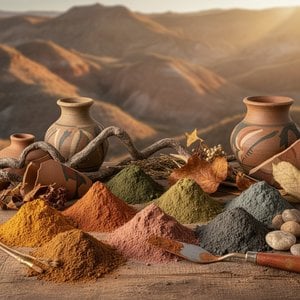
Earthen Hues: Exploring the Psychological & Artistic Significance of Earth Tones
Explore the captivating world of earth tones! Discover their historical significance, psychological impact & artistic techniques. Find inspiration for your home decor and museum-quality reproductions at ArtsDot.

The Resonance of Earthly Tones: Exploring Nuance, History & Emotional Impact in Art
Explore the captivating world of earth tones in art! Discover historical context, emotional resonance & artistic techniques behind these timeless colors. Find inspiration for your home decor and museum-quality reproductions.