


 Se i rommet
 Del som digitalt kort
 Del
Del
 Detaljer
 Studentguide

 Last ned
 Liknende objekter
 Røntgen
 Lysbildefremvisning
 Besøksstatistikk
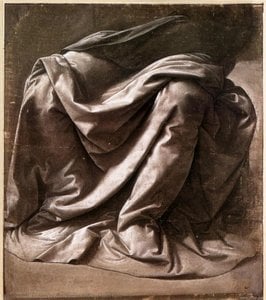
Flower Study
 1944
1944 70.0 x 57.0 cm
 Les mer
Kjøp et høyoppløselig, forbedret digitalt bilde med langt høyere kvalitet enn forhåndsvisningen på nettet.
Hver fil er omhyggelig klargjort av våre egne spesialister ved hjelp av avanserte verktøy og profesjonell manuell retusjering. Vi sørger for at hvert bilde har eksepsjonell klarhet, presis fargegjengivelse og fine detaljer.
Den endelige filen leveres via e-post innen 72 timer, optimalisert for umiddelbar bruk i profesjonelle, redaksjonelle og trykte miljøer. Dette er den samme kvaliteten som benyttes av ledende designstudioer, utgivere og gallerier.
Digitalt bilde
Last ned en høyoppløselig fil til personlig bruk, utskrift og kreative prosjekter. ( Bytt til trykkversjon Bestill håndmalt reproduksjon)
Inkludert i alle bestillinger av digitale bilder
Profesjonell digital levering, garantert
Når du velger ArtsDot.com, får du ikke bare et bilde – du mottar et profesjonelt etterbehandlet digitalt kunstverk, skapt med presisjon og med en garantert tilfredshetsgaranti. Her er alt som automatisk følger med din bestilling:

Rask levering på e-post
Din høyoppløselige digitale bildefil sendes til din e-post innen 72 timer etter bestilling – klar til umiddelbar bruk.

KI-forbedret digital fil
Ditt kunstverk blir profesjonelt optimalisert ved hjelp av avanserte AI-verktøy og manuell redigering, noe som sikrer maksimal detaljrikdom, klarhet og fargegjengivelse.

Gratis livslang nybestilling
Har du ved et uhell slettet eller mistet filen din? Ingen bekymring – vi sender den på nytt når som helst, helt gratis.

Ingen importavgifter – noen gang
Nyt ditt kunstverk umiddelbart uten toll, avgifter eller leveringskostnader – digitale nedlastinger er alltid avgiftsfrie.

Garantert fargenøyaktighet
Vi sikrer at det digitale bildet gjenspeiler de originale fargene så nøyaktig som mulig ved hjelp av profesjonelle verktøy og fargehåndtering.

100 dagers tilfredshetsgaranti
Hvis du ikke er fornøyd med ditt digitale bilde, vil vi revidere det eller refundere 100% innen 100 dager – uten spørsmål.

100% Penggaranti
Ikke fornøyd? Få full refusjon innen 100 dager etter at du har mottatt din digitale fil – uten spørsmål.

Rabatt ved storkjøp
Kjøp 3 bilder, spar 10% - Kjøp 5, spar 15% - Kjøp 10+, spar 20%. Ideelt for kreative prosjekter, gallerier og byråer.
Artist Background
Arthur Segal was a Romanian artist and author, born on July 23, 1875, in Iaşi, Romania. He studied at the Berlin Academy from 1892 and later in Paris and Italy in the early 1900s. After studying in Paris and Italy, he eventually moved to Berlin, where he became a prominent figure in the city's artistic scene. More information about Arthur Segal can be found on ArtsDot.com.Painting Style and Technique
The Flower Study painting showcases Arthur Segal's unique style and technique, characterized by the use of bold colors and delicate brushstrokes. The arrangement of the flowers in the vase creates a sense of movement and energy, drawing the viewer's eye to the center of the composition. This painting is a prime example of still life artwork, which was a popular genre during the 20th century.Similar Paintings
Other notable paintings that showcase similar styles and techniques include:- The Green Jug by Horace Copson, available on ArtsDot.com
- Abramtsevo. Wattle by Igor Emmanuilovich Grabar, available on ArtsDot.com
- March in Herefordshire by Trevor Makinson, available on ArtsDot.com
The Flower Study painting by Arthur Segal is a stunning example of 20th-century art, showcasing the artist's unique style and technique. With its bold colors and delicate brushstrokes, this painting is sure to captivate any art enthusiast. For more information about Arthur Segal and his artwork, visit ArtsDot.com.
Spørsmål og svar
Hvem er kunstneren bak "Flower Study"?
"Flower Study" tilskrives Arthur Segal.
Fremstår fargene i "Flower Study" som sterke eller duse?
Fargeintensiteten til "Flower Study" er Monochromatic. Intensitet beskriver hvor sterke fargene fremstår.
Hvor gammel var Arthur Segal da "Flower Study" ble skapt i 1944?
Da "Flower Study" ble skapt i 1944, var Arthur Segal – født i 1875 – 69 år gammel.
Relaterte kunstverk



Kunstnerbiografi
Arthur Segal: A Pioneer of Expression and Dada’s Shadow
Arthur Segal (1875 – 1944) stands as a compelling figure in the turbulent landscape of early 20th-century European art, a Romanian artist whose career unfolded across multiple continents and artistic movements. Born into a Jewish family in Iaşi, Romania, his journey was shaped by both personal tragedy—the loss of his wife—and profound political upheaval, culminating in exile during World War II. Initially influenced by the Impressionist and Neo-Impressionist aesthetics of his early training at the Berlin Academy, Segal’s artistic trajectory dramatically shifted towards Expressionism and Dadaism, forging a uniquely personal style characterized by raw emotion, fragmented forms, and a critical engagement with the modern world. His work wasn't merely decorative; it was a visceral response to the anxieties and uncertainties of an era on the brink of profound change.Early Years and Artistic Foundations
Segal’s formative years were spent in Romania, absorbing the artistic traditions of the region while simultaneously encountering the burgeoning avant-garde currents emanating from Berlin. His studies at the Academy of Art in Berlin provided a solid grounding in classical techniques, but it was his exposure to the works of artists like Schmid-Reutte and Hölzel that ignited his interest in exploring new modes of representation. A subsequent period in Paris and Italy allowed him to immerse himself in the vibrant artistic scene of the time, encountering the innovations of Post-Impressionism and early Modernism. Crucially, these experiences laid the groundwork for his later embrace of Expressionist principles, a shift that would fundamentally alter the course of his artistic development. The influence of German Expressionism is particularly evident in his woodcuts, many of which tackled themes of war and social injustice with a stark and uncompromising realism.Berlin’s Expressionist Circle and the Rise of Neue Sezession
The early 1900s marked a pivotal period for Segal as he established himself within Berlin's dynamic artistic community. He quickly became associated with two of the most influential groups of the era: Die Brucke (The Bridge) and Der Blaue Reiter (The Blue Rider). These circles, centered around artists like Wassily Kandinsky and Franz Marc, championed a radical departure from traditional academic art, prioritizing emotional expression and subjective experience. Segal’s participation in their exhibitions signaled his commitment to these ideals and solidified his position within the avant-garde. However, he soon sought to establish his own platform for artistic experimentation, co-founding the Neue Sezession (New Section) in 1910. This group, deliberately provocative, challenged the established norms of the Berliner Secession, advocating for a more diverse and experimental approach to artmaking. The rejection by the Berliner Secession underscored the growing tensions between traditional and avant-garde artistic sensibilities.Exile, Dadaism, and the Swiss Years
The outbreak of World War I forced Segal into exile, leading him and his family to Ascona, Switzerland, in 1914. This period proved transformative, exposing him to the radical ideas of Dadaism – a movement that questioned the very foundations of art and society through irony, absurdity, and anti-rationality. He became involved with the Zurich Dadaists, collaborating with figures like Hans Arp, Hugo Ball, and Leonhard Frank at the Cabaret Voltaire, a hub for experimental performance and artistic innovation. The Swiss experience provided a crucial space for Segal to develop his own unique visual language, characterized by fragmented forms, distorted perspectives, and a deliberate rejection of traditional beauty standards. It was during this time that he began to explore the possibilities of woodcut as a medium for expressing social commentary and political dissent.Return to Berlin, Bauhaus Rejection, and Final Years
Following the war, Segal returned to Berlin in 1920, establishing his own art school and continuing to engage with the city’s vibrant artistic scene. He was offered a teaching position at the Bauhaus in Dessau, a revolutionary institution dedicated to integrating art, craft, and technology, but he declined the opportunity, perhaps wary of the institution's increasingly rigid structure. The rise of Nazism ultimately forced him into exile again, this time to Palma, Majorca, and then London, where he continued to teach and exhibit his work until his death in 1944. Despite facing significant obstacles due to his Jewish heritage, Segal’s artistic legacy endures as a testament to the power of individual expression and the enduring relevance of his pioneering approach to modern art. His work remains a vital link between Expressionism, Dadaism, and the broader currents of 20th-century art history, offering a poignant reflection on the anxieties and uncertainties of a rapidly changing world.
Arthur Segal
1875 - 1944
Kort om kunstneren
- Full Name: Arthur Segal
- Nationality: Romanian
- Date Of Birth: 1875
- Date Of Death: 1944
- Place Of Birth: Iaşi, Romania
- Notable Artworks: ['Woodcuts (anti-war)']
- Artistic Movement Or Style:
- Expressionism
- Dadaism
- Artists Who Influenced This Artist:
- Schmid-Reutte
- Hölzel
- Artists Or Movements Influenced By This Artist:
- Die Brucke
- Der Blaue Reiter