


 Se i rommet
 Del som digitalt kort
 Del
Del
 Detaljer
 Studentguide

 Last ned
 Liknende objekter
 Røntgen
 Lysbildefremvisning
 Besøksstatistikk
Self Portrait
 Oil On Panel
- WallArt
- Baroque
 Early Modern
 74.0 x 56.0 cm
 Walker Art Gallery
 Les mer
Giclée / Kunsttrykk
Giclée- eller lerretsprint av museumskvalitet med rask produksjon og fleksible valgmuligheter for etterbehandling. ( Bestill håndmalt reproduksjon Gå til digitalt bilde)




P118B Nkr10

P118H Nkr10

P118W Nkr10

P438Z Nkr10

P508JH Nkr12

P508YH Nkr12

P805H Nkr10

P805Z Nkr10

P919BZ Nkr10

P919G Nkr10

P919XJ Nkr10

P959ZH Nkr10

P968JZ Nkr12

W106C Nkr8

W218G Nkr10

W218JH Nkr8

W218Y Nkr10

W307PJ Nkr10

W316G Nkr10

W316PJ Nkr8

W316Y Nkr10

W398PJ Nkr8

W4111J Nkr10

W500HY Nkr15

W500JH Nkr15

W692G Nkr12

W849H Nkr8

W940BG Nkr15

W953PJ Nkr8




Velg mellom våre forhåndsdefinerte størrelser som bevarer kunstverkets opprinnelige proporsjoner.

Du kan oppgi egne mål for å tilpasse en spesifikk ramme eller et bestemt område. Dersom den valgte størrelsen ikke samsvarer med det originale bildets proporsjoner, vil vi enten beskjære kunstverket eller utvide bildet med en speilet eller ensfarget kant. En digital mockup vil bli sendt til din godkjenning før produksjonen starter.
Vennligst merk at forhåndsvisningen på skjermen ikke gjenspeiler den faktiske beskjæringen eller utvidelsen. Kun mockuppen vil vise den endelige komposisjonen nøyaktig.
Selv om tilpassede størrelser er tilgjengelige, anbefaler vi å velge et mål fra den forhåndsdefinerte listen for å bevare de originale proporsjonene.
Verdensomspennende levering () på 2 uker i stedet for standard 4/5 uker. (14 October)

Gratis ekspressfrakt over hele verden

Lerretsduk av høykvalitets lin

Full transportforsikring

Garanti for refusjon av toll og importavgifter

Garantert fargeekthet

100 dagers returrett ved fabrikasjonsfeil

100% pengene tilbake-garanti

Mengderabatt
 Glassalternativet er kun tilgjengelig i størrelser under 110 cm

Self Portrait
Giclée / Kunsttrykk
Format på reproduksjon
-


Totalpris
Nkr 578
A Window Into the Soul: Anton Raphael Mengs’ “Self-Portrait”
Anton Raphael Mengs' "Self-Portrait," painted in 1774, isn’t merely a likeness; it’s a carefully constructed meditation on artistic identity and the burdens of genius. This arresting image, currently housed within the Scottish National Gallery of Modern Art, offers a rare glimpse into the mind of a pivotal figure bridging the Baroque and Neoclassical eras – a man grappling with his legacy while simultaneously striving to define its future. The painting immediately commands attention through its dramatic chiaroscuro lighting, a technique borrowed directly from the masters of Rembrandt and Caravaggio, casting the artist in a pool of deep shadow that accentuates the planes of his face and clothing. This masterful use of light isn’t simply aesthetic; it serves to isolate Mengs, drawing our focus entirely onto his gaze – an intense, almost challenging stare that speaks volumes about self-awareness and perhaps even a touch of melancholy.
The composition itself is a testament to the influence of classical ideals. Mengs employs a pyramidal structure, placing his head at the apex, mirroring the compositional strategies found in ancient Roman portraiture. This deliberate arrangement directs our eye upwards, establishing him as the central figure and reinforcing the notion of intellectual authority. The partially visible painting in the background – a depiction of a classical figure – isn’t merely decorative; it's a symbolic reference to Mengs’ own artistic pursuits and his deep reverence for antiquity. It speaks to the cyclical nature of art history, suggesting that he is both a product of the past and a pioneer shaping its future.
The Baroque Echoes & Neoclassical Roots
Mengs' style represents a fascinating confluence of influences. While undeniably rooted in the dramatic intensity of the Baroque – evidenced by the rich textures of his paint, the carefully rendered musculature of his face, and the overall sense of theatricality – he also demonstrates a clear embrace of the emerging Neoclassical aesthetic. The meticulous attention to detail, the precise lines defining his garments, and the restrained palette all point towards a desire for clarity, order, and intellectual rigor, hallmarks of the Neoclassical movement. This tension between tradition and innovation is palpable throughout the painting, reflecting Mengs’ own position as a transitional figure in art history.
The choice of materials further underscores this duality. The use of oil paint allows for layering and subtle gradations of tone, creating a sense of depth and realism that was characteristic of Baroque painting. However, Mengs employs the medium with a greater degree of control and precision than many of his predecessors, reflecting the Neoclassical emphasis on restraint and clarity. The dark brown coat and reddish-brown scarf, combined with the rolled parchment in his hand – a clear reference to his profession as an artist or scholar – ground the portrait in a tangible reality while simultaneously hinting at the intellectual pursuits that defined his life.
Symbolism & The Artist’s Inner World
Beyond its formal elements, “Self-Portrait” is rich with symbolic meaning. The direct gaze of Mengs invites us to contemplate his self-perception and his relationship to the world. Some art historians interpret the intensity of his stare as a reflection of the pressures he faced as a prominent artist in 18th-century Europe – a time when artistic success was often intertwined with political patronage and social expectations. The inclusion of the unfinished painting in the background could be seen as a metaphor for the ongoing process of creation, suggesting that Mengs’ own life and work were perpetually in flux.
The presence of his hand holding the rolled parchment is particularly significant. It symbolizes not only his profession but also his intellectual curiosity and his desire to share his knowledge with others. It's a subtle gesture of invitation – an offering of insight from one artist to another, or perhaps a quiet assertion of his own artistic authority. The painting ultimately serves as a poignant reminder of the complexities inherent in the life of an artist – a life dedicated to both creative expression and intellectual engagement.
A Timeless Masterpiece for Collectors & Designers
“Self-Portrait” by Anton Raphael Mengs is more than just a beautiful artwork; it’s a window into the soul of a brilliant artist. Its dramatic lighting, classical composition, and rich symbolism continue to resonate with viewers today. Reproductions of this captivating piece offer an exceptional opportunity to bring its timeless elegance and intellectual depth into any interior space. Whether you are a seasoned art collector or simply seeking a statement piece for your home, Mengs’ “Self-Portrait” is sure to be a treasured addition to your collection – a testament to the enduring power of art to illuminate the human condition.
Spørsmål og svar
Hvor harmoniske er fargene i "Self Portrait" av Anton Raphael Mengs?
Fargeharmonien i "Self Portrait" er beskrevet som Softly Mixed Palette.
Hvilken stemning og følelse forenes i "Self Portrait"?
I "Self Portrait" ledsages en Dramatic stemning av en Melancholic følelse.
Hvor kan jeg finne en guide til "Self Portrait"?
En Veiledning-side er tilgjengelig for "Self Portrait" av Anton Raphael Mengs: et utskrivbart faktablad om kunstverket, designet for studenter og bruk i klasserommet.
Er "Self Portrait" tilgjengelig som et kunsttrykk?
Et trykk av "Self Portrait" av Anton Raphael Mengs kan bestilles direkte på denne siden: et kunsttrykk på bomullslerret eller arkivbestandig lerretspapir.
Hvor kan jeg kjøpe et digitalt bilde av "Self Portrait" av Anton Raphael Mengs?
Et digitalt bilde av "Self Portrait" av Anton Raphael Mengs kan kjøpes på denne siden: nedlasting av et digitalt bilde i høy oppløsning.
Hvilken farge dominerer komposisjonen i "Self Portrait" av Anton Raphael Mengs?
Den dominerende fargen i "Self Portrait" av Anton Raphael Mengs er Rosy Brown (#c2b4a3).
Hva handler "Self Portrait" om?
Temaene i "Self Portrait" av Anton Raphael Mengs inkluderer portrait, baroque art, self-reflection, chiaroscuro, renaissance, artist portrait, dramatic lighting, classical theme. Sammen oppsummerer de verkets motiv.
Er "Self Portrait" av Anton Raphael Mengs et lyst eller mørkt kunstverk?
Den oppfattede lysstyrken til "Self Portrait" av Anton Raphael Mengs er deep_shadow. Den kan tilpasses lysforholdene i det tiltenkte rommet.
Relaterte kunstverk


Kunstnerbiografi
En bro mellom verdener: Livet og kunsten til Anton Raphael Mengs
Anton Raphael Mengs trådte frem i en fascinerende periode i europeisk kunsthistorie, en tid da rokokkoens overdådige detaljer begynte å vike for en fornyet verdsettelse av klassiske idealer. Han ble født i 1728 i Ústí nad Labme i Böhmen – en region som i dag er en del av Tsjekkia – og hans kunstneriske reise ble dypt preget av både hans slekt og opplysningstidens intellektuelle strømninger. Hans far, Ismael Mengs, en dansk maler som fant beskyttelse ved hoffet i Dresden, gjenkjente tidlig den unge Antons eksepsjonelle talent. Denne anerkjennelsen førte til en avgjørende vending i 1741: en flytting til Roma, hvor den spirende kunstneren ble fordypet i studiet av antikke mesterverk og verkene til renessansemestere som Rafael. Det var denne eksponeringen som uutslettelig skulle prege hans estetiske sans og innprente i ham en dyp ærbødighet for klassisk form, klarhet og komposisjon – kvaliteter som skulle bli selve kjennetegnet på hans modne stil. De tidlige årene var viet til nitid kopiering, ikke bare som en teknisk øvelse, men som en dyp kunstnerisk pilegrimsferd for å absorbere essensen av Rafaels geni.Fra Dresden til Madrid: En karriere på tvers av hoffene
Mengs' karriere utspilte seg ved flere fremtredende europeiske hoff, og hvert av dem satte sitt unike avtrykk på hans kunstneriske utvikling. I 1749 sikret han seg en prestisjefylt stilling som hoffmaler for Fredrik August, kurfyrste av Sachsen, en rolle som ga både økonomisk stabilitet og friheten til å opprettholde et base i Roma – selve episenteret for hans kunstneriske inspirasjon. Det var imidlertid hans fresker som virkelig etablerte hans rykte. Parnassus i Villa Albani i Roma, fullført rundt 1761, ble en umiddelbar sensasjon og ble hyllet for sin harmoniske komposisjon, elegante figurer og en subtil, men kraftfull fremmaning av klassisk mytologi. Dette verket var ikke bare en dekorativ utsmykning; det var et budskap – et bevisst forsøk på å syntetisere barokkens storhet med de fremvoksende nyklassisistiske prinsippene. Flere oppdrag fulgte, inkludert den praktfulle fresken som prydet kuppelen i Sant'Eusebio-kirken i Roma, som viste hans mestring av monumental dekorasjon og romlig illusjon. Kanskje hans mest ambisiøse prosjekt kom med en invitasjon fra det spanske hoffet i 1761. Han reiste til Madrid, hvor han fikk i oppgave å dekorere flere kongelige palasser, noe som kulminerte i det storslående taket i festsalen i Det kongelige palasset – et verk som regnes blant hans fremste bragder, og som demonstrerer en bemerkelsesverdig evne til å forene italiensk eleganse med spanske sanseligheter.Forbindelsen til Winckelmann: Formingen av nyklassisistisk tenkning
Mengs' kunstneriske evolusjon ble ikke bare drevet av visuelle studier; den var dypt sammenvevd med intellektuell diskurs. Et avgjørende vendepunkt kom gjennom hans nære vennskap og samarbeid med Johann Joachim Winckelmann, den banebrytende kunsthistorikeren hvis skrifter skulle bli grunnleggende for nyklassisismen. Winckelmann kjempet for en retur til den oppfattede renheten og enkelheten i antikkens greske kunst, og argumenterte for en estetikk basert på fornuft, orden og idealiserte former. Mengs illustrerte ikke bare Winckelmanns teorier; han var aktivt involvert i å forme dem ved å oversette abstrakte konsepter til håndfaste kunstneriske uttrykk. Sammen trodde de at sann skjønnhet ikke lå i overfladisk ornamentikk, men i de underliggende prinsippene om harmoni og proporsjon som finnes i antikken. Dette partnerskapet strakte seg utover teoretiske diskusjoner; det manifesterte seg i selve Mengs' malerier, som i økende grad reflekterte Winckelmanns vektlegging av edel enkelhet og behersket emosjon. Påvirkningen var gjensidig: Winckelmanns skrifter ga et filosofisk rammeverk for Mengs' kunstneriske virke, mens Mengs' kunst fungerte som det visuelle beviset på nyklassisismens levedyktighet og skjønnhet.Arv og innflytelse: En pioner i sin tid
Anton Raphael Mengs døde i Roma i 1779 og etterlot seg en arv som strakte seg langt utover hans imponerende produksjon. Han var mer enn bare en maler; han var en nøkkelfigur i overgangen fra én kunstnerisk epoke til en annen. Selv om han var forankret i barokktradisjonen – synlig i hans dramatiske bruk av lys og skygge og hans mestring av illusjonistiske teknikker – omfavnet Mengs modig de fremvoksende prinsippene i nyklassisismen, og beredte vei for kunstnere som Jacques-Louis David og Antonio Canova. Hans vektlegging av klassiske idealer, kombinert med hans tekniske virtuositet, etablerte ham som en ledende kraft i utformingen av 1700-tallets kunst. Skolen i Athen, malt for hertugen av Northumberland, står som et testament til hans evne til å forene historiske forbilder med samtidige kunstneriske sanseligheter. Utover sine malerier og fresker strakte Mengs' innflytelse seg også til utdanning; han fungerte som direktør for Vatikanets malerskole, hvor han fostret en ny generasjon kunstnere dypt preget av klassiske prinsipper. Han var en kompleks skikkelse – en from katolik som også engasjerte seg i opplysningstidens tenkning, en kunstner som balanserte tradisjon med innovasjon. Hans liv og virke representerer et fascinerende skjæringspunkt mellom kunstnerisk ferdighet, intellektuell nysgjerrighet og historiske omstendigheter, noe som sementerer hans plass som en sann pioner innen nyklassisistisk kunst. Hans betydning gir gjenklang selv i dag, og minner oss om de klassiske idealenes vedvarende kraft til å inspirere og transformere kunstnerisk uttrykk.
Anton Raphael Mengs
1728 - 1779 , Tsjekkia
Kort om kunstneren
- Artistic Movement Or Style: Neoklassisisme
- Artists Or Movements Influenced By This Artist:
- Jacques-Louis David
- Antonio Canova
- Artists Who Influenced This Artist:
- Rafael
- Correggio
- Johann Joachim Winckelmann
- Date Of Birth: 22. mars 1728
- Date Of Death: 29. juni 1779
- Full Name: Anton Raphael Mengs
- Nationality: Tysk
- Notable Artworks:
- Parnassus
- Sant' Eusebio
- The Dream of Joseph
- Place Of Birth: Ústí nad Labem, Tsjekkia
Relaterte artikler

Raphaels 25 Mesterverk: Kunsthistorie og Inspirasjon for Ditt Hjem | ArtsDot.no
Oppdag 25 ikoniske mesterverk av Raphael! Fordyp deg i renessansekunstens skjønnhet, fra Madonnaserien til Vatikanets fresker. Finn inspirasjon og museumskvalitets reproduksjoner for ditt hjem på ArtsDot.com.

Barokkens Mesterverk: Topp 10 Kunstverk som Definerte en Epoke | ArtsDot.no
Opplev barokkens prakt! Utforsk Rembrandts, Caravaggios og Rubenses mest ikoniske verk. Lær om historien bak disse mesterverkene og finn inspirasjon til din interiørdekor på ArtsDot.com. Museums kvalitet kunsttrykk.

The Dramatic Flourish: Exploring the Baroque Movement's Enduring Legacy in Art History
Explore the dramatic world of Baroque art! Discover iconic artists like Caravaggio & Rubens, defining techniques, and its lasting impact on art history. Expert insights for collectors & enthusiasts at ArtsDot.
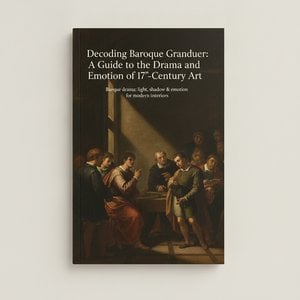
Decoding Baroque Grandeur: A Guide to the Drama and Emotion of 17th-Century Art
Explore the breathtaking drama of 17th-century Baroque art. Our expert guide decodes the use of chiaroscuro, emotional intensity, and historical grandeur to help you appreciate and curate timeless masterpieces for your collection.

The Visceral Stage: Exploring Dramatic Narratives & Emotional Intensity in Baroque Art
Explore the dramatic world of Baroque art! Discover iconic masters like Caravaggio & Rembrandt, their techniques, and the movement's lasting impact. Expert insights for collectors & enthusiasts at ArtsDot.


