

 Voorvertoning
 Verstuur
 Delen
Delen
 Details bekijken
 Gids
Gids

 Download
 Vergelijkbare items
 Röntgenonderzoek
 Diavoorstelling
 Vraag & antwoord
 Statistieken
Sebastian

- 195.0 x 75.0 cm


 Lees meer
Giclée / Kunstafdrukken
Giclée- of canvasafdruk van museumkwaliteit met een snelle productie en flexibele afwerkingsmogelijkheden. ( Bestel handgeschilderde reproductie Schakel over naar digitale afbeeldingen)




P118B €10

P118H €10

P118W €10

P438Z €10

P508JH €12

P508YH €12

P805H €10

P805Z €10

P919BZ €10

P919G €10

P919XJ €10

P959ZH €10

P968JZ €12

W106C €8

W218G €10

W218JH €8

W218Y €10

W307PJ €10

W316G €10

W316PJ €8

W316Y €10

W398PJ €8

W4111J €10

W500HY €15

W500JH €15

W692G €12

W849H €8

W940BG €15

W953PJ €8




Kies uit onze vooraf ingestelde maten die overeenkomen met de originele verhoudingen van het kunstwerk.

Voer de gewenste breedte en hoogte in, passend bij uw lijst of muur. Een afdruk kan alleen worden ingekort en nooit groter worden gemaakt dan het origineel; een formaat met andere verhoudingen zal daarom een deel van de afbeelding verliezen. Wij sturen u een digitaal mockup ter goedkeuring voordat we tot drukwerk overgaan. De afbeelding op deze pagina toont niet de werkelijke uitsnede — dit is alleen te zien op het mockup.
Wereldwijde levering () binnen 2 weken in plaats van de standaard 4/5 weken. (5 november)

Gratis wereldwijde expressverzending

Hoogwaardig linnen canvas

Volledige verzendverzekering

Garantie op terugbetaling van invoerrechten

Garantie op exacte kleurweergave

Retourbeleid van 100 dagen (alleen bij defecten)

100% Geld-terug-garantie

Korting bij meerdere afnames
 De optie voor glas is alleen beschikbaar bij een formaat kleiner dan 110 cm.

Sebastian
Giclée / Kunstafdrukken
Afmetingen reproductie
-


Eindtotaal
€ 56
A Vision of Renaissance Devotion
In the heart of the Florentine Renaissance, where the light of humanism began to illuminate the shadows of the Middle Ages, Sandro Botticelli crafted a masterpiece that transcends the boundaries of mere religious iconography. His St. Sebastian, completed around 1473, is not simply a depiction of a martyr’s suffering, but a profound meditation on the harmony between physical grace and spiritual fortitude. Standing as a monumental testament to the era's fascination with classical antiquity, the painting presents a figure that is simultaneously vulnerable and indomitable. As one gazes upon this work, there is an immediate sense of being transported to a time when every line and shadow was imbued with deep, theological meaning, making it an extraordinary centerpiece for any collection dedicated to the timeless beauty of the Italian masters.
The composition is a masterclass in narrative complexity and visual depth. Botticelli places Sebastian at the center of a poignant drama, his muscular physique rendered with the idealized proportions of ancient Greek sculpture. Positioned before a mirror, Sebastian’s reflection creates a captivating visual dialogue, inviting the viewer to contemplate the duality of the human condition—the physical body and the eternal soul. Surrounding this central figure is a celestial assembly of saints, including Saint Rochus, Saint Jerome, and Saint Eustache. These figures do not merely occupy the space; they breathe life into the scene through their expressions of piety and sorrowful devotion. The interplay between the main subject’s confident stance—hands firmly on hips—and the mourning presence of the surrounding saints creates a tension that is both emotionally arresting and intellectually stimulating.
The Mastery of Line and Light
Technically, the work showcases the very essence of Botticelli’s inimitable style. Moving away from the harsh realism that would define later eras, Botticelli employs a delicate, rhythmic line to define the contours of the human form. His use of sfumato—a soft, smoky blending of tones—allows for a gentle transition between light and shadow, lending the skin of St. Sebastian a luminous, almost ethereal quality. This meticulous attention to detail ensures that every muscle and sinew contributes to the overall sense of classical grace. For the discerning collector or interior designer, this painting offers more than just visual appeal; it provides a sophisticated texture that complements grand, classical interiors, bringing a sense of historical weight and refined elegance to a room.
Beyond its aesthetic brilliance, the painting serves as a window into the socio-religious anxieties of 15th-century Florence. The martyrdom of Sebastian, a victim of imperial persecution, resonated deeply with a society navigating the complexities of faith and political upheaval. By blending Christian narrative with the burgeoning humanist interest in anatomy and classical aesthetics, Botticelli created a work that is both a prayer and a celebration of human potential. To possess a high-quality reproduction of this masterpiece is to invite a piece of history into one's home—a piece that continues to inspire awe through its seamless marriage of spiritual depth and unparalleled artistic skill.
Veelgestelde vragen
Wat is de dominante kleur van "Sebastian" door Sandro Botticelli?
De dominante kleur van "Sebastian" door Sandro Botticelli is Phthalo Green (#2a1111).
Wat is de dominante kleur van "Sebastian"?
De dominante kleur van "Sebastian" door Sandro Botticelli is Amber to Saffron. Deze kleur vormt de onderliggende toon van het palet.
Welk palet en welke hoofdkleur bepalen "Sebastian"?
"Sebastian" wordt gekenmerkt door een Earthy palet met Phthalo Green (#2a1111) als dominante kleur.
Vergelijkbare kunstwerken


Biografie kunstenaar
Early Life and Florentine Beginnings
Sandro Botticelli, geboren Alessandro di Mariano di Vanni Filipepi rond 1445 in Florence, Italië, kwam op tijdens een periode van buitengewone culturele fermentatie – de vroege Renaissance. Zijn leven was diep geworteld in de artistieke en sociale stof van de stad; hij dwaalde nooit ver af van zijn wijk Ognissanti, een getuigenis van zowel familiale banden als het levendige creatieve ecosysteem dat hem voedde. Zijn vader, Mariano Filipepi, begon als goudsmid en later als leerlooier, bood een vroege blootstelling aan vakmanschap en nauwkeurigheid – kwaliteiten die Botticelli’s artistieke benadering diepgaand zouden beïnvloeden. Hoewel aanvankelijke rapporten suggereerden dat hij goudsmid was, vond hij al snel zijn roeping onder de begeleiding van Fra Filippo Lippi, een toonaangevende schilder van het tijdvak. Deze leerlingenperiode bleek cruciaal, waardoor hij werd ondergedompeld in de technieken en esthetiek van de Florentijnse school, terwijl hij ook verbinding maakte met invloedrijke patrons zoals de Medici-familie.A Style Defined by Grace and Myth
Botticelli’s artistieke stijl is onmiddellijk herkenbaar door zijn lyrische schoonheid, gekenmerkt door elegante lineariteit, vloeiende contouren en een delicate kleurgebruik. Hij beheerstte het overbruggen van de kloof tussen de late Gotische tradities en de opkomende Renaissance-esthetiek, waarbij hij invloeden opnam van meesters zoals Fra Angelico en Paolo Uccello, maar toch een unieke persoonlijke visie creëerde. Zijn figuren bezitten een etherische kwaliteit, vaak afgebeeld met verlengde proporties en gracieuze poses die zowel sereniteit als een subtiele melancholie uitdrukken. Een kenmerkend element van zijn werk is de frequente integratie van klassieke mythologie – een weerspiegeling van de humanistische interesses die door Florence’s Renaissance heen woedden. Hij illustreerde deze oude verhalen niet alleen; hij verlegde er nieuwe lagen betekenis aan, waarbij thema's als liefde, schoonheid en spirituele verlangens werden onderzocht. Botticelli’s techniek was innovatief voor zijn tijd. Hij gebruikte vaak een zilverpotlood-tekening onder de verf van zijn doeken, wat bijdroeg aan de luminositeit en delicate details die te zien zijn in zijn afgewerkte werken. Zijn gebruik van temperagewijze verf stelde hem in staat tot nauwkeurige weergave en levendige kleuren, terwijl zijn latere experimenten met olieverf zijn expressieve mogelijkheden uitbreidden.Iconic Masterpieces and Artistic Development
Botticelli’s nalatenschap rust op een aantal iconische schilderijen die het publiek eeuwen later nog steeds betoveren. *De Geboorte van Venus*, voltooid rond 1486, staat als misschien zijn meest beroemde werk – een allegorisch beeld dat de godin afbeeldt die uit een schelpkom ontstaat, en de Renaissance-idealen van schoonheid en harmonie vertegenwoordigt. Zijn elegante compositie, delicate kleurpalet en evocatieve symboliek hebben het tot een blijvende symbool van de tijd gemaakt. Even beroemd is *Primavera*, gecreëerd rond 1482, een complex en raadselachtig schilderij dat lente en liefde viert, bevolkt met symbolische figuren uit klassieke mythologie. Deze werken tonen Botticelli’s meesterschap in compositie, zijn vermogen om atmosferische diepte te creëren en zijn diepe begrip van menselijke emoties. Zijn vroege jaren 70 zagen hem focussen op religieuze onderwerpen, waarbij hij zijn technische vaardigheden verfijnde en een reputatie opbouwde voor bekwame uitvoering. De jaren 80 markeerden het hoogtepunt van zijn creatieve kracht, met de creatie van zijn meest beroemde mythologische schilderijen. Het laatste kwart eeuw toonde echter een verschuiving in zijn stijl, beïnvloed door de gepassioneerde prediking van Girolamo Savonarola – een Dominicanse priester die wat hij zag als de decadentie en morele corruptie van Florence veroordeelde. Dit periode resulteerde in meer sober en emotioneel geladen werken, die een groeiende spirituele intensiteit weerspiegelden.Major Works
- De Geboorte van Venus (c. 1486): Een iconisch schilderij dat de Renaissance-idealen van schoonheid vertegenwoordigt.
- Primavera (c. 1482): Een complex allegorisch schilderij dat lente en liefde viert.
- Adoration of the Magi (1475-1476): Demonstreert vroege meesterschap in compositie en perspectief.
- Mystic Nativity (1501): Weerspiegelt een verschuiving naar spirituele thema’s in zijn latere carrière.

Sandro Botticelli
1445 - 1510 , Italië
Belangrijkste feiten
- Artistic Movement Or Style: Vroege Renaissance
- Artists Or Movements Influenced By This Artist: ['Pre-Raphaelieten']
- Artists Who Influenced This Artist:
- Lippi
- Uccello
- Date Of Birth: c. 1445
- Date Of Death: 1510
- Full Name: Alessandro di Mariano Filipepi
- Nationality: Italiaans
- Notable Artworks:
- Venus Ontstaan
- Primavera
- Wijzen Aanbidding
- Place Of Birth: Florence, Italië
Gerelateerde artikelen

Sandro Botticelli's Top 25 Meesterwerken: Kunst voor uw Interieur | ArtsDot.nl
Ontdek de 25 mooiste meesterwerken van Sandro Botticelli! Duik in de Renaissance, bewonder 'De Geboorte van Venus' & 'Primavera'. Museumkwaliteit reproducties voor uw interieur. Bekijk de collectie op ArtsDot.com.

The Enduring Form: Exploring Themes & Techniques in Sculpture Across Historical Periods
Explore the rich history of sculpture from ancient masterpieces to contemporary innovations. Discover key techniques, influential artists & investment potential for discerning art collectors.

Top 10 Bronzen Beeldhouwwerken die de Kunst Voorgoed Veranderden | ArtsDot
Ontdek de 10 meest legendarische bronzen beeldhouwwerken die kunstgeschiedenis schreven! Van Rodin tot Michelangelo, leer over hun meesterwerken & technieken. Vind museumkwaliteit reproducties en inspiratie voor uw interieur op ArtsDot.com.

Top 10 Legendarische Bronzen Meesterwerken die de Kunst Veranderden | ArtsDot
Ontdek de 10 meest legendarische bronzen meesterwerken die de kunstgeschiedenis veranderden! Van Rodin tot Michelangelo, leer over techniek & betekenis. Museumkwaliteit reproducties voor uw interieur op ArtsDot.com. Exploreer de collectie online!
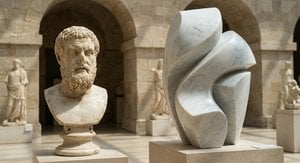
The Enduring Allure of Marble in Art History: From Classical Sculpture to Modern Abstraction
Explore the captivating history of marble sculpture from ancient Greece to modern art. Discover renowned artists like Canova & Michelangelo, carving techniques, and investment insights at ArtsDot.


