


 Voorvertoning
 Verstuur
 Delen
Delen
 Details bekijken

 Download
 Vergelijkbare items
 Röntgenonderzoek
 Diavoorstelling
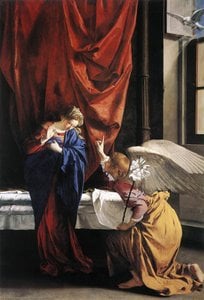
Madonna
 Oil On Canvas
- WallArt
- Baroque
 Early Modern
 131.0 x 91.0 cm
 Galleria Nazionale d’Arte Antica
 Lees meer
Handgemaakte olieverfreproductie
Met de hand geschilderd in olieverf op canvas in uw gewenste maat en lijst, op bestelling gemaakt door onze kunstenaars. ( Bestel print Koop afbeelding)




P118B $10

P118H $10

P118W $10

P438Z $10

P508JH $12

P508YH $12

P805H $10

P805Z $10

P919BZ $10

P919G $10

P919XJ $10

P959ZH $10

P968JZ $12

W106C $8

W218G $10

W218JH $8

W218Y $10

W307PJ $10

W316G $10

W316PJ $8

W316Y $10

W398PJ $8

W4111J $10

W500HY $15

W500JH $15

W692G $12

W849H $8

W940BG $15

W953PJ $8




Kies uit onze vooraf ingestelde maten die overeenkomen met de originele verhoudingen van het kunstwerk.

U kunt uw eigen afmetingen invoeren om in een specifieke lijst of ruimte te passen. Als de door u gekozen maat niet overeenkomt met de verhoudingen van het originele beeld, zullen we het kunstwerk bijsnijden of het schilderij uitbreiden met extra handgeschilderde elementen. Een digitale mockup wordt ter goedkeuring naar u verzonden voordat de productie begint.
Houd er rekening mee dat de preview op het scherm niet de werkelijke uitsnede of uitbreiding weergeeft. Alleen de mockup toont de uiteindelijke compositie nauwkeurig.
Hoewel aangepaste afmetingen mogelijk zijn, raden we aan een maat uit de vooraf gedefinieerde lijst te selecteren om de originele verhoudingen te behouden.
Na de bestelling zal het team van ArtsDot.com per e-mail contact opnemen met de klant voor instructies en een mockup-voorbeeld sturen.
Wereldwijde levering () binnen 3 tot 4 weken in plaats van de standaard 5 weken. (28 augustus). Zonder concessies aan de kwaliteit.

Gratis wereldwijde expressverzending

Hoogwaardig linnen canvas

Volledige verzendverzekering

Garantie op terugbetaling van invoerrechten

Garantie op exacte kleurweergave

Retourbeleid van 60 dagen (alleen bij defecten)

100% Geld-terug-garantie

Korting bij meerdere afnames
 De optie voor glas is alleen beschikbaar bij een formaat kleiner dan 110 cm.

Madonna
Druktechniek
Afmetingen reproductie
-


Eindtotaal
$ 263
A Divine Encounter in Shadow and Light
In the quietude of Orazio Gentileschi’s Madonna, we find ourselves standing at the threshold of a transformative era in art history. This masterpiece, painted around 1604, serves as a breathtaking bridge between the elegant, often artificial complexities of Mannerism and the raw, visceral drama of the Baroque. The composition centers on the Virgin Mary, whose presence is both profoundly human and ethereally divine. Clad in a somber brown robe trimmed with delicate white, her face radiates a serene, contemplative grace. As she gazes downward, her eyes hold a depth of maternal tenderness that transcends the canvas, inviting the viewer into a moment of silent prayer. Beside her, the Christ Child, swathed in a vibrant yellow garment, looks outward toward us, creating an immediate and piercing emotional connection that bridges the gap between the sacred subject and the earthly observer.
The technical brilliance of this work lies in Gentileschi’s masterful command of chiaroscuro, a technique heavily influenced by his contemporary, Caravaggio. By plunging the background into a deep, impenetrable darkness, the artist forces our focus onto the luminous skin and rich textures of the central figures. This stark contrast does more than create depth; it sculptively carves the Madonna from the shadows, lending her a physical weight and presence that feels startlingly real. The light does not merely illuminate; it caresses the folds of the fabric and the soft contours of the infant's cheek, imbuing the scene with a sense of living breath. For the discerning collector or interior designer, this interplay of light and shadow offers a sophisticated focal point that can anchor a room with both gravity and elegance.
Symbolism and the Soul of the Baroque
Beyond its visual splendor, the Madonna is rich with the symbolic language of the early 17th century. The choice of colors—the earthy browns of the Virgin’s attire contrasted against the celestial yellow of the Child—speaks to the intersection of the terrestrial and the divine. The Madonna represents the stability of faith and the nurturing strength of the Church, while the radiant child symbolizes the light of hope entering a dark world. Every brushstroke is an exercise in humanist sensibility, where the divine is not depicted as a distant, untouchable entity, but as something intimately connected to the human experience through emotion, touch, and gaze.
To possess a reproduction of this work is to bring a piece of the Italian Renaissance's twilight and the Baroque's dawn into one's personal space. It is an invitation to contemplate the eternal themes of motherhood, devotion, and the beauty found in stillness. Whether placed in a curated gallery setting or as a soulful addition to a classically styled study, this painting offers more than mere decoration; it provides a window into a period of unparalleled artistic courage, where masters like Gentileschi dared to find the extraordinary within the shadows of the ordinary.
Vergelijkbare kunstwerken




Biografie van de kunstenaar
A Tuscan Dawn: The Life and Art of Orazio Gentileschi
Born in 1563 amidst the rolling hills of Tuscany, Orazio Gentileschi embarked on a journey that would see him become a pivotal figure in the transition from Mannerism to Baroque painting. Initially known as Orazio Lomi, he gravitated towards Rome, then the epicenter of artistic innovation, where he honed his skills within the workshops of Cola dell’Amata and absorbed the architectural sensibilities of Francesco da Sangallo. These early influences instilled in him a meticulous attention to form and composition, characteristics that would remain hallmarks of his style even as it dramatically evolved. Gentileschi’s initial work often involved contributing figures to larger decorative schemes conceived by other artists – a formative experience that taught him collaboration and adaptability, yet also hinted at a burgeoning ambition for independent expression. He began his career assisting in the creation of elaborate frescoes and altarpieces, learning the fundamentals of perspective, color theory, and composition under the tutelage of established masters. This period served as a crucial apprenticeship, providing him with invaluable experience in executing complex scenes and understanding the demands of various patrons.Embracing the Shadow: Caravaggio's Influence and Artistic Development
The turn of the 17th century marked a turning point in Gentileschi’s artistic trajectory. The revolutionary naturalism of Caravaggio burst onto the Roman art scene, challenging established conventions with its dramatic use of light and shadow – *tenebrism* – and unflinching realism. Gentileschi was profoundly affected by this seismic shift, adopting elements of Caravaggio's style into his own work. However, he wasn’t merely an imitator; rather, he filtered Caravaggio’s innovations through his existing artistic sensibilities. While retaining the dramatic intensity, Gentileschi softened the harshness of Caravaggio’s *tenebrism*, introducing a lighter palette and a more refined approach to detail. This resulted in paintings that possessed both emotional power and elegant grace – a unique synthesis that distinguished him from his contemporaries. Biblical scenes and mythological narratives became frequent subjects, allowing Gentileschi to explore themes of faith, heroism, and human vulnerability with compelling visual storytelling. He skillfully employed Caravaggio’s techniques while maintaining a distinctly personal style, characterized by a sense of movement and dynamism rarely seen in the work of other artists influenced by the master.A Courtly Wanderer: From Paris to London
Gentileschi’s artistic reputation extended beyond Italy's borders. His talent attracted the patronage of powerful figures, leading him on a peripatetic journey through Europe. He spent time at the court of Marie de' Medici in Paris, where his refined style resonated with the Queen’s taste for elegance and sophistication. This period saw a further evolution in his work, characterized by increasingly elaborate compositions and a heightened sense of decorum. He became known for his ability to capture the nuances of aristocratic life, depicting portraits that were both flattering and revealing. However, it was his invitation to England in 1626 that would define the final chapter of his career. Appointed court painter to Charles I, Gentileschi became one of the first major exponents of Caravaggism in Britain, significantly influencing the development of English Baroque painting. He undertook ambitious projects, including a series of ceiling paintings for Greenwich Palace (now Marlborough House), showcasing his mastery of large-scale decorative schemes and solidifying his position as a leading artist of his time. His work in England reflected the prevailing tastes of the court, blending classical influences with dramatic realism.Key Works and Artistic Style
Gentileschi’s oeuvre encompasses a diverse range of subjects, reflecting both his artistic versatility and the varied demands of his patrons. Among his most celebrated works are “Danae,” a powerful depiction of mythological excess; "The Annunciation," showcasing his mastery of composition and color; and “The Virgin Mary,” demonstrating his ability to convey profound emotion through subtle gestures and expressions. His style is characterized by a masterful command of *chiaroscuro*, creating dramatic contrasts between light and shadow that heighten the emotional impact of his scenes. He employed a lighter palette than many of his contemporaries, favoring warm earth tones and vibrant reds and blues. Gentileschi’s figures are often depicted in dynamic poses, conveying a sense of movement and vitality. His compositions are meticulously balanced, reflecting a deep understanding of perspective and spatial relationships. Major Works: “Danae”, "The Annunciation", "The Virgin Mary". Key Influences: Mannerism, Caravaggio. Artistic Style: Baroque, Dramatic compositions, Bright colors.Legacy and Lasting Impact
Orazio Gentileschi’s contributions to the world of art are multifaceted. He bridged the gap between Mannerism and Baroque, absorbing the innovations of Caravaggio while forging his own distinctive style. His use of vibrant colors, dramatic compositions, and refined technique influenced a generation of artists across Europe. He was instrumental in introducing Caravaggism to England, leaving an indelible mark on the artistic landscape there. But perhaps his most enduring legacy lies in his daughter, Artemisia Gentileschi. Trained in her father’s studio, she emerged as one of the most celebrated female painters of the Baroque era, carrying forward the family's artistic tradition and achieving renown in her own right. Today, Gentileschi’s works are held in prestigious museums and galleries worldwide – from the Uffizi Gallery in Florence to the Accademia Gallery in Venice – testaments to his enduring brilliance and lasting impact on the history of art. His paintings continue to captivate viewers with their emotional depth, technical virtuosity, and timeless beauty.
Orazio Gentileschi
1563 - 1639 , Italië
Belangrijkste feiten
- Artistic Movement Or Style: Barok, Caravaggisme
- Artists Or Movements Influenced By This Artist:
- Artemisia Gentileschi
- Barok kunst
- Artists Who Influenced This Artist:
- Caravaggio
- Francesco da Sangallo
- Date Of Birth: 1563
- Date Of Death: 1639
- Full Name: Orazio Gentileschi
- Nationality: Italiaans
- Notable Artworks:
- Danae
- De Aankondiging
- Het Maria Altar
- Place Of Birth: Tuscany, Italië
Gerelateerde artikelen

Top 10 Barok Meesterwerken: Kunstgeschiedenis voor uw Interieur | ArtsDot.nl
Ontdek de 10 meest iconische Barok meesterwerken van Caravaggio, Rembrandt & Rubens! Duik in de geschiedenis en passie achter deze klassieke schilderijen. Vind museumkwaliteit reproducties voor uw interieur op ArtsDot.com.

Barokke Pracht: Kunst die Grootsheid in Huis Brengt
Ontdek de barokke pracht! Leer over de geschiedenis, kenmerken en toepassingen van deze weelderige kunststijl in uw interieur. Laat u inspireren door meesters en breng grootsheid in huis.

Simon Vouet: A Baroque Master's Journey from Italian Influence to French Classicism
Explore the life & art of Simon Vouet, a pivotal French Baroque painter who introduced Italian styles to France. Discover his masterpieces and lasting influence on 17th-century art.

The Dramatic Flourish: Exploring the Baroque Movement's Enduring Legacy in Art History
Explore the dramatic world of Baroque art! Discover iconic artists like Caravaggio & Rubens, defining techniques, and its lasting impact on art history. Expert insights for collectors & enthusiasts at ArtsDot.

The Visceral Stage: Exploring Dramatic Narratives & Emotional Intensity in Baroque Art
Explore the dramatic world of Baroque art! Discover iconic masters like Caravaggio & Rembrandt, their techniques, and the movement's lasting impact. Expert insights for collectors & enthusiasts at ArtsDot.

