

 Voorvertoning
 Verstuur
 Delen
Delen
 Details bekijken
 Gids
Gids

 Download
 Vergelijkbare items
 Röntgenonderzoek
 Diavoorstelling
 Vraag & antwoord
 Statistieken
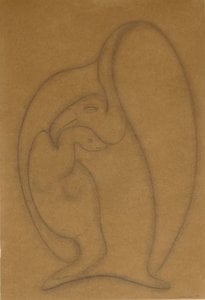
Oiseau


 Lees meer
De kunstwerken die op deze pagina worden weergegeven, zijn beschermd door de auteursrechtwetgeving, wat betekent dat het ons wettelijk niet is toegestaan om identieke reproducties te maken of te verkopen. Deze bescherming wordt gehandhaafd onder internationale overeenkomsten zoals de Conventie van Bern en door nationale wetgeving, waaronder de bepalingen van de Amerikaanse auteurswet - Titel 17. Alle rechten voorbehouden. Reproduceren of distribueren van afbeeldingen is niet toegestaan zonder uitdrukkelijke schriftelijke toestemming van WahooArt.com en de rechthebbenden.
Deze methode voldoet volledig aan de auteursrechtwetgeving, omdat het niet gaat om het kopiëren of dupliceren van het beschermde kunstwerk. In plaats daarvan is er sprake van een creatieve herinterpretatie — een nieuw schilderij dat door het origineel wordt geïnspireerd, maar er niet identiek aan is.
Giclée / Kunstafdrukken
Giclée- of canvasafdruk van museumkwaliteit met een snelle productie en flexibele afwerkingsmogelijkheden. ( Bestel handgeschilderde reproductie Schakel over naar digitale afbeeldingen)




P118B €10

P118H €10

P118W €10

P438Z €10

P508JH €12

P508YH €12

P805H €10

P805Z €10

P919BZ €10

P919G €10

P919XJ €10

P959ZH €10

P968JZ €12

W106C €8

W218G €10

W218JH €8

W218Y €10

W307PJ €10

W316G €10

W316PJ €8

W316Y €10

W398PJ €8

W4111J €10

W500HY €15

W500JH €15

W692G €12

W849H €8

W940BG €15

W953PJ €8




Kies uit onze vooraf ingestelde maten die overeenkomen met de originele verhoudingen van het kunstwerk.

Voer de gewenste breedte en hoogte in, passend bij uw lijst of muur. Een afdruk kan alleen worden ingekort en nooit groter worden gemaakt dan het origineel; een formaat met andere verhoudingen zal daarom een deel van de afbeelding verliezen. Wij sturen u een digitaal mockup ter goedkeuring voordat we tot drukwerk overgaan. De afbeelding op deze pagina toont niet de werkelijke uitsnede — dit is alleen te zien op het mockup.
Wereldwijde levering () binnen 2 weken in plaats van de standaard 4/5 weken. (17 november)

Gratis wereldwijde expressverzending

Hoogwaardig linnen canvas

Volledige verzendverzekering

Garantie op terugbetaling van invoerrechten

Garantie op exacte kleurweergave

Retourbeleid van 100 dagen (alleen bij defecten)

100% Geld-terug-garantie

Korting bij meerdere afnames
 De optie voor glas is alleen beschikbaar bij een formaat kleiner dan 110 cm.

Oiseau
Giclée / Kunstafdrukken
Afmetingen reproductie
-


Eindtotaal
€ 56
The Enigmatic Bird: A Study in Surrealist Symbolism by Max Ernst
Max Ernst’s “Oiseau (Bird)” – often referred to as “L'Oiseau Mère” or "The Mother Bird" – is not merely a depiction of avian form; it’s an immersion into the subconscious, a distilled fragment of the artist’s intensely personal and profoundly unsettling vision. Painted in 1951, during a period of considerable artistic evolution for Ernst, this work exemplifies his masterful manipulation of technique—particularly his innovative use of *grattage* – to create textures that vibrate with hidden meaning. The painting immediately draws the eye with its stark contrast: a pale beige, almost parchment-like background punctuated by the assertive red outline of the bird itself. This deliberate simplicity belies a complex layering of symbolism and psychological exploration.
Ernst’s approach to composition is strikingly unconventional. The bird, rendered in bold, uneven lines, occupies a central position within the frame, yet its incompleteness—the gaping “hole” where its belly should be—is profoundly unsettling. This deliberate absence isn't simply a technical oversight; it speaks volumes about themes of vulnerability, loss, and perhaps even the fragmented nature of selfhood – ideas that were central to Ernst’s broader artistic concerns during this period. The bird’s head, a simplified circle with a single blue eye, possesses an almost childlike quality, further amplifying its sense of innocence juxtaposed against the unsettling void within its form.
The Alchemy of Technique: Grattage and Texture
To fully appreciate “Oiseau,” one must understand Ernst’s groundbreaking technique of *grattage*. Developed in 1925, this method involved applying paint to a canvas and then vigorously scraping it away with a palette knife or other tool. This process created a textured surface—a map of the underlying materials—that was then layered with subsequent paint applications. In “Oiseau,” the *grattage* technique is particularly evident in the mottled background, which resembles aged paper or fabric – a deliberate choice that evokes a sense of history and decay. The rough edges of the bird’s outline further contribute to this tactile effect, inviting the viewer to engage with the painting on a sensory level.
The use of red as the dominant color is also significant. Red, in Ernst's work, often represents passion, danger, and even death – potent symbols that resonate throughout his oeuvre. Here, it serves to highlight the bird’s vulnerability and its precarious existence within the stark landscape. The limited palette—primarily beige, red, and blue—reinforces this sense of austerity and emotional restraint.
Roots in Surrealism and Beyond
“Oiseau” firmly situates itself within the broader context of Surrealist art, a movement that sought to unlock the creative potential of the unconscious mind. Ernst was a key figure in the development of Surrealism, alongside artists like Salvador Dalí and René Magritte. His work frequently explored themes of dreams, mythology, and psychological trauma – subjects often considered taboo during the early 20th century. The bird itself is laden with symbolic weight; birds have long been associated with freedom, spirituality, and transformation in art and literature.
Interestingly, Ernst’s fascination with birds extended beyond mere aesthetic interest. He developed an alter ego, “Loplop, the Bird Superior,” a recurring figure in his writings and artwork, embodying qualities of wisdom, cunning, and even danger. This personal mythology informs our understanding of "Oiseau," suggesting that the bird is not simply a representation of nature but also a projection of Ernst’s own complex psyche.
A Timeless Resonance: Interpretation and Legacy
“Oiseau” remains a powerfully evocative work, inviting multiple interpretations. It can be seen as a meditation on loss and incompleteness, a poignant reflection on the fragility of life, or even a symbolic representation of the artist’s own struggles with identity and self-doubt. Regardless of one's interpretation, the painting’s enduring appeal lies in its ability to tap into fundamental human emotions—a sense of vulnerability, longing, and perhaps even a touch of melancholy. It stands as a testament to Ernst’s genius – his capacity to transform simple materials into profound expressions of the inner world.
Veelgestelde vragen
Wat stelt "Oiseau" door Max Ernst voor, en welke stemming straalt het uit?
"Oiseau" toont stylized bird, symbolic imagery, minimalist design, geometric shapes, abstract form, vulnerable figure, vintage aesthetic en de vastgelegde stemming is Calm.
Waar komen de bezoekers van "Oiseau" door Max Ernst vandaan?
De Statistieken-pagina van "Oiseau" door Max Ernst toont statistieken over de publieksbezoeken: het aantal maandelijkse bezoeken aan dit kunstwerk, een vergelijking met de meest bekeken werken van de kunstenaar en de herkomst van de bezoekers.
Welke stemming straalt "Oiseau" door Max Ernst uit binnen Surrealism?
"Oiseau" ademt een Lonely emotionele toon uit binnen de Surrealism-stroming.
Vergelijkbare kunstwerken


Biografie kunstenaar
Het Leven en de Oorsprong van Max Ernst
Max Ernst kwam op 2 april 1891 ter wereld in Brühl, Duitsland. Hij groeide op in een katholiek gezin uit de middenklasse als het derde van negen kinderen. Zijn opvoeding werd gevormd door de rustige, gedisciplineerde sfeer van zijn thuis, waar zijn vader, Philipp, werkzaam was als leraar voor doven. Philipp was tevens een amateur-schilder, en het was via hem dat de jongen voor het eerst kennismaakte met de instrumenten en de praktijk van het maken van kunst.
Tegen 1909, terwijl hij student was aan de Universiteit van Bonn, begon Max Ernst te schilderen. Deze vroege periode van zijn leven werd gekenmerkt door een groeiende interesse in de visuele wereld, hoewel zijn pad zich uiteindelijk ver zou uitstrekken tot ver voorbij het canvas. Hij werd een man van vele media, werkend als schilder, beeldhouwer, prentkunstenaar, grafisch kunstenaar en dichter. Zijn vroege jaren draaiden minder om het vinden van een enkele richting en meer om een rusteloze nieuwsgierigheid naar de vraag hoe men de wereld en de menselijke geest zou kunnen representeren.
Academische Passies en Vroege Artistieke Invloeden
De weg van Max Ernst naar de kunst werd gevormd door een diepe nieuwsgierigheid naar de menselijke geest en de structuren van het denken. Tijdens zijn tijd aan de Universiteit van Bonn richtte hij zich niet uitsluitend op het penseel en het canvas. In plaats daarvan besteedde hij zijn tijd aan de studie van filosofie, kunstgeschiedenis, literatuur, psychologie en psychiatrie. Deze disciplines boden hem een kader om de wereld te begrijpen dat veel verder reikte dan louter esthetiek. Hij was gefascineerd door de onderliggende redenen van het bestaan en streefde ernaar de mechanismen van de psyche en de geschiedenis van de menselijke expressie te doorgronden. Dit intellectuele fundament zou hem er later toe brengen om de traditionele representatie achter zich te laten en de meer verborgen, irrationele lagen van de menselijke ervaring te verkennen.
Zijn vroege jaren werden gekenmerkt door een groeiende verbondenheid met de artistieke gemeenschap in Duitsland. In 1911 maakte hij deel uit van de groep Die Rheinischen Expressionisten. Deze periode in zijn leven werd gedefinieerd door een zoektocht naar een nieuwe visuele taal. Een cruciaal keerpunt vond plaats in 1912, toen hij de Sonderbund-tentoonstelling in Keulen bezocht. Het zien van de werken van Pablo Picasso, Vincent van Gogh en Paul Gauguin veranderde zijn perspectief fundamenteel. Deze kunstenaars boden hem een weg om te breken met de gevestigde normen. Hij voelde zich aangetrokken tot hun benaderingen, wat hem op een pad bracht van radicaal experimenteren dat de rest van zijn carrière zou gaan definiëren.
De Impact van de Eerste Wereldoorlog
De uitbraak van de Grote Oorlog verbrijzelde de koers van het leven van Max Ernst fundamenteel. Hij werd opgeroepen voor militaire dienst en bracht vier jaar door als soldaat aan het front. Als artillerist werd hij geconfronteerd met de brute realiteit van zowel het Oost- als het Westfront. Deze ervaring was veel meer dan een loutere onderbreking van zijn studie; het was een diepgaande psychologische schok. De chaos en de verwoesting die hij aanschouwde, lieten hem diep getekend achter en voedden een blijvend scepticisme tegenover de moderne wereld en haar gevestigde orde.
Het trauma van het conflict was zo absoluut dat het leek alsof zijn voormalige zelf volledig was uitgewist. In zijn eigen autobiografie schreef hij met verbazingwekkende helderheid over deze innerlijke dood, waarbij hij stelde dat Max Ernst stierf op 1 augustus 1914. Dit gevoel van verlies en de daaropvolgende desillusie zouden hem uiteindelijk drijven naar de radicale, anti-rationalistische expressies van de kunststromingen die volgden.
Dadaïsme en de Keulse Groep
De chaos van de Grote Oorlog liet Max Ernst achter met een diep wantrouwen jegens de structuren van de moderne wereld. Tegen 1919 vond deze desillusie een stem in Keulen, waar hij de krachten bundelde met Hans Arp en Johannes Theodor Baargeld om de Keulse Dada-groep op te richten. Dit was een periode van intense, rusteloze creativiteit. Samen met zijn nieuwe metgezellen hielp hij bij het lanceren van kortstondige tijdschriften zoals Der Strom en die Schammade, waarbij hij het gedrukte woord gebruikte om de grenzen van wat kunst mocht zijn te verleggen. Het was een tijd van radicale verschuivingen, zowel in zijn artistieke nalatenschap als in zijn privéleven, aangezien hij in 1919 trouwde met Luise Straus, een studente kunstgeschiedenis.
Gedurende deze jaren begon Max Ernst zich te verwijderen van de traditionele schilderkunst en vond hij een nieuwe taal in de kunst van de assemblage. In 1919 maakte hij zijn eerste collages, waarbij hij met beeldfragmenten werkte om iets te creëren dat fundamenteel verschilde van de oorspronkelijke onderdelen. Een opmerkelijk vroeg voorbeeld uit deze periode is Fiat modes, een portfolio van litho's die zijn groeiende interesse in deze gefragmenteerde composities illustreerden. Deze experimenten waren niet louter stilistische keuzes; ze vormden een manier om te navigeren in een wereld die niet langer coherent of rationeel aanvoelde.
De Surrealistische Beweging in Parijs
Tegen 1922 vond de rusteloze energie die zijn Dadaïstische jaren had gevoed een nieuwe thuis toen Max Ernst naar Frankrijk verhuisde. Hij sloot zich aan bij de intellectuele kringen van Parijs en vond een gevoel van verbondenheid bij de Surrealisten. Hij werd deel van een hechte groep onder leiding van André Breton, een kring die streefde naar het in kaart brengen van de vreemde, onontdekte gebieden van de menselijke geest. Dit was een tijdperk van intense samenwerking en een gedeeld doel, waarin de grenzen van wat kunst kon representeren werden verlegd naar het rijk van dromen en het onderbewuste.
Zijn aanwezigheid in deze kring werd gekenmerkt door een diepe betrokkenheid bij zowel het geschreven woord als het visuele beeld. Hij werkte samen met Paul Éluard aan het tijdschrift Littérature, een project dat hielp de reikwijdte van de beweging te definiëren. Deze jaren werden gekenmerkt door een voortdurende zoektocht naar nieuwe manieren om het irrationele te visualiseren. In 1924 voerde zijn nieuwsgierigheid hem ver voorbij de straten van Parijs, toen hij naar Indochina reisde—een ervaring die nog meer lagen toevoegde aan zijn steeds verder uitbreidende wereldbeeld.
- Oedipus Rex
- Celebes
Innovatieve Technieken en Artistieke Methoden
Max Ernst was een rusteloze experimenteerder die streefde naar het omzeilen van de controle van de bewuste geest. Hij zocht zijn beelden vaak in het toeval, een zoektocht die leidde tot de ontwikkeling van frottage, een methode waarbij hij papier over getextureerde oppervlakken plaatste en deze bewerkte met potlood of houtskool. Door deze eenvoudige wrijvende beweging konden onverwachte vormen ontstaan uit de nerven van hout of de nerven van een blad. Hij breidde dit concept verder uit met grattage, een proces waarbij hij verf over het canvas schraapte om de texturen van objecten die eronder lagen te onthullen. Deze methoden stelden hem in staat om landschappen te creëren die zowel organisch als volkomen vreemd aanvoelden.
Zijn fascinatie voor het irrationele leidde hem ook naar decalcomania. Door verf van het ene oppervlak op het andere te drukken, bereikte hij droomachtige vervormingen en gelaagde effecten die leken te zijn opgedoken uit een diepe slaap. Daarnaast was hij een meester in de collage, waarbij hij met uiterste precisie uiteenlopende elementen — zoals wetenschappelijke illustraties of knipsels uit tijdschriften — samenvoegde tot composities die ons begrip van de realiteit uitdaagden. Hij schilderde niet simpelweg een scène; hij bouwde deze op uit de fragmenten van de wereld om hem heen.
- The Elephant Celebes (1921)
- Europe after the Rain II (1942)
- The Robing of the Bride (1940)
De Symboliek van Vogels en Loplop
Een vreemde, persoonlijke fixatie op vogels zou Max Ernst gedurende zijn hele leven achtervolgen. Dit was niet louter een interesse in de natuur, maar een diepgewortelde obsessie die voortkwam uit een jeuherinnering. Hij herinnerde zich een moment waarop zijn favoriete huisdier stierf op exact hetzelfde tijdstip dat zijn jongere zusje werd geboren. Deze toevalligheid leek in zijn geest de concepten van leven en dood met elkaar te versmelten, waardoor vogels veranderden in symbolen die zowel een voorteken als een mysterie in zich droegen. Hij beschouwde hen vaak als wezens die de kloof konden overbruggen tussen de menselijke ervaring en het bovennatuurlijke.
Deze fascinatie kreeg uiteindelijk een fysieke, bijna psychologische vorm via een vogelachtig, Freudiaans alter ego dat hij Loplop noemde. Dit personage was meer dan een terugkerend motief; het was een gids door de landschappen van zijn geest. Loplop maakte zijn eerste formele verschijning in zijn collage-roman uit 1929, La Femme 100 Têtes. In dat werk fungeerde de vogel als verteller, die de lezer door een reeks samengestelde beelden en gefragmenteerde realiteiten leidde. Via Loplop vond Max Ernst een manier om de irrationele impulsen van het onderbewuste te personifiëren, waardoor hij een gezicht — of een snavel — gaf aan de delen van zichzelf die de logica tartten.
- Forest and Dove
Ballingschap en het leven in de Verenigde Staten
De schaduwen van de Tweede Wereldoorlog bereikten uiteindelijk zelfs de veilige haven van de kunstenaar in Frankrijk. In 1938 keerde het politieke klimaat zich scherp tegen hem, waardoor hij werd geïnterneerd in Camp des Milles nabij Aix-en-Provence. Deze periode van opsluiting was een zware last, zeker omdat het nazi-regime hem als een ongewenste vreemdeling bestempelde. Naarmate de oorlog heviger werd, nam de onzekerheid over zijn situatie toe, wat hem uiteindelijk dwong de beslissing te nemen het leven dat hij in Europa had opgebouwd achter zich te laten.
Een weg naar veiligheid opende zich dankzij de hulp van Peggy Guggenheim. In 1941 vluchtte hij naar New York, aankomend in een stad die een toevluchtsoord werd voor velen van zijn tijdgenoten. Deze verhuizing was meer dan een verandering van omgeving; het was een totale ontheemding. Hij en Guggenheim trouwden in 1942 en vonden in elkaar een gevoel van stabiliteit te midden van de chaos van die tijd. Tijdens zijn verblijf in de Verenigde Staten bleef hij experimenteren met zijn methoden en vond hij nieuwe manieren om de texturen van het onderbewuste naar het canvas te vertalen.
- Napoleón en el desierto (1941)
- Day and Night (1941)
- Europe after the Rain II (1942)
Latere Jaren en Laatste Werken
Na jarenlang in de Verenigde Staten te hebben gewoond, keerde Ernst in 1953 terug naar Parijs. Deze thuiskomst markeerde een periode van aanzienlijke erkenning voor zijn levenslange experimenteerdrift. In 1954 werd hij bekroond met de Grote Prijs voor Schilderkunst tijdens de 27e Biënnale van Venetië. Zijn aanwezigheid in de kunstwereld bleef onverstoorbaar terwijl hij tot diep in zijn latere jaren de grenzen van zijn medium bleef verkennen.
Zijn nieuwsgierigheid leidde hem vaak naar materialen die zowel fragiel als permanent aanvoelden. In 1966 creëerde hij een schaakspel van glas genaamd Immortel. Dit werk weerspiegelde zijn vermogen om magie te vinden in de fysieke eigenschappen van objecten, vergelijkbaar met de texturen die hij decennialang had blootgelegd door middel van wrijven en schrapen. Hij bleef tot aan zijn dood in Parijs op 1 april 1976 actief in zijn creatieve bezigheden.
Waar u zijn werken vandaag de dag kunt bewonderen
Het opsporen van de sporen van de rusteloze verbeelding van Max Ernst vereist een reis langs verschillende grote culturele knooppunten. In Venetië herbergt de Peggy Guggenheim Collection werken die zijn diepe verbondenheid met de surrealistische kring weerspiegelen. Zijn aanwezigheid is ook voelbaar in de zalen van het Metropolitan Museum of Art, waar zijn experimenten met textuur en vorm bewaard zijn gebleven voor hen die de verschuivingen van het vroege twintigste eeuw bestuderen.
Reizigers kunnen zijn werk ook tegenkomen in Edinburgh, in de National Galleries of Scotland. De collectie aldaar biedt de kans om zijn visie van dichtbij te ervaren. Andere belangrijke collecties zijn te vinden in de Staatsgalerie Stuttgart en het Tel Aviv Museum of Art, wat ervoor zorgt dat zijn invloed toegankelijk blijft op verschillende continenten. Deze instellingen houden zijn fysieke nalatenschap levend, waardoor we de werkelijke oppervlakken kunnen zien die hij schraapte en wreef om zijn beelden te vinden.
- The Entire City (ca. 1936)
- Europe after the Rain II (1942)
- The Robing of the Bride (1940)
- Oedipus Rex (1922)
- The Elephant Celebes (1921)

Max Ernst
1891 - 1976 , Duitsland
Belangrijkste feiten
- Artistic Movement Or Style:
- Dada
- Surrealisme
- Artists Or Movements Influenced By This Artist: ['Surrealisme']
- Artists Who Influenced This Artist:
- Pablo Picasso
- Vincent van Gogh
- Paul Gauguin
- Date Of Birth: 1891
- Date Of Death: 1976
- Full Name: Maximilian Maria Ernst
- Nationality: Duits
- Notable Artworks:
- The Entire City
- Euclides
- Of This Men Shall Know Nothing
- Forest and Dove
- Place Of Birth: Brühl, Duitsland
Gerelateerde artikelen

Top 10 Impressionistische Meesterwerken: Kunst die de Wereld Veranderde | ArtsDot
Ontdek de 10 meest iconische meesterwerken van het Impressionisme! Van Monet tot Renoir, leer over de kunstenaars, technieken & kleuren die deze beweging definieerden. Vind museumkwaliteit reproducties en inspiratie voor uw interieur op ArtsDot.com.

The Enduring Legacy of Oil on Canvas: Technique, History & Aesthetic Impact
Explore the rich history & techniques of oil painting – from Renaissance masters to Impressionism. Discover pigments, layering methods, and why this timeless medium endures. Expert insights for artists & art enthusiasts.

Max Ernst's Top 25 Meesterwerken: Surrealisme voor uw Interieur | ArtsDot
Ontdek de top 25 meesterwerken van Max Ernst, pionier van het surrealisme & dadaïsme. Duik in zijn droombeelden en unieke technieken. Museumkwaliteit kunst reproducties voor uw interieur op ArtsDot.com. Exploreer de collectie online!

The Eloquent Brushstroke: A Historical & Technical Exploration of Texture, Intent & Expression in Painting
Explore the rich history & techniques of impasto painting – from Renaissance masters to Van Gogh's expressive strokes. Discover how artists use texture to convey emotion and create lasting impact. Learn more!

Amédée Masclef: Navigating Symbolism & Sentiment in Late 19th-Century French Landscape Painting
Explore the evocative landscapes of Amédée Masclef, a key figure bridging Barbizon realism & Symbolist sentiment. Discover his exquisite botanical watercolors and artistic legacy with ArtsDot.


