

 Voorvertoning
 Verstuur
 Delen
Delen
 Details bekijken
 Gids
Gids

 Download
 Vergelijkbare items
 Röntgenonderzoek
 Diavoorstelling
 Vraag & antwoord
 Statistieken
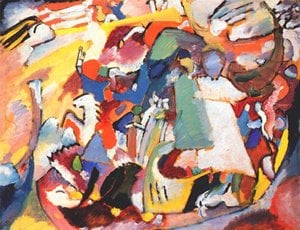
Bird's hell


 Lees meer
Ontvang een bestand dat klaar is voor drukwerk en de kwaliteit van het online voorbeeld ver overstijgt. Elke digitale afbeelding die wij verkopen, is afkomstig van een high-resolution master uit onze database — meestal tussen de 5.000 en 15.000 pixels breed — zodat u met vertrouwen groot kunt afdrukken, nauwkeurig kunt bijsnijden of fijne details kunt reproduceren.
Geen enkel bestand verlaat ons atelier onbewerkt. Een digitaal expert controleert de kleuren aan de hand van het originele schilderij en corrigeert deze indien nodig, om vervolgens de helderheid en details te verbeteren met professionele retoucheertechnieken — waarbij de penseelstreek en stijl van de kunstenaar altijd strikt worden gerespecteerd. Het resultaat is een afbeelding die oogt als het schilderij zelf, en niet als een gescande foto met een filter.
U keurt de afbeelding goed voordat de bestelling wordt afgerond: onze expert stuurt u binnen 72 uur een e-mail ter beoordeling. Niet tevreden? Vraag om aanpassingen of correcties, of vraag een terugbetaling aan als de kwaliteit niet aan de verwachtingen voldoet.
Dit is de kwaliteit waarop uitgevers, designstudio's, galeries en drukkerijen vertrouwen.
Digitale afbeeldingen
Download een bestand met hoge resolutie voor persoonlijke weergave, afdrukken en creatieve projecten. ( Schakel over naar print Bestel handgeschilderde reproductie)
Inbegrepen bij elke bestelling van een digitale afbeelding
Professionele digitale levering, gegarandeerd
Wanneer u kiest voor ArtsDot.com, ontvangt u niet alleen een afbeelding – u krijgt een professioneel verbeterd digitaal kunstwerk, met precisie vervaardigd en voorzien van een tevredenheidsgarantie. Dit is alles wat automatisch bij uw bestelling is inbegrepen:

Snelle levering per e-mail
Uw hoogwaardige digitale afbeeldingsbestand wordt binnen 72 uur na bestelling naar u gemaild – klaar voor direct gebruik.

AI-verbeterd digitaal bestand
Uw kunstwerk wordt professioneel geoptimaliseerd met behulp van geavanceerde AI-tools en handmatige bewerkingen, waardoor maximale details, helderheid en kleurnauwkeurigheid worden gegarandeerd.

Gratis levenslange herlevering van digitale bestanden
Je bestand per ongeluk verwijderd of kwijtgeraakt? Geen zorgen – we sturen het u op elk gewenst moment gratis opnieuw toe.

Geen invoerkosten – nooit
Geniet direct van uw kunstwerk zonder invoerrechten, belastingen of verzendkosten – digitale downloads zijn altijd belastingvrij.

Garantie op kleurgetrouwheid
Met behulp van professionele hulpmiddelen en kleurbeheer zorgen wij ervoor dat uw digitale afbeelding de originele kleuren zo nauwkeurig mogelijk weergeeft.

100 dagen tevredenheidsgarantie
Mocht u niet tevreden zijn met uw digitale afbeelding, dan passen wij deze aan of storten wij 100% terug binnen 100 dagen – zonder vragen te stellen.

100% Geld-terug-garantie
Niet tevreden? Ontvang een volledige terugbetaling binnen 100 dagen na ontvangst van uw digitale bestand – zonder vragen te stellen.

Korting bij grote bestellingen
Koop 3 afbeeldingen, bespaar 10% - Koop 5, bespaar 15% - Koop 10+, bespaar 20%. Ideaal voor creatieve projecten, galerieën en bureaus.
A Symphony of Chaos: Exploring Max Beckmann's "Bird's Hell"
To stand before Max Beckmann’s Bird's Hell is not merely to observe a painting; it is to be enveloped by an atmosphere—a vibrant, unsettling confluence of human drama and avian frenzy. This masterpiece from 1938 captures a moment suspended in time, yet vibrating with palpable energy. The scene unfolds within what appears to be an over-furnished, almost claustrophobic interior space. It is a tableau vivant of disarray, where the mundane objects of daily life—bowls, cups, bottles, and vases—seem to have accumulated until they form part of the very psychological landscape.
The sheer density of figures is breathtaking. Dozens of people are interwoven into the composition, some engaged in quiet contemplation, others caught mid-gesture, creating a sense of collective, yet individualized, turmoil. This teeming humanity, coupled with the riotous presence of numerous birds fluttering and perching everywhere, transforms the room into something mythic and deeply unsettling. It speaks to an overstimulation, a sensory overload that mirrors the anxieties of the era in which it was conceived.
Style, Technique, and Beckmann's Vision
Beckmann’s technique here is masterful in its ability to convey both meticulous detail and utter chaos. While his early work might have leaned toward academic precision, Bird's Hell showcases a mature style that channels the distorted energy of modernism. His influences—from the stained-glass narratives of medieval art to the emotional depth of Van Gogh—are visible in how he renders light and shadow across the cluttered surfaces. The application of paint is rich, giving weight to every discarded object while allowing the movement of the birds to suggest an almost ephemeral quality.
The composition itself is a masterclass in controlled pandemonium. Nothing feels accidental; every scattered item, every entangled limb, contributes to a narrative tension that pulls the viewer deeper into its depths. For those considering bringing this powerful aesthetic home through a reproduction, understanding this balance between meticulous rendering and emotional abandon is key—it promises drama without sacrificing artistic integrity.
Symbolism of Disorder and Humanity
The symbolism within Bird's Hell is notoriously rich and open to interpretation, which only enhances its enduring power. The birds, often symbols of the spirit or freedom, here seem almost predatory in their numbers, adding a layer of wildness to the human predicament. Coupled with the sheer accumulation of domestic clutter—the bowls, the cups—the painting suggests a critique of modern existence itself: a life so saturated with material possessions and social interaction that it verges on collapse. It is a meditation on excess, on the beautiful burden of too much being.
The sense of disorder does not equate to meaninglessness; rather, Beckmann elevates this chaos into a profound commentary on the human condition—a place where individual souls struggle against overwhelming societal pressures and sensory input. It invites us to pause our own hurried lives and examine what we are accumulating, both materially and emotionally.
Emotional Resonance for the Modern Collector
For the art lover or interior designer seeking a piece with undeniable narrative weight, Bird's Hell offers an unparalleled emotional anchor. It is not a painting meant to soothe; it is one designed to provoke thought, conversation, and deep introspection. Reproducing this work allows one to harness its dramatic energy within a contemporary setting. Imagine the visual impact of such a complex, emotionally charged piece anchoring a room—it becomes the focal point around which all other design elements must orbit.
Owning or displaying a reproduction of Bird's Hell is an embrace of complexity. It suggests that beauty can be found not just in serene perfection, but within the vibrant, messy, and utterly compelling reality of shared human experience.
Veelgestelde vragen
Met welk medium is "Bird's hell" door Max Beckmann uitgevoerd?
Max Beckmann gebruikte de Oil On Canvas-techniek voor "Bird's hell". De techniek bepaalt de materiële aard van het originele werk.
Onder welke andere namen is Max Beckmann bekend?
Max Beckmann staat ook bekend als Max Beckman, Max Carl Friedrich Beckmann.
Hoe kan ik een reproductie van "Bird's hell" door Max Beckmann bekijken?
Een voorproefje van "Bird's hell" door Max Beckmann is beschikbaar op de Voorvertoning-pagina van het kunstwerk.
Vergelijkbare kunstwerken




Kunstenaarsbiografie
Het Leven en de Kunst van Max Beckmann
Max Beckmann was een man van vele disciplines, werkzaam als schilder, tekenaar, graficus, beeldhouwer en schrijver. Hij kwam op 12 februari 1884 ter wereld in Leipzig, Saksen. Hij groeide op in een welgesteld gezin als het jongste van drie kinderen. Zijn vroege jaren werden gekenmerkt door de stille stabiliteit van zijn thuisomgeving, totdat in 1894 zijn vader, Carl Beckmann, een graanhandelaar, overleed. Zijn moeder, Antoine Beckmann, bleef een centrale figuur in zijn leven terwijl hij begon zijn weg te vinden door de complexiteit van het moderne bestaan.
Zijn werk voelde vaak als een confrontatie met de realiteit van het menselijk tekort. Hij schilderde niet louter scènes; hij legde de spanning van een veranderend tijdperk vast via een verscheidenheid aan media. Zijn oeuvre was enorm en reikte van monumentale doeken tot intieme prenten. Hij was een man die probeerde het gewicht van de geschiedenis met zijn handen te articuleren, waarbij hij vaak de instrumenten van zijn ambacht gebruikte om de verschuivende landschappen van de twintigste eeuw te verwerken.
- Zelfportret in Florence (1907)
- De Nacht (1919)
- De IJzeren Brug (Zicht op Frankfurt) (1922)
- Zelfportret met Trompet (1938)
- De Verloren Zoon (1949)
Vroege jaren en artistieke vorming
Geboren in een middenklassegezin in Leipzig, Duitsland, toonde Max Beckmann al vroeg een natuurlijke aanleg voor het tekenen. Zijn eerste schetsen onthulden een vroegrijp talent dat al een voorbode was van de diepgang van zijn latere werk. Tijdens deze vormende jaren zocht hij de strengheid van de oude tradities op, waarbij hij zich trainde in een conservatieve academische stijl die de nadruk legde op technische precisie. Deze basis in formele techniek bood hem een stevig fundament, zelfs terwijl zijn eigen geest begon te dringen tegen de grenzen van de conventionele methoden.
Naarmate hij volwassen werd, voelde Beckmann zich aangetrokken tot de oude meesters. Hij besteedde een groot deel van zijn tijd aan het bestuderen van hun composities en hun beheersing van de vorm, een fascinatie die hem er uiteindelijk toe zou brengen een opmerkelijk originele stijl te ontwikkelen. Hij was niet tevreden met louter imitatie; in plaats daarvan gebruikte hij de lessen uit het verleden om een persoonlijke visuele taal op te bouwen. Deze studieperiode werd gekenmerkt door een spanning tussen zijn academische training en een groeiende verlangen om iets dieper en minder gestructureerds uit te drukken.
Tegen 1912 hield hij zich al bezig met ambitieuze onderwerpen die een beheersing van grootschalige compositie vereisten. Een dergelijk werk was zijn schilderij van De Zonken van de Titanic, een stuk dat zijn vermogen demonstreerde om complexe, dramatische narratieven te hanteren. In deze fase werd zijn werk gekenmerkt door academisch correcte voorstellingen, waarbij de nadruk lag op het gewicht en de aanwezigheid van figuren binnen een gedefinieerde ruimte. Hij was in de kern een historiemaler, die de monumentale schaal van het verleden gebruikte om de menselijke conditie te verkennen door een lens van gestructureerde, weloverwogen vorm.
Ervaringen tijdens de Eerste Wereldoorlog
De uitbraak van de Eerste Wereldoorlog bracht een plotselinge, gewelddadige breuk in de academische vorming van Max Beckmann. Hij bleef niet toeschouwer van het conflict; in plaats daarvan meldde hij zich vrijwillig bij het medische korps. Als medisch ordonnans werd hij rechtstreeks in de rauwe realiteit van het menselijk lijden geworpen. De klinische, gestructureerde wereld van zijn vroege opleiding maakte plaats voor de chaotische en gruwelijke omstandigheden aan het front.
De enorme mentale belasting van deze dienst werd uiteindelijk te zwaar om te dragen. Tijdens zijn stationering aan het Belgische front leidde de verwoesting van de oorlog tot een zenuwinzinking. In 1915 werd hij uit militaire dienst ontslagen, waarna hij terugkeerde naar een leven dat fundamenteel was veranderd door wat hij had aanschouwd. De verschrikkingen die hij zag tijdens zijn tijd in het medische korps ontketenden een radicale verschuiving in zijn visie. De academische precisie uit zijn jeugd maakte plaats voor een nieuwe manier van kijken, een blik die een verscheurde en getraumatiseerde mensheid weerspiegelde.
Artistieke Stijl en Techniek
De visuele taal van Max Beckmann werd gevoed door een voortdurende spanning tussen traditie en een rusteloze, moderne impuls. Hij keek met ontzag terug naar de oude meesters en vond een stevig fundament in het werk van Rembrandt en Rubens, terwijl hij tegelijkertijd putte uit de gestructureerde vormen van Cézanne en de emotionele penseelvoering van Van Gogh. Zijn composities voelden vaak vol en beklemmend aan; door gebruik te maken van een ondiepe ruimte en donkere, zware contouren, duwde hij zijn onderwerpen dwingend naar de toeschouwer toe. Deze techniek creëerde een gevoel van claustrofobie, alsof de figuren gevangen zaten binnen het kader van het doek. Hij verbond deze vervormde figuration vaak met een rauw realisme, waarbij hij zijn canvassen inzette als een instrument voor scherpe maatschappijkritiek op de wereld om hem heen.
De fysieke applicatie van de verf stond centraal in zijn expressieve kracht. Hij gaf de voorkeur aan een meesterlijke impasto-techniek, waarbij hij het medium aanbracht in dikke, gebarend penseelstreken die zijn oppervlakken een tastbaar, zwaar gewicht gaven. Deze textuur verleende een gevoel van urgentie aan zijn weergaven van de menselijke strijd. Zijn interesses beperkten zich echter niet tot de westerse traditie; hij vond ook inspiratie in de verontrustende, symbolische narratieven van Noord-Europese kunstenaars zoals Bosch, Bruegel en Matthias Grünewald. Door deze invloeden naadloos te verweven, ontwikkelde hij een schilderstijl die zowel archaïsch als diep geworteld in de existentiële angsten van de twintigste eeuw aanvoelde.
- The Night (1919)
- The Iron Bridge (View of Frankfurt) (1922)
- Self-Portrait with Horn (1938)
- The Night (1919)
De Weimarrepubliek en de Nieuwe Zakelijkheid
Tijdens de jaren 20 bewoog Max Beckmann zich door een Duitsland dat voortdurend zocht naar zijn evenwicht. Hij raakte verbonden met de beweging van de Nieuwe Zakelijkheid, een stijl die zich afzette tegen de naar binnen gekeerde emoties van eerdere jaren en in plaats daarvan koos voor een directere, vaak bijtende blik op de realiteit. Zijn werk uit deze periode legde de gedoemde aard van de Weimarrepubliek vast met een gevoel van zuur cynisme. Hij schuwde de chaos van het tijdperk niet, maar gebruikte zijn penseel juist om de spanning van een maatschappij in transitie te documenteren.
Zelfs wanneer zijn onderwerpen lichtvoetig of feestelijk leken, zoals circusartiesten of sociale bijeenkomsten, bleef er vaak een onderstroom van somberheid of onbehagen onder het oppervlak aanwezig. Er ging een aanhoudend gevoel van ongemak uit zijn composities. Deze spanning was bijzonder duidelijk zichtbaar in zijn grafische werk. In deze jaren produceerde hij verschillende zwart-wit grafische portfolios, waaronder het werk met de titel Hel, waarin hij de rauwe kracht van de prentkunst aanwendde om de duistere aspecten van het menselijk bestaan te verkennen.
- The Night (1919)
- The Iron Bridge (View of Frankfurt) (1922)
- Rugby players (1929)
Exil in Amsterdam en het Nazi-regime
Het politieke klimaat in Duitsland werd steeds vijandiger tegenover de visie van Max Beckmann. In 1933 bracht de opkomst van het Nazi-regime directe gevolgen voor zijn professionele leven, toen hij werd ontheven van zijn docentschap aan de Stadel Kunstschool in Frankfurt. Zijn werk werd het doelwit van de autoriteiten en werd opgenomen in de tentoonstelling van 'Entartete Kunst', een zet die duidelijk maakte dat het onmogelijk was om in zijn moederland te blijven. Geconfronteerd met deze toenemende druk en de dreiging van het regime, koos hij ervoor Duitsland achter zich te laten.
Max Beckmann bracht tien jaar door in een zelfgekozen ballingschap in Amsterdam. Deze periode werd gekenmerkt door de diepe onzekerheid van het leven tijdens de Tweede Wereldoorlog. Tijdens zijn verblijf in Amsterdam wendten zijn schilderijen zich vaker tot mythische en parabolische beelden, waarbij hij zich losmaakte van de specifieke realiteiten van de wereld die hij had achtergelaten. Zijn kunst in deze jaren weerspiegelde een gevoel van ontworteling uit een specifieke tijd of plaats, en richtte zich in plaats daarvan op de innerlijke strijd van de menselijke conditie.
- Departure (1933–35)
Het leven en werk in Amerika
Na jaren van ballingschap in Amsterdam, emigreerde Max Beckmann in 1947 eindelijk naar Amerika. Zijn aankomst markeerde het begin van een nieuw hoofdstuk van stabiliteit, hoewel zijn focus onveranderd diep geworteld bleef in de daad van het creëren en het delen van zijn vakmanschap. De eerste twee jaar in de Verenigde Staten bracht hij door in St. Louis, Missouri, waar hij een actief onderdeel werd van de lokale kunstgemeenschap. Tijdens deze periode deelde hij zijn kennis via docentschappen aan de Washington University in St. Louis en het Brooklyn Museum.
De laatste jaren van zijn leven bracht hij door in New York, waar hij in 1949 naartoe verhuisde. Deze periode was kort en duurde slechts tot zijn dood in 1950. Zelfs in deze afsluitende maanden bleef zijn werk de persoonlijke en psychologische diepgang weerspiegelen die zijn gehele carrière had gekenmerkt. Zijn aanwezigheid in de Amerikaanse kunstwereld werd gemarkeerd door een weigering om zijn complexe visuele taal te versimpelen, zelfs terwijl hij zich vestigde in een nieuw thuis, ver verwijderd van zijn Duitse wortels.
- Self-Portrait in Blue Jacket (1950)
Opmerkelijke en cruciale kunstwerken
De doeken van Max Beckmann voelden vaak aan als overvolle, claustrofobische ruimtes waarin de spanning van zijn tijd fysiek voelbaar was. In 1919 schiep hij De Nacht, een werk dat de versnippering van het moderne leven vastlegt door middel van vervormde figuren en een diep gevoel van vervreemding. Dit stuk weerspiegelt het maatschappelijke trauma dat de Eerste Wereldoorlog achterliet, waarbij hij een zware, psychologische benadering gebruikte om de chaos van de naoorlogse periode te verbeelden. Zijn vermogen om innerlijke angst te vertalen naar een visuele taal werd een bepalend kenmerk van zijn oeuvre.
Naarmate het industriële landschap van Duitsland veranderde, verschoof ook zijn focus. Zijn schilderij uit 1922, De IJzeren Brug (Zicht op Frankfurt), maakt gebruik van dikke, expressieve penseelstreken om een stad in transitie te tonen. De compositie wordt verankerd door het zware, geometrische silhouet van de hangbrug, die zich een weg baant door een palet van verzadigde aardetinten en industrieel grijs. Het vangt de pulserende energie van een stedelijke omgeving, gevangen tussen de oude wereld en een snel moderniserende toekomst.
Gedurende zijn leven keerde Max Beckmann steeds terug naar zijn eigen beeltenis, waarbij hij zijn eigen gezicht gebruikte om de menselijke conditie te verkennen. Zijn werk uit 1938, Zelfportret met hoorn, toont hem navigerend door een wereld van toenemende onzekerheid. Zelfs in zijn laatste jaren bleef zijn werk diep persoonlijk. Zijn Zelfportret in blauwe jas, geschilderd in 1950, blijft een significant onderdeel van zijn late periode en weerspiegelt de man die hij was geworden na zijn tijd in ballingschap en zijn verhuizing naar Amerika.
- Great Scene of Agony (1906)
- Zelfportret in Florence (1907)
- Zelfportret met een vissershoed (ca. 1921)
- De Oude Actrice (1926)
- Zelfportret in smoking (1927)
Nalatenschap en Historische Impact
Max Beckmann blijft een centrale figuur in de geschiedenis van de 20e-eeuwse schilderkunst. Hoewel hij zich vaak verzette tegen de labels die op hem werden geplakt, wordt zijn werk breed beschouwd als een hoeksteen van de Duitse Expressionistische beweging. Hij bezat het unieke vermogen om de verscheurde psyche van een continent te vertalen naar een visuele taal die zowel diep persoonlijk als universeel begrijpelijk aanvoelde. Zijn schilderijen beschrijven niet louter scènes; ze dragen een buitengewone psychologische diepgang in zich die de toeschouwer dwingt tot een confrontatie met de menselijke conditie.
Zijn invloed reikte ver voorbij de grenzen van Duitsland. Zelfs tijdens de moeizame jaren van ballingschap in Amsterdam en zijn uiteindelijke verhuizing naar de Verenigde Staten, bleef zijn stem onmiskenbaar. Het lukte hem om de kloof te overbruggen tussen de traditionele academische vorming en de radicale verschuivingen van het modernisme. Door te weigeren zich vast te leggen op één enkele stroming, creëerde hij een ruimte die volledig van hemzelf was, gekenmerkt door een voortdurende spanning tussen de fysieke wereld en het interne, vaak getergde landschap van de menselijke geest.
- The Night (1919)
- The Iron Bridge (View of Frankfurt) (1922)
- Self-Portrait with Horn (1938)
- The Prodigal Son (1949)
Waar u zijn werken vandaag de dag kunt bewonderen
Het opsporen van de fysieke sporen van het leven van Max Beckmann is een reis door de steden die zowel zijn ballingschap als zijn latere jaren hebben gevormd. In Duitsland is de aanwezigheid van zijn werk nog steeds krachtig voelbaar in de Kunstsammlung Nordrhein-Westfalen in Düsseldorf, waar meesterwerken zoals The Night uit 1919 worden bewaard. Ook in Zürich is zijn artistieke nalatenschap tastbaar; het Kunsthaus Zürich koestert zijn beeldtaal. Deze collecties bieden een venster op de manier waarop zijn visie transformeerde terwijl hij zich door de complexe lagen van de vroege twintigste eeuw bewoog.
Voor wie zijn pad naar de Verenigde Staten volgt, is zijn latere leven vastgelegd in vooraanstaande Amerikaanse instellingen. Het Metropolitan Museum of Art in New York herbergt werken uit zijn laatste levensjaren, waaronder zijn Self-Portrait in Blue Jacket uit 1950. Ook het Museum of Modern Art (MoMA) heeft zijn werk opgenomen in de permanente collectie. Deze werken weerspiegelen het laatste hoofdstuk van een man die zijn laatste jaren doorbracht terwijl hij de straten van New York doolde.
- The Night (1919)
- Self-Portrait in Blue Jacket (1950)
- Seascape with poplars (1924)
- The Iron Bridge (View of Frankfurt) (1922)

Max Beckmann
1884 - 1950 , Duitsland
Belangrijkste feiten
- Artistic Movement Or Style: Expressionisme, Neue Sachlichkeit
- Artists Who Influenced This Artist:
- Cézanne
- Van Gogh
- Blake
- Rembrandt
- Rubens
- Bosch
- Bruegel
- Matthias Grünewald
- Date Of Birth: 1884
- Date Of Death: 1950
- Full Name: Max Carl Friedrich Beckmann
- Nationality: Duits
- Notable Artworks:
- The Night
- The Iron Bridge
- Self-Portrait in Tuxedo
- The Bark
- Seascape with Poplars
- Place Of Birth: Leipzig, Duitsland