

 Voorvertoning
 Verstuur
 Delen
Delen
 Details bekijken

 Download
 Vergelijkbare items
 Röntgenonderzoek
 Diavoorstelling
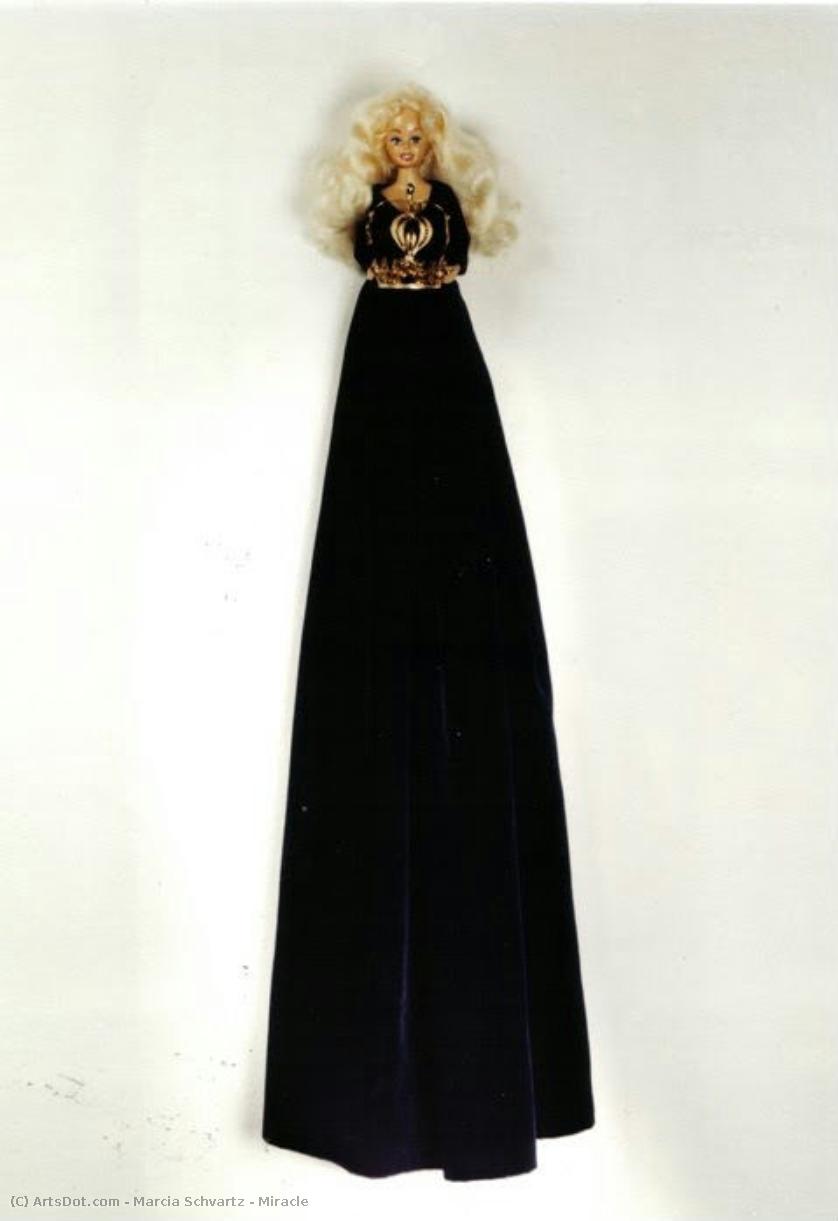
Miracle


 Lees meer
Koop een digitale afbeelding in hoge resolutie met verbeterde kwaliteit, die veel superieur is aan de online voorvertoning.
Elk bestand wordt met uiterste precisie voorbereid door onze interne specialisten, met behulp van geavanceerde tools en deskundige handmatige retouche. Wij garanderen dat elke afbeelding een uitzonderlijke helderheid, nauwkeurige kleurweergave en verfijnde details bezit.
Het uiteindelijke bestand wordt binnen 72 uur per e-mail geleverd, geoptimaliseerd voor direct gebruik in professionele, redactionele en printomgevingen. Dit is dezelfde kwaliteit waarop vooraanstaande designstudio's, uitgevers en galerieën vertrouwen.
Digitale afbeeldingen
Download een bestand met hoge resolutie voor persoonlijke weergave, afdrukken en creatieve projecten. ( Bestel print Bestel handgeschilderde reproductie)
Inbegrepen bij elke bestelling van een digitale afbeelding
Professionele digitale levering, gegarandeerd
Wanneer u kiest voor ArtsDot.com, ontvangt u niet alleen een afbeelding – u krijgt een professioneel verbeterd digitaal kunstwerk, met precisie vervaardigd en voorzien van een tevredenheidsgarantie. Dit is alles wat automatisch bij uw bestelling is inbegrepen:

Snelle levering per e-mail
Uw hoogwaardige digitale afbeeldingsbestand wordt binnen 72 uur na bestelling naar u gemaild – klaar voor direct gebruik.

AI-verbeterd digitaal bestand
Uw kunstwerk wordt professioneel geoptimaliseerd met behulp van geavanceerde AI-tools en handmatige bewerkingen, waardoor maximale details, helderheid en kleurnauwkeurigheid worden gegarandeerd.

Gratis levenslange herlevering van digitale afbeeldingen
Je bestand per ongeluk verwijderd of kwijtgeraakt? Geen zorgen – we sturen het u op elk gewenst moment gratis opnieuw toe.

Geen invoerkosten – nooit
Geniet direct van uw kunstwerk zonder invoerrechten, belastingen of verzendkosten – digitale downloads zijn altijd belastingvrij.

Garantie op kleurgetrouwheid
Met behulp van professionele hulpmiddelen en kleurbeheer zorgen wij ervoor dat uw digitale afbeelding de originele kleuren zo nauwkeurig mogelijk weergeeft.

60 dagen tevredenheidsgarantie
Als u niet tevreden bent met uw digitale afbeelding, passen wij deze aan of storten wij 100% terug binnen 60 dagen – zonder vragen gesteld.

100% Geld-terug-garantie
Niet tevreden? Ontvang binnen 60 dagen na ontvangst van uw digitale bestand uw volledige aankoopbedrag terug – zonder vragen te stellen.

Korting bij grote bestellingen
Koop 3 afbeeldingen, bespaar 10% - Koop 5, bespaar 15% - Koop 10+, bespaar 20%. Ideaal voor creatieve projecten, galerieën en bureaus.
Vergelijkbare kunstwerken


Kunstenaarsbiografie
A Canvas of Resistance: The Soul of Marcia Schvartz
In the turbulent landscape of twentieth-century Argentinian history, few voices resonate with as much raw, visceral power as that of Marcia Schvartz. Born in Buenos Aires in 1955, Schvartz emerged not merely as a painter, but as a chronicler of the human condition under duress. Her work serves as a profound intersection where personal trauma meets political upheaval, weaving together the threads of feminist identity, social justice, and the haunting memory of those lost to history. To look upon a Schvartz painting is to encounter a gaze that refuses to blink, confronting the viewer with the grit, tenderness, and fury of life on the margins.
Schvartz’s artistic consciousness was forged in an environment of deep intellectual engagement. Raised by parents who championed humanist values—her mother, Hebe Clementi, a historian dedicated to indigenous legacies, and her father, Gregorio, a bookseller committed to community access—she was imbued with a lifelong preoccupation with the marginalized. Her early training at the Escuela de Bellas and Artes Manuel Belgrano introduced her to the transformative mentorship of Aída Carballo, a figure who would become a cornerstone of her artistic philosophy. Under Carballo’s guidance, Schvartz learned to utilize art as a vehicle for confronting uncomfortable truths, a principle that would define her entire oeuvre.
The Shadow of Exile and the Weight of Memory
The trajectory of Schvartz’s life was irrevocably altered by the political storms of Argentina. The 1976 coup, which saw the overthrow of Isabel Perón and the installation of a brutal military junta, cast a long, dark shadow over her formative years. This era of state-sponsored terror, characterized by the systematic disappearance of dissidents, struck Schvartz with devastating intimacy when her best friend, Hilda Fernández, disappeared in 1977. The psychological weight of this loss, coupled with her involvement in the Peronist Youth movement, eventually led her into a period of self-imposed exile in Barcelona in 1979.
Far from distancing her from her roots, this period of displacement sharpened her focus. In the quietude of exile, the memories of the disappeared and the vibrant, struggling streets of Buenos Aires became even more vivid. Her work began to grapple with the profound themes of absence and presence, using the human figure to represent both the individual and the collective trauma of a nation. The later death of her friend, the artist Liliana Maresca, due to AIDS-related complications, further expanded her thematic repertoire, allowing Schvanczt to explore the intersection of bodily vulnerability and social neglect.
The Female Gaze and the Beauty of the Marginalized
Upon her return to Argentina in 1983, Schvartz’s practice underwent a powerful evolution. She turned her attention toward the disenfranchised populations of Buenos Aires—the inhabitants of the villas, the street dwellers, the workers, and the elders. Her paintings became a sanctuary for those whom the traditional canon of beauty had ignored. Through an expressionistic and often rugged technique, she celebrated women who existed outside conventional aesthetic norms, reclaiming the female gaze to depict sexual acts, maternal strength, and raw eroticism from a perspective of autonomy and agency.
Her mastery extends beyond the medium of oil on canvas; Schvartz is a true multimedia force, incorporating ceramics, textiles, sculpture, and even stage design for underground theater into her repertoire. Whether she is portraying the lonely figures of a nocturnal bar scene or the resilient faces of indigenous women, her work maintains a consistent spirit of barrio authenticity. Her achievements are marked by a refusal to conform to the polished demands of the commercial art market, choosing instead to remain a steadfast witness to the complexities of cosmopolitan social dynamics. Ultimately, Marcia Schvartz remains an essential figure in contemporary art, reminding us that the most profound beauty is often found in the very places society has taught us to look away.

Marcia Schvartz
1955 - , Argentina
Belangrijkste feiten
- Artistic Movement Or Style: Feminist figurative painting
- Artists Or Movements Influenced By This Artist: ['Contemporary art']
- Artists Who Influenced This Artist: ['Aída Carballo']
- Date Of Birth: March 24, 1955
- Full Name: Marcia Schvartz
- Nationality: Argentinian
- Notable Artworks:
- Still
- Miracle
- Place Of Birth: Buenos Aires, Argentina

