


The picture follows your choices: , .
Beschrijving verzamelobject
 Lees meer
Biografie kunstenaar
Marcel Duchamp: Revolutionaire kunstenaar die de definitie van kunst uitdaagde met Dadaïsme & readymades zoals 'Fountain'. Ontdek zijn iconische werken & filosofische impact.
Handgemaakte olieverfreproductie
Met de hand geschilderd in olieverf op canvas in uw gewenste maat en lijst, op bestelling gemaakt door onze kunstenaars. ( Schakel over naar print Schakel over naar digitale afbeeldingen)
Dit kunstwerk is auteursrechtelijk beschermd
De kunstwerken die op deze pagina worden weergegeven, zijn beschermd door de auteursrechtwetgeving, wat betekent dat het ons wettelijk niet is toegestaan om identieke reproducties te maken of te verkopen. Deze bescherming wordt gehandhaafd onder internationale overeenkomsten zoals de Conventie van Bern en door nationale wetgeving, waaronder de bepalingen van de Amerikaanse auteurswet - Titel 17. Alle rechten voorbehouden. Reproduceren of distribueren van afbeeldingen is niet toegestaan zonder uitdrukkelijke schriftelijke toestemming van WahooArt.com en de rechthebbenden.
Als een respectvol en legaal alternatief bieden wij op maat gemaakte, handgeschilderde kunstwerken aan die geïnspireerd zijn op het origineel. Onze bekwame en professionele kunstenaars bestuderen zorgvuldig de stijl, sfeer en artistieke essentie van het origineel om een nieuw, uniek werk te creëren dat dezelfde emotie oproept – terwijl het een op zichzelf staande, originele creatie blijft.
Deze methode voldoet volledig aan de auteursrechtwetgeving, omdat het niet gaat om het kopiëren of dupliceren van het beschermde kunstwerk. In plaats daarvan is er sprake van een creatieve herinterpretatie — een nieuw schilderij dat door het origineel wordt geïnspireerd, maar er niet identiek aan is.
More about this painting
 Voorvertoning
 Verstuur
 Delen
Delen
 Details bekijken
 Gids
Gids

 Download
 Vergelijkbare items
 Röntgenonderzoek
 Diavoorstelling
 Q&A
Q&A Statistieken
Order your painting in four simple steps
Take your time. You can change any answer; the price in your order card follows each choice.
1 Step one of four
Which size would you like?
These sizes keep the proportions of the original painting. The drawing shows your choice on a wall, above a two-metre sofa.
Or give your own measurements
Kies uit onze vooraf ingestelde maten die overeenkomen met de originele verhoudingen van het kunstwerk.

Voer de breedte en hoogte in die u nodig heeft, passend bij uw lijst of uw muur. Omdat dit handgeschilderd is, kan de kunstenaar bij een afmeting met een andere beeldverhouding iets meer rondom het schilderij schilderen of juist iets meer weglaten — u kiest zelf. Wij sturen u een digitaal mockup ter goedkeuring voordat het schilderwerk begint. De afbeelding die op deze pagina wordt getoond, is niet het uiteindelijke resultaat — alleen de mockup geeft dit weer.
2 Step two of four
How should it be prepared: rolled, stretched or framed?
The prices below are for the size you chose in step one.
Choose the edges of the stretched canvas
Choose your frame

White €1

Blurside €1

Extended €1

P118B €10

P118H €10

P118W €10

P438Z €10

P508JH €12

P508YH €12

P805H €10

P805Z €10

P919BZ €10

P919G €10

P919XJ €10

P959ZH €10

P968JZ €12

W106C €8

W218G €10

W218JH €8

W218Y €10

W307PJ €10

W316G €10

W316PJ €8

W316Y €10

W398PJ €8

W4111J €10

W500HY €15

W500JH €15

W692G €12

W849H €8

W940BG €15

W953PJ €8

H24-GOLD €30

H24-SILVER €30

H36-GOLD €45

H36-SILVER €45
Ingelijst
Moulding: . Overall size with the frame: .
3 Step three of four
Would you like anything changed in the painting?
Most people answer no. Because each painting is made by hand, our artist can also adapt it for you.
After order, ArtsDot.com team will email client for instructions and provide a mockup preview
4 Step four of four
A few finishing options
All of them are optional. The answers already selected cost nothing extra.
Who paints it?
Wereldwijde levering () binnen 3 tot 4 weken in plaats van de standaard 5 weken. (3 november). Zonder concessies aan de kwaliteit.
A nameplate, as in a museum?
Details van de gegraveerde bronzen plaat
This elegant plaque features the artist's name and the title of the artwork, finely engraved for a timeless presentation.
It is made from bronze with a refined, elegant finish. The text is precisely laser-engraved for a sharp and permanent result. Measuring 9x2 cm, the plaque is compact yet easy to read. It's built to be durable and scratch-resistant, offering a professional, museum-quality look. Mounting is simple thanks to the included adhesive backing.
Details transparante acrylplaat
The plaque includes essential engraved details such as the artist's name, the title of the artwork, the date it was created, the type of media used-like oil on canvas or watercolor-a brief description of the piece, and a QR code that links to the complete artwork information.
It is crafted from clear acrylic, offering a sleek, modern appearance. The text is UV-engraved in black to ensure strong visual contrast. With a size of 10x15 cm, it ensures optimal readability. It comes equipped with two metal hooks for secure wall mounting. The plaque is designed to be weather-resistant, making it suitable for various environments, and it includes interactive features that work seamlessly with smartphone scanning.
Details zwarte acrylplaat
This elegant plaque includes engraved information such as the artist's name, the title of the artwork, the date it was created, the type of media used (like oil on canvas or watercolor), a short description of the artwork, and a QR code for quick access to more information.
The plaque itself is made from refined black acrylic with a premium finish. The text is laser-engraved in white for high contrast and readability. Its size is 10x15 cm, designed to be easy to read. It comes with two metal hooks for professional mounting. The design is sleek and fits any interior style. It is also weather-resistant and durable, with built-in digital integration for mobile compatibility.
A protective varnish?
When do you need it?
✓ Check and order
Your painting, as you ordered it

Hat Rack
Druktechniek
Afmetingen reproductie
-

Geselecteerde topkunstenaars
Meer detail, verfijning en extra productietijd
-

Lijst voor reproductie
-
-
Voor kunstwerken of reproducties die aan één zijde groter zijn dan 105 cm (ongeveer 41 inch), wordt de lijst als een losse set verzonden. Deze methode garandeert een veilige levering en voorkomt schade tijdens het transport.
Professionele montage vereist - dit is geen doe-het-zelfproduct.
De set moet worden gemonteerd en het canvas moet worden gespannen door een ervaren professionele lijstenmaker, met gebruik van houtlijm (niet inbegrepen), een doekspanter en klemmen om de sponningen recht te houden terwijl de lijm droogt. Onjuiste montage of een ongelijkmatige spanning op het canvas kan het kunstwerk permanent beschadigen en wordt niet gedekt door onze garantie.
 Voor kunstwerken of reproducties die aan één zijde groter zijn dan 105 cm (ongeveer 41 inch), wordt de lijst als een losse set verzonden. Deze methode garandeert een veilige levering en voorkomt schade tijdens het transport.
Alle massief houten onderdelen zijn inbegrepen, nauwkeurig op maat gesneden voor montage.
Te monteren met de meegeleverde schroeven, plus houtlijm voor de hoekverbindingen, die niet wordt meegeleverd en door uw lijstenmaker moet worden aangeschaft.
Professioneel gereedschap is vereist en niet inbegrepen: een spanner voor canvas en klemmen om de latten recht te houden terwijl de lijm droogt.
Belangrijk:
De hoekverbindingen vereisen houtlijm, de latten moeten met lijmklemmen worden vastgehouden tot de lijm volledig is opgedroogd, en het spannen van het canvas op het samengestelde frame vereist een doekspanter. Geen van deze artikelen is inbegrepen in de set. Wij adviseren u om een ervaren professionele lijstenmaker te raadplegen voordat u deze maat bestelt.

Naamplaatje
-
-

Beschermende vernislaag
Glanzende vernis (versterkt de kleuren en biedt bescherming tegen licht en vocht)
-

Mijn kunstwerk aanpassen
Voorbeelden van aanpassingen: vervang het gezicht door een eigen foto; voeg een huisdier toe (bijv. vervang de kat door een hond); verwerk een verborgen boodschap in de achtergrond; wijzig het landschap of andere elementen op de achtergrond.
-

Spoedlevering
Wereldwijde levering () binnen 3 tot 4 weken in plaats van de standaard 5 weken. (3 november). Geen concessies aan de kwaliteit.
-
Spoedlevering
Wereldwijde levering naar binnen 5 weken. (10 november).
Inbegrepen
Eindtotaal
€ 234
De optie voor glas is alleen beschikbaar bij een formaat kleiner dan 110 cm.
Included with every order
- Gratis wereldwijde expressverzending
- Hoogwaardig linnen canvas
- Volledige verzendverzekering
- Garantie op terugbetaling van invoerrechten
- Garantie op exacte kleurweergave
- Retourbeleid van 100 dagen (alleen bij defecten)
- 100% Geld-terug-garantie
- Korting bij meerdere afnames


A Deconstructed Object: Marcel Duchamp’s “Hat Rack” – A Study in Provocation
Marcel Duchamp's "Hat Rack," painted in 1917, isn’t merely a depiction of furniture; it’s a deliberate dismantling of artistic conventions and a profound statement on the nature of art itself. This seemingly simple image—a wooden chair supporting an absurdly stacked collection of hats—holds within its quiet stillness a revolutionary spirit that continues to resonate with viewers today. The painting, now housed in the Israel Museum, offers a glimpse into Duchamp’s burgeoning Dadaist philosophy and his audacious challenge to established artistic norms.
The composition is deceptively straightforward. A chair, rendered with an almost clinical precision, forms the skeletal structure of the piece. Its unusual design—a slightly off-kilter angle and subtly exaggerated proportions—suggests a deliberate rejection of functionalism. Instead of serving its intended purpose as a comfortable seat, it becomes a stage for the chaotic arrangement of hats. These aren’t meticulously chosen or artistically displayed; they are piled haphazardly upon one another, creating a visual jumble that defies logic and order. Duchamp's choice to present this commonplace object—a chair and a collection of hats—elevates them to the realm of art through sheer act of selection and presentation.
Dadaist Roots: Challenging Artistic Values
“Hat Rack” is deeply rooted in the Dada movement, which emerged during World War I as a reaction against the perceived irrationality and brutality of the conflict. Dada artists sought to dismantle traditional values—including those surrounding art—and expose the absurdity of societal norms. Duchamp’s work embodies this spirit perfectly. He wasn't interested in creating beautiful objects; he was interested in questioning what constituted “beauty” or “value” within the art world. The hat rack, with its inherent lack of aesthetic appeal, becomes a powerful symbol of this rejection. It forces us to reconsider our assumptions about what deserves artistic attention and how we define artistic merit.
The painting’s creation coincided with Duchamp's exploration of chance operations and the concept of “readymades”—industrial or manufactured objects presented as art without alteration. This approach, central to Dadaism, challenged the traditional notion that an artist needed to create something entirely new. Duchamp argued that the selection and presentation of an existing object could be just as valid a form of artistic expression. The hat rack can be seen as a precursor to this readymade philosophy, demonstrating how the context and intention behind an object’s display could transform its meaning.
Technique and Symbolism: A Calculated Discomfort
Duchamp's technique is remarkably restrained, almost austere. The painting is executed in oil on canvas with a precise, almost photographic quality. This deliberate lack of expressive brushwork further emphasizes the object-like nature of the work. There’s no attempt to romanticize or embellish the scene; instead, Duchamp presents it with cold, objective clarity. The hats themselves—a motley collection of varying shapes, sizes, and colors—add layers of symbolic meaning. They can be interpreted as representing the anxieties and uncertainties of a rapidly changing world, or perhaps simply as a commentary on consumer culture and the accumulation of possessions.
Furthermore, the chair’s unusual design subtly hints at instability and imbalance. It's not a stable, supportive structure; it leans slightly, mirroring the precariousness of the hat arrangement above. This visual dissonance reinforces the painting’s overall theme of disruption and challenges our expectations of harmony and order. The placement within a museum setting further elevates the piece, suggesting that even the most mundane objects can be worthy of contemplation and artistic consideration.
A Timeless Provocation: Reproduction and Interpretation
ArtsDot offers meticulously crafted reproductions of “Hat Rack,” allowing you to bring this iconic work into your own space. Our hand-painted reproductions capture not only the visual details but also the underlying spirit of Duchamp’s revolutionary vision. Whether displayed in a contemporary interior or as a thoughtful addition to an art collection, "Hat Rack" continues to provoke and inspire, reminding us that art can be found in the unexpected and that questioning established norms is essential for artistic progress. Consider this piece not just as a painting, but as a meditation on perception, value, and the very definition of art itself.
Veelgestelde vragen
Is er een gids beschikbaar voor "Hat Rack" door Marcel Duchamp?
De Informatieblad-pagina van "Hat Rack" door Marcel Duchamp biedt een printbaar factsheet van twee pagina's: het kunstwerk met de bijbehorende identificatietabel, een tijdlijn die het werk plaatst binnen de levensloop van de kunstenaar, andere werken van de kunstenaar, het gemeten kleurenpalet en kant-en-klare citaten in vier verschillende stijlen.
Is "Hat Rack" door Marcel Duchamp eerder licht of donker van kleur?
De waargenomen helderheid van "Hat Rack" door Marcel Duchamp is brilliant. Deze kan worden afgestemd op de lichtinval in de beoogde ruimte.
Welk kleurenpalet wordt gebruikt in "Hat Rack"?
"Hat Rack" door Marcel Duchamp maakt gebruik van een Neutrals kleurenpalet. Dit palet vat het algemene kleurkarakter van het werk samen.
Vergelijkbare kunstwerken


Marcel Duchamp
1887 - 1968, Frankrijk
Biografie kunstenaar
Een Revolutionaire Geest: Het Leven en de Kunst van Marcel Duchamp
Marcel Duchamp, geboren als Henri-Robert-Marcel Duchamp in 1887 in Blainville-Crevon, Normandië, was meer dan een kunstenaar; hij was een filosofische provocateur die de koers van de moderne kunst fundamenteel heeft veranderd. Zijn vroege leven, hoewel schijnbaar conventioneel – gevormd binnen een familie die artistieke expressie waardeerde en waarin beide broers succesvolle carrières als kunstenaar nastreefden – hintte al naar het iconoclasme dat nog zou komen. Duchamp volgde aanvankelijk een formele opleiding, waarbij hij traditionele technieken meester werd en experimenteerde met postimpressionistische stijlen. Deze academische basis diende echter niet als een doel op zich, maar als een springplank om de essentie van kunst, haar doel en haar definitie ter discussie te stellen. Hij was niet tevreden met het louter afbeelden van de wereld; hij zocht naar manieren om onze perceptie ervan uit te dagen en te bevragen wat werkelijke artistieke waarde vormt. Deze rusteloze intellectuele nieuwsgierigheid zou het kenmerkende aspect worden van zijn vruchtbare carrière.Van Cubisme naar Dada: Een Afwijzing van Conventie
Duchamps artistieke reis werd gekenmerkt door een constante evolutie, een doelbewuste ontmanteling van gevestigde normen. Zijn vroege betrokkenheid bij het Cubisme, duidelijk zichtbaar in werken zoals Portrait of Chess Players (1911), toonde een interesse in gefragmenteerde vormen en meervoudige perspectieven – een breuk met de traditionele representatie. Toch bewoog hij zich snel voorbij louter esthetische overwegingen, omdat hij besefte dat het simpelweg herordenen van visuele elementen niet volstond om de diepere vragen te beantwoorden die in hem opborrelden. De gruwelen van de Eerste Wereldoorlog voedden dit onbehagen, wat ertoe leidde dat Duchamp het Dadaïsme omarmde, een beweging die voortkwam uit desillusie en een verwerping van logica, rede en traditionele artistieke waarden. Het was binnen het Dadaïstische kader dat Duchamp werkelijk begon de conventionele opvattingen over kunst af te breken. Hij was niet geïnteresseerd in het creëren van mooie objecten; hij wilde gedachten prikkelen, aannames uitdagen en de willekeur van esthetisch oordeel blootleggen. Deze periode zag de geboorte van zijn meest radicale innovatie: de ‘readymade’.De Readymades en de Subversie van de Kunst
De introductie van readymades – alledaagse, industrieel vervaardigde objecten die geselecteerd en gepresenteerd werden als kunst – vormde Duchamps meest significante bijdrage aan de 20e eeuw. Dit waren niet simpelweg gevonden voorwerpen; het waren bewuste daden van artistieke subversie. Door een alledaags item, zoals een urinoir (Fountain, 1917), te voorzien van de handtekening “R. Mutt” en dit in te dienen voor een kunstexpositie, daagde Duchamp de definitie van artistiek vakmanschap en auteurschap uit. Was het de hand van de kunstenaar die het werk creëerde, of was het het idee van de kunstenaar? Deze vraag werd centraal in zijn oeuvre en legde de basis voor de conceptuele kunst. Andere opmerkelijke readymades, zoals L.H.O.O.Q. (1919) – een ansichtkaartreproductie van de Mona Lisa, bewerkt met een snor en een sikje – waren speelse maar scherpe kritieken op de kunstgeschiedenis en gevestigde culturele iconen. Deze werken waren niet bedoeld om bewonderd te worden om hun esthetische kwaliteiten; ze waren bedoeld om debat uit te lokken en toeschouwers te dwingen hun vooroordelen over wat kunst is, te heroverwegen. Duchamp geloofde dat kunst in de geest moet verblijven, en niet enkel in het oog.Nalatenschap en Blijvende Invloed
De impact van Marcel Duchamp op opeenvolgende generaties kunstenaars is onmeetbaar. Hij veranderde ons begrip van kunst fundamenteel en plaveide de weg voor bewegingen zoals de conceptuele kunst, het minimalisme, de popart en talloze anderen. Zijn nadruk op het idee van de kunstenaar – het concept achter het werk – boven de esthetische eigenschappen, blijft kunstenaars tot op de dag van vandaag inspireren.- Cubisme: Vroege verkenning van gefragmenteerde vormen en ruimtelijke representatie.
- Dadaïsme: Verwerping van logica, rede en traditionele artistieke waarden als reactie op de Eerste Wereldoorlog.
- Conceptuele Kunst: De nadruk op het idee achter het kunstwerk in plaats van de esthetische kwaliteiten.


Gerelateerde artikelen

Top 10 Legendarische Bronzen Meesterwerken die de Kunst Veranderden | ArtsDot
Ontdek de 10 meest legendarische bronzen meesterwerken die de kunstgeschiedenis veranderden! Van Rodin tot Michelangelo, leer over techniek & betekenis. Museumkwaliteit reproducties voor uw interieur op ArtsDot.com. Exploreer de collectie online!

The Enduring Form: Sculpture Across History, Technique & Emotional Resonance
Explore the rich history of sculpture with ArtsDot. Discover key techniques, influential artists & investment potential for discerning collectors. Expert insights into valuing and collecting timeless masterpieces.
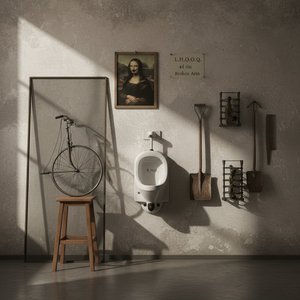
Marcel Duchamp: Challenging Conventions & Redefining Art in the 20th Century
Explore the revolutionary art of Marcel Duchamp! Discover how his Dadaist readymades challenged artistic conventions & redefined modern art. A deep dive into 'Fountain', conceptual shifts, and his lasting impact.