

 Bekijk op ware grootte
 Verstuur
 Delen
Delen
 Details bekijken

 Download
 Vergelijkbare werken
 Röntgenonderzoek
 Diavoorstelling
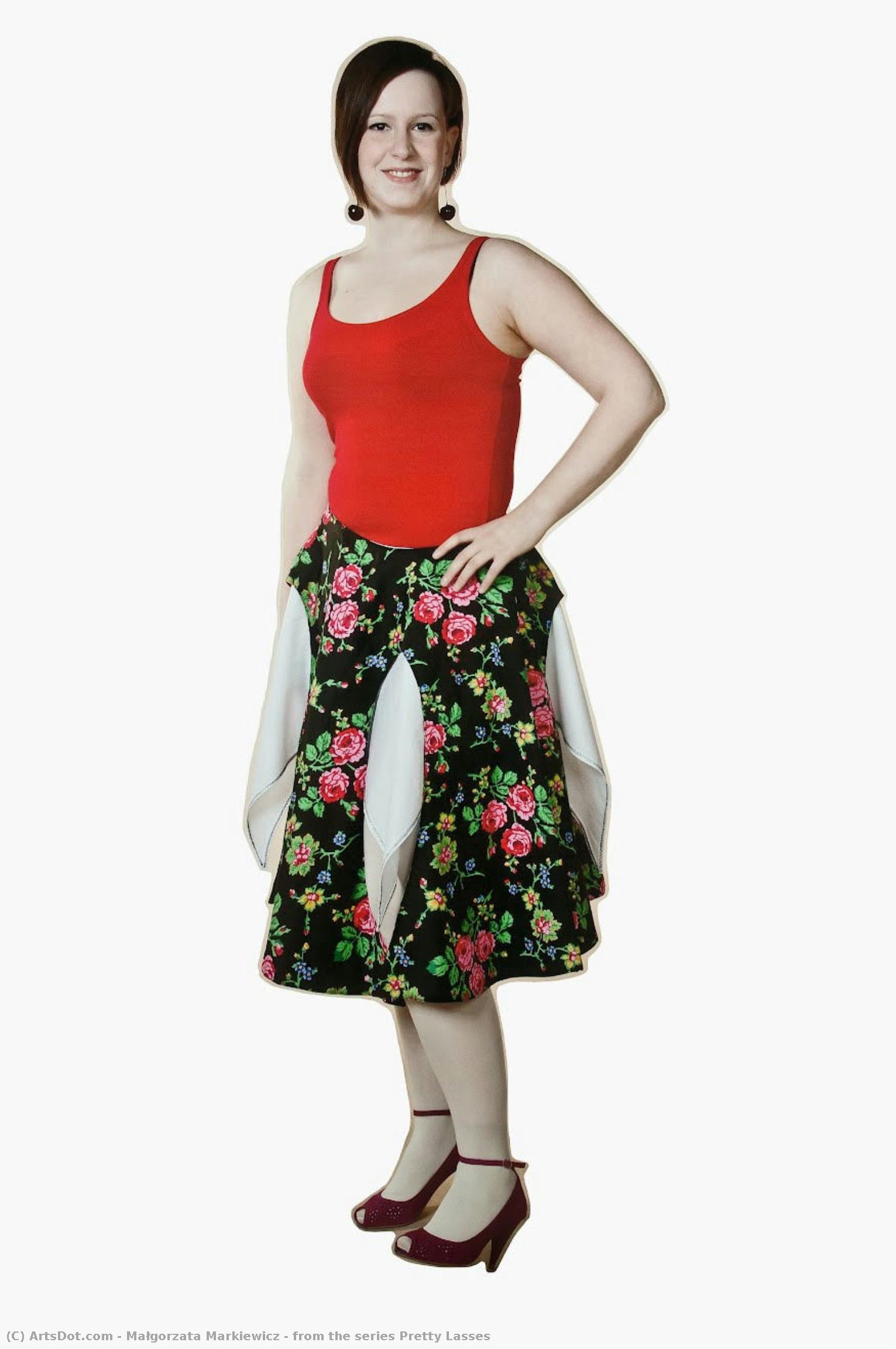
from the series Pretty Lasses


 Lees meer
Handgemaakte olieverfreproductie
Met de hand geschilderd in olieverf op canvas in uw gewenste maat en lijst, op bestelling gemaakt door onze kunstenaars. ( Bestel een print Naar afbeelding wisselen)




































Kies uit onze vooraf ingestelde maten die overeenkomen met de originele verhoudingen van het kunstwerk.

U kunt uw eigen afmetingen invoeren om in een specifieke lijst of ruimte te passen. Als de door u gekozen maat niet overeenkomt met de verhoudingen van het originele beeld, zullen we het kunstwerk bijsnijden of het schilderij uitbreiden met extra handgeschilderde elementen. Een digitale mockup wordt ter goedkeuring naar u verzonden voordat de productie begint.
Houd er rekening mee dat de preview op het scherm niet de werkelijke uitsnede of uitbreiding weergeeft. Alleen de mockup toont de uiteindelijke compositie nauwkeurig.
Hoewel aangepaste afmetingen mogelijk zijn, raden we aan een maat uit de vooraf gedefinieerde lijst te selecteren om de originele verhoudingen te behouden.
Na de bestelling zal het team van ArtsDot.com per e-mail contact opnemen met de klant voor instructies en een mockup-voorbeeld sturen.
Wereldwijde levering () binnen 3 tot 4 weken in plaats van de standaard 5 weken. (11 augustus). Zonder concessies aan de kwaliteit.

Gratis wereldwijde expressverzending

Hoogwaardig linnen canvas

Volledige verzendverzekering

Garantie op terugbetaling van invoerrechten

Garantie op exacte kleurweergave

60 dagen retourbeleid (alleen bij defecten)

100% Geld-terug-garantie

Korting bij meerdere afnames
 De optie voor glas is alleen beschikbaar bij een formaat kleiner dan 110 cm.

from the series Pretty Lasses
Medium reproductie
Formaat reproductie
-


Totaalprijs
$ 263
Beschrijving kunstwerk
Biografie van de kunstenaar
Małgorzata Markiewicz: Weaving Narratives of Gender and Textile
Born in Kraków, Poland, in 1979, Małgorzata Markiewicz’s artistic journey is deeply rooted in the traditions of Polish textile art while simultaneously challenging conventional notions of femininity and societal roles. Her work, encompassing sculpture, photography, and film, frequently utilizes fabric as its primary medium – not merely as a material, but as a potent symbol laden with cultural significance. From her early studies at the Faculty of Sculpture at the Academy of Fine Arts in Kraków, where she graduated with honors, Markiewicz’s practice has consistently interrogated the complex interplay between personal identity and broader social structures, particularly those surrounding gender dynamics within the domestic sphere.
Early influences were undoubtedly shaped by Poland's rich history of textile production and the enduring role of women as skilled craftswomen. However, Markiewicz transcends mere replication of traditional techniques; she actively subverts them, imbuing her creations with layers of meaning that explore themes of eroticism, memory, and the burden of cultural expectations. Her work frequently references stereotypical female roles – knitting, family life, and the domestic realm – but does so not with sentimentality or nostalgia, rather with a critical eye, exposing the constraints and often-invisible labor associated with these traditions.
Fabric as Language: Symbolism and Technique
Markiewicz’s strategic use of fabric is central to her artistic vision. She doesn't simply drape or sew; she meticulously manipulates textures, patterns, and colors to create evocative narratives. Often drawing upon techniques like embroidery, quilting, and patchwork – traditionally associated with women’s work – she elevates them into sophisticated forms of visual communication. Her pieces frequently incorporate elements that subtly challenge conventional notions of beauty and sexuality. Works such as “Zabawki dla Dużych Chłopców” (Toys for Big Boys), created in 2000, are particularly striking examples of this approach, utilizing textiles to construct playful yet provocative representations of the female body – breasts, vaginas, and penises – offering a humorous commentary on male fantasy and societal expectations.
The artist’s choice of materials is equally deliberate. She often juxtaposes luxurious fabrics with industrial elements like concrete and metal, creating a tension between the delicate and the robust, the ephemeral and the enduring. This contrast mirrors her exploration of the inherent contradictions within traditional gender roles – the softness and vulnerability associated with femininity alongside the strength and resilience required to navigate societal pressures.
Exploring Domestic Spaces and Performance
Markiewicz’s artistic practice extends beyond static objects, incorporating performance art as a crucial element. Her installation “Ciepło-Zimno” (Warm-Cold), created in 2004 for the Goethe Institute courtyard in Kraków, is a powerful example of this approach. The work confronted the stark contrast between the cold stone surfaces and the warmth implied by the draped fabrics, prompting viewers to consider the emotional landscape of domestic spaces – the comfort, the constraints, and the unspoken tensions that often reside within them.
Her engagement with public space further solidified her commitment to challenging social norms. The “Kwiaty” (Flowers) series, created in 2004, utilized discarded clothing fragments arranged on the floor, evoking a sense of nascent growth and simultaneously referencing the consumption and disposability inherent in traditional notions of femininity. These pieces, presented alongside photographs, blurred the lines between art and everyday life, inviting viewers to contemplate the hidden narratives embedded within seemingly mundane objects.
Recognition and Legacy
Małgorzata Markiewicz’s work has been exhibited extensively both nationally and internationally, including at MOCAK in Kraków, Botkyrka Konsthall in Stockholm, and the Center for Contemporary Art Ujazdowski Castle in Warsaw. Her pieces have garnered critical acclaim for their innovative use of materials, their insightful exploration of gender dynamics, and their ability to provoke thoughtful reflection on societal norms. She continues to be a vital voice within contemporary Polish art, pushing boundaries and challenging viewers to reconsider the symbolic power of fabric and its enduring connection to human experience.

małgorzata markiewicz
1979 - , Poland
Snelle feiten
- Artistic Movement Or Style: Fabric sculpture/film
- Artists Or Movements Influenced By This Artist: ['Feminist art']
- Artists Who Influenced This Artist: ['']
- Date Of Birth: 1979
- Full Name: Małgorzata Markiewicz
- Nationality: Polish
- Notable Artworks:
- Market Woman
- Patchwork Families
- Grzyby (Mushrooms)
- Place Of Birth: Krakow, Poland

