

 Bekijk op ware grootte
 Verstuur
 Delen
Delen
 Details bekijken
 Gids
Gids

 Download
 Vergelijkbare items
 Röntgenonderzoek
 Diavoorstelling
 Statistieken
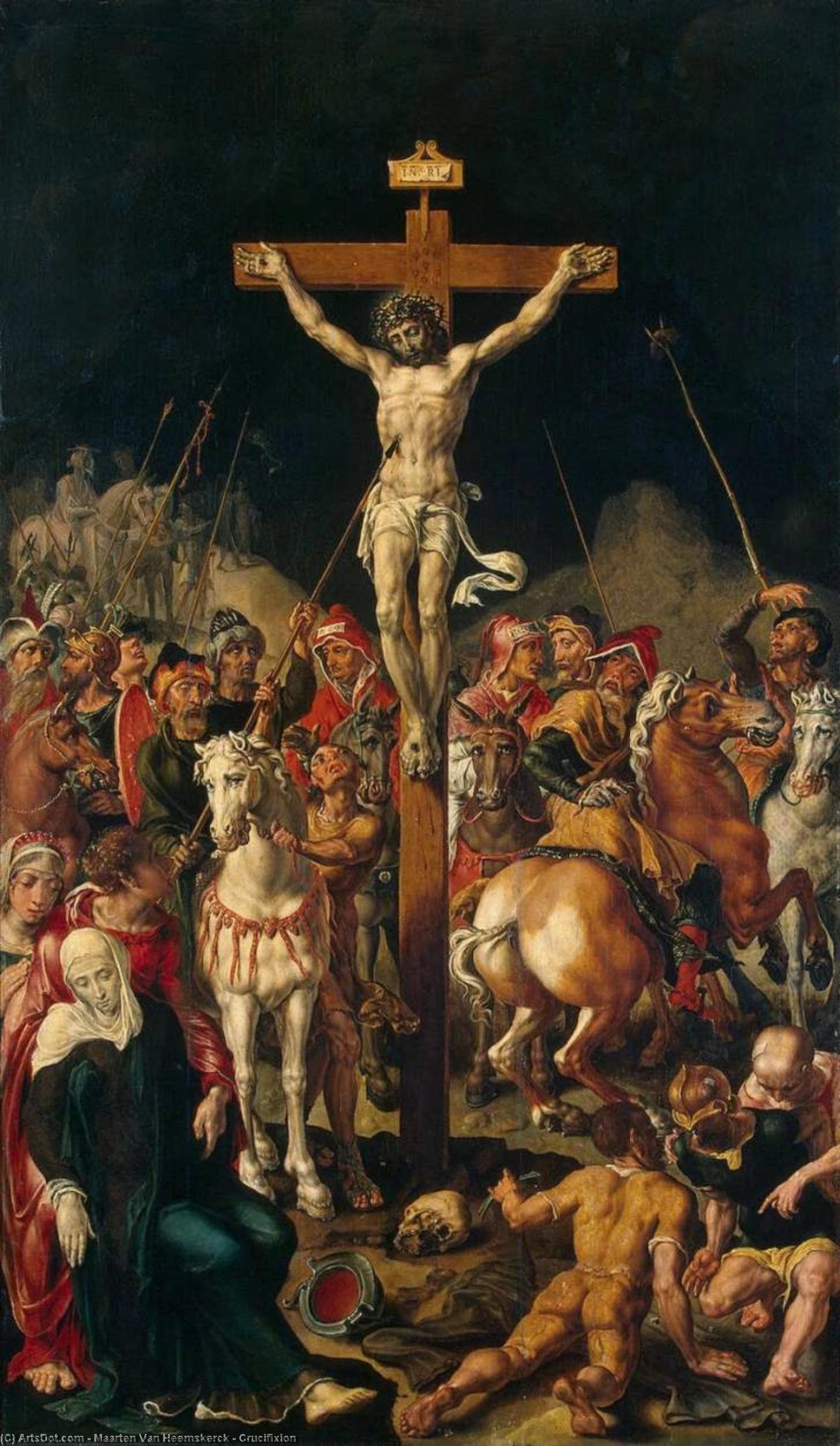
Crucifixion
 Oil On Canvas
- WallArt
- Renaissance Dutch
 1545
1545- Renaissance
 101.0 x 58.0 cm
 Hermitage Museum
 Lees meer
Koop een digitale afbeelding in hoge resolutie met verbeterde kwaliteit, die veel superieur is aan de online voorvertoning.
Elk bestand wordt met uiterste precisie voorbereid door onze interne specialisten, met behulp van geavanceerde tools en deskundige handmatige retouche. Wij garanderen dat elke afbeelding een uitzonderlijke helderheid, nauwkeurige kleurweergave en verfijnde details bezit.
Het uiteindelijke bestand wordt binnen 72 uur per e-mail geleverd, geoptimaliseerd voor direct gebruik in professionele, redactionele en printomgevingen. Dit is dezelfde kwaliteit waarop vooraanstaande designstudio's, uitgevers en galerieën vertrouwen.
Digitale afbeeldingen
Download een bestand met hoge resolutie voor persoonlijke weergave, afdrukken en creatieve projecten. ( Schakel over naar print Koop handgeschilderd kunstwerk)
Inbegrepen bij elke bestelling van een digitale afbeelding
Professionele digitale levering, gegarandeerd
Wanneer u kiest voor ArtsDot.com, ontvangt u niet alleen een afbeelding – u krijgt een professioneel verbeterd digitaal kunstwerk, met precisie vervaardigd en voorzien van een tevredenheidsgarantie. Dit is alles wat automatisch bij uw bestelling is inbegrepen:

Directe levering per e-mail
Uw hoogwaardige digitale afbeeldingsbestand wordt binnen 72 uur na bestelling naar u gemaild – klaar voor direct gebruik.

AI-geoptimaliseerd digitaal bestand
Uw kunstwerk wordt professioneel geoptimaliseerd met behulp van geavanceerde AI-tools en handmatige bewerkingen, waardoor maximale details, helderheid en kleurnauwkeurigheid worden gegarandeerd.

Gratis levenslange herlevering
Je bestand per ongeluk verwijderd of kwijtgeraakt? Geen zorgen – we sturen het u op elk gewenst moment gratis opnieuw toe.

Geen invoerkosten – nooit
Geniet direct van uw kunstwerk zonder invoerrechten, belastingen of verzendkosten – digitale downloads zijn altijd belastingvrij.

Garantie op kleurgetrouwheid
Met behulp van professionele hulpmiddelen en kleurbeheer zorgen wij ervoor dat uw digitale afbeelding de originele kleuren zo nauwkeurig mogelijk weergeeft.

100 dagen tevredenheidsgarantie
Als u niet tevreden bent met uw digitale afbeelding, passen wij deze aan of storten wij 100% terug binnen 100 dagen - zonder vragen te stellen.

100% Geld-terug-garantie
Niet tevreden? Ontvang een volledige terugbetaling binnen 100 dagen na ontvangst van uw digitale bestand – zonder vragen te stellen.

Korting bij grote bestellingen
Koop 3 afbeeldingen, bespaar 10% - Koop 5, bespaar 15% - Koop 10+, bespaar 20%. Ideaal voor creatieve projecten, galerieën en bureaus.
A Window Into Faith: Maerten van Heemskerck’s Crucifixion Triptych
The Crucifixion by Maerten van Heemskerck, completed in 1545, stands as a monumental achievement of the Dutch Renaissance and a testament to the enduring power of religious iconography. More than just a depiction of Christ's suffering – though undeniably poignant – this triptych transcends mere representation, immersing viewers in a meticulously crafted tableau that speaks volumes about humanist ideals and artistic innovation. Painted during a period marked by fervent piety and intellectual curiosity, it embodies the spirit of its time while simultaneously securing its place as one of the most influential artworks of the era.Style and Technique: Bridging Italian Renaissance Grandeur with Dutch Realism
Van Heemskerck skillfully blended elements of Italian Renaissance grandeur with the burgeoning realism characteristic of Dutch art. Influenced by artists like Michelangelo and Raphael, he adopted a pyramidal composition – a technique favored in monumental religious paintings – to convey stability and solemnity. However, unlike many Italian counterparts that prioritized idealized beauty, Van Heemskerck’s approach embraced meticulous detail and naturalistic observation. The artist painstakingly rendered textures—the rough linen of Christ's robe, the weathered stone of the cross—creating a palpable sense of physicality that distinguishes it from more stylized depictions. This careful attention to realism was further enhanced by his masterful use of chiaroscuro – dramatic contrasts between light and shadow – which sculptured form and imbued the scene with emotional depth.Historical Context: Rome Under Charles V and the Reformation’s Influence
The Crucifixion's creation coincided with a pivotal moment in European history: the reign of Charles V, Holy Roman Emperor, and the escalating tensions surrounding the Protestant Reformation. The Habsburg monarch championed Catholicism fiercely, commissioning artworks like this to reaffirm papal authority and bolster religious faith. Yet, Van Heemskerck’s work wasn’t solely driven by political considerations; it reflected a broader humanist preoccupation with human suffering and mortality – themes explored extensively in classical literature and philosophy. The triptych served as part of a larger project to decorate the Porta San Sebastiano in Rome, commemorating Charles V's victory over Protestant forces—a visual declaration of imperial piety amidst religious upheaval.Symbolism: Layers of Meaning Beyond Visual Representation
The Crucifixion’s symbolism is rich and multifaceted. The central panel depicts Jesus Christ crucified on the cross, a universally recognized emblem of sacrifice and redemption. His outstretched arms symbolize humility and acceptance of divine judgment, while his gaze directs upward towards God—a gesture signifying hope and spiritual aspiration. Surrounding him are figures representing Mary Magdalene, Nicodemus, Joseph of Arimathea, and others who witnessed Christ’s death – each embodying compassion and devotion. The inclusion of a horse on the right panel reinforces the imagery of royalty and divine majesty, mirroring the emperor's patronage. Furthermore, the cup positioned at the bottom left corner symbolizes the Eucharist—the sacrament commemorating Jesus’s sacrifice—underscoring the theological significance of the artwork.Emotional Impact: A Profound Reflection on Suffering and Faith
Ultimately, Maerten van Heemskerck’s Crucifixion transcends mere visual spectacle; it evokes a profound emotional response in viewers. The subdued palette – dominated by earthy tones – contributes to an atmosphere of solemn contemplation. Yet, the artist's masterful manipulation of light and shadow intensifies the drama of the scene, conveying the agony of Christ’s torment and eliciting empathy for his suffering. It compels us to confront questions about faith, mortality, and divine compassion—themes that continue to resonate across centuries. The Crucifixion remains a powerful reminder of humanity's capacity for sorrow and its unwavering belief in redemption – an enduring masterpiece that secures its place as one of the most poignant expressions of Renaissance spirituality.Gerelateerde kunstwerken


Biografie van de kunstenaar
vroege jaren en opleiding
maerten van heemskerck, een vooraanstaand Nederlands portret- en religieus schilder, werd op 1 juni 1498 geboren in het dorp Heemskerk, Noord-Holland. Zijn artistieke reis begon onder de begeleiding van cornelius willemsz in haarlem, gevolgd door een korte periode in delft bij jan lucasz. Uiteindelijk werd hij een leerling van jan van scorel, waarbij hij de door zijn meester beïnvloede Italiaanse stijl adopteerde.hoogtepunten uit zijn carrière
- het werk van maerten van heemskerck wordt gekenmerkt door zijn innovatieve versmelting van Nederlandse en Italiaanse invloeden, zoals te zien is in zijn beroemde familieportret, dat wordt beschouwd als de eerste in een lange traditie van Nederlandse familieportretten.
- zijn samenwerking met antonio da sangallo de jongere, battista franco en francesco de' rossi (il salviati) aan de herdecoratie van de porta san sebastiano in rome, een triomfboog ter ere van keizer charles v, getuigt van zijn vermogen tot snelle uitvoering als decoratieschilder.
- de tekeningen van heemskerck van klassieke sculptuur en architectuur, die nu bewaard worden in twee schetsboeken in het kupferstichkabinett berlin, demonstreren zijn vaardigheid in het vastleggen van de essentie van de Italiaanse kunst.
opmerkelijke werken en nalatenschap
- de schenker en heilige maria magdalena (bekijk op ArtsDot)
- de maagd en heilige johannes de evangelist (bekijk op ArtsDot)
- samson die de pilaren van de tempel verbrijzelt, maarten van heemskerck (bekijk op ArtsDot)
conclusie
maerten van heemskerck heeft een onmiskenbare, diepgaande impact gehad op de kunstwereld. zijn werken, die nu deel uitmaken van diverse museumcollecties, waaronder het rijksmuseum, blijven kunstenaars en kunstliefhebbers inspireren. om meer van zijn meesterwerken te ontdekken, bezoek
Maerten Van Heemskerck
1498 - 1574 , Nederland
Kerngegevens
- Artistic Movement Or Style: Maniërisme
- Artists Who Influenced This Artist:
- Jan van Scorel
- Antonio da Sangallo de Jongere
- Date Of Birth: 1 juni 1498
- Date Of Death: 1 oktober 1574
- Full Name: Maerten Jacobsz van Heemskerck
- Nationality: Nederlands
- Notable Artworks:
- Lamentatie over de dode Christus
- Pieter Jan Foppeszoon en zijn gezin
- Christus als de Man van Smarten
- Place Of Birth: Heemskerk, Nederland