

 Voorvertoning
 Verstuur
 Delen
Delen
 Details bekijken
 Gids
Gids

 Download
 Vergelijkbare items
 Röntgenonderzoek
 Diavoorstelling
 Q&A
Q&A Statistieken
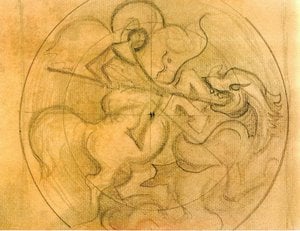
Untitled

- 98.0 x 130.0 cm
 Lees meer
De kunstwerken die op deze pagina worden weergegeven, zijn beschermd door de auteursrechtwetgeving, wat betekent dat het ons wettelijk niet is toegestaan om identieke reproducties te maken of te verkopen. Deze bescherming wordt gehandhaafd onder internationale overeenkomsten zoals de Conventie van Bern en door nationale wetgeving, waaronder de bepalingen van de Amerikaanse auteurswet - Titel 17. Alle rechten voorbehouden. Reproduceren of distribueren van afbeeldingen is niet toegestaan zonder uitdrukkelijke schriftelijke toestemming van WahooArt.com en de rechthebbenden.
Deze methode voldoet volledig aan de auteursrechtwetgeving, omdat het niet gaat om het kopiëren of dupliceren van het beschermde kunstwerk. In plaats daarvan is er sprake van een creatieve herinterpretatie — een nieuw schilderij dat door het origineel wordt geïnspireerd, maar er niet identiek aan is.
Giclée / Kunstafdrukken
Giclée- of canvasafdruk van museumkwaliteit met een snelle productie en flexibele afwerkingsmogelijkheden. ( Bestel handgeschilderde reproductie Schakel over naar digitale afbeeldingen)




































Kies uit onze vooraf ingestelde maten die overeenkomen met de originele verhoudingen van het kunstwerk.

Voer de gewenste breedte en hoogte in, passend bij uw lijst of muur. Een afdruk kan alleen worden ingekort en nooit groter worden gemaakt dan het origineel; een formaat met andere verhoudingen zal daarom een deel van de afbeelding verliezen. Wij sturen u een digitaal mockup ter goedkeuring voordat we tot drukwerk overgaan. De afbeelding op deze pagina toont niet de werkelijke uitsnede — dit is alleen te zien op het mockup.
Wereldwijde levering () binnen 2 weken in plaats van de standaard 4/5 weken. (2 november)

Gratis wereldwijde expressverzending

Hoogwaardig linnen canvas

Volledige verzendverzekering

Garantie op terugbetaling van invoerrechten

Garantie op exacte kleurweergave

Retourbeleid van 100 dagen (alleen bij defecten)

100% Geld-terug-garantie

Korting bij meerdere afnames
 De optie voor glas is alleen beschikbaar bij een formaat kleiner dan 110 cm.

Untitled
Giclée / Kunstafdrukken
Afmetingen reproductie
-


Eindtotaal
€ 56
Vergelijkbare kunstwerken


Biografie kunstenaar
The Visceral Dance of Matter: The Life and Legacy of Kazuo Shiraga
In the turbulent landscape of postwar Japan, a new language of expression emerged from the wreckage of tradition, driven by a raw, unbridled need to confront reality. At the heart of this revolution stood Kazuo Shiraga, an artist whose very method of creation became a performance of physical struggle and spiritual release. Born in Amagasaki in 1924, Shiraga’s early years were steeped in a duality of influences that would later define his radical aesthetic. He was trained in the meticulous, disciplined world of Nihonga—the traditional Japanese style of painting characterized by delicate brushwork and subtle tonal gradations—yet he was simultaneously haunted and inspired by the primal, choreographed movements of Noh theatre. This early immersion in the ritualistic gestures of performance would eventually find its way into his canvases, not through subtle strokes, but through the violent, sweeping motions of his entire body.
The true metamorphosis of Shiraga’s career occurred with his involvement in the Gutai Art Association, a collective he helped found in 1955. Alongside visionaries like Jirō Yoshihara, Shiraga sought to move beyond the mere representation of objects, aiming instead to "embrace matter" and allow it to speak for itself. This period marked the birth of his most iconic and visceral technique: the foot painting. Eschewing the traditional brush, Shiraga would suspend himself from a rope above a canvas spread on the floor, using his feet to manipulate thick, heavy layers of oil paint. This was not merely a stylistic choice but an existential act; by using his whole body, he bridged the gap between the artist’s physical presence and the medium itself, turning the act of painting into a dance of pure energy and instinct.
A Symphony of Chaos and Spirit
To witness a Shiraga painting is to encounter a battlefield of color and texture. His works from the height of the Gutai years are characterized by an intense, gestural impasto that captures the momentum of his movements. The swirling blues, fiery reds, and deep blacks do not sit passively on the canvas; they collide, drip, and overlap in a way that evokes a sense of cosmic struggle. This technique was deeply intertwined with his personal evolution, particularly his later conversion to Buddhism. As he matured, the chaotic energy of his early performance pieces began to reflect a deeper spiritual journey—a search for transformation and renewal amidst the flux of existence. Works such as Fire of Dattan serve as profound testaments to this, where vibrant compositions evoke the idea of a soul undergoing a metamorphosis through fire and light.
Beyond the sheer physicality of his work, Shiraga’s significance lies in how he redefined the boundaries of what art could be. He was a pioneer who refused to be confined by the frame, exploring:
- Performance Art: Using the body as a tool to leave indelible marks on the world.
- Three-Dimensionality: Moving beyond the flat surface to engage with installations and object-making.
- Materiality: Treating paint not just as color, but as a heavy, sculptural substance that possesses its own weight and agency.
Through his radical experimentation, Kazuo Shiraga did more than just invent a new way to paint; he challenged the very definition of the artist's role in society. He moved the focus from the finished product to the process of creation, ensuring that the traces of human struggle and movement remained forever etched in the pigment. His legacy remains a cornerstone of modern art history, reminding us that true creativity often requires us to break our tools, abandon our comforts, and engage with the world with our whole, uninhibited selves.

Kazuo Shiraga
1924 - 2008
Belangrijkste feiten
- Full Name: Fujiko Shiraga
- Nationality: Japanese
- Date Of Birth: 1924
- Date Of Death: 2008
- Place Of Birth: Osaka, Japan
- Notable Artworks: ['White Plank']
- Artistic Movement Or Style: Gutai Art Association
- Artists Who Influenced This Artist: ['Kazuo Shiraga']
- Artists Or Movements Influenced By This Artist: ['Yves Klein']