

 Bekijk op ware grootte
 Verstuur
 Delen
Delen
 Details bekijken
 Gids voor studentenkunstwerken

 Download
 Vergelijkbare items
 Röntgenonderzoek
 Diavoorstelling
 Statistieken
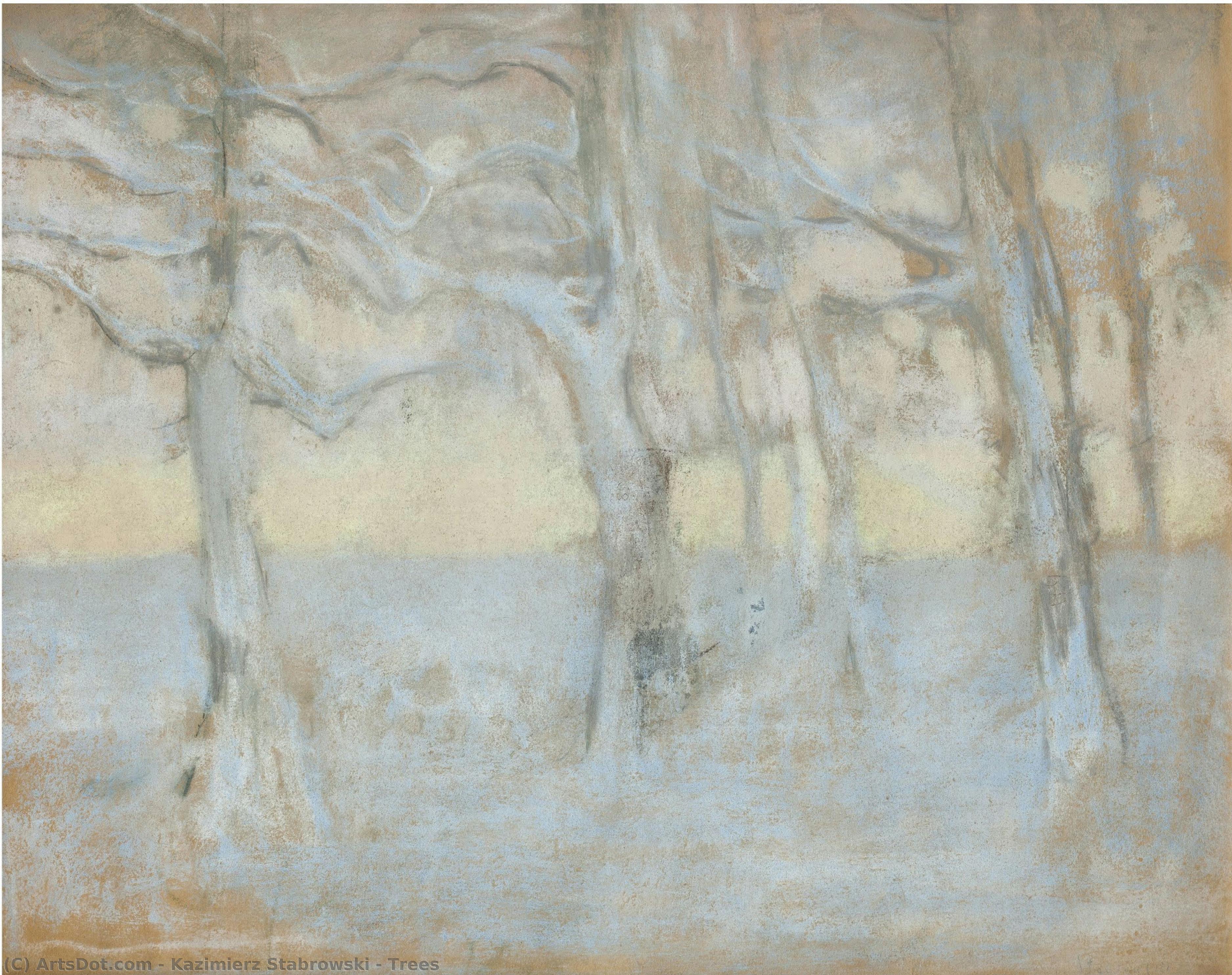
Trees
 Pastel
- WallArt
- Symbolism
 1895
1895- 19th Century
 47.0 x 63.0 cm
 Lithuanian Art Fund
 Lees meer
Giclée / Kunstafdrukken
Giclée- of canvasafdruk van museumkwaliteit met een snelle productie en flexibele afwerkingsmogelijkheden. ( Koop handgeschilderd kunstwerk Schakel over naar digitale afbeeldingen)




P118B €10

P118H €10

P118W €10

P438Z €10

P508JH €12

P508YH €12

P805H €10

P805Z €10

P919BZ €10

P919G €10

P919XJ €10

P959ZH €10

P968JZ €12

W106C €8

W218G €10

W218JH €8

W218Y €10

W307PJ €10

W316G €10

W316PJ €8

W316Y €10

W398PJ €8

W4111J €10

W500HY €15

W500JH €15

W692G €12

W849H €8

W940BG €15

W953PJ €8




Kies uit onze vooraf ingestelde maten die overeenkomen met de originele verhoudingen van het kunstwerk.

Voer de breedte en de hoogte in die u nodig heeft, passend bij uw lijst of uw muur. Een afdruk kan alleen worden ingekort, nooit groter worden gemaakt dan het origineel, waardoor een formaat met een andere verhouding een deel van de afbeelding verliest. Wij sturen u een digitaal mockup ter goedkeuring voordat we iets drukken. De afbeelding op deze pagina toont niet de werkelijke uitsnede — dit is alleen te zien op het mockup.
Wereldwijde levering () binnen 2 weken in plaats van de standaard 4/5 weken. (21 oktober)

Gratis wereldwijde expressverzending

Hoogwaardig linnen canvas

Volledige verzendverzekering

Garantie op terugbetaling van invoerrechten

Garantie op exacte kleurweergave

Retourbeleid van 100 dagen (alleen bij defecten)

100% Geld-terug-garantie

Korting bij meerdere afnames
 De optie voor glas is alleen beschikbaar bij een formaat kleiner dan 110 cm.

Trees
Giclée / Kunstafdrukken
Formaat reproductie
-


Totaalprijs
€ 55
Kazimierz Stabrowski's "Trees": A Symbolist Landscape of Transformation
- Artist: Kazimierz Stabrowski (1869-1929)
- Date: 1895
- Medium: Pastel on paper
- Size: 47 x 63 cm
Kazimierz Stabrowski's "Trees" is a captivating pastel drawing that transcends simple representation, offering instead a glimpse into the artist’s exploration of symbolism and romanticism within the natural world. This work, created in 1895, showcases a pivotal moment in Stabrowski's artistic development as he moves away from strict realism towards abstraction, while retaining a profound emotional depth.
Subject Matter & Composition
"Trees" depicts a cluster of trees set against what appears to be a beach or shoreline. The composition is dominated by the verticality of the tree trunks and branches, rendered with loose, flowing lines and blended colors. Unlike traditional landscape paintings that prioritize accurate depiction, Stabrowski prioritizes conveying an atmosphere and feeling. There's no clear focal point; instead, the eye wanders across the dense visual field created by the clustered trees, eventually settling on the hazy background suggesting a distant shoreline. The horizontal format emphasizes the breadth of the scene while maintaining a sense of intimacy through the close proximity of the trees in the foreground.
Style and Technique: A Shift Towards Abstraction
The artwork exemplifies a transition towards abstraction. Stabrowski’s technique is characterized by loose, gestural strokes that capture the essence of the trees rather than their precise form. The blending of colors—primarily muted tones of beige, grey, blue, and brown with subtle hints of yellow and green—creates a hazy, dreamlike effect. This soft palette contributes to the overall melancholic and contemplative mood. The use of pastels lends itself beautifully to this style, creating a velvety texture that enhances the sense of depth and dimension. The lines themselves are not sharp or defined but rather flow into one another, suggesting movement and growth within the trees. It's worth noting the similarities in tree depiction with those found in Mikalojus Konstantinas Čiurlionis’ “Winter” collection (1907), highlighting a shared artistic sensibility of the time.
Symbolism & Emotional Impact
Beyond its aesthetic qualities, "Trees" carries significant symbolic weight. The transforming trees represent change, growth, and potentially even spiritual evolution—themes central to Stabrowski’s interest in symbolism and romanticism. The artist's intention was not merely to depict a scene but to express ideas, feelings, and experiences through the landscape. The hazy atmosphere and muted colors evoke a sense of longing or introspection, inviting viewers to contemplate their own connection to nature and the passage of time. This work is more than just a depiction of trees; it’s an exploration of the human condition within the context of the natural world.
Historical Context & Artistic Significance
Created during a period of artistic experimentation, "Trees" reflects the broader shift away from realism and towards symbolism and abstraction in late 19th-century art. Stabrowski’s work stands as an important example of Polish Symbolism, demonstrating a desire to move beyond mere representation and explore deeper emotional and spiritual truths. His exploration of these themes, combined with his later involvement in the Theosophical Society, further enriches the interpretation of this evocative pastel drawing.
Vragen & Antwoorden
Welke kunstenaar en welke stijl staan achter "Trees"?
Kazimierz Stabrowski creëerde "Trees" binnen de Symbolism-stroming.
Kan "Trees" door Kazimierz Stabrowski, onderdeel van de collectie van Lithuanian Art Fund, op legale wijze worden gereproduceerd?
Het originele "Trees" bevindt zich in Lithuanian Art Fund en het werk is bevindt zich in het publiek domein - de auteursrechten zijn verlopen.
Voor wie is "Trees" door Kazimierz Stabrowski een mooi cadeau?
"Trees" wordt aanbevolen als cadeau voor Birthday, met Mood in gedachten.
Gerelateerde kunstwerken


Biografie van de kunstenaar
vroege jaren en opleiding
Kazimierz Stabrowski, een vooraanstaande Poolse schilder, werd in 1869 geboren in Navahrudak, Wit-Rusland. Hij vervolgde zijn studie aan de Academie voor Schone Kunsten in Warschau, waar hij later zelfs de rol van directeur op zich nam. Deze cruciale positie toonde niet alleen zijn artistieke meesterschap, maar verstevigde ook zijn invloed op de volgende generatie kunstenaars die onder zijn leiding vorm kregen.artistieke stijl en befaamde werken
Het oeuvre van Stabrowski wordt gekenmerkt door een dromerige, symbolische kwaliteit, waarbij hij vaak elementen van het symbolisme en de romantiek op meesterlijke wijze met elkaar verweeft. Een van zijn meest gevierde werken, Het Sneeuwwitje (1891), is een perfect voorbeeld van deze unieke stijl die kunstliefhebbers al meer dan een eeuw in zijn greep houdt.de oprichting van de theosofische vereniging in Polen
Naast zijn artistieke prestaties speelde Stabrowski een significante rol bij de oprichting van de eerste loges van de theosofische vereniging in Polen. Deze filosofische samenleving, gebaseerd op principes van spiritualiteit en het occulte, onderstreept nogmaals de veelzijdige en diepzinnige aard van Stabrowski.erfenis en latere leven
Stabrowski overleed in 1929 in Garwolin, Polen, en liet een nalatenschap na die tot op de dag van vandaag zowel kunstenaars als liefhebbers inspireert. Zijn invloed is zichtbaar in diverse aspecten van de Poolse kunst, van de Academie voor Schone Kunsten in Warschau tot zijn talrijke symbolische en romantische composities.geselecteerde werken van Kazimierz Stabrowski op ArtsDot.com
- Geest van de bergen (105 x 85 cm, Lithuanian Art Fund, Vilnius, Litouwen, olieverf op doek) - een essentieel voorbeeld van Stabrowski's symbolische stijl.
- Colosseum in het maanlicht (47 x 65 cm, Lithuanian Art Fund, Vilnius, Litouwen, pastel) - dit werk toont Stabrowski's vermogen om etherische landschappen vast te leggen.
- Bomen (47 x 63 cm, Lithuanian Art Fund, Vilnius, Litouwen, pastel) - een unieke versmelting van realisme en abstracte beeldtaal, kenmerkend voor het latere werk van Stabrowski.
musea met werken van Kazimierz Stabrowski op ArtsDot.com
- Lithuanian Art Fund (Vilnius, Litouwen) - deze instelling herbergt verschillende van de opmerkelijke werken van Stabrowski, waaronder de bovengenoemde stukken.

Kazimierz Stabrowski
1869 - 1929 , Wit-Rusland
Snelle feiten
- Artistic Movement Or Style: Symbolisme
- Artists Who Influenced This Artist:
- Gustav Klimt
- Jean Sibelius
- Date Of Birth: 21 november 1869
- Date Of Death: 10 juni 1929
- Full Name: Kazimierz Stabrowski
- Nationality: Pools
- Notable Artworks:
- Sneeuwmeisje
- Bomen
- Rome. Fontana Dei Cavalli Marini
- Place Of Birth: Kruplyany, Wit-Rusland
Gerelateerde artikelen

Arboreal Echoes: A Historical & Artistic Exploration of Trees in Painting
Explore the rich history of trees in painting! Discover symbolism, Romantic masterpieces by Caspar David Friedrich & beyond. A curated journey for art enthusiasts.

Arboreal Echoes: A Historical & Artistic Exploration of Trees in Painting
Explore the rich history of trees in painting! Discover symbolism, Romantic masterpieces by Caspar David Friedrich & beyond. A curated journey for art enthusiasts.

The Subdued Radiance of Pastel: Exploring Nuance & Emotion in Art
Explore the nuanced world of pastel art! Discover its history, techniques & emotional power with expert insights from ArtsDot.com. Find museum-quality reproductions and learn about collecting this delicate medium.

The Subtleties of Pastel: A Comprehensive Exploration of Technique, History & Emotional Resonance
Explore the captivating world of pastel art! Discover its rich history, Impressionistic masters like Degas, emotional power & unique techniques. Find museum-quality reproductions at ArtsDot.

Stanisław Wyspiański: Symbolism, National Identity & the Polish Secession
Explore the life & work of Stanisław Wyspiański, a pivotal figure in Polish Symbolism and the Young Poland movement. Discover his iconic paintings, dramas, and stained glass designs reflecting national identity & artistic innovation.