


 Voorvertoning
 Verstuur
 Delen
Delen
 Details bekijken

 Download
 Vergelijkbare items
 Röntgenonderzoek
 Diavoorstelling
Swallow
 Traditional East Asian
 90.0 x 29.0 cm
 Lees meer
Giclée / Kunstafdrukken
Giclée- of canvasafdruk van museumkwaliteit met een snelle productie en flexibele afwerkingsmogelijkheden. ( Bestel handgeschilderde reproductie Koop afbeelding)




































Kies uit onze vooraf ingestelde maten die overeenkomen met de originele verhoudingen van het kunstwerk.

U kunt uw eigen afmetingen opgeven om in een specifieke lijst of ruimte te passen. Als de door u gekozen maat niet overeenkomt met de proporties van het originele kunstwerk, zullen wij de afbeelding bijsnijden of uitbreiden met een gespiegelde of effen rand. Een digitaal mockup wordt ter goedkeuring naar u verzonden voordat de productie begint.
Houd er rekening mee dat de preview op het scherm de werkelijke bijsneding of uitbreiding niet weergeeft. Alleen de mockup toont de uiteindelijke compositie nauwkeurig.
Hoewel aangepaste maten beschikbaar zijn, raden wij aan een afmeting uit de vooraf bepaalde lijst te kiezen om de originele proporties te behouden.
Wereldwijde levering () binnen 2 weken in plaats van de standaard 4/5 weken. (6 september)

Gratis wereldwijde expressverzending

Hoogwaardig linnen canvas

Volledige verzendverzekering

Garantie op terugbetaling van invoerrechten

Garantie op exacte kleurweergave

Retourbeleid van 100 dagen (alleen bij defecten)

100% Geld-terug-garantie

Korting bij meerdere afnames
 De optie voor glas is alleen beschikbaar bij een formaat kleiner dan 110 cm.

Swallow
Giclée / Kunstafdrukken
Afmetingen reproductie
-


Eindtotaal
$ 63
Vergelijkbare kunstwerken


Biografie van de kunstenaar
Kanō Tsunenobu: Weaver of Myth and Master of the Kanō School
Kanō Tsunenobu (1636-1713) stands as a pivotal figure in Japanese art history, a master painter whose legacy profoundly shaped the Kanō school for over two centuries. Born into a family deeply rooted in artistic tradition – his father was the esteemed Kano Naonobu – Tsunenobu’s journey wasn't merely one of inheriting a lineage; it was a process of refining and expanding upon established techniques while simultaneously forging a distinctive style. His life coincided with a period of immense cultural and political transformation, marked by the rise of the Tokugawa shogunate and a burgeoning interest in Chinese art and aesthetics. This confluence of factors profoundly influenced his artistic development, leading him to become not only a skilled craftsman but also a key interpreter of classical themes and narratives.
Tsunenobu’s early training was rigorous, meticulously overseen by his father and later his uncle, Kano Tan'yū, the head of the Kanō school. This apprenticeship instilled in him a deep understanding of *sumi-e*, the monochrome ink painting technique that defined the school’s aesthetic. However, unlike his uncle, who favored grand historical scenes and portraits, Tsunenobu demonstrated an early inclination towards mythological subjects and album paintings – smaller, more intimate works intended for aristocratic patrons. This divergence would ultimately become a hallmark of his artistic identity.
The Mythological Master: Dragons, Phoenixes, and the Echoes of China
Tsunenobu’s most celebrated work lies in his depictions of mythological creatures—dragons, phoenixes, and other fantastical beasts—a genre he elevated to unprecedented heights. These paintings weren't merely decorative; they were imbued with symbolic meaning, reflecting Confucian ideals of virtue, harmony, and the cosmic order. The dragon, particularly, held immense significance, representing imperial power, good fortune, and masculine strength. Tsunenobu’s dragons are not simply monstrous figures but embodiments of these virtues, rendered with a remarkable blend of dynamism and grace.
His mastery of *longma*, the fearsome Chinese dragon-horse, is particularly noteworthy. These dynamic compositions, often depicting the longma battling demons or rescuing princesses, showcase Tsunenobu’s technical skill and his ability to capture movement and emotion with subtle brushstrokes. He meticulously studied Chinese paintings and texts, adapting their motifs and techniques to create a uniquely Japanese interpretation. The influence of Chinese painting is undeniable, yet Tsunenobu skillfully integrated these elements into a distinctly Japanese visual language.
- Notable Mythological Works: Mythological Beasts (Dragon, Phoenix), The Longma Dragon.
- Technique: Primarily employed *sumi-e*, utilizing varying densities of ink to create depth and texture.
- Symbolism: Incorporated Confucian values through the depiction of mythical creatures.
Album Paintings: A Window into Aristocratic Taste
Alongside his mythological works, Tsunenobu excelled in creating *album paintings* – small, meticulously crafted panels intended for private viewing by wealthy patrons. These albums typically featured a collection of individual scenes depicting birds, flowers, landscapes, and occasionally figures. Unlike the grand historical narratives favored by other Kanō artists, these album paintings offered a more intimate glimpse into the world of aristocratic taste and aesthetic sensibilities.
Tsunenobu’s album paintings are characterized by their exquisite detail, delicate brushwork, and subtle color palettes. He skillfully rendered the textures of leaves, feathers, and water, creating a sense of realism that belied the small scale of the works. These albums were not merely decorative objects; they served as visual meditations on beauty, nature, and the cyclical rhythms of life.
The Evolution of Style: From Tan'yū to Tsunenobu
Following the death of his father in 1645, Tsunenobu entered into a close working relationship with his uncle, Kano Tan’yū. This collaboration was crucial to his artistic development, as he learned from Tan’yū’s extensive experience and accumulated knowledge. However, it also presented a challenge: many works attributed to Tan'yū were actually created by Tsunenobu, often in conjunction with his uncle. This complex relationship highlights the collaborative nature of the Kanō school and the difficulty of definitively attributing specific works to individual artists.
As he matured as an artist, Tsunenobu’s style gradually shifted from the more flamboyant and dramatic approach of Tan'yū towards a greater emphasis on elegance, refinement, and subtle detail. His later works are characterized by a softer brushstroke, a lighter color palette, and a more restrained composition. This evolution reflects not only his personal artistic growth but also the changing tastes of the aristocratic clientele he served.
Legacy and Historical Significance
Kanō Tsunenobu’s contributions to Japanese art are immense. He solidified the Kanō school's reputation as one of the most prestigious artistic institutions in Japan, establishing a distinctive style that would be emulated by subsequent generations of artists. His masterful depictions of mythological creatures continue to captivate audiences today, offering a window into the rich cultural and symbolic landscape of Edo-period Japan.
Tsunenobu’s legacy extends beyond his individual works; he played a crucial role in preserving and transmitting the traditions of Chinese painting within the context of Japanese art. His meticulous study of Chinese techniques and motifs ensured that these influences remained vibrant throughout the Kanō school, shaping its aesthetic identity for centuries to come. He remains a testament to the power of artistic apprenticeship, cultural exchange, and the enduring appeal of classical themes.

kano tsunenobu
1636 - 1713
Belangrijkste feiten
- Artistic Movement Or Style: Kanō School
- Artists Or Movements Influenced By This Artist:
- Eitoku
- Motonobu
- Artists Who Influenced This Artist:
- Kanō Naonobu
- Kanō Tan'yū
- Date Of Birth: 1636
- Date Of Death: 1713
- Full Name: Kanō Tsunenobu
- Nationality: Japanese
- Notable Artworks:
- Mount Fuji in Autumn
- Swallow
- Mythological Beasts
- Place Of Birth: Kyoto, Japan
Gerelateerde artikelen

Katsushika Hokusai's 25 Meesterwerken: Japanse Kunst voor uw Interieur | ArtsDot
Ontdek de 25 meesterwerken van Katsushika Hokusai, de Japanse Ukiyo-e kunstenaar! Reis door zijn iconische prints zoals 'The Great Wave' en Mount Fuji. Vind museumkwaliteit reproducties & inspiratie voor uw interieur op ArtsDot.com.

The Beauty of Ink Wash: Discover Serene & Soulful Art for Your Home
Discover the tranquil beauty of ink wash painting. Explore how Sumi-e and monochrome landscapes bring Zen-inspired serenity and soulful elegance to your home decor through expert curation and timeless East Asian aesthetics.

Ephemeral Expressions: Exploring the Nuances of Ink on Paper Through History & Contemporary Art
Explore the captivating world of ink wash painting – from its ancient origins to contemporary masters. Discover techniques, symbolism & conservation insights with ArtsDot.com.
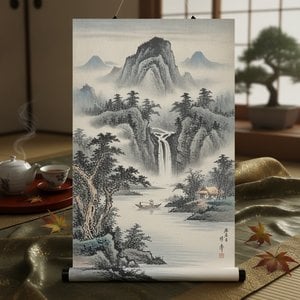
Serenity on Canvas: A Guide to the Timeless Beauty of Japanese Landscape Painting
Discover the serene beauty of Japanese landscape painting. From Hokusai's iconic woodblock prints to meditative sumi-e ink washes, explore a visual journey through the 'floating world' and learn how to bring this timeless Zen aesthetic into your modern home decor.

Ephemeral Lines: Exploring Emotional Resonance in Ink Sketching Traditions
Explore the profound art of ink sketching! Discover techniques to express emotion, master line work, and cultivate artistic sensitivity. Learn from historical masters & unlock your creative potential.