

 Voorvertoning
 Verstuur
 Delen
Delen
 Details bekijken
 Gids
Gids

 Download
 Vergelijkbare items
 Röntgenonderzoek
 Diavoorstelling
 Q&A
Q&A Statistieken
Old Sarum

- 300.0 x 487.0 cm


 Lees meer
Giclée / Kunstafdrukken
Giclée- of canvasafdruk van museumkwaliteit met een snelle productie en flexibele afwerkingsmogelijkheden. ( Bestel handgeschilderde reproductie Schakel over naar digitale afbeeldingen)




P118B €10

P118H €10

P118W €10

P438Z €10

P508JH €12

P508YH €12

P805H €10

P805Z €10

P919BZ €10

P919G €10

P919XJ €10

P959ZH €10

P968JZ €12

W106C €8

W218G €10

W218JH €8

W218Y €10

W307PJ €10

W316G €10

W316PJ €8

W316Y €10

W398PJ €8

W4111J €10

W500HY €15

W500JH €15

W692G €12

W849H €8

W940BG €15

W953PJ €8




Kies uit onze vooraf ingestelde maten die overeenkomen met de originele verhoudingen van het kunstwerk.

Voer de gewenste breedte en hoogte in, passend bij uw lijst of muur. Een afdruk kan alleen worden ingekort en nooit groter worden gemaakt dan het origineel; een formaat met andere verhoudingen zal daarom een deel van de afbeelding verliezen. Wij sturen u een digitaal mockup ter goedkeuring voordat we tot drukwerk overgaan. De afbeelding op deze pagina toont niet de werkelijke uitsnede — dit is alleen te zien op het mockup.
Wereldwijde levering () binnen 2 weken in plaats van de standaard 4/5 weken. (2 november)

Gratis wereldwijde expressverzending

Hoogwaardig linnen canvas

Volledige verzendverzekering

Garantie op terugbetaling van invoerrechten

Garantie op exacte kleurweergave

Retourbeleid van 100 dagen (alleen bij defecten)

100% Geld-terug-garantie

Korting bij meerdere afnames
 De optie voor glas is alleen beschikbaar bij een formaat kleiner dan 110 cm.

Old Sarum
Giclée / Kunstafdrukken
Afmetingen reproductie
-


Eindtotaal
€ 56
A Symphony of Sky and Stone
In the vast, sweeping expanse of John Constable’s "Old Sarum," we are invited into a moment where time seems to hold its breath. Completed in 1834, this monumental watercolor is far more than a mere topographical record of an English landmark; it is a profound meditation on the ephemeral nature of human endeavor against the enduring majesty of the natural world. As your eyes wander across the canvas, you are immediately struck by the dramatic interplay of light and shadow, a hallmark of the Romantic movement. The scene is dominated by a massive, verdant hill, its summit crowned with the skeletal, crumbling remains of Sarum Cathedral. This juxtaposition of ancient, decaying stone against the vibrant, living pulse of the grassy slopes creates a tension that is both haunting and deeply tranquil.
The atmosphere of the piece is thick with the scent of impending rain. Constable, a master of capturing the "fleeting moment," has rendered a sky that is restless and alive. Swirling clouds in shades of slate, pearl, and charcoal drift across the upper half of the composition, suggesting a heavy, moisture-laden air that threatens to break into a summer storm. This brooding sky does not merely serve as a backdrop; it acts as a psychological force, casting soft, diffused light across the landscape and imbuing the entire vista with a sense of sublime drama. For the collector or designer, this piece offers an unparalleled emotional depth, bringing a sense of quiet contemplation and historical weight to any curated space.
Mastery of Light and Texture
To gaze upon "Old Sarum" is to witness Constable’s technical brilliance in the medium of watercolor. He achieves a remarkable sense of three-dimensionality through the painstaking layering of translucent washes. By applying thin glazes of color in successive stages, he creates a luminous effect, as if the light itself is trapped within the paper. This technique allows for a sophisticated use of atmospheric perspective; notice how the colors soften and lose their sharpest contrasts as the eye moves toward the distant horizon, perfectly mimicking the way mist and air obscure far-off objects.
The artist’s brushwork is equally expressive, oscillating between delicate precision and bold, gestural strokes. Short, rhythmic dabs of pigment delineate the rugged texture of the windswept grass and the tangled foliage, while broader, more fluid sweeps of the brush capture the turbulent movement of the clouds. This variation in texture prevents the eye from resting too long in one place, instead encouraging a continuous journey through the landscape. The muted, earthy palette—rich with ochre, deep greens, and weathered greys—anchors the work in a naturalistic reality, making the scene feel intimately connected to the very soil of the English countryside.
A Legacy of Romanticism
Historically, "Old Sarum" stands as a testament to the rise of landscape painting as a high art form. During an era when much of the academic focus remained on idealized classical subjects, Constable championed the beauty of the local and the observed. He sought to paint not just what he saw, but what he felt. The ruins atop the hill serve as powerful symbols of the passage of time—a memento mori that reminds us of the inevitable cycle of growth and decay. Yet, there is no despair in this decay; rather, there is a sense of peace found in the way nature reclaims and integrates these human remnants into its own grand design.
For those looking to adorn a home or gallery with a piece of art history, a high-quality reproduction of "Old Sarum" provides more than just decoration. It offers a window into the soul of the Romantic era. Whether placed in a sunlit study or a sophisticated contemporary living room, the painting’s ability to evoke both movement and stillness makes it a timeless centerpiece. It is an invitation to slow down, to breathe with the wind, and to find beauty in the weathered, the wild, and the wonderful.
Veelgestelde vragen
Is "Old Sarum" door John Constable een licht of een donker kunstwerk?
De helderheid van "Old Sarum" door John Constable is vastgelegd op brilliant, met een luminantie van Bright Balance.
Met welke techniek is "Old Sarum" door John Constable vervaardigd?
John Constable gebruikte de Watercolor-techniek voor "Old Sarum". De techniek bepaalt de materiële aard van het originele werk.
Hoe kan ik kunstwerken ontdekken die lijken op "Old Sarum" door John Constable?
Ontdek vergelijkbare werken voor "Old Sarum" op de Vergelijkbare werken-pagina van dit kunstwerk.
Vergelijkbare kunstwerken


Biografie kunstenaar
A Life Rooted in the English Landscape
John Constable, geboren in 1776 in het idyllische Suffolk dorp East Bergholt, was niet zomaar een schilder van landschappen; hij was een dichter van het land, de subtiele stemmingen en blijvende schoonheid ervan op doek met onverwachte emotionele diepte vertalend. Zijn vader, een welvarende graanhandelaar die zowel Dedham Vale als molens langs de River Stour bezat, bood niet alleen financiële zekerheid maar ook het onderwerp dat Constables artistieke leven zou definiëren. Deze vroege onderdompeling in de plattelandswereld – de rustige ritme van landbouwleven, het steeds veranderende licht op velden en water, de intieme details van de natuur – werd onlosmakelijk in zijn gevoeligheid gegrift. Hoewel aanvankelijk bestemd om zijn vader in de handel te volgen, leidde een groeiende passie voor kunst, gekoesterd door lokale patrons zoals George Beaumont die hem introduceerde tot het werk van Claude Lorrain, hem uiteindelijk op een andere weg. Constables artistieke reis was niet onmiddellijk; het was een geleidelijk ontvouwen, gevormd door zorgvuldige observatie en een voortdurende wens om niet alleen *wat* hij zag, maar ook *hoe* het voelde om aanwezig te zijn in de landschap.Breaking with Convention: A New Vision of Nature
Constables artistieke ontwikkeling werd gekenmerkt door een bewuste afwijzing van heersende academische conventies. Voldoende met de geïdealiseerde en vaak theatrale landschappen die door de Royal Academy werden verfijnd, zocht hij in plaats daarvan een eerlijke weergave van de natuur, doordrenkt van persoonlijke gevoelens. Hij was niet geïnteresseerd in grote historische narratieven of mythologische scènes; zijn focus bleef onwrikbaar op het bekende landschap rondom hem. Deze toewijding aan het weergeven van alledaagse onderwerpen – hooigrachten, boerderijen, dorpsleven – werd aanvankelijk afgewezen door critici die zijn werk te gewoon en ontoereikend vonden. Toch bleef Constable volharden, gedreven door de overtuiging dat schoonheid in het alledaagse lag. Hij legde een techniek van *plein air* schilderen aan, waarbij hij naar buiten ging om licht en weer direct te observeren en vast te leggen. Deze directe betrokkenheid met de natuur stelde hem in staat zijn doeken met immediateheid en vitaliteit te vullen, iets wat nog nooit eerder in het Britse landschap kunst was voorgekomen. Zijn penseelwerk werd steeds losser en expressiever, waarbij hij dikke lagen verf gebruikte – *impasto* – om textuur te creëren en een gevoel van beweging en sfeer over te brengen. Hij registreerde niet alleen wat hij zag; hij vertaalde zijn emotionele reactie op de landschap in visuele vorm.Iconic Works and Lasting Influence
Constables meest beroemde werken staan als getuigenis van zijn unieke visie. The Hay Wain (1821), misschien zijn bekendste schilderij, toont een kenmerkende plattelands scène aan de River Stour, die de rust en harmonie van het landbouwleven vastlegt. Hadleigh Castle (1829) laat zien zijn dramatische gebruik van licht en atmosferische effecten, waardoor een vervallen ruïne wordt omgetoverd tot een krachtig symbool van de tijdgevoel. De serie schilderijen die Salisbury Cathedral from the Meadows (1831) weergeven, demonstreert zijn vermogen om verschillende stemmingen en tijden van de dag te oproepen, waarbij de kathedraal als integraal onderdeel van het natuurlijke landschap wordt gepresenteerd. Netley Abbey (1824), met zijn evocatieve weergave van architectonische grandeur in de aanraking van wilde schoonheid, illustreert zijn vaardigheid om menselijke creatie te combineren met de wildernis van het landschap. Ondanks aanvankelijk moeilijke erkenning in Engeland, bereikte Constable aanzienlijke bekendheid in Frankrijk, waar zijn innovatieve technieken en emotionele diepte resoneren met kunstenaars die op zoek waren naar een meer realistische benadering van landschapsschilderkunst. Hij heeft de Barbizon School beïnvloed, een groep Franse schilders die zijn toewijding aan *plein air* schilderen en directe observatie van de natuur deelden.Personal Life & Final Years
Constables persoonlijke leven werd gekenmerkt door zowel vreugde als verdriet. Hij trouwde in 1816 met Maria Bicknell, en ze kregen zeven kinderen, zij het dat er van hen niet veel overleefden. Zijn huwelijk bood hem emotionele steun maar ook financiële druk. Hij werd in 1829 lid van de Royal Academy, maar bleef tegenslag ondervinden van kritiek vanuit sommige kringen, met name met betrekking tot zijn onconventionele technieken. Zijn latere jaren werden overschaduwd door Maria's achteruitgang en haar uiteindelijke dood in 1828, een gebeurtenis die hem diep trof. Ondanks deze moeilijkheden bleef Constable toegewijd aan zijn kunst, waarbij hij schilderde tot zijn eigen overlijden op 31 maart 1837. Hij heeft een rijke artistieke nalatenschap achtergelaten – een getuigenis van zijn onwrikbare toewijding om de schoonheid en emotionele resonantie van het Engelse landschap vast te leggen. Zijn schilderijen blijven krachtige evocaties van een vervlogen tijd, die kijkers uitnodigen om het landschap door zijn uniek gevoelige ogen te ervaren.Influences
Constable’s artistic development was profoundly influenced by several key figures and movements. He deeply admired the Dutch masters of the Golden Age, particularly Jacob van Ruysdael, for their ability to capture light and atmosphere with remarkable precision. Claude Lorrain, a French landscape painter who worked in Rome, also exerted a significant influence on Constable’s style, inspiring him to depict natural settings with a sense of drama and grandeur. The Romantic movement, which emphasized emotion, imagination, and the sublime beauty of nature, provided a broader context for Constable's artistic endeavors. He was particularly drawn to the ideas of William Wordsworth, who advocated for a more direct and personal approach to art, rejecting what he called “poetic diction.”Key Achievements
* **Pioneer of *Plein Air* Painting:** Constable was one of the first British artists to regularly paint outdoors, directly observing nature and capturing its fleeting effects. * **Elevation of Ordinary Subjects:** He elevated everyday rural scenes – hay wains, farm buildings, village life – to the level of fine art. * **Revolutionizing Landscape Painting:** His innovative use of light, color, and brushwork transformed the genre of landscape painting in Britain. * **Influence on the Barbizon School:** Constable’s techniques and approach inspired a generation of French landscape painters.
John Constable
1776 - 1837 , Verenigd Koninkrijk
Belangrijkste feiten
- Artistic Movement Or Style: Romantiek
- Artists Or Movements Influenced By This Artist: ['Barbizon School']
- Artists Who Influenced This Artist:
- Claude Lorrain
- Ruisdael
- Date Of Birth: 11 juni 1776
- Date Of Death: 31 maart 1837
- Full Name: John Constable
- Nationality: Britse kunstenaar
- Notable Artworks:
- The Hay Wain
- Salisbury Cathedral
- Hadleigh Castle
- Place Of Birth: East Bergholt, VK
Gerelateerde artikelen

10 Iconic Masterpieces That Defined Romantic Landscape Art
Experience the sublime emotion of Romantic landscape art. From Friedrich’s dramatic vistas to Turner’s atmospheric seascapes, explore 10 timeless masterpieces and find museum-quality reproductions for your home decor. Discover all masterpieces on ArtsDot.com.

John Constable's Top 25 Meesterwerken: Landschappen die de Ziel Raaken | ArtsDot
Ontdek de 25 mooiste schilderijen van John Constable, meester van de Engelse Romantiek. Van idyllische landschappen tot iconische Hay Wain – bewonder zijn techniek en emotie. Museumkwaliteit reproducties & decoratie op ArtsDot.com.

Romantische Landschappen: Top 10 Meesterwerken voor een Sfeervol Interieur | ArtsDot.nl
Ontdek de 10 meest iconische meesterwerken van de Romantiek! Reis door de tijd met Caspar David Friedrich, Turner & Delacroix. Laat je inspireren en vind museumkwaliteit kunst reproducties voor een sfeervol interieur op ArtsDot.com.

John Singer Sargent's Top 25 Meesterwerken: Portretten & Schilderijen voor uw Interieur | ArtsDot
Ontdek de 25 mooiste meesterwerken van John Singer Sargent! Van elegante portretten tot impressionistische schilderijen – leer over zijn leven, techniek & impact. Museumkwaliteit reproducties voor uw interieur op ArtsDot.com.
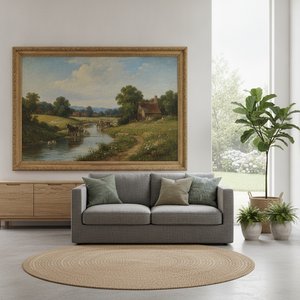
The Soul of the Stour: Bringing the Timeless Beauty of John Constable’s English Landscapes into Your Home
Transform your home with the serene beauty of John Constable’s English landscapes. Discover exquisite, hand-painted oil reproductions and bespoke commissions at ArtsDot.com. Elevate your interior decor with museum-quality artistry, expert consultation, and timeless pastoral charm.


