

- 60.0 x 73.0 cm


Het werk volgt uw keuzes: , .
Beschrijving verzamelobject
Discover Joan Miró's 'Ciurana, the Path' (1917) – a vibrant Fauvist landscape brimming with color and surreal forms. A captivating piece reflecting early modern art’s bold experimentation.
 Lees meer
Biografie kunstenaar
Surrealist meester bekend van The Farm. Ontdek vandaag zijn levendige wereld van symbolische vormen en poëtische abstractie.
Handgemaakte olieverfreproductie
Met de hand geschilderd in olieverf op canvas in uw gewenste maat en lijst, op bestelling gemaakt door onze kunstenaars. ( Schakel over naar print Schakel over naar digitale afbeeldingen)
Dit kunstwerk is auteursrechtelijk beschermd
De kunstwerken die op deze pagina worden weergegeven, zijn beschermd door de auteursrechtwetgeving, wat betekent dat het ons wettelijk niet is toegestaan om identieke reproducties te maken of te verkopen. Deze bescherming wordt gehandhaafd onder internationale overeenkomsten zoals de Conventie van Bern en door nationale wetgeving, waaronder de bepalingen van de Amerikaanse auteurswet - Titel 17. Alle rechten voorbehouden. Reproduceren of distribueren van afbeeldingen is niet toegestaan zonder uitdrukkelijke schriftelijke toestemming van WahooArt.com en de rechthebbenden.
Als een respectvol en legaal alternatief bieden wij op maat gemaakte, handgeschilderde kunstwerken aan die geïnspireerd zijn op het origineel. Onze bekwame en professionele kunstenaars bestuderen zorgvuldig de stijl, sfeer en artistieke essentie van het origineel om een nieuw, uniek werk te creëren dat dezelfde emotie oproept – terwijl het een op zichzelf staande, originele creatie blijft.
Deze methode voldoet volledig aan de auteursrechtwetgeving, omdat het niet gaat om het kopiëren of dupliceren van het beschermde kunstwerk. In plaats daarvan is er sprake van een creatieve herinterpretatie — een nieuw schilderij dat door het origineel wordt geïnspireerd, maar er niet identiek aan is.
Meer over dit schilderij
 Voorvertoning
 Verstuur
 Delen
Delen
 Details bekijken
 Gids
Gids

 Download
 Vergelijkbare items
 Röntgenonderzoek
 Diavoorstelling
 Vraag & antwoord
 Statistieken
Bestel uw schilderij in vier eenvoudige stappen
Neem de tijd. U kunt elk antwoord nog wijzigen; de prijs in uw besteloverzicht wordt direct aangepast aan elke keuze.
1 Stap één van de vier
Welke maat wilt u kiezen?
Deze formaten behouden de proporties van het originele schilderij. De tekening laat uw keuze zien op een muur, boven een bank van twee meter.
Of geef uw eigen afmetingen op
Kies uit onze vooraf ingestelde maten die overeenkomen met de originele verhoudingen van het kunstwerk.

Voer de breedte en hoogte in die u nodig heeft, passend bij uw lijst of uw muur. Omdat dit handgeschilderd is, kan de kunstenaar bij een afmeting met een andere beeldverhouding iets meer rondom het schilderij schilderen of juist iets meer weglaten — u kiest zelf. Wij sturen u een digitaal mockup ter goedkeuring voordat het schilderwerk begint. De afbeelding die op deze pagina wordt getoond, is niet het uiteindelijke resultaat — alleen de mockup geeft dit weer.
2 Stap twee van vier
Hoe moet het worden geleverd: gerold, opgespannen of ingelijst?
De onderstaande prijzen zijn voor de maat die u in stap één heeft gekozen.
Kies de randen van het canvas
Kies uw lijst

Wit €1

Vervagende randen €1

Doorlopende rand €1

P118B €10

P118H €10

P118W €10

P438Z €10

P508JH €12

P508YH €12

P805H €10

P805Z €10

P919BZ €10

P919G €10

P919XJ €10

P959ZH €10

P968JZ €12

W106C €8

W218G €10

W218JH €8

W218Y €10

W307PJ €10

W316G €10

W316PJ €8

W316Y €10

W398PJ €8

W4111J €10

W500HY €15

W500JH €15

W692G €12

W849H €8

W940BG €15

W953PJ €8

H24-GOLD €30

H24-SILVER €30

H36-GOLD €45

H36-SILVER €45
Ingelijst
Lijstrand: . Totale afmetingen inclusief lijst: .
3 Stap drie van vier
Wilt u dat er iets aan het schilderij wordt aangepast?
De meeste mensen antwoorden nee. Omdat elk schilderij met de hand wordt gemaakt, kan onze kunstenaar het ook voor u aanpassen.
Na de bestelling zal het team van ArtsDot.com per e-mail contact opnemen met de klant voor instructies en een mockup-voorbeeld verstrekken
4 Stap vier van vier
Enkele afwerkingsopties
Ze zijn allemaal optioneel. De reeds geselecteerde antwoorden brengen geen extra kosten met zich mee.
Wie is de kunstenaar?
Wereldwijde levering () binnen 3 tot 4 weken in plaats van de standaard 5 weken. (11 november). Zonder concessies aan de kwaliteit.
Een naambordje, zoals in een museum?
Details van de gegraveerde bronzen plaat
This elegant plaque features the artist's name and the title of the artwork, finely engraved for a timeless presentation.
It is made from bronze with a refined, elegant finish. The text is precisely laser-engraved for a sharp and permanent result. Measuring 9x2 cm, the plaque is compact yet easy to read. It's built to be durable and scratch-resistant, offering a professional, museum-quality look. Mounting is simple thanks to the included adhesive backing.
Details transparante acrylplaat
The plaque includes essential engraved details such as the artist's name, the title of the artwork, the date it was created, the type of media used-like oil on canvas or watercolor-a brief description of the piece, and a QR code that links to the complete artwork information.
It is crafted from clear acrylic, offering a sleek, modern appearance. The text is UV-engraved in black to ensure strong visual contrast. With a size of 10x15 cm, it ensures optimal readability. It comes equipped with two metal hooks for secure wall mounting. The plaque is designed to be weather-resistant, making it suitable for various environments, and it includes interactive features that work seamlessly with smartphone scanning.
Details zwarte acrylplaat
This elegant plaque includes engraved information such as the artist's name, the title of the artwork, the date it was created, the type of media used (like oil on canvas or watercolor), a short description of the artwork, and a QR code for quick access to more information.
The plaque itself is made from refined black acrylic with a premium finish. The text is laser-engraved in white for high contrast and readability. Its size is 10x15 cm, designed to be easy to read. It comes with two metal hooks for professional mounting. The design is sleek and fits any interior style. It is also weather-resistant and durable, with built-in digital integration for mobile compatibility.
Een beschermende vernis?
Wanneer heeft u het nodig?
✓ Controleren en bestellen
Uw schilderij, zoals u het heeft besteld

Ciurana, the Path
Druktechniek
Afmetingen reproductie
-

Geselecteerde topkunstenaars
Meer detail, verfijning en extra productietijd
-

Lijst voor reproductie
-
-
Voor kunstwerken of reproducties die aan één zijde groter zijn dan 105 cm (ongeveer 41 inch), wordt de lijst als een losse set verzonden. Deze methode garandeert een veilige levering en voorkomt schade tijdens het transport.
Professionele montage vereist - dit is geen doe-het-zelfproduct.
De set moet worden gemonteerd en het canvas moet worden gespannen door een ervaren professionele lijstenmaker, met gebruik van houtlijm (niet inbegrepen), een doekspanter en klemmen om de sponningen recht te houden terwijl de lijm droogt. Onjuiste montage of een ongelijkmatige spanning op het canvas kan het kunstwerk permanent beschadigen en wordt niet gedekt door onze garantie.
 Voor kunstwerken of reproducties die aan één zijde groter zijn dan 105 cm (ongeveer 41 inch), wordt de lijst als een losse set verzonden. Deze methode garandeert een veilige levering en voorkomt schade tijdens het transport.
Alle massief houten onderdelen zijn inbegrepen, nauwkeurig op maat gesneden voor montage.
Te monteren met de meegeleverde schroeven, plus houtlijm voor de hoekverbindingen, die niet wordt meegeleverd en door uw lijstenmaker moet worden aangeschaft.
Professioneel gereedschap is vereist en niet inbegrepen: een spanner voor canvas en klemmen om de latten recht te houden terwijl de lijm droogt.
Belangrijk:
De hoekverbindingen vereisen houtlijm, de latten moeten met lijmklemmen worden vastgehouden tot de lijm volledig is opgedroogd, en het spannen van het canvas op het samengestelde frame vereist een doekspanter. Geen van deze artikelen is inbegrepen in de set. Wij adviseren u om een ervaren professionele lijstenmaker te raadplegen voordat u deze maat bestelt.

Naamplaatje
-
-

Beschermende vernislaag
Glanzende vernis (versterkt de kleuren en biedt bescherming tegen licht en vocht)
-

Mijn kunstwerk aanpassen
Voorbeelden van aanpassingen: vervang het gezicht door een eigen foto; voeg een huisdier toe (bijv. vervang de kat door een hond); verwerk een verborgen boodschap in de achtergrond; wijzig het landschap of andere elementen op de achtergrond.
-

Spoedlevering
Wereldwijde levering () binnen 3 tot 4 weken in plaats van de standaard 5 weken. (11 november). Geen concessies aan de kwaliteit.
-
Spoedlevering
Wereldwijde levering naar binnen 5 weken. (18 november).
Inbegrepen
Eindtotaal
€ 235
De optie voor glas is alleen beschikbaar bij een formaat kleiner dan 110 cm.
Inbegrepen bij elke bestelling
- Gratis wereldwijde expressverzending
- Hoogwaardig linnen canvas
- Volledige verzendverzekering
- Garantie op terugbetaling van invoerrechten
- Garantie op exacte kleurweergave
- Retourbeleid van 100 dagen (alleen bij defecten)
- 100% Geld-terug-garantie
- Korting bij meerdere afnames


Introduction to Fauvism and Joan Miró
Joan Miró’s ‘Ciurana, the Path,’ painted in 1917, represents a cornerstone of Fauvist art—a movement that irrevocably altered the course of modern painting. More than just a depiction of landscape, it embodies Miró's pioneering spirit and his unwavering commitment to expressing inner visions through vibrant color and expressive brushstrokes. This artwork isn’t merely observed; it’s felt—a testament to Miró’s ability to distill complex emotions into visual form.
A Detailed Analysis: Composition and Color Palette
Measuring 60 x 73 cm, ‘Ciurana, the Path’ immediately captivates with its audacious color scheme. Dominated by hues of ochre, crimson, and turquoise—colors deliberately divorced from naturalistic representation—the painting pulsates with energy. Miró skillfully employs thick impasto technique, layering paint onto the canvas to create tactile surfaces that amplify the vibrancy of the pigments. The winding path snakes through a stylized mountain range and dense foliage, guiding the viewer’s eye across the composition. Careful consideration has been given to perspective; however, it leans toward abstraction rather than strict realism.
Influences Beyond Fauvism: Cézanne and Surrealist Echoes
While firmly rooted in Fauvist principles—a reaction against Impressionism's focus on optical accuracy—‘Ciurana, the Path’ also reveals subtle connections to Cézanne’s work. Like Cézanne’s ‘In the Woods,’ Miró prioritizes form and structure over precise color rendering, mirroring Cézanne’s exploration of geometric shapes within natural landscapes. Furthermore, the dreamlike quality of the scene—the fantastical trees and flowers—hints at Surrealist influences, reflecting Miró's fascination with subconscious imagery.
Historical Context: Modern Art Movements and Artistic Dialogue
'Ciurana, the Path’ emerged during a period of profound artistic experimentation in Paris. The Musée National d’Art Moderne houses an impressive collection showcasing artists who pushed boundaries and challenged conventions—artists whose work profoundly impacted Miró's own creative trajectory. Examining this artwork alongside Cézanne’s landscapes illuminates the broader dialogue within modern art movements, demonstrating how artists responded to each other’s innovations.
Symbolism and Emotional Impact: Catalan Identity
Beyond its formal qualities, ‘Ciurana, the Path’ carries symbolic weight—a reflection of Miró's deep connection to Catalonia. The path symbolizes journeys of discovery and transformation, while the mountains represent resilience and permanence. The abundant flowers embody fertility and beauty, underscoring themes of renewal and vitality. Ultimately, this painting transcends mere visual representation; it evokes a sense of wonder and invites contemplation—a powerful reminder of Miró’s ability to convey profound emotions through deceptively simple forms.
Veelgestelde vragen
Is Joan Miró, maker van "Ciurana, the Path", bekend onder andere namen?
Joan Miró staat ook bekend als Jo De Miró, Joan Miró I Ferrà.
Welke kleur valt het meest op in "Ciurana, the Path"?
De kleur die het meest opvalt in "Ciurana, the Path" is Royal Blue (#5754d1). De dominante kleur is handig bij het afstemmen van een kunstwerk op een interieur.
Wat stelt "Ciurana, the Path" voor en welke sfeer straalt het uit?
"Ciurana, the Path" door Joan Miró combineert landscape, path, trees, mountains, flowers, color, surrealism, catalonia met een Playful atmosfeer.
Vergelijkbare kunstwerken


Joan Miró
1893 - 1983, Spanje
Biografie kunstenaar
Het Leven en de Kunst van Joan Miró
Barcelona, 20 april 1893. Joan Miró i Ferrà treedt een wereld binnen van precisie en raderwerken, geboren in een familie van horlogemakers. Deze vroege omgeving vormt een decor van minutieus vakmanschap dat standhoudt gedurende zijn evolutie als schilder, beeldhouwer en keramieker. Hij beweegt zich door de decennia, niet door een vastgelegd pad te volgen, maar door voortdurend zijn focus te verleggen, om uiteindelijk een centrale figuur te worden in de ontwikkeling van het surrealisme en de abstracte kunst.
Zijn creatieve oeuvre ontsnapt aan eenvoudige categorisering. Terwijl velen proberen hem vast te pinnen op een enkele stroming, blijft Miró fel onafhankelijk; hij spreekt vaak een verlangen uit om gevestigde esthetische hiërarchieën omver te werpen. Hij werkt met een rusteloze energie en experimenteert met diverse media om het onderbewuste te vangen. Zijn praktijk is een constante spanning tussen het organische en het geometrische, tussen het droomachtige en het tastbare. Tegen de tijd dat hij op 25 december 1983 overlijdt, heeft hij een visuele taal nagelaten die de definitie van artistieke expressie zelf uitdaagt.
- The Farm
- The Tilled Field
- The Birth of the World
- Het Catalaanse Landschap (The Hunter)
- The Family
- Dutch Interior I
Het Vroege Leven, Familie en Opleiding
Barcelona, 1893. De fundamenten van de visuele taal van Joan Miró worden gelegd in de Catalaanse hoofdstad. Zijn vroege jaren worden gekenmerkt door een dubbel bestaan. Op veertienjarige leeftijd begint hij aan een handelsschool, een pragmatisch pad dat parallel loopt aan zijn ontwakende creatieve impulsen. Hij maakt geen keuze tussen de wereld van de handel en die van de kunst; hij omarmt ze beide. Terwijl hij zich verdiept in de zakelijke wereld, schrijft hij zich gelijktijdig in voor kunstlessen aan de Escuela Superior de Artes Industriales y Bellas Artes.
Het momentum groeit. Tegen 1911 treedt Miró al in de schijnwerpers door zijn eerste schilderij tentoon te stellen tijdens de zesde Exposición Internacional de Arte in Barcelona. Deze vroege blootstelling markeert een overgang van de klaslokalen naar de professionele sfeer. Zijn formele training krijgt meer diepgang tussen 1912 en 1915, toen hij studeerde onder Francesc Galí aan de Escola d’Art. Deze jaren van rigoureuze instructie vormen het technische fundament voor de radicale artistieke breuken die daarna zouden volgen.
De vormende jaren in Parijs
Parijs, 1920. De stad trekt hem onweerstaanbaar aan. Miró arriveert in de Franse hoofdstad, een plek waar de spanning tussen de stromingen van het modernisme en zijn eigen Catalaanse identiteit begint te wringen in zijn creatieve kern. Terwijl hij door de straten dwaalt, komt hij de aanwezigheid tegen van kunstenaars als Pablo Picasso. Dit is een periode van intense wrijving en experimenteerdrift. Hij absorbeert niet louter stijlen; hij navigeert door het spanningsveld tussen de avant-garde en de diepe wortels van zijn eigen landschap.
Het politieke klimaat verandert en de uitbraak van de Spaanse Burgeroorlog dwingt hem tot een geografische verschuiving. Hij bevindt zich in een onvrijwillig ballingschap in Frankrijk tot medio 1940. Deze periode van ontheemding markeert een breuk met zijn eerdere, meer gevestigde verkenningen. Tussen 1937 en het begin van 1938 ondergaat zijn werk een plotselinge, scherpe transformatie. Hij creëert twee schilderijen die stilistisch uniek zijn, waarbij hij breekt met zijn vertrouwde patronen om iets volkomen nieuws te scheppen, losgezongen van alles wat hij tot dan toe had geproduceerd.
Techniek en een Unieke Artistieke Stijl
Joan Miró verwerpt de veiligheid van gevestigde methoden. Hij beschouwt conventionele schilderkunst als een instrument van de burgerlijke maatschappij, een benadering die hij tracht te ontmantelen door middel van een rusteloze, iconoclastische praktijk. Zijn werk ontsnapt vaak aan eenvoudige classificatie; hoewel het dikwijls als surrealistisch wordt geïnterpreteerd, wordt het gedreven door een diep persoonlijke stijl die zich verzet tegen elk enkelvoudig "isme". Met een koortsachtige energie beweegt hij zich door diverse media en experimenteert hij met schilderkunst, pastel, grafiek, beeldhouwkunst, keramiek, collage, muurschilderingen en wandtapijten. Deze veelzijdigheid stelt hem in staat om te ontsnappen aan de beperkingen van de traditionele representatie.
Zijn biomorfe schilderijen ontstaan uit ruwe vormen en objecten die slechts marginaal herkenbaar blijven. Er gaat een spanning uit van deze vormen, een gevoel van het onderbewuste dat wordt weergegeven via een uniek picturaal idioom. Hij maakt gebruik van acryl om lumineuze, getextureerde oppervlakken op te bouwen die zijn composities een fysieke aanwezigheid geven. De vormen rusten niet louter op het canvas; ze bevinden zich in een staat van voortdurende verandering, waarbij ze vaak verschijnen als hiërogliefen of symbolen die de kloof overbruggen tussen het geziene en het verbeelde.
- The Farm (1922)
- The Tilled Field (1924)
- The Birth of the World (1925)
- The Gold of the Azure (1967)
Belangrijke Werken en Meesterwerken
De verschuiving naar een persoonlijke, symbolische taal vindt haar anker in The Farm. Dit werk markeert een breuk met zijn eerdere opleiding en fungeert als een hoeksteen van zijn oeuvre door zijn evoluerende abstractie te verankeren in de realiteit van het Catalaanse landschap. Tegen 1924 intensiveerde deze verbinding met de aarde in The Tilled Field, waar de grenzen tussen de fysieke wereld en het onderbewustzijn beginnen te vervagen. De beeldtaal beweegt zich weg van traditionele representatie naar een private, gecodeerde woordenschat.
In 1925 ontstaat The Birth of the World, wat wijst op een beweging naar een meer vloeiende, oeroude ruimte. Hier wordt het canvas een plek voor spontane creatie, waar vormen lijken samen te smelten uit het niets. Dit experimenteren met de oorsprong van de vorm zet zich voort in zijn latere jaren. In 1967 getuigt The wing of the lark ... van een voortdurende beheersing van zijn unieke visuele taal, waarbij een gevoel van beweging en poëtische suggestie behouden blijft, zelfs terwijl zijn stijl volwassen werd.
Zijn publieke aanwezigheid manifesteerde zich ook in grootschalige, monumentale werken. Dona i Ocell staat als een belangrijk symbool van de Catalaanse bevrijding, waarbij mozaïek en onregelmatige contouren worden gebruikt om ruimte op te eisen binnen de stedelijke omgeving. Dit werk overbrugt de kloof tussen zijn intieme, droomachtige schilderijen en de publieke, architecturale schaal van zijn latere visie.
- The Farm
- The Tilled Field (1924)
- The Birth of the World (1925)
- The wing of the lark ... (1967)
- Dona i Ocell
Nalatenschap en Blijvende Invloed
Het overlijden van Miró op 90-jarige leeftijd markeert het einde van een tijdperk; hij werd algemeen beschouwd als de laatste van de modernistische sterren. Zijn rusteloze, iconoclastische benadering van het canvas deed meer dan alleen de esthetische hiërarchieën uitdagen. Door vormen te reduceren tot hun essentie, plaveide zijn werk de weg voor het abstract expressionisme. Zijn unieke personages—die idiosyncratische, symbolische figuren—lieten een onuitwisbare stempel achter op het verloop van de moderne kunst en beïnvloedden latere kunstenaars zoals Robert Motherwell en Louise Bourgeois.
Zijn toewijding aan de toekomst van de kunst kreeg een tastbare vorm via de instellingen die hij oprichtte om experimenteren te stimuleren. In 1975 richtte hij de Fundació Joan Miró op in Barcelona. Dit werd gevolgd door de oprichting van de Fundació Pilar i Joan Miró in Palma de Mallorca in 1981. Deze ruimtes zorgen ervoor dat zijn invloed actief blijft en gaan verder dan de statische tentoonstelling van objecten; ze dienen als levende centra voor hedendaagse verkenning.
Waar u zijn werken vandaag de dag kunt bewonderen
De meest intense ontmoeting met zijn creatieve nalatenschap vindt plaats op de Montjuïc-heuvel in Barcelona, Spanje. Hier bewaart de Fundació Joan Miró een monumentale collectie van meer dan 10.000 kunstwerken. De museumomgeving, ontworpen door Josep Lluís Sert, nodigt de kijker uit om zich te bewegen door terrassen en binnenplaatsen die de organische benadering van de kunstenaar met betrekking tot de ruimte weerspiegelen. Het blijft de belangrijkste plek voor iedereen die de evolutie van zijn unieke visuele taal wil bestuderen.
Buiten Spanje is zijn aanwezigheid voelbaar in de belangrijkste institutionele centra van de kunstwereld. In New York bezit het Museum of Modern Art verschillende van zijn werken, terwijl het Metropolitan Museum of Art eveneens stukken in zijn permanente collectie heeft. Deze collecties bieden een venster naar de manier waarop zijn specifieke vorm van abstractie en symboliek integreerde in het bredere narratief van het modernisme. In Parijs biedt het Centre Pompidou een andere essentiële locatie om zijn invloed op de Europese avant-garde te observeren.
- The Farm (1922)
- The Tilled Field (1924)
- Dutch Interior I (1928)
- Painting (1933)
- Head of a Man (1935)
- Still Life with Old Shoe (1937)


Gerelateerde artikelen

Top 10 Surrealistische Meesterwerken: Kunst die de Realiteit Uitdaagt | ArtsDot
Ontdek de 10 meest iconische surrealistische schilderijen van Dalí, Magritte & Miró. Duik in de droomwereld en onbewuste kunst met ArtsDot's collectie hoogwaardige reproducties. Vind jouw perfecte wandkunst! Explore the full collection online.

Top 10 Surrealistische Meesterwerken: Kunst voor uw Interieur | ArtsDot.nl
Ontdek de 10 meest iconische surrealistische meesterwerken van Dalí, Magritte & Miró. Duik in hun droomwereld en symboliek! Museumkwaliteit kunst reproducties voor uw interieur op ArtsDot.com.
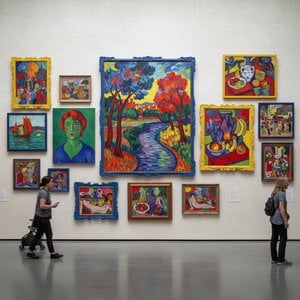
Top 10 Fauvistische Meesterwerken: Kleur & Expressie voor uw Interieur | ArtsDot.com
Ontdek de 10 meest iconische Fauvistische meesterwerken van kunstenaars als Matisse & Derain. Leer over kleur, expressie en hun invloed op moderne kunst. Museumkwaliteit reproducties voor uw interieur? Bekijk ze nu op ArtsDot.com!