

 Voorvertoning
 Verstuur
 Delen
Delen
 Details bekijken

 Download
 Vergelijkbare items
 Röntgenonderzoek
 Diavoorstelling
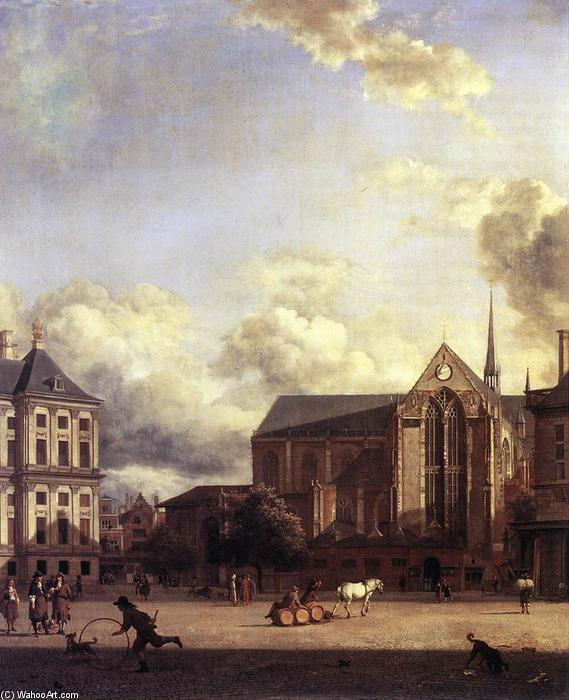
Dam Square, Amsterdam


 Lees meer
Giclée / Kunstafdrukken
Giclée- of canvasafdruk van museumkwaliteit met een snelle productie en flexibele afwerkingsmogelijkheden. ( Bestel handgeschilderde reproductie Koop afbeelding)




P118B $10

P118H $10

P118W $10

P438Z $10

P508JH $12

P508YH $12

P805H $10

P805Z $10

P919BZ $10

P919G $10

P919XJ $10

P959ZH $10

P968JZ $12

W106C $8

W218G $10

W218JH $8

W218Y $10

W307PJ $10

W316G $10

W316PJ $8

W316Y $10

W398PJ $8

W4111J $10

W500HY $15

W500JH $15

W692G $12

W849H $8

W940BG $15

W953PJ $8




Kies uit onze vooraf ingestelde maten die overeenkomen met de originele verhoudingen van het kunstwerk.

U kunt uw eigen afmetingen opgeven om in een specifieke lijst of ruimte te passen. Als de door u gekozen maat niet overeenkomt met de proporties van het originele kunstwerk, zullen wij de afbeelding bijsnijden of uitbreiden met een gespiegelde of effen rand. Een digitaal mockup wordt ter goedkeuring naar u verzonden voordat de productie begint.
Houd er rekening mee dat de preview op het scherm de werkelijke bijsneding of uitbreiding niet weergeeft. Alleen de mockup toont de uiteindelijke compositie nauwkeurig.
Hoewel aangepaste maten beschikbaar zijn, raden wij aan een afmeting uit de vooraf bepaalde lijst te kiezen om de originele proporties te behouden.
Wereldwijde levering () binnen 2 weken in plaats van de standaard 4/5 weken. (18 augustus)

Gratis wereldwijde expressverzending

Hoogwaardig linnen canvas

Volledige verzendverzekering

Garantie op terugbetaling van invoerrechten

Garantie op exacte kleurweergave

Retourbeleid van 60 dagen (alleen bij defecten)

100% Geld-terug-garantie

Korting bij meerdere afnames
 De optie voor glas is alleen beschikbaar bij een formaat kleiner dan 110 cm.

Dam Square, Amsterdam
Giclée / Kunstafdrukken
Afmetingen reproductie
-


Eindtotaal
$ 63
Vergelijkbare kunstwerken


Biografie van de kunstenaar
A Pioneer of Urban Landscapes: The Life and Art of Jan van der Heyden
Jan van der Heyden, born in Gorinchem in 1637, emerged as a truly remarkable figure during the Dutch Golden Age – far more than just a painter. His story is one of extraordinary versatility, encompassing artistic mastery alongside innovative engineering, all deeply intertwined with his experiences and observations of Amsterdam’s vibrant life. The son of a Mennonite father, Van der Heyden's family relocated to Amsterdam in 1646, an event that irrevocably shaped the trajectory of his career and profoundly influenced his artistic vision. Early training likely occurred within the familial sphere, perhaps guided by his brother Goris, a skilled craftsman specializing in mirrors – a craft demanding precision and attention to detail, qualities that would undoubtedly have resonated with Van der Heyden’s future work. Some scholars suggest an apprenticeship with Jacob van der Ulft, a respected glass painter from Gorinchem; this association would have further honed his draftsmanship and understanding of color application, skills initially employed in creating *verre eglomisé*, decorative paintings on glass – a technique that demanded both artistic flair and technical skill.From Decorative Arts to Architectural Precision
Van der Heyden’s artistic path gradually shifted towards a specialization that would secure his place in art history: the depiction of townscapes. He wasn't simply interested in capturing pretty scenes; he sought to represent the *reality* of urban life, meticulously documenting the intricate details of Amsterdam and other Dutch cities. While many of his contemporaries focused on portraits or historical subjects, Van der Heyden turned his gaze to the bustling streets, grand canals, and imposing buildings that defined the city’s character. His canvases offer remarkably detailed views – not just of familiar landmarks but also of lesser-known corners, capturing the play of light on brickwork, the textures of cobblestone streets, and the lively atmosphere of 17th-century life. He wasn't limited to existing locales; Van der Heyden was a true visionary, creating “architectural fantasies” – imaginative compositions that blended elements from different structures, anticipating artistic trends that would blossom in later centuries. These works demonstrate not only his technical mastery but also a playful creativity and an understanding of spatial relationships. Beyond city views, he occasionally ventured into still life painting, as seen in *Still-Life with Globe, Books and Chinese Silk*, showcasing his versatility and meticulous attention to detail across various subjects – a testament to his broad artistic interests.An Engineer’s Vision: Innovation Beyond the Canvas
Van der Heyden's ingenuity extended far beyond the realm of art; he was a practical inventor and engineer who actively sought solutions to real-world problems, most notably in the area of firefighting. In 1672, collaborating with his brother Nicolaes – a hydraulic engineer – he devised significant improvements to the fire hose, addressing a critical need in densely populated urban areas like Amsterdam. This wasn’t merely a minor adjustment; it was a groundbreaking advancement in firefighting technology that dramatically increased the effectiveness and reach of water supplies during emergencies. He didn't stop there. Van der Heyden reorganized Amsterdam’s volunteer fire brigade in 1685, implementing more efficient strategies and protocols – transforming a chaotic system into a well-organized force for public safety. His dedication culminated in the publication of *Brandspuiten-boek*, widely considered the first comprehensive firefighting manual, complete with detailed illustrations and practical advice. This work wasn’t just a technical guide; it was a testament to his commitment to protecting the city and its inhabitants. Furthermore, he designed and implemented an innovative street lighting scheme for Amsterdam, illuminating the city's streets with strategically placed lanterns – dramatically improving nighttime visibility and security.Key Works and Influences
Van der Heyden’s artistic output is remarkably extensive, encompassing over seventy known paintings. Among his most celebrated works are *View of Oudezijds Voorburgwal with the Oude Kerk in Amsterdam*, a masterful depiction of a bustling canal scene; *Architectural Fantasy*, showcasing his imaginative blending of architectural elements; and *View of Delft*, offering a detailed panorama of the city’s skyline. His work was influenced by several sources, including Jacob van der Ulft's glass painting techniques and the meticulous detail found in maps and urban plans. He also drew inspiration from contemporary artists like Willem van Aelst and Hendrick Avercamp, absorbing their approaches to perspective and composition. His ability to capture both the grandeur of buildings and the everyday details of street life set him apart from his contemporaries.Legacy and Lasting Influence
Jan van der Heyden died in 1712 as a wealthy man, leaving behind a substantial estate that included over seventy of his own paintings – a testament to both his productivity and the value placed on his work during his lifetime. His only known pupil was his son, Jan, who continued some aspects of his father’s artistic legacy. Van der Heyden's influence resonated through subsequent generations of artists, particularly those specializing in architectural painting. He provided valuable insights into 17th-century urban life and architecture, offering a visual record of cities as they existed during that period. His detailed depictions serve as invaluable historical documents for modern scholars. His innovative approach to townscapes, combined with his practical engineering contributions, cemented his position as a unique and multifaceted figure in Dutch history. He wasn’t simply an artist capturing the world around him; he was actively shaping it, improving the lives of those who inhabited it. Van der Heyden's legacy endures not only through his captivating paintings but also through the enduring impact of his inventions on urban safety and infrastructure.
Jan van der Heyden
1637 - 1712 , Nederland
Belangrijkste feiten
- Artistic Movement Or Style: Barok, Gouden Eeuw
- Artists Or Movements Influenced By This Artist: ['Venetiaanse schilders']
- Artists Who Influenced This Artist: ['Jacob van der Ulft']
- Date Of Birth: 1637
- Date Of Death: 1712
- Full Name: Jan van der Heyden
- Nationality: Nederlands
- Notable Artworks:
- View Oudezijds
- Stilleleven met globe
- Place Of Birth: Gorinchem, Nederland
Gerelateerde artikelen
Vincent van Gogh's Top 25 Meesterwerken: Kunstprints voor een Unieke Woonstijl
Ontdek de 25 meest iconische schilderijen van Vincent van Gogh! Duik in zijn emotionele wereld vol sterrennachten, zonnebloemen & post-impressionisme. Museumkwaliteit kunstprints voor een unieke woonstijl op ArtsDot.com.

Top 10 Meesterwerken van de Gouden Eeuw: Kunst voor uw interieur | ArtsDot.nl
Ontdek de 10 meesterwerken van de Gouden Eeuw! Leer over Rembrandt, Vermeer & andere Hollandse schilders. Prachtige kunst reproducties voor uw interieur. Museumkwaliteit prints op ArtsDot.com.

Rembrandt's Meesterwerken: De Top 25 – Kunst voor uw Interieur | ArtsDot
Ontdek de 25 meest iconische schilderijen van Rembrandt van Rijn! Duik in de Gouden Eeuw, bewonder zijn portretten & zelfportretten. Museumkwaliteit reproducties voor uw interieur op ArtsDot.com. Bekijk de collectie!
Jan Steen: A Master of Dutch Genre Painting & the Golden Age
Explore the life & art of Jan Steen, a leading Dutch Golden Age painter renowned for his humorous genre scenes & insightful social commentary. Discover his techniques, legacy, and collecting tips.

Golden Age Reflections: Dutch Baroque Painting & Cultural Innovation
Explore the Dutch Golden Age of painting! Discover key artists like Vermeer & ter Borch, their innovative techniques, and the rich cultural context behind these Baroque masterpieces. Learn about collecting & appreciating this iconic art period.

