


 Bekijk op ware grootte
 Verstuur
 Delen
Delen
 Details bekijken
 Gids voor studentenkunstwerken

 Download
 Vergelijkbare items
 Röntgenonderzoek
 Diavoorstelling
 Statistieken
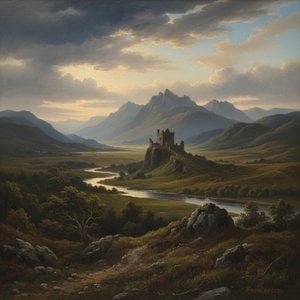
Deer Forest
 Romanticism
 1845
1845 25.0 x 40.0 cm
 The National Trust For Scotland
 Lees meer
Handgemaakte olieverfreproductie
Met de hand geschilderd in olieverf op canvas in uw gewenste maat en lijst, op bestelling gemaakt door onze kunstenaars. ( Schakel over naar print Schakel over naar digitale afbeeldingen)




































Kies uit onze vooraf ingestelde maten die overeenkomen met de originele verhoudingen van het kunstwerk.

Voer de breedte en de hoogte in die u nodig heeft, passend bij uw lijst of uw muur. Dit is handgeschilderd, dus bij een afmeting met een andere vormverhouding kan de kunstenaar iets meer rondom het schilderij schilderen of juist iets meer weglaten — u kiest zelf. Wij sturen u een digitaal mockup ter goedkeuring voordat het schilderwerk begint. De afbeelding die op deze pagina wordt getoond, is niet het uiteindelijke resultaat — alleen de mockup geeft dit weer.
Na de bestelling zal het team van ArtsDot.com per e-mail contact opnemen met de klant voor instructies en een mockup-voorbeeld sturen.
Wereldwijde levering () binnen 3 tot 4 weken in plaats van de standaard 5 weken. (22 oktober). Zonder concessies aan de kwaliteit.

Gratis wereldwijde expressverzending

Hoogwaardig linnen canvas

Volledige verzendverzekering

Garantie op terugbetaling van invoerrechten

Garantie op exacte kleurweergave

Retourbeleid van 100 dagen (alleen bij defecten)

100% Geld-terug-garantie

Korting bij meerdere afnames
 De optie voor glas is alleen beschikbaar bij een formaat kleiner dan 110 cm.

Deer Forest
Reproductiemethode
Formaat reproductie
-


Totaalprijs
€ 231
Composition and Style
The composition of the painting is characterized by the use of tall trees with green leaves, creating a lush atmosphere. In the background, a mountain range adds to the picturesque scene, while the cloudy sky above contributes to the overall mood of the painting. The combination of these elements creates a sense of tranquility and natural beauty that is characteristic of James Giles' artwork. For more information on James Giles and his paintings, visit /art/list/?Filter=AQSALF-James-Giles-Deer-Forest.Similar Artists and Paintings
Other artists, such as Asher Brown Durand, have also created notable landscape paintings. For example, Asher Brown Durand's Shandaken Range, Kingston is a masterpiece of American landscape art. To learn more about Asher Brown Durand and his work, visit /art/list/?Filter=asher+brown+durand,asher,brown,durand&.- Handmade oil paintings reproductions of famous artworks like Deer Forest can be found on https://ArtsDot.com.
- Discover the artworks of other notable artists, such as Archibald Henry Swinton, at https://ArtsDot.com/@/Archibald-Henry-Swinton.
The Deer Forest painting by James Giles is a remarkable piece of art that showcases the artist's skill in capturing the beauty of nature. With its serene landscape and picturesque composition, this painting is a must-see for anyone interested in landscape art.
Vragen & Antwoorden
Zijn de kleuren van "Deer Forest" door James Giles verzadigd of gedempt?
De kleuren van "Deer Forest" door James Giles hebben een Subtle Color verzadiging. Verzadiging beschrijft hoe levendig of gedempt de kleuren zijn.
Hoe brengt "Deer Forest" licht en donker in evenwicht?
De helderheid van "Deer Forest" door James Giles is vastgelegd op shadow, met een luminantie van Soft Shadow.
In welke fase van de carrière van James Giles valt "Deer Forest", gezien de datum?
"Deer Forest", vervaardigd in 1845, behoort tot de Mature Period van de carrière van James Giles.
Gerelateerde kunstwerken


Biografie van de kunstenaar
James Giles: De Visionair van de Hooglanden
James William Giles (1801–1870) was geen naam die de grandioze zalen van de Royal Academy in Londen domineerde, noch opeisden zijn doeken onmiddellijke aandacht in de Parijse kunstwereld. Toch cultiveerde hij in het hart van Schotland, met name in Aberdeen, een unieke en diep evocatieve stijl – een stijl die de ruige schoonheid van de Hooglanden vastlegde met een bijna melancholische gratie. Hij was, in essentie, een schilder van atmosfeer; van licht dat door mistige bergen filtert, en van de stille waardigheid van oude kastelen die als wachters staan tegen de uitgestrektheid van het Schotse landschap. Zijn nalatenschap ligt niet in flamboyante tentoonstellingen of beroemde beschermheren, maar in een diep persoonlijk en opmerkelijk consistent oeuvre dat vandaag de dag nog steeds resoneert bij de kijker.
Gebooren in Glasgow in 1801, werd het vroege leven van Giles getekend door ontberingen na de dood van zijn vader. Doordat hij op jonge leeftijd gedwongen werd bij te dragen aan het gezinsinkomen, verfijnde hij zijn artistieke vaardigheden door zelfstudie en privéles, waarbij hij een aangeboren talent toonde dat al snel de louter technische bekwaamheid oversteeg. De band van zijn familie met de textielindustrie – zijn vader werkte als ontwerper voor katoen – gaf hem een scherp oog voor kleur en patroon, wat later zijn landschappen verrijkte met subtiele verschuivingen in tint en textuur. Na zijn verhuizing naar Aberdeen rond 1805 vond hij een vruchtbare bodem voor artistieke ontwikkeling; hij doopte zichzelf in de levendige culturele scene van de stad en vestigde een atelier waar hij zijn kenmerkende stijl begon te smeden.
De invloed van Italië en het Schotse landschap
De artistieke reis van Giles nam een beslissend keerpunt tijdens zijn reizen naar Italië in het midden van de jaren 1820. Dit langdurige verblijf bleek transformatief; het stelde hem bloot aan de meesterwerken van de oude meesters – Raphael, Michelangelo en Titiaan – en beïnvloedde zijn benadering van compositie, kleur en licht diepgaand. Hij kopieerde met uiterste precisie talrijke schilderijen, niet enkel als technische oefeningen, maar als een manier om hun essentie te absorberen en te leren hoe zij atmosfeer en emotie vertaalden naar het doek. Bij zijn terugkeer naar Schotland bracht hij een hernieuwd gevoel van doelgerichtheid en een verhoogd vermogen mee om het dramatische landschap van de Hooglanden op canvas te projecteren. Cruciaal was dat zijn Italiaanse ervaring niet leidde tot een slaafse imitatie van klassieke stijlen; in plaats daarvan bood het hem een verfijnd begrip van artistieke principes die hij vervolgens op unieke wijze toepaste op zijn Schotse onderwerpen.
Zijn onderwerpen waren voornamelijk landschappen – de ruige bergen van Deeside, de glooiende heuvels van Aberdeenshire en de dramatische kustlijn. Hij was niet geïnteresseerd in monumentale panorama's of heroïsche scènes; eerder zocht hij intieme momenten op—een eenzame herder tegen een dreigende lucht, een ruïne gehuld in mist, een beekje dat door een dal slingert. Hij legde deze scènes vaak vast tijdens periodes van onstuimig weer – regen, mist en sneeuw – waardoor hij ze doordrenkte met een gevoel van eenzaamheid en melancholie. Deze voorkeur voor atmosferische omstandigheden werd het handelsmerk van zijn stijl en droeg bij aan de spookachtige schoonheid van zijn werken.
Koninklijke opdrachten en artistieke erkenning
Het talent van Giles kreeg al snel erkenning binnen de aristocratische kringen van Schotland. Hij kreeg de opdracht om talrijke landschappen te schilderen voor vooraanstaande families, waaronder de graven van Aberdeen en Sutherland, wat hem een comfortabel bestaan verzekerde en zijn reputatie als bekwame en betrouwbare kunstenaar vestigde. Misschien wel het meest significant was dat koningin Victoria zelf een beschermvrouwe werd; zij gaf opdracht voor verschillende schilderijen van Balmoral Castle – het landgoed dat zij in 1848 verwierf. De weergave van Giles van het oude kasteel, zoals het bestond vóór de grote Victoriaanse herbouw, is bijzonder opmerkelijk vanwege de trouw aan de oorspronkelijke structuur en de evocatieve vertolking van het omringende landschap. Dit koninklijke mecenaat bezegelde zijn positie als een van de meest gerespecteerde kunstenaars van Schotland.
In 1829 werd hij verkozen tot academicus van de Royal Scottish Academy, een prestigieuze eer die zijn artistieke prestaties verder valideerde. Gedurende zijn hele carrière bleef hij zijn werk tentoonstellen bij zowel de Royal Scottish Academy als de British Institution in Londen, waarbij hij consequent positieve recensies ontving voor zijn atmosferische landschappen en de behendige weergave van licht en kleur. Zijn latere jaren werden gekenmerkt door een toewijding aan het documenteren van de oude kastelen van Aberdeenshire, wat culmineerde in de publicatie van “Drawings of Aberdeenshire Castles” (1838-1855), een collectie minutieus uitgevoerde aquareltekeningen die tot op de dag van vandaag hoog gewaardeerd worden om hun artistieke waarde en historische betekenis.
Een blijvende nalatenschap
James Giles stierf in 1870 in Aberdeen, waarbij hij een aanzienlijk oeuvre achterliet dat zijn diepe verbondenheid met het Schotse landschap weerspiegelt. Hoewel hij misschien niet zo breed gevierd wordt als sommige van zijn tijdgenoten, bezitten zijn schilderijen een stille kracht en emotionele resonantie die de kijker nog steeds weten te boeien. Zijn vermogen om de essentie van de atmosfeer in de Hooglanden te vangen—de mistomhulde bergen, de dreigende luchten en het gevoel van tijdloze eenzaamheid—maakt hem tot een van de belangrijkste landschapsschilders van Schotland. Zijn werk staat als een testament voor de blijvende schoonheid van de Schotse Hooglanden en de artistieke visie van een man die zijn leven wijdde aan het vastleggen van hun geest op canvas.

James Giles
1801 - 1870 , Schotland
Snelle feiten
- Artistic Movement Or Style: Landschapschilderkunst
- Artists Or Movements Influenced By This Artist: ['Turner']
- Artists Who Influenced This Artist: ['Jean-François Regnault']
- Date Of Birth: 4 januari 1801
- Date Of Death: 6 oktober 1870
- Full Name: James William Giles
- Nationality: Schots
- Notable Artworks:
- Schildering van Balmoral Castle
- Tekeningen van kastelen in Aberdeen
- Place Of Birth: Glasgow, Schotland
Gerelateerde artikelen

Romantische Landschappen: Top 10 Meesterwerken voor een Sfeervol Interieur | ArtsDot.nl
Ontdek de 10 meest iconische meesterwerken van de Romantiek! Reis door de tijd met Caspar David Friedrich, Turner & Delacroix. Laat je inspireren en vind museumkwaliteit kunst reproducties voor een sfeervol interieur op ArtsDot.com.
Alexander Nasmyth: Picturing Scotland's Romantic Landscape – Innovation & Identity
Explore the life & art of Alexander Nasmyth, a pivotal figure in Scottish Romantic landscape painting. Discover his iconic works, including portraits of Robert Burns, and learn about his lasting influence on national identity. Fine art reproductions available.

James Abbott McNeill Whistler: Top 25 Meesterwerken voor Kunstliefhebbers | ArtsDot
Ontdek de 25 meest iconische meesterwerken van James Abbott McNeill Whistler, pionier van het esthetisme en impressionisme. Van zijn betoverende Nocturnes tot portretten vol harmonie. Vind museumkwaliteit reproducties & decoratie-inspiratie op ArtsDot.com

Sir Alfred James Munnings: Top 25 Meesterwerken voor Kunstliefhebbers | ArtsDot.nl
Ontdek de top 25 schilderijen van Sir Alfred James Munnings, meester van paardenkunst & Engelse impressionisme. Leer over zijn leven, techniek en iconische werken. Museumkwaliteit reproducties op ArtsDot.com! Ontdek alle meesterwerken online.

James Giles: Capturing Scottish Life Through the Lens of British Realism
Explore the life & work of James Giles (1801-1870), a master of Scottish landscape painting and favored artist of Queen Victoria. Discover his atmospheric realism & royal commissions.