

 Bekijk op ware grootte
 Verstuur
 Delen
Delen
 Details bekijken

 Download
 Vergelijkbare werken
 Röntgenonderzoek
 Diavoorstelling
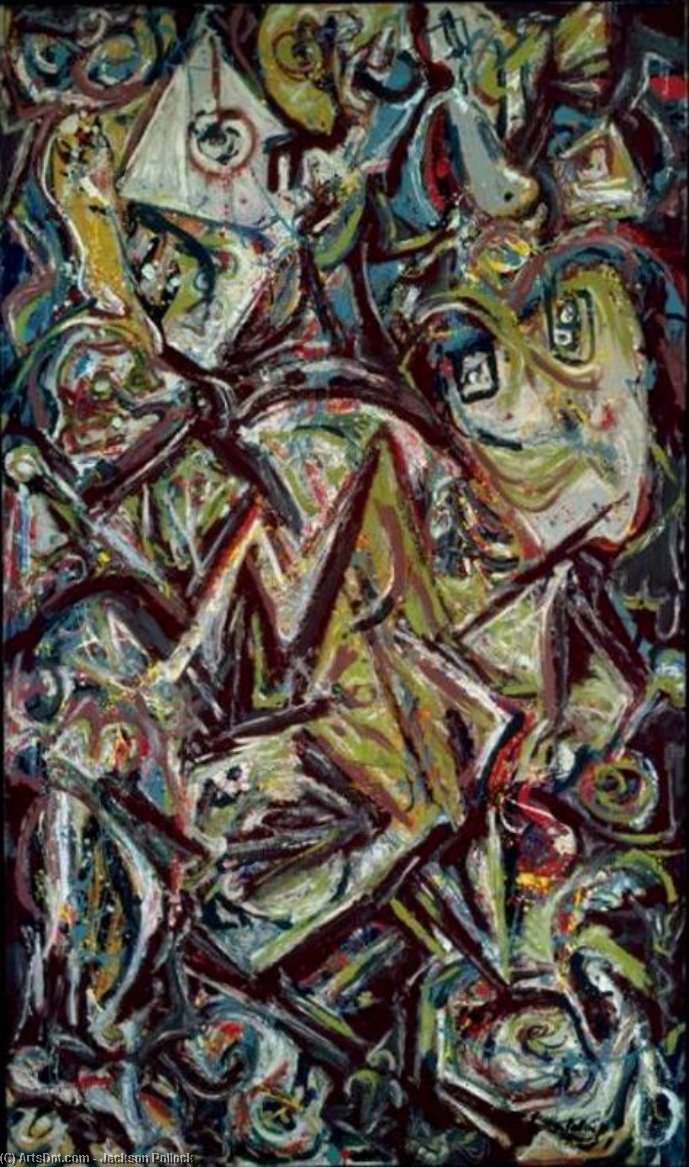
Troubled Queen


 Lees meer
Giclée / Kunstafdrukken
Giclée- of canvasafdruk van museumkwaliteit met een snelle productie en flexibele afwerkingsmogelijkheden. ( Bestel een handgeschilderde reproductie van dit verzamelobject Naar afbeelding wisselen)




P118B $10

P118H $10

P118W $10

P438Z $10

P508JH $12

P508YH $12

P805H $10

P805Z $10

P919BZ $10

P919G $10

P919XJ $10

P959ZH $10

P968JZ $12

W106C $8

W218G $10

W218JH $8

W218Y $10

W307PJ $10

W316G $10

W316PJ $8

W316Y $10

W398PJ $8

W4111J $10

W500HY $15

W500JH $15

W692G $12

W849H $8

W940BG $15

W953PJ $8




Kies uit onze vooraf ingestelde maten die overeenkomen met de originele verhoudingen van het kunstwerk.

U kunt uw eigen afmetingen opgeven om in een specifieke lijst of ruimte te passen. Als de door u gekozen maat niet overeenkomt met de proporties van het originele kunstwerk, zullen wij de afbeelding bijsnijden of uitbreiden met een gespiegelde of effen rand. Een digitaal mockup wordt ter goedkeuring naar u verzonden voordat de productie begint.
Houd er rekening mee dat de preview op het scherm de werkelijke bijsneding of uitbreiding niet weergeeft. Alleen de mockup toont de uiteindelijke compositie nauwkeurig.
Hoewel aangepaste maten beschikbaar zijn, raden wij aan een afmeting uit de vooraf bepaalde lijst te kiezen om de originele proporties te behouden.
Wereldwijde levering () binnen 2 weken in plaats van de standaard 4/5 weken. (7 augustus)

Gratis wereldwijde expressverzending

Hoogwaardig linnen canvas

Volledige verzendverzekering

Garantie op terugbetaling van invoerrechten

Garantie op exacte kleurweergave

60 dagen retourbeleid (alleen bij defecten)

100% Geld-terug-garantie

Korting bij meerdere afnames
 De optie voor glas is alleen beschikbaar bij een formaat kleiner dan 110 cm.

Troubled Queen
Giclée / Kunstafdrukken
Formaat reproductie
-


Totaalprijs
$ 63
Beschrijving verzamelobject
Een Realm van Innerlijke Onrust: Een Diepgaande Analyse van Jackson Pollock’s Abstracte Visie
Jackson Pollock staat bekend om zijn baanbrekende stijl binnen de abstracte expressievorming, een beweging die zich aftekende door het gebruik van kleur en vorm zonder pogingen tot natuurlijke representatie. Zijn werk ‘Troubled Queen’, geschilderd rond 1945, is een prachtige illustratie hiervan – een kunstwerk dat een complexe emotionele lading draagt en een fascinerende kijk biedt naar de geestelijke wereld van een tijd waarin angst en onzekerheid heersten. Deze analyse verkent niet alleen de technische aspecten van het schilderij maar ook zijn historische context en symbolische betekenis, waardoor het een waardevolle bijdrage levert aan het begrip van Pollock’s kunstenaarschap en zijn blijvende impact op de kunstgeschiedenis.Stijl & Techniek: Een Pioniersdaad in Drip Painting
Pollock ontwikkelde een unieke techniek die hij “drip painting” noemde, waarbij hij kleurrijke lijnen en vormen liet druppelen over een horizontale oppervlakte. Deze methode stond in schril contrast met de traditionele manier waarop kunstenaars werkten en vereiste een totale omarming van het proces zelf boven een gedetailleerde afbeelding. Het schilderij wordt gekenmerkt door een hoog impasto oppervlak – dikke lagen verf die zichtbaar zijn penseelstreken laten zien – wat zorgt voor een gevoel van drie dimensie en een tactiele ervaring voor de kijker. Deze stijl werd sterk beïnvloed door Cubisme, waarbij kunstenaars gebruik maakten van geometrische vormen om ruimte weer te geven, maar Pollock onderscheidde zich door zijn persoonlijke manier van werken en het verkennen van emoties zonder beperkingen. Een belangrijke inspiratiebron vormden de werken van José Clemente Orozco, een Mexicaanse muralist die Pollock enorm aanspoorde tot het gebruik van kleur en vorm.Kleur & Samenstelling: Een Eerbiedige Harmonie met Een Onderliggende Onrust
De kleurpalet van ‘Troubled Queen’ bestaat voornamelijk uit donkergroene, bruine en gele tinten, aangevuld met blauwe accenten – een combinatie die een gevoel van melancholie en introspectie oproept. De kleuren zijn niet alleen esthetisch aantrekkelijk maar dienen ook als een middel om emotionele energie over te brengen. Een belangrijk element van de compositie is het gebruik van diagonale lijnen, die elkaar kruisen en tegenovergesteld staan, waardoor een visuele spanning ontstaat die overeenkomt met de innerlijke strijd die het schilderij weergeeft. De kunstenaar heeft bewust gekozen voor een vlak perspectief om ruimte te beperken en aandacht te richten op de emotionele inhoud van het werk. Een bijzonder interessante observatie is dat de lijnen verwijzen naar geometrische vormen die sterk lijken op die gebruikt werden door Picasso, waardoor een directe verbinding wordt gelegd tussen twee belangrijke kunstenaars uit de periode.Historische Context: Angst en Verandering na de Tweede Wereldoorlog
‘Troubled Queen’ werd geschilderd in het licht van de angst en onzekerheid die volgden op de Tweede Wereldoorlog, een tijd waarin kunstenaars zich inspande om complexe emoties en ervaringen weer te geven zonder gebruik te maken van traditionele vormen. De abstracte expressievorming ontstond als reactie op deze periode en bood een manier om het gevoel van verveling en afstandelijkheid die vaak gepaard gaat met de moderne wereld af te wenden. Pollock’s werk wordt beschouwd als een belangrijke bijdrage aan deze beweging en vertegenwoordigt een poging om een nieuwe taal voor kunstenaars te ontwikkelen – een taal die emoties en ideeën kan uitdrukken zonder zich te laten beperken door natuurlijke representatie. Een belangrijke historische ontwikkeling was de verschijning van nieuwe psychologische theorieën, zoals Carl Jung’s archetypische systeem, die Pollock inspireerden tot het verkennen van het onderbewustzijn en het gebruik van symbolen om emotionele energie over te brengen.Symbolisme & Emotionele Impact: Een Troon Onder De Druck
De titel ‘Troubled Queen’, gekozen door Pollock zelf, verwijst naar een figuur die wordt geplaagd door verantwoordelijkheid en macht – een koningin die niet langer beschermd wordt door externe krachten maar worstelt met haar eigen innerlijke demonen. Het schilderij spreekt tot het publiek op een emotioneel niveau en nodigt uit tot contemplatie over thema’s als angst, pijn en verlies. De kunstenaar heeft bewust gekozen voor een stijl die zowel expressief als enigszins afstandelijk is, waardoor hij een gevoel van mysterie en intrige creëert bij de kijker. Een bijzonder belangrijk aspect van het werk is het gebruik van kleur – vooral de donkere groene tinten – die een gevoel van melancholie en introspectie oproepen en een directe verwijzing vormen naar de natuurlijke wereld waaruit veel kunstenaars hun inspiratie halen. Het schilderij ‘Troubled Queen’ blijft een tijdloze klassieker die kunstliefhebbers en verzamelaars over de hele wereld aanspoort tot het verkennen van de schoonheid en kracht van abstracte kunst.Gerelateerde kunstwerken


Biografie van de kunstenaar
Early Life and the Seeds of Innovation
Paul Jackson Pollock, born in Cody, Wyoming, in 1912, was a restless spirit from the outset. His early life was marked by frequent relocation as his father, LeRoy Pollock, pursued work as a land surveyor across the vast landscapes of the American West. This itinerant existence instilled in young Pollock a deep connection to the natural world and an exposure to diverse cultures, particularly through encounters with Native American art during those surveying trips – impressions that would subtly permeate his artistic vision later in life. Though he never explicitly imitated Indigenous styles, the raw energy and spiritual resonance of these early experiences undoubtedly left their mark. He was the fifth and youngest son in a struggling farming family, and his mother fostered artistic potential in each of her children. Pollock’s formal artistic training began at the Manual Arts High School in Los Angeles, followed by studies at the Art Students League of New York under the tutelage of Thomas Hart Benton. Benton, a prominent figure in the Regionalist movement, emphasized rhythmic composition and narrative themes rooted in American life. While Pollock initially absorbed these lessons, his inherent inclination leaned toward more abstract explorations. He was also profoundly impacted by Mexican muralists like José Clemente Orozco, whose powerful depictions of social struggle resonated deeply with him. These early influences laid a foundation, but it was the burgeoning world of Surrealism that truly unlocked Pollock’s artistic potential.The Birth of Action Painting and a Revolutionary Technique
The 1930s saw Pollock experimenting with various techniques, seeking alternatives to traditional brushwork. He began pouring paint, exploring its fluidity and unpredictable nature. However, it was around 1947 that his artistic trajectory underwent a radical transformation. Abandoning the easel altogether, Pollock laid canvases directly on the floor, initiating what would become known as his “drip technique.” He then proceeded to drip, splash, and fling paint onto the canvas from above, orchestrating a dynamic dance between artist, medium, and surface. This wasn’t merely about applying paint; it was about embodying the act of creation itself. Pollock's canvases became arenas for physical expression, capturing the immediacy of his gestures and emotions. The resulting paintings are characterized by their “all-over” composition – a lack of central focus that invites the viewer to explore the entire surface as a unified field of energy. Intricate networks of lines and colors intertwine, creating a visual complexity that is both captivating and challenging. He employed unconventional tools—sticks, knives, even syringes—to manipulate the paint in unpredictable ways, further emphasizing the spontaneous nature of his process. Pollock’s marriage to fellow artist Lee Krasner was also pivotal; she provided unwavering emotional support and actively encouraged his artistic development, recognizing the groundbreaking nature of his work. She became a crucial collaborator, not just as a wife but as an intellectual partner who understood and championed his vision.Iconic Works and Lasting Legacy
Pollock’s most celebrated works—such as Number 1, 1950 (Lavender Mist), One: Number 31, 1950, Blue Poles: Number 11, 1952, and *Convergence*—are testaments to his revolutionary technique. These paintings are not simply images; they are records of a performance, imbued with the artist’s physical presence and emotional intensity. The dynamic energy that emanates from these canvases is palpable, drawing viewers into a world of pure abstraction. The influence of Surrealism is evident in the dreamlike quality of many of his works, while simultaneously rejecting traditional representational forms. Pollock sought to capture not just what he *saw*, but what he *felt* – the underlying currents of emotion and subconscious experience that shaped his perception of the world. His work can be seen as a visual embodiment of the anxieties and uncertainties of the post-war era. His style transcends mere aesthetics; it's an exploration of process over product. Pollock sought to capture the immediacy of his actions and emotions on canvas, rejecting traditional notions of composition and representation. He delved into Jungian psychology, exploring archetypes and the subconscious in his art, seeking to tap into universal symbols and primal energies.Historical Significance
Pollock’s impact on the history of art is immeasurable. He fundamentally altered the way artists approached painting, breaking free from easel-based methods and embracing a more performative approach. His work helped solidify New York City's position as a global center for modern art, shifting the focus away from European dominance. He was initially met with skepticism and criticism, but his influence grew steadily after his untimely death in 1956 at the age of 44. Today, he is universally recognized as one of the most important and influential artists of the 20th century, a visionary who dared to challenge conventions and redefine the boundaries of artistic expression. His innovative techniques and expressive style continue to inspire and provoke, ensuring his enduring legacy for generations to come.
Jackson Pollock
1912 - 1956 , Verenigde Staten van Amerika
Snelle feiten
- Artistic Movement Or Style: Abstract Expressionisme
- Artists Or Movements Influenced By This Artist:
- Color Field painting
- Abstract Expressionisme
- Artists Who Influenced This Artist:
- Thomas Hart Benton
- José Clemente Orozco
- Date Of Birth: 28 januari 1912
- Date Of Death: 11 augustus 1956
- Full Name: Paul Jackson Pollock
- Nationality: Amerikaans
- Notable Artworks:
- Number 1, 1950
- Blue Poles
- Convergence
- Place Of Birth: Cody, Wyoming
Gerelateerde artikelen

De Kunst van Synthese: Persoonlijke Composities door Foto-Integratie en Artistieke Transformatie
Transformeer uw foto's tot museumkwaliteit kunstwerken bij ArtsDot. Handgeschilderde reproducties, gepersonaliseerde portretten & exclusieve stijlen. Investeer in een tijdloze legacy met onze 100% tevredenheidsgarantie.

Beyond Representation: Exploring the Emotional Landscape of Abstract Expressionism
Explore the profound emotional world of Abstract Expressionism with ArtsDot. Discover key artists like Pollock & Rothko, learn about collecting, and find museum-quality reproductions to inspire your space.
Paul Jackson Pollock: A Radical Departure – Exploring Abstract Expressionism's Pioneering Figure and His Enduring Legacy
Explore the revolutionary art of Jackson Pollock & Abstract Expressionism. Discover his iconic drip paintings, lasting impact, and considerations for collecting this pivotal American artist. Expert insights at ArtsDot.
Beatrice Parsons: A Study in Abstract Expressionism & the Poetics of Color Field Painting
Explore the captivating world of Beatrice Parsons, a pioneering British abstract expressionist. Discover her journey from garden watercolors to evocative color field paintings and learn about her place within art history.

The Energetic Canvas: Exploring Dynamic Composition in Art History & Contemporary Practice
Explore the history of dynamic composition in art, from Renaissance chiaroscuro to modern asymmetry. Learn how masterful artists used balance & symmetry – and what collectors should look for.



