

 Voorvertoning
 Verstuur
 Delen
Delen
 Details bekijken

 Download
 Vergelijkbare items
 Röntgenonderzoek
 Diavoorstelling
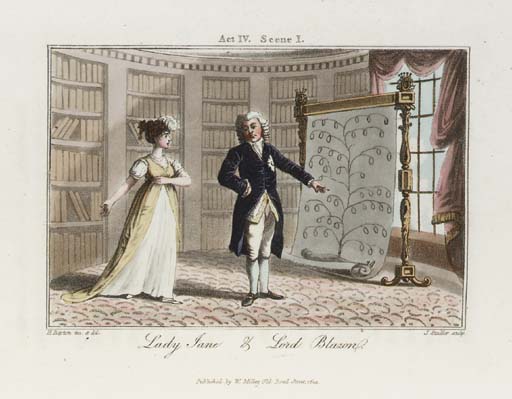
Odd Whims And Miscellanies
 Lees meer
Giclée / Kunstafdrukken
Giclée- of canvasafdruk van museumkwaliteit met een snelle productie en flexibele afwerkingsmogelijkheden. ( Bestel handgeschilderde reproductie Koop afbeelding)




































Kies uit onze vooraf ingestelde maten die overeenkomen met de originele verhoudingen van het kunstwerk.

U kunt uw eigen afmetingen opgeven om in een specifieke lijst of ruimte te passen. Als de door u gekozen maat niet overeenkomt met de proporties van het originele kunstwerk, zullen wij de afbeelding bijsnijden of uitbreiden met een gespiegelde of effen rand. Een digitaal mockup wordt ter goedkeuring naar u verzonden voordat de productie begint.
Houd er rekening mee dat de preview op het scherm de werkelijke bijsneding of uitbreiding niet weergeeft. Alleen de mockup toont de uiteindelijke compositie nauwkeurig.
Hoewel aangepaste maten beschikbaar zijn, raden wij aan een afmeting uit de vooraf bepaalde lijst te kiezen om de originele proporties te behouden.
Wereldwijde levering () binnen 2 weken in plaats van de standaard 4/5 weken. (14 augustus)

Gratis wereldwijde expressverzending

Hoogwaardig linnen canvas

Volledige verzendverzekering

Garantie op terugbetaling van invoerrechten

Garantie op exacte kleurweergave

Retourbeleid van 60 dagen (alleen bij defecten)

100% Geld-terug-garantie

Korting bij meerdere afnames
 De optie voor glas is alleen beschikbaar bij een formaat kleiner dan 110 cm.

Odd Whims And Miscellanies
Giclée / Kunstafdrukken
Afmetingen reproductie
-


Eindtotaal
$ 63
Biografie van de kunstenaar
Humphry Repton: The Architect of Tranquility
Humphry Repton (1752 – 1818) stands as a singular figure in the annals of landscape architecture, recognized for his transformative vision that reshaped British estates and profoundly impacted the aesthetic sensibilities of the Georgian era. Unlike many of his contemporaries who favored grand vistas and theatrical displays, Repton championed a distinctly restrained style—the ‘Reptonian’ – characterized by subtle contours, harmonious planting schemes, and an emphasis on creating contemplative spaces designed to soothe the senses and inspire reflection. He wasn't merely designing gardens; he was crafting experiences rooted in Palladian ideals of proportion and symmetry, subtly blending classical principles with the burgeoning Romantic movement.- Early Life & Education: Born in Bury St Edmunds, Suffolk, Repton’s formative years instilled a deep appreciation for natural beauty and geometric precision. His father, a clergyman, fostered his intellectual curiosity, encouraging him to pursue studies at Eton College and subsequently Christ Church Oxford, where he excelled in mathematics and classical scholarship.
- Emergence as Landscape Designer: Repton’s professional career began modestly, initially focusing on designing ornamental villas before swiftly gaining renown for his ambitious projects. His breakthrough came with the redesign of Stowe School gardens in Buckinghamshire (1790-1806), establishing him as a pioneer of the Reptonian style—a masterful demonstration of how to integrate landscape into architectural grandeur.
The Reptonian Style: Harmony and Proportion
Repton’s distinctive approach to garden design revolved around several key tenets. Firstly, he prioritized gentle curves and undulating ground planes rather than abrupt changes in elevation, mirroring the contours of the surrounding hillsides. Secondly, he meticulously planned planting schemes—often featuring specimen trees strategically positioned to frame vistas—creating a visual rhythm that calmed the eye. Thirdly, Repton skillfully employed perspective tricks and optical illusions to enhance depth and grandeur without resorting to overwhelming scale. This technique was famously applied at Chatsworth House, where he subtly altered the landscape to create an illusion of greater distance and magnificence.- Notable Projects: Beyond Stowe and Chatsworth, Repton undertook commissions for numerous aristocratic estates across England, including Petworth House (West Sussex), Luton Hoo Estate (Essex) and Blenheim Palace (Oxfordshire). His designs consistently prioritized tranquility and elegance, reflecting the tastes of his patrons and establishing him as the dominant voice in landscape architecture during his lifetime.
- Influence & Legacy: Repton’s influence extended far beyond his immediate commissions. He mentored younger architects and designers, disseminating his principles throughout the British landscape movement. His aesthetic vision profoundly shaped the appearance of Georgian Britain, leaving an indelible mark on architectural grandeur and garden design—a legacy that continues to inspire contemporary landscape artists.
Brighton Pavilion: A Symbol of Imperial Vision
Perhaps Repton’s most iconic achievement was his involvement in the construction of Brighton Pavilion (1817), a neoclassical palace commissioned by George IV. Recognizing the importance of integrating architecture with its surroundings, Repton transformed the seafront gardens into a harmonious expanse of lawns and herbaceous borders—a deliberate counterpoint to the formal Italianate designs favored by earlier monarchs. The pavilion’s airy interior and expansive terraces capitalized on natural light and ventilation, creating a space that embodied the ideals of Enlightenment sophistication and imperial grandeur.- Recognition & Critical Acclaim: Repton's meticulous attention to detail and his unwavering commitment to classical principles garnered considerable acclaim during his lifetime. He was elected Fellow of the Royal Society in 1793, cementing his reputation as a scholar and innovator.
Concluding Reflections
Humphry Repton’s contribution to landscape architecture transcends mere decoration; it represents a fundamental shift in how Britons perceived their environment. He championed a philosophy of design rooted in observation, restraint, and an understanding of the interplay between human artistry and natural beauty—a perspective that continues to resonate with artists and designers today. His enduring legacy resides not only in the magnificent gardens he created but also in his profound influence on the aesthetic sensibilities of an era defined by elegance, tranquility, and a harmonious embrace of the sublime.
humphry repton
1752 - 1818 , United Kingdom
Belangrijkste feiten
- Artistic Movement Or Style: Reptonian Style
- Artists Or Movements Influenced By This Artist: Palladian Influence
- Artists Who Influenced This Artist: Capability Brown
- Date Of Birth: April 21, 1752
- Date Of Death: March 24, 1818
- Full Name: Humphry Repton
- Nationality: British
- Notable Artworks: ['View from the cottage of Humphry Repton']
- Place Of Birth: Bury St Edmunds, UK

