


 Voorvertoning
 Verstuur
 Delen
Delen
 Details bekijken

 Download
 Vergelijkbare items
 Röntgenonderzoek
 Diavoorstelling
Halcyone

 Lees meer
Giclée / Kunstafdrukken
Giclée- of canvasafdruk van museumkwaliteit met een snelle productie en flexibele afwerkingsmogelijkheden. ( Bestel handgeschilderde reproductie Koop afbeelding)




































Kies uit onze vooraf ingestelde maten die overeenkomen met de originele verhoudingen van het kunstwerk.

U kunt uw eigen afmetingen opgeven om in een specifieke lijst of ruimte te passen. Als de door u gekozen maat niet overeenkomt met de proporties van het originele kunstwerk, zullen wij de afbeelding bijsnijden of uitbreiden met een gespiegelde of effen rand. Een digitaal mockup wordt ter goedkeuring naar u verzonden voordat de productie begint.
Houd er rekening mee dat de preview op het scherm de werkelijke bijsneding of uitbreiding niet weergeeft. Alleen de mockup toont de uiteindelijke compositie nauwkeurig.
Hoewel aangepaste maten beschikbaar zijn, raden wij aan een afmeting uit de vooraf bepaalde lijst te kiezen om de originele proporties te behouden.
Wereldwijde levering () binnen 2 weken in plaats van de standaard 4/5 weken. (26 augustus)

Gratis wereldwijde expressverzending

Hoogwaardig linnen canvas

Volledige verzendverzekering

Garantie op terugbetaling van invoerrechten

Garantie op exacte kleurweergave

Retourbeleid van 60 dagen (alleen bij defecten)

100% Geld-terug-garantie

Korting bij meerdere afnames
 De optie voor glas is alleen beschikbaar bij een formaat kleiner dan 110 cm.

Halcyone
Giclée / Kunstafdrukken
Afmetingen reproductie
-


Eindtotaal
$ 63
Vergelijkbare kunstwerken


Biografie van de kunstenaar
Herbert James Draper (1863 - 1920): A Life Immersed in Myth and Beauty
Herbert James Draper, a name resonating with the echoes of Victorian and Edwardian artistry, was born in London in 1863, a city brimming with both industrial progress and a fervent revival of classical ideals. The son of a fruit merchant, his path diverged from commerce towards the realm of aesthetic expression—a divergence that would ultimately define his artistic legacy. His early education at Bruce Castle School instilled him with foundational knowledge, but it was within the hallowed halls of the Royal Academy Schools that Draper’s artistic journey truly commenced. Demonstrating an immediate aptitude and ambition recognized in 1889 when he secured both the prestigious Royal Academy Gold Medal and a Travelling Studentship—a remarkable accomplishment for his age—this invaluable opportunity propelled him on formative explorations through Rome and Paris between 1888 and 1892. These European sojourns weren’t merely geographical expeditions; they constituted profound immersions into the heart of classical tradition, fostering an appreciation for idealized form and graceful composition that would become indelible hallmarks of his distinctive style.The Classical Influence: Shaping a Neoclassical Vision
These experiences fundamentally altered Draper's artistic sensibilities. He wasn’t simply observing ancient sculptures; he was absorbing their ethos—a belief in proportion, harmony, and the pursuit of perfection—principles that would permeate every subsequent piece he created. The Royal Academy Schools nurtured his talent, equipping him with technical skills alongside a deep understanding of artistic history. Draper's unwavering dedication to mastering classical techniques—particularly sculpture—became evident early on, informing his approach to painting and solidifying his commitment to the Neoclassical aesthetic. This stylistic choice wasn’t arbitrary; it reflected a broader cultural preoccupation with reviving the grandeur of antiquity amidst the burgeoning anxieties of the industrial age.Early Career and Artistic Development
Following his return from Europe, Draper embarked on a prolific artistic career, establishing himself as both a painter and illustrator—a dual vocation that allowed him to sustain himself while honing his craft. He married Ida in 1891, forging a partnership that would endure until his death, and together they welcomed a daughter into their lives. Throughout the 1890s, Draper’s artistic output expanded dramatically, fueled by commissions from wealthy patrons and driven by an unwavering desire to push creative boundaries. His illustrations for books—particularly those depicting mythological narratives—demonstrated his versatility as an artist and cemented his reputation as a storyteller alongside a masterful draughtsman.Mythological Narratives: Draper's Signature Style
Around 1894, Draper decisively embraced mythology as his primary subject matter—a decision that would propel him to artistic prominence. He eschewed landscapes and still lifes, opting instead for grand canvases depicting scenes from Greek legends. Unlike many artists of the time who merely reproduced mythological imagery, Draper reimagined these stories through a deeply personal lens—infusing them with psychological depth and sensual nuance. His style is undeniably Neoclassical, characterized by idealized forms, balanced compositions, and luminous color palettes—a stylistic hallmark that distinguishes his work from its contemporaries. The monumental painting “The Lament for Icarus,” completed in 1898, exemplifies this artistic vision perfectly. Its dramatic portrayal of grief and loss captivated audiences and garnered critical acclaim, culminating in a gold medal at the Exposition Universelle in Paris—a triumph that solidified Draper’s position as one of Britain's foremost artists.Notable Achievements and Recognition
Draper continued to exhibit regularly at the Royal Academy throughout his life, demonstrating unwavering dedication to artistic excellence and securing considerable recognition from fellow artists and critics alike. Despite not achieving membership within the prestigious institution—a curious omission considering his talent and renown—he remained a steadfast participant in its artistic discourse. His work gained international acclaim, particularly after “The Lament for Icarus” was acquired by the Tate Gallery. Draper’s legacy extends beyond individual masterpieces; he served as an influential teacher at the Royal Academy Schools, nurturing the talents of aspiring artists and shaping the future direction of British painting. He passed away peacefully in 1920 at the age of 56 from arteriosclerosis—a poignant reminder of the fragility of artistic genius amidst the relentless march of time. Simon Toll’s comprehensive study remains the definitive modern analysis of Draper's oeuvre, offering invaluable insight into his artistic process and illuminating the enduring power of his vision. His contribution to British art during a period of significant transformation deserves continued celebration and scholarly consideration.
Herbert James Draper
1863 - 1920 , Verenigd Koninkrijk
Belangrijkste feiten
- Artistic Movement Or Style: Neoclassicisme
- Date Of Birth: November 26, 1863
- Date Of Death: September 22, 1920
- Full Name: Herbert James Draper
- Nationality: Engels
- Notable Artworks:
- Lament voor Icarus
- Odyssée en Sirenes
- Het Kelpie
- Ariadne
- Place Of Birth: Londen, VK
Gerelateerde artikelen

Dante Gabriel Rossetti's Top 25 Meesterwerken: Kunst voor uw Interieur | ArtsDot
Ontdek de 25 meest betoverende meesterwerken van Dante Gabriel Rossetti! Duik in de wereld van Pre-Raphaëlitische kunst, symbolisme & romantiek. Vind museumkwaliteit reproducties en inspiratie voor uw interieur op ArtsDot.com.
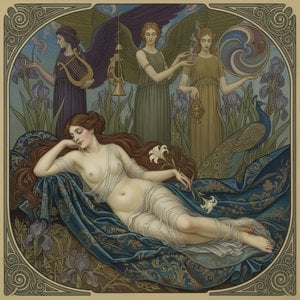
Herbert James Draper: Symbolism, Sensuality & the Aesthetic Movement
Explore the captivating world of Herbert James Draper, a master of Victorian Neoclassical painting. Discover his sensual mythological scenes, symbolic depth & influence on the Aesthetic Movement. Learn more at ArtsDot.

James Abbott McNeill Whistler: Top 25 Meesterwerken voor Kunstliefhebbers | ArtsDot
Ontdek de 25 meest iconische meesterwerken van James Abbott McNeill Whistler, pionier van het esthetisme en impressionisme. Van zijn betoverende Nocturnes tot portretten vol harmonie. Vind museumkwaliteit reproducties & decoratie-inspiratie op ArtsDot.com
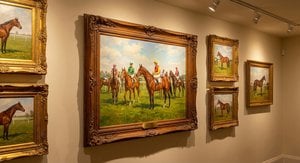
Sir Alfred James Munnings: Top 25 Meesterwerken voor Kunstliefhebbers | ArtsDot.nl
Ontdek de top 25 schilderijen van Sir Alfred James Munnings, meester van paardenkunst & Engelse impressionisme. Leer over zijn leven, techniek en iconische werken. Museumkwaliteit reproducties op ArtsDot.com! Ontdek alle meesterwerken online.

Escape into Beauty: A Curated Guide to the Dreamy World of Pre-Raphaelite Romanticism
Embark on a visual journey through Pre-Raphaelite Romanticism. Discover the vivid details, mythic narratives, and luminous colors of this iconic era, and learn how to bring this timeless, dreamy beauty into your home with museum-quality art reproductions.

