


Het werk volgt uw keuzes: , .
Beschrijving verzamelobject
Gustave Moreau’s ‘untitled (8118)’ captures a distressed woman contemplating the dramatic sky, embodying Symbolist painting's enigmatic beauty and psychological depth. Explore this evocative artwork and discover a timeless masterpiece to own.
 Lees meer
Biografie kunstenaar
Ontdek Gustave Moreau's droomachtige Symbolisme! Zijn mythologische & religieuze schilderijen, beïnvloed door Matisse & Rouault, vertellen verhalen vol mysterie en schoonheid.
Handgemaakte olieverfreproductie
Met de hand geschilderd in olieverf op canvas in uw gewenste maat en lijst, op bestelling gemaakt door onze kunstenaars. ( Schakel over naar print Schakel over naar digitale afbeeldingen)
Meer over dit schilderij
 Voorvertoning
 Verstuur
 Delen
Delen
 Details bekijken
 Gids
Gids

 Download
 Vergelijkbare items
 Röntgenonderzoek
 Diavoorstelling
 Vraag & antwoord
 Statistieken
Bestel uw schilderij in vier eenvoudige stappen
Neem de tijd. U kunt elk antwoord nog wijzigen; de prijs in uw besteloverzicht wordt direct aangepast aan elke keuze.
1 Stap één van de vier
Welke maat wilt u kiezen?
Deze formaten behouden de proporties van het originele schilderij. De tekening laat uw keuze zien op een muur, boven een bank van twee meter.
Of geef uw eigen afmetingen op
Kies uit onze vooraf ingestelde maten die overeenkomen met de originele verhoudingen van het kunstwerk.

Voer de breedte en hoogte in die u nodig heeft, passend bij uw lijst of uw muur. Omdat dit handgeschilderd is, kan de kunstenaar bij een afmeting met een andere beeldverhouding iets meer rondom het schilderij schilderen of juist iets meer weglaten — u kiest zelf. Wij sturen u een digitaal mockup ter goedkeuring voordat het schilderwerk begint. De afbeelding die op deze pagina wordt getoond, is niet het uiteindelijke resultaat — alleen de mockup geeft dit weer.
2 Stap twee van vier
Hoe moet het worden geleverd: gerold, opgespannen of ingelijst?
De onderstaande prijzen zijn voor de maat die u in stap één heeft gekozen.
Kies de randen van het canvas
Kies uw lijst

Wit €1

Vervagende randen €1

Doorlopende rand €1

P118B €10

P118H €10

P118W €10

P438Z €10

P508JH €12

P508YH €12

P805H €10

P805Z €10

P919BZ €10

P919G €10

P919XJ €10

P959ZH €10

P968JZ €12

W106C €8

W218G €10

W218JH €8

W218Y €10

W307PJ €10

W316G €10

W316PJ €8

W316Y €10

W398PJ €8

W4111J €10

W500HY €15

W500JH €15

W692G €12

W849H €8

W940BG €15

W953PJ €8

H24-GOLD €30

H24-SILVER €30

H36-GOLD €45

H36-SILVER €45
Ingelijst
Lijstrand: . Totale afmetingen inclusief lijst: .
3 Stap drie van vier
Wilt u dat er iets aan het schilderij wordt aangepast?
De meeste mensen antwoorden nee. Omdat elk schilderij met de hand wordt gemaakt, kan onze kunstenaar het ook voor u aanpassen.
Na de bestelling zal het team van ArtsDot.com per e-mail contact opnemen met de klant voor instructies en een mockup-voorbeeld verstrekken
4 Stap vier van vier
Enkele afwerkingsopties
Ze zijn allemaal optioneel. De reeds geselecteerde antwoorden brengen geen extra kosten met zich mee.
Wie is de kunstenaar?
Wereldwijde levering () binnen 3 tot 4 weken in plaats van de standaard 5 weken. (8 november). Zonder concessies aan de kwaliteit.
Een naambordje, zoals in een museum?
Details van de gegraveerde bronzen plaat
This elegant plaque features the artist's name and the title of the artwork, finely engraved for a timeless presentation.
It is made from bronze with a refined, elegant finish. The text is precisely laser-engraved for a sharp and permanent result. Measuring 9x2 cm, the plaque is compact yet easy to read. It's built to be durable and scratch-resistant, offering a professional, museum-quality look. Mounting is simple thanks to the included adhesive backing.
Details transparante acrylplaat
The plaque includes essential engraved details such as the artist's name, the title of the artwork, the date it was created, the type of media used-like oil on canvas or watercolor-a brief description of the piece, and a QR code that links to the complete artwork information.
It is crafted from clear acrylic, offering a sleek, modern appearance. The text is UV-engraved in black to ensure strong visual contrast. With a size of 10x15 cm, it ensures optimal readability. It comes equipped with two metal hooks for secure wall mounting. The plaque is designed to be weather-resistant, making it suitable for various environments, and it includes interactive features that work seamlessly with smartphone scanning.
Details zwarte acrylplaat
This elegant plaque includes engraved information such as the artist's name, the title of the artwork, the date it was created, the type of media used (like oil on canvas or watercolor), a short description of the artwork, and a QR code for quick access to more information.
The plaque itself is made from refined black acrylic with a premium finish. The text is laser-engraved in white for high contrast and readability. Its size is 10x15 cm, designed to be easy to read. It comes with two metal hooks for professional mounting. The design is sleek and fits any interior style. It is also weather-resistant and durable, with built-in digital integration for mobile compatibility.
Een beschermende vernis?
Wanneer heeft u het nodig?
✓ Controleren en bestellen
Uw schilderij, zoals u het heeft besteld

untitled (8118)
Druktechniek
Afmetingen reproductie
-

Geselecteerde topkunstenaars
Meer detail, verfijning en extra productietijd
-

Lijst voor reproductie
-
-
Voor kunstwerken of reproducties die aan één zijde groter zijn dan 105 cm (ongeveer 41 inch), wordt de lijst als een losse set verzonden. Deze methode garandeert een veilige levering en voorkomt schade tijdens het transport.
Professionele montage vereist - dit is geen doe-het-zelfproduct.
De set moet worden gemonteerd en het canvas moet worden gespannen door een ervaren professionele lijstenmaker, met gebruik van houtlijm (niet inbegrepen), een doekspanter en klemmen om de sponningen recht te houden terwijl de lijm droogt. Onjuiste montage of een ongelijkmatige spanning op het canvas kan het kunstwerk permanent beschadigen en wordt niet gedekt door onze garantie.
 Voor kunstwerken of reproducties die aan één zijde groter zijn dan 105 cm (ongeveer 41 inch), wordt de lijst als een losse set verzonden. Deze methode garandeert een veilige levering en voorkomt schade tijdens het transport.
Alle massief houten onderdelen zijn inbegrepen, nauwkeurig op maat gesneden voor montage.
Te monteren met de meegeleverde schroeven, plus houtlijm voor de hoekverbindingen, die niet wordt meegeleverd en door uw lijstenmaker moet worden aangeschaft.
Professioneel gereedschap is vereist en niet inbegrepen: een spanner voor canvas en klemmen om de latten recht te houden terwijl de lijm droogt.
Belangrijk:
De hoekverbindingen vereisen houtlijm, de latten moeten met lijmklemmen worden vastgehouden tot de lijm volledig is opgedroogd, en het spannen van het canvas op het samengestelde frame vereist een doekspanter. Geen van deze artikelen is inbegrepen in de set. Wij adviseren u om een ervaren professionele lijstenmaker te raadplegen voordat u deze maat bestelt.

Naamplaatje
-
-

Beschermende vernislaag
Glanzende vernis (versterkt de kleuren en biedt bescherming tegen licht en vocht)
-

Mijn kunstwerk aanpassen
Voorbeelden van aanpassingen: vervang het gezicht door een eigen foto; voeg een huisdier toe (bijv. vervang de kat door een hond); verwerk een verborgen boodschap in de achtergrond; wijzig het landschap of andere elementen op de achtergrond.
-

Spoedlevering
Wereldwijde levering () binnen 3 tot 4 weken in plaats van de standaard 5 weken. (8 november). Geen concessies aan de kwaliteit.
-
Spoedlevering
Wereldwijde levering naar binnen 5 weken. (15 november).
Inbegrepen
Eindtotaal
€ 235
De optie voor glas is alleen beschikbaar bij een formaat kleiner dan 110 cm.
Inbegrepen bij elke bestelling
- Gratis wereldwijde expressverzending
- Hoogwaardig linnen canvas
- Volledige verzendverzekering
- Garantie op terugbetaling van invoerrechten
- Garantie op exacte kleurweergave
- Retourbeleid van 100 dagen (alleen bij defecten)
- 100% Geld-terug-garantie
- Korting bij meerdere afnames


A Portrait of Melancholy: Unveiling Moreau’s ‘Untitled (8118)’
Gustave Moreau's “Untitled (8118)” is not merely a depiction of a woman on a cliff; it’s an immersion into the turbulent heart of Symbolist emotion. Painted in 1898, just before his death, this work embodies the culmination of Moreau’s lifelong pursuit to translate inner experience onto canvas – a quest fueled by a fascination with mythology, religion, and the profound mysteries of the human psyche. The scene unfolds with an arresting intensity: a solitary figure, rendered with meticulous detail, sits poised on the precipice, her arms wrapped protectively around herself, suggesting a deep-seated distress or perhaps a moment of profound contemplation. The swirling clouds above aren’t simply atmospheric effects; they are visual metaphors for inner turmoil and uncertainty, mirroring the woman's emotional state.
- Subject Matter: A female figure in a vulnerable posture, evoking themes of isolation, sorrow, and introspection.
- Setting: A dramatic cliffside location, symbolizing precariousness, transition, and the confrontation with existential questions.
- Composition: The central figure dominates the composition, surrounded by supporting elements that amplify the emotional weight of the scene.
The Language of Symbolism – Moreau’s Artistic Vision
Moreau was a pivotal figure in the Symbolist movement, rejecting the objective realism championed by his contemporaries. Instead, he sought to evoke moods and ideas through carefully constructed symbols and allegorical imagery. His technique involved layering translucent glazes—a hallmark of his style—to create an ethereal effect, imbuing the painting with a dreamlike quality. The use of rich, jewel-toned colors – deep blues, purples, and ochres – further contributes to this sense of otherworldly beauty and emotional depth. Notice the meticulous rendering of textures: the rough stone of the cliff, the flowing fabric of the woman’s garments, and the delicate feathers of the bird all contribute to a heightened sensory experience.
Historical Context & Influences
Born in Paris in 1826, Moreau's artistic development was profoundly shaped by his intellectual environment. His father, an architect and archivist, instilled in him a love for classical antiquity and the study of mythology – sources that would become central to Moreau’s artistic vocabulary. He initially received formal training at the École des Beaux-Arts, but quickly abandoned academic conventions in favor of exploring more esoteric themes. Influenced by artists like William Blake and Dante Gabriel Rossetti, Moreau sought to create works that were both beautiful and intellectually stimulating, inviting viewers to engage with complex ideas about spirituality, morality, and the human condition. The painting reflects a broader cultural shift towards valuing subjective experience over objective representation.
Symbolic Resonance & Emotional Impact
"Untitled (8118)" is laden with symbolic meaning. The woman’s posture suggests vulnerability and despair, while the bird soaring above represents hope or perhaps a fleeting escape from sorrow. The presence of multiple figures – some near, others distant – adds to the painting's complexity, hinting at the interconnectedness of human experience and the challenges of finding solace in isolation. Moreau’s masterful use of light and shadow further intensifies the emotional impact, creating a sense of dramatic tension and inviting viewers to contemplate their own feelings about loss, loneliness, and the search for meaning. This work continues to resonate with audiences today due to its timeless exploration of human emotion.
Veelgestelde vragen
Waarom heeft het kunstwerk "untitled (8118)" deze auteursrechtelijke status?
"untitled (8118)" van Gustave Moreau is bevindt zich in het publiek domein - de auteursrechten zijn verlopen. De auteursrechten worden berekend vanaf het jaar van overlijden van de kunstenaar; Gustave Moreau is overleden in 1898.
Is "untitled (8118)" vrij van auteursrecht?
Wat betreft het auteursrecht valt "untitled (8118)" onder bevindt zich in het publiek domein - de auteursrechten zijn verlopen.
Welke sfeer straalt "untitled (8118)" uit?
De algehele stemming van "untitled (8118)" door Gustave Moreau is Ethereal. De stemming beschrijft de algemene atmosfeer van het werk.
Vergelijkbare kunstwerken


Gustave Moreau
1826 - 1898, Frankrijk
Biografie kunstenaar
A Dream Weaver of Symbolism: The Life and Art of Gustave Moreau
Gustave Moreau, een naam die synoniem staat voor de etherische schoonheid en de betekenisvolle diepten van symbolistische schilderkunst, kwam in de 19e eeuwse Parijs als een unieke artistieke stem tot bloei. Geboren in 1826 in een burgerlijke familie – zijn vader een architect en archivaris – was Moreau’s vroege leven doordrenkt met intellectuele nieuwsgierigheid en esthetische gevoeligheid. Vanaf jonge leeftijd toonde hij een opmerkelijk talent voor tekenen, gekneed door traditionele academische training aan de École des Beaux-Arts onder figuren als François-Édouard Picot. Echter, Moreau’s artistieke pad zou aanzienlijk afwijken van de heersende Realistische en Impressionistische stromingen van zijn tijd. Hij was niet geïnteresseerd in het vastleggen van vluchtige momenten of objectieve realiteit; in plaats daarvan zocht hij naar het ontsluiten van de verborgen rijkdommen van mythologie, religie en de menselijke psyche door middel van een diep persoonlijke en symbolische visuele taal. Zijn reis was één van interne exploratie, waarbij subjectieve emoties en spirituele verlangens werden vertaald naar doeken met obsessieve aandacht voor detail en een levendige, vaak opulence palet.The Forge of Imagination: Influences and Artistic Development
Moreau’s artistieke ontwikkeling werd niet in een vacuüm geboren. Hoewel hij de dominante trends van zijn tijd afwees, haalde hij inspiratie uit diverse bronnen. De dramatische toepassing van kleur en exotisch onderwerpmateriaal gevonden in het werk van Eugène Delacroix wekte bij hem een diepe passie voor narratieve schilderkunst, doordrenkt met emotionele intensiteit. Hij verreefde ook de meesters van de Renaissance zoals Michelangelo en Leonardo da Vinci, bewonderend hun beheersing van compositie, anatomie en psychologische inzicht. Toch was Moreau niet simpelweg een imitator van deze kunstenaars; hij synthetiseerde hun invloeden tot iets radicaal nieuws. Zijn reizen naar Italië in de jaren 1850 droegen bij aan zijn ontwikkeling, waardoor hij werd ondergedompeld in de kunst van het oude en de Renaissance, wat een schat aan motieven en stijlelementen opleverde die zijn toekomstige werken zouden bevolken. Hij kopieerde zorgvuldig Oude werken, niet als oefening in replicatie, maar om hun technieken te absorberen en hun geheimen te ontsluiten. Deze toewijding aan vakmanschap, gecombineerd met zijn groeiende interesse in mythologie en literatuur, legde de basis voor zijn unieke artistieke visie.A World of Symbols: Themes and Techniques
Moreau’s schilderijen zijn niet simpelweg illustraties van mythen of bijbelse verhalen; ze zijn complexe allegorieën die contemplatie en interpretatie uitnodigen. Hij duikte in verhalen zoals die van Salome, Orpheus, Jupiter en Semele, niet om ze letterlijk te vertellen, maar om hun onderliggende psychologische en spirituele waarheden te verkennen. Zijn doeken zitten vol symbolische beelden – slangen die verlangen vertegenwoordigen, juwelen die aardse verlangens symboliseren, en figuren die abstracte concepten zoals verdriet, verlies of redding uitbeelden. Hij creëerde meesterlijk een dromerige sfeer door middel van ingewikkelde details, rijke texturen en een vaak misleidende juxtapositie van licht en schaduw. Moreau’s techniek kenmerkte zich door zorgvuldige laag op laag aanbrengen van verf, waardoor oppervlakken schitteren met iriserende kleuren en een gevoel van bovennatuurlijke schoonheid oproepen. Zijn gebruik van bladgoud versterkte dit effect, waardoor zijn werken een Byzantijnse kwaliteit kregen die hun spirituele dimensie onderstreepte. Hij was niet geïnteresseerd in het vastleggen van realistische texturen of perspectieven; hij hechtte de voorkeur aan de expressieve kracht van kleur en vorm om stemming en betekenis over te brengen.Notable Works and Legacy
Moreau’s oeuvre is remarkably diverse, encompassing a wide range of subjects and styles. Some of his most celebrated works include *Salome Dancing before Herod*, a dramatic depiction of the biblical tale that became synonymous with his artistic vision; *Jupiter and Semele*, a powerful allegory exploring themes of divine power and mortal vulnerability; *Orpheus*, a series of paintings capturing the tragic figure’s lament and musical prowess; *The Apparition*, showcasing his ability to create ethereal and otherworldly scenes, and *Desdemona*, a poignant portrayal of Shakespeare's doomed heroine. Beyond these individual works, Moreau’s influence extended far beyond his own lifetime. He played a pivotal role in shaping the Symbolist movement, encouraging artists to embrace imagination, symbolism, and individual expression. His legacy continues to inspire artists today, reminding us of the power of art to transcend the boundaries of reality. The Musée Gustave Moreau, housed in his former studio and home in Paris, stands as a testament to his enduring impact—a sanctuary where visitors can immerse themselves in the captivating world of this extraordinary artist.Historical Significance
Gustave Moreau’s work emerged during a period of significant artistic and intellectual change in Europe. The rise of Symbolism coincided with growing interest in psychology, mythology, and the occult, reflecting a broader cultural shift away from rationalism and towards subjective experience. Moreau's exploration of the subconscious mind and his use of dreamlike imagery resonated deeply with audiences seeking alternative forms of expression. His rejection of academic conventions and his embrace of personal symbolism paved the way for subsequent artistic movements, including Art Nouveau and Expressionism. Moreau’s influence can be seen in the works of numerous artists who followed him, solidifying his place as a pivotal figure in the history of modern art.


Gerelateerde artikelen

Giclée Prints: Archival Quality & Aesthetic Nuances for the Discerning Collector
Explore the world of giclée prints with ArtsDot. Learn about archival quality, aesthetic nuances & investment potential. Expert guidance for discerning art collectors seeking museum-quality reproductions and lasting value.

Echoes of Time: Exploring the Enduring Appeal & Historical Context of Vintage Art Prints
Explore the captivating world of vintage art prints! Discover their history, collecting tips & enduring appeal. Expert insights on chromolithography and building a legacy collection with ArtsDot.
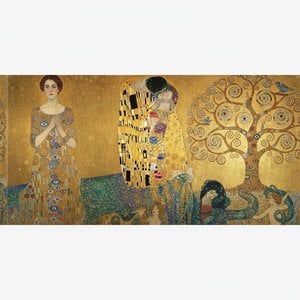
Gustav Klimt's Top 25 Meesterwerken: Kunst, Geschiedenis & Decoratie | ArtsDot
Ontdek de top 25 meesterwerken van Gustav Klimt! Van 'De Kus' tot iconische portretten, duik in zijn gouden fase & symbolisme. Vind museumkwaliteit Klimt reproducties en inspiratie voor uw interieur op ArtsDot.com.