


Het werk volgt uw keuzes: , .
Beschrijving verzamelobject
A mesmerizing watercolor depiction by Giuseppe Arcimboldo showcases three antler-like structures crafted from meticulously arranged objects – polished antlers adorned with gold, textured antlers bearing growth rings, and smaller curved antlers—reflecting Neo-Platonic symbolism and capturing the spirit of Renaissance scientific inquiry.
 Lees meer
Biografie kunstenaar
Giuseppe Arcimboldo (1527-1593) was een Italiaanse meester van surrealistische portretten, beroemd om zijn fantasierijke composities met fruit, bloemen en objecten. Zijn unieke stijl voorspelde Surrealisme en blijft fascinerend!
Handgemaakte olieverfreproductie
Met de hand geschilderd in olieverf op canvas in uw gewenste maat en lijst, op bestelling gemaakt door onze kunstenaars. ( Schakel over naar print Schakel over naar digitale afbeeldingen)
Meer over dit schilderij
 Voorvertoning
 Verstuur
 Delen
Delen
 Details bekijken
 Gids
Gids

 Download
 Vergelijkbare items
 Röntgenonderzoek
 Diavoorstelling
 Vraag & antwoord
 Statistieken
Bestel uw schilderij in vier eenvoudige stappen
Neem de tijd. U kunt elk antwoord nog wijzigen; de prijs in uw besteloverzicht wordt direct aangepast aan elke keuze.
1 Stap één van de vier
Welke maat wilt u kiezen?
Deze formaten behouden de proporties van het originele schilderij. De tekening laat uw keuze zien op een muur, boven een bank van twee meter.
Of geef uw eigen afmetingen op
Kies uit onze vooraf ingestelde maten die overeenkomen met de originele verhoudingen van het kunstwerk.

Voer de breedte en hoogte in die u nodig heeft, passend bij uw lijst of uw muur. Omdat dit handgeschilderd is, kan de kunstenaar bij een afmeting met een andere beeldverhouding iets meer rondom het schilderij schilderen of juist iets meer weglaten — u kiest zelf. Wij sturen u een digitaal mockup ter goedkeuring voordat het schilderwerk begint. De afbeelding die op deze pagina wordt getoond, is niet het uiteindelijke resultaat — alleen de mockup geeft dit weer.
2 Stap twee van vier
Hoe moet het worden geleverd: gerold, opgespannen of ingelijst?
De onderstaande prijzen zijn voor de maat die u in stap één heeft gekozen.
Kies de randen van het canvas
Kies uw lijst

Wit €1

Vervagende randen €1

Doorlopende rand €1

P118B €10

P118H €10

P118W €10

P438Z €10

P508JH €12

P508YH €12

P805H €10

P805Z €10

P919BZ €10

P919G €10

P919XJ €10

P959ZH €10

P968JZ €12

W106C €8

W218G €10

W218JH €8

W218Y €10

W307PJ €10

W316G €10

W316PJ €8

W316Y €10

W398PJ €8

W4111J €10

W500HY €15

W500JH €15

W692G €12

W849H €8

W940BG €15

W953PJ €8

H24-GOLD €30

H24-SILVER €30

H36-GOLD €45

H36-SILVER €45
Ingelijst
Lijstrand: . Totale afmetingen inclusief lijst: .
3 Stap drie van vier
Wilt u dat er iets aan het schilderij wordt aangepast?
De meeste mensen antwoorden nee. Omdat elk schilderij met de hand wordt gemaakt, kan onze kunstenaar het ook voor u aanpassen.
Na de bestelling zal het team van ArtsDot.com per e-mail contact opnemen met de klant voor instructies en een mockup-voorbeeld verstrekken
4 Stap vier van vier
Enkele afwerkingsopties
Ze zijn allemaal optioneel. De reeds geselecteerde antwoorden brengen geen extra kosten met zich mee.
Wie is de kunstenaar?
Wereldwijde levering () binnen 3 tot 4 weken in plaats van de standaard 5 weken. (3 november). Zonder concessies aan de kwaliteit.
Een naambordje, zoals in een museum?
Details van de gegraveerde bronzen plaat
This elegant plaque features the artist's name and the title of the artwork, finely engraved for a timeless presentation.
It is made from bronze with a refined, elegant finish. The text is precisely laser-engraved for a sharp and permanent result. Measuring 9x2 cm, the plaque is compact yet easy to read. It's built to be durable and scratch-resistant, offering a professional, museum-quality look. Mounting is simple thanks to the included adhesive backing.
Details transparante acrylplaat
The plaque includes essential engraved details such as the artist's name, the title of the artwork, the date it was created, the type of media used-like oil on canvas or watercolor-a brief description of the piece, and a QR code that links to the complete artwork information.
It is crafted from clear acrylic, offering a sleek, modern appearance. The text is UV-engraved in black to ensure strong visual contrast. With a size of 10x15 cm, it ensures optimal readability. It comes equipped with two metal hooks for secure wall mounting. The plaque is designed to be weather-resistant, making it suitable for various environments, and it includes interactive features that work seamlessly with smartphone scanning.
Details zwarte acrylplaat
This elegant plaque includes engraved information such as the artist's name, the title of the artwork, the date it was created, the type of media used (like oil on canvas or watercolor), a short description of the artwork, and a QR code for quick access to more information.
The plaque itself is made from refined black acrylic with a premium finish. The text is laser-engraved in white for high contrast and readability. Its size is 10x15 cm, designed to be easy to read. It comes with two metal hooks for professional mounting. The design is sleek and fits any interior style. It is also weather-resistant and durable, with built-in digital integration for mobile compatibility.
Een beschermende vernis?
Wanneer heeft u het nodig?
✓ Controleren en bestellen
Uw schilderij, zoals u het heeft besteld

Nature studies
Druktechniek
Afmetingen reproductie
-

Geselecteerde topkunstenaars
Meer detail, verfijning en extra productietijd
-

Lijst voor reproductie
-
-
Voor kunstwerken of reproducties die aan één zijde groter zijn dan 105 cm (ongeveer 41 inch), wordt de lijst als een losse set verzonden. Deze methode garandeert een veilige levering en voorkomt schade tijdens het transport.
Professionele montage vereist - dit is geen doe-het-zelfproduct.
De set moet worden gemonteerd en het canvas moet worden gespannen door een ervaren professionele lijstenmaker, met gebruik van houtlijm (niet inbegrepen), een doekspanter en klemmen om de sponningen recht te houden terwijl de lijm droogt. Onjuiste montage of een ongelijkmatige spanning op het canvas kan het kunstwerk permanent beschadigen en wordt niet gedekt door onze garantie.
 Voor kunstwerken of reproducties die aan één zijde groter zijn dan 105 cm (ongeveer 41 inch), wordt de lijst als een losse set verzonden. Deze methode garandeert een veilige levering en voorkomt schade tijdens het transport.
Alle massief houten onderdelen zijn inbegrepen, nauwkeurig op maat gesneden voor montage.
Te monteren met de meegeleverde schroeven, plus houtlijm voor de hoekverbindingen, die niet wordt meegeleverd en door uw lijstenmaker moet worden aangeschaft.
Professioneel gereedschap is vereist en niet inbegrepen: een spanner voor canvas en klemmen om de latten recht te houden terwijl de lijm droogt.
Belangrijk:
De hoekverbindingen vereisen houtlijm, de latten moeten met lijmklemmen worden vastgehouden tot de lijm volledig is opgedroogd, en het spannen van het canvas op het samengestelde frame vereist een doekspanter. Geen van deze artikelen is inbegrepen in de set. Wij adviseren u om een ervaren professionele lijstenmaker te raadplegen voordat u deze maat bestelt.

Naamplaatje
-
-

Beschermende vernislaag
Glanzende vernis (versterkt de kleuren en biedt bescherming tegen licht en vocht)
-

Mijn kunstwerk aanpassen
Voorbeelden van aanpassingen: vervang het gezicht door een eigen foto; voeg een huisdier toe (bijv. vervang de kat door een hond); verwerk een verborgen boodschap in de achtergrond; wijzig het landschap of andere elementen op de achtergrond.
-

Spoedlevering
Wereldwijde levering () binnen 3 tot 4 weken in plaats van de standaard 5 weken. (3 november). Geen concessies aan de kwaliteit.
-
Spoedlevering
Wereldwijde levering naar binnen 5 weken. (10 november).
Inbegrepen
Eindtotaal
€ 235
De optie voor glas is alleen beschikbaar bij een formaat kleiner dan 110 cm.
Inbegrepen bij elke bestelling
- Gratis wereldwijde expressverzending
- Hoogwaardig linnen canvas
- Volledige verzendverzekering
- Garantie op terugbetaling van invoerrechten
- Garantie op exacte kleurweergave
- Retourbeleid van 100 dagen (alleen bij defecten)
- 100% Geld-terug-garantie
- Korting bij meerdere afnames


Giuseppe Arcimboldo: A Renaissance Visionary Reimagined
Giuseppe Arcimboldo (1527 – 1593), an Italian Mannerist painter, stands apart from his contemporaries not merely for stylistic innovation but for a profound engagement with the intellectual currents of his time—specifically, Neo-Platonism and the burgeoning fascination with natural science. Born in Milan during a period marked by papal ambition and artistic experimentation, Arcimboldo’s career unfolded against a backdrop of transformative change, propelling him to prominence as court painter for three Holy Roman Emperors: Maximilian I, Philip II, and Rudolf II—a testament to his ability to capture the zeitgeist and translate complex ideas into visually arresting imagery. While initially recognized for traditional portraits adhering to established conventions, Arcimboldo swiftly distinguished himself through a revolutionary approach – crafting composite heads entirely from meticulously arranged objects: fruits, vegetables, flowers, fish, musical instruments, and even books—a technique that continues to fascinate scholars and artists alike.- The Composite Head Technique: Arcimboldo’s method wasn't simply about clever visual illusion; it represented a deliberate challenge to conventional artistic representation. Rather than depicting the human face in its idealized form, he disassembled it into constituent parts—symbols of nature—creating an image that simultaneously honored classical ideals and reflected the scientific curiosity of the Renaissance.
- Symbolism Rooted in Neo-Platonism: Arcimboldo’s works resonate deeply with Neo-Platonic philosophy, which sought to reconcile pagan mythology with Christian theology by interpreting symbols as reflections of divine truths. Each element within a portrait—the fruits representing fertility and abundance, the flowers symbolizing beauty and virtue—carried specific allegorical meanings intended to convey profound spiritual concepts.
- Court Patronage & Rudolf II’s Vision: Arcimboldo's success stemmed largely from his patronage by Rudolf II, Holy Roman Emperor, who championed a humanist worldview characterized by intellectual exploration and artistic splendor. Rudolf II’s fascination with alchemy, astrology, and natural history mirrored Arcimboldo’s own stylistic ambition—to transcend mere imitation of nature and to express its underlying harmony and order.
Vertumnus: A Masterpiece of Illusion and Allegory
Among Arcimboldo's most celebrated achievements is Vertumnus (1591), an oil painting commissioned by Rudolf II that exemplifies the artist’s mastery of illusionistic technique and symbolic representation. The portrait depicts Rudolf II as a human face constructed from meticulously arranged fruits, vegetables, flowers, and musical instruments—a deliberate homage to the Roman god Vertumnus, whose name translates to “turning” or “changing,” reflecting the cyclical rhythms of nature and mirroring Rudolf II’s belief in the interconnectedness of all things. The composition is remarkably balanced, with each element carefully positioned to contribute to the overall impression of serenity and intellectual contemplation.- Illusionistic Detail: Arcimboldo achieved his breathtaking effect through painstaking layering of paint—a technique known as glazing—creating a shimmering surface that captures the subtle nuances of light and color. The artist’s meticulous attention to detail ensured that each fruit, vegetable, and instrument appeared convincingly integrated into the portrait's form.
- The God Vertumnus & Rudolf II’s Ideal: Arcimboldo’s choice of imagery—specifically Vertumnus—was not arbitrary but deliberately symbolic. The god Vertumnus represented transformation and renewal, mirroring Rudolf II’s aspiration to embody the virtues of wisdom, justice, and compassion—qualities he believed essential for governing his realm effectively.
- A Reflection of Renaissance Thought: Vertumnus stands as a powerful emblem of the Renaissance humanist spirit—a conviction that human reason could illuminate the mysteries of the cosmos and that art could serve as a conduit for conveying profound philosophical ideas.
Beyond Illusion: Arcimboldo’s Artistic Legacy
Giuseppe Arcimboldo's influence extends far beyond his own lifetime, shaping subsequent artistic trends and inspiring generations of artists to explore innovative visual strategies. His pioneering use of composite portraits established a precedent for manipulating perspective and creating imaginative representations that defied conventional conventions—a legacy that continues to resonate in contemporary art practice. Furthermore, Arcimboldo’s unwavering commitment to capturing the essence of his subject matter through symbolic imagery solidified his position as one of the foremost artists of the Mannerist movement—a period characterized by stylistic experimentation and a preoccupation with psychological depth.- Influence on Later Artists: Arcimboldo's technique served as an inspiration for artists like Rembrandt and Diego Velázquez, who similarly employed illusionistic techniques to convey emotion and psychological complexity in their portraits.
- The Mannerist Aesthetic: Arcimboldo’s work embodies the core tenets of Mannerism—a stylistic movement that prioritized expressive distortion over naturalistic representation—marking a decisive break from the idealized beauty of High Renaissance art.
- Enduring Relevance: Today, Arcimboldo's portraits continue to captivate audiences with their arresting visual impact and their profound intellectual depth—testaments to his enduring artistic genius and his ability to transcend temporal boundaries.
Discovering Arcimboldo’s Art Today
Reproductions of Arcimboldo’s masterpieces can be found in prestigious museums worldwide, including the Kunsthistorisches Museum in Vienna and the Louvre in Paris—a testament to their enduring artistic merit. Explore stunning prints and canvases that capture the vibrancy of color and the meticulous detail characteristic of his original paintings—bringing the visionary spirit of Giuseppe Arcimboldo into your home or gallery space.Veelgestelde vragen
Wordt "Nature studies" door Giuseppe Arcimboldo bewaard in het land van herkomst van de kunstenaar?
Nee - het kunstwerk wordt in het buitenland bewaard. "Nature studies" bevindt zich in Oostenrijk, terwijl Giuseppe Arcimboldo werd geboren in Italië.
Wat zijn de reproductierechten van "Nature studies" in Österreichische Nationalbibliothek?
"Nature studies" door Giuseppe Arcimboldo, onderdeel van de collectie van Österreichische Nationalbibliothek, is bevindt zich in het publiek domein - de auteursrechten zijn verlopen. Deze status bepaalt of er reproducties van de afbeelding mogen worden gemaakt.
Zijn de kleuren van "Nature studies" krachtig of juist zacht?
De kleuren in "Nature studies" door Giuseppe Arcimboldo hebben een Balanced intensiteit.
Vergelijkbare kunstwerken


Giuseppe Arcimboldo
1527 - 1593, Italië
Biografie kunstenaar
Giuseppe Arcimboldo (1527-1593): De Mysticus van de Composite Hoofd
Giuseppe Arcimboldo, een naam die onlosmakelijk verbonden is met een wereld van bizarre schoonheid en verbluffende illusies, blijft een van de meest unieke figuren uit de Renaissance. Geboren in Milaan in 1527, ontvouwde zijn artistieke carrière zich tegen de achtergrond van Europa, doordrenkt van intellectuele opwinding, religieuze verschuivingen en een onstilende nieuwsgierigheid naar de natuurlijke wereld. Hoewel aanvankelijk erkend voor meer conventionele werken – fresco’s die kathedralen sieren en portretten die zich houden aan gevestigde hofstandaarden – ligt Arcimboldo's blijvende nalatenschap in een reeks composiethoofden, volledig samengesteld uit zorgvuldig geplaatste objecten: fruit, groenten, bloemen, boeken, zelfs muziekinstrumenten. Deze waren niet simpelweg speelse oefeningen in visuele truckunst; ze waren complexe allegorieën, doordrenkt van symboliek die resoneren met de Renaissance-wereldvisie en het publiek tot op de dag van vandaag fascineren. Zijn vader, Biagio Arcimboldo, was zelf een kunstenaar, waardoor hij Giuseppe een vroege artistieke training gaf en waarschijnlijk ook zijn eerste pogingen tot ontwerpwerk voor glasramen en fresco’s in de kathedraal van Milaan rond 1549 beïnvloedde. Deze fundamentele ervaring scherpte zijn technische vaardigheid en oog voor detail – kwaliteiten die later kenmerken zouden worden van zijn meer onconventionele creaties.
Hofelijke Opdrachten en de Opkomst van een Unieke Stijl
Arcimboldo's traject nam een significante wending in 1562, toen hij benoemd werd tot hofportretist van Ferdinand I bij de Habsburgse vorstendynastie in Wenen. Dit markeerde het begin van meer dan twee decennia aan artistieke polyvalentie voor drie opeenvolgende Habsburgse heersers: Maximiliaan II en zijn zoon, Rudolf II. Naast het schilderen van portretten – hoewel zelfs deze vaak subtiele excentriciteiten vertoonden – omvatten Arcimboldo's taken kostuumontwerp, festivaldecoraties en de organisatie van keizerlijke collecties. Binnen dit milieu van verfijnde smaak en intellectuele nieuwsgierigheid begon zijn kenmerkende stijl te bloeien. De hofelijke vraag naar vernieuwing en spektakel bood vruchtbare grond voor experimenten, waardoor hij verder kon gaan dan traditionele portrettuur richting de creatie van zijn beroemde “composiethoofden”. Deze werden niet geboren uit een plotselinge impuls, maar ontwikkelden zich geleidelijk, gebaseerd op de Renaissance-fascinering voor raadsels, puzzels en het verkennen van verborgen betekenissen in alledaagse objecten. De invloed van eerdere kunstenaars die experimenteerden met *trompe l'oeil*-effecten en vervormde perspectieven kan worden waargenomen, maar Arcimboldo synthetiseerde deze elementen tot iets radicaals – een unieke visuele taal die conventionele representaties uitdaagt. Zijn vader’s ervaring met glasramen en fresco’s gaf hem de technische vaardigheden om dit te realiseren.
Het Ontcijferen van Symboliek: Meer Dan Het Eerst Aanzien
Om Arcimboldo's werk simpelweg als speels te beschouwen, is te negeren dat het diepe intellectuele betekenis bevat. Elk object binnen zijn composiethoofden werd zorgvuldig gekozen, geladen met symbolische betekenis gerelateerd aan de identiteit van de persoon, hun beroep of sociale status. *De Bibliothecaris*, bijvoorbeeld, is niet alleen een gezicht samengesteld uit boeken; het is een subtiele kritiek op academische pretentie – een commentaar op degenen die kennis vergaren zonder zich daadwerkelijk met haar inhoud te verdiepen. De dierlijke staarten die de baard vormen, duiden op stofdoeken, wat wijst op vergeten boeken die stof verzamelen op planken. Vergelijkbare symboliek is aanwezig in zijn portretten van de seizoenen – vooral *Vertumnus*, die keizer Rudolf II afbeeldt als de Romeinse god van tuinen en verandering – en zijn composities zijn rijk aan botanische symboliek, die de keizerlijke patronage van wetenschap en natuurkunde weerspiegelen. Deze waren niet bedoeld om onmiddellijk te worden ontcijferd; ze waren ontworpen om contemplatie te stimuleren, het publiek uit te nodigen om lagen betekenis te ontrafelen die verborgen liggen in de schijnbaar speelse opstelling van objecten. Het zelf creëren van een menselijk portret uit onstoffelijke voorwerpen was een meditatie over de onderlinge verbondenheid van alle dingen – een weerspiegeling van de Neoplatonische filosofie, die geloofde in de onderliggende harmonie van het universum.
Erfgoed en Ontdekking: Een Voorloper van Surrealisme
Ondanks zijn succes tijdens zijn leven, vervaagde Arcimboldo's reputatie na zijn dood in 1593. Zijn werk werd vaak vergeten in de wereld van kunst, beschouwd als een curiositeit – gewaardeerd om zijn technische vaardigheid maar afgewezen als het gebrek aan serieuze artistieke waarde. Het was pas in de 20e eeuw dat een hernieuwde waardering voor zijn kunst ontstond, aangedreven door de opkomst van Surrealisme. Kunstenaars zoals Salvador Dalí herkenden in Arcimboldo een gelijkgestemde – een visionair die conventionele percepties uitdaagde en het onderbewustzijn verkende via onverwachte juxtaposities van beelden. De invloed van Arcimboldo is te zien in Dalí's eigen dromerige composities en zijn fascinatie voor transformatie en illusie. Vandaag de dag wordt Arcimboldo gevierd als een sleutelfiguur in kunstgeschiedenis – een voorloper van Surrealisme wiens innovatieve gebruik van symboliek en speelse vervorming nog steeds kunstenaars inspireert en het publiek fascineert wereldwijd. Zijn schilderijen worden tentoongesteld in prestigieuze musea, zoals het Kunsthistorisches Museum in Wenen en het Louvre in Parijs.


Gerelateerde artikelen
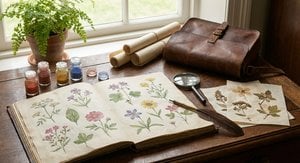
The Flourishing Canvas: A Historical Journey Through Botanical Illustration
Explore the captivating history of botanical illustration! Discover renowned artists like Robert Havell & Mary Walcott, learn about techniques, and find museum-quality art at ArtsDot.com.

Salvador Dalí's Top 25 Meesterwerken: Surrealisme voor uw Interieur | ArtsDot
Ontdek de top 25 meesterwerken van Salvador Dalí! Duik in de wereld van surrealisme, droombeelden & iconische schilderijen. Vind museumkwaliteit kunst reproducties en interieurinspiratie op ArtsDot.com. Exploreer de collectie online!

Top 10 Surrealistische Meesterwerken: Kunst die de Realiteit Uitdaagt | ArtsDot
Ontdek de 10 meest iconische surrealistische schilderijen van Dalí, Magritte & Miró. Duik in de droomwereld en onbewuste kunst met ArtsDot's collectie hoogwaardige reproducties. Vind jouw perfecte wandkunst! Explore the full collection online.