


 Voorvertoning
 Verstuur
 Delen
Delen
 Details bekijken

 Download
 Vergelijkbare items
 Röntgenonderzoek
 Diavoorstelling
 Stats
StatsHunting Picnic
 Oil On Canvas
- WallArt
- Baroque Rococo
 1723
1723 233.0 x 185.0 cm
 Museu de Arte de São Paulo
 Lees meer
Giclée / Kunstafdrukken
Giclée- of canvasafdruk van museumkwaliteit met een snelle productie en flexibele afwerkingsmogelijkheden. ( Bestel handgeschilderde reproductie Switch to Digital Image)




P118B $10

P118H $10

P118W $10

P438Z $10

P508JH $12

P508YH $12

P805H $10

P805Z $10

P919BZ $10

P919G $10

P919XJ $10

P959ZH $10

P968JZ $12

W106C $8

W218G $10

W218JH $8

W218Y $10

W307PJ $10

W316G $10

W316PJ $8

W316Y $10

W398PJ $8

W4111J $10

W500HY $15

W500JH $15

W692G $12

W849H $8

W940BG $15

W953PJ $8




Kies uit onze vooraf ingestelde maten die overeenkomen met de originele verhoudingen van het kunstwerk.

U kunt uw eigen afmetingen opgeven om in een specifieke lijst of ruimte te passen. Als de door u gekozen maat niet overeenkomt met de proporties van het originele kunstwerk, zullen wij de afbeelding bijsnijden of uitbreiden met een gespiegelde of effen rand. Een digitaal mockup wordt ter goedkeuring naar u verzonden voordat de productie begint.
Houd er rekening mee dat de preview op het scherm de werkelijke bijsneding of uitbreiding niet weergeeft. Alleen de mockup toont de uiteindelijke compositie nauwkeurig.
Hoewel aangepaste maten beschikbaar zijn, raden wij aan een afmeting uit de vooraf bepaalde lijst te kiezen om de originele proporties te behouden.
Wereldwijde levering () binnen 2 weken in plaats van de standaard 4/5 weken. (8 september)

Gratis wereldwijde expressverzending

Hoogwaardig linnen canvas

Volledige verzendverzekering

Garantie op terugbetaling van invoerrechten

Garantie op exacte kleurweergave

Retourbeleid van 100 dagen (alleen bij defecten)

100% Geld-terug-garantie

Korting bij meerdere afnames
 De optie voor glas is alleen beschikbaar bij een formaat kleiner dan 110 cm.

Hunting Picnic
Giclée / Kunstafdrukken
Afmetingen reproductie
-


Eindtotaal
$ 63
A Moment of Leisure: "Hunting Picnic" by François Lemoyne
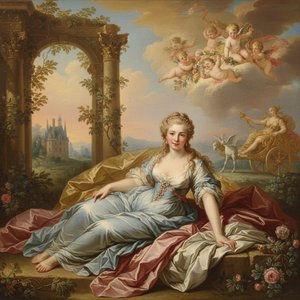
François Lemoyne’s “Hunting Picnic,” painted in 1723, offers a captivating glimpse into the aristocratic leisure activities of 18th-century France – a world where the pursuit of game intertwined seamlessly with refined social gatherings. Measuring an impressive 233 x 185 cm, this oil on canvas work immediately draws the viewer into a scene brimming with vibrant energy and carefully orchestrated detail. The composition centers around a horse-drawn carriage, a symbol of status and mobility, alongside a gentleman in striking red attire – a bold statement against the verdant landscape. This isn’t merely a depiction of hunting; it's an embodiment of Rococo ideals: a celebration of beauty, pleasure, and the cultivated life.
- Subject Matter: The painting portrays a hunting picnic, showcasing a group of individuals enjoying the fruits of their pursuit amidst a picturesque rural setting.
- Key Figures: A prominent gentleman in red dominates the foreground, likely representing the host or a key participant in the hunt, while other figures are scattered throughout the scene, adding to the sense of social interaction and activity.
- Animal Presence: Two horses are prominently featured – one near the center, suggesting the immediate aftermath of the hunt, and another on the right, possibly accompanying the hunters or serving as a companion. A dog is also present, reinforcing the theme of companionship and skill.
Rococo Grandeur and Lemoyne’s Vision
François Lemoyne was a pivotal figure in the revival of large-scale allegorical painting during the Rococo period. Influenced by the legacy of Charles Le Brun, he sought to recapture the grandeur and intellectual depth of classical art while embracing the distinctive characteristics of the Rococo style – characterized by its emphasis on elegance, frivolity, and emotional expression. “Hunting Picnic” exemplifies this ambition; it’s not simply a charming pastoral scene but a carefully constructed tableau designed to evoke feelings of pleasure, sophistication, and aristocratic privilege. Lemoyne's meticulous attention to detail, evident in the rendering of fabrics, textures, and facial expressions, demonstrates his mastery of technique and his commitment to creating works that were both visually stunning and intellectually stimulating.
Historical Context: The painting reflects the tastes of the French aristocracy during the reign of Louis XV, a period marked by lavish spending, elaborate social rituals, and a passion for outdoor pursuits. Hunting was not just a sport but a symbol of status and power, and picnics offered an opportunity to display wealth and cultivate relationships.Technique and Artistic Style
Lemoyne’s brushwork is remarkably fluid and expressive, contributing significantly to the painting's lively atmosphere. He employs a technique known as *alla prima*, meaning “at first sight,” which involves applying paint directly to the canvas in relatively thin layers, allowing for quick changes of tone and texture. This approach results in a sense of immediacy and spontaneity that captures the dynamism of the scene. The use of color is particularly noteworthy – rich greens, blues, and reds create a vibrant palette that enhances the painting’s visual impact. The artist's skillful handling of light and shadow further adds to the depth and realism of the composition.
Symbolism and Emotional Impact
"Hunting Picnic" transcends a simple depiction of leisure; it is laden with symbolic meaning. The red clothing worn by the central figure, for example, could represent passion, courage, or even royalty. The horses symbolize strength and nobility, while the overall scene evokes a sense of harmony between humanity and nature. The painting’s emotional impact lies in its ability to transport the viewer to another time and place – a world of refined pleasure, social connection, and the beauty of the French countryside. This artwork is a testament to Lemoyne's artistic skill and his understanding of the cultural values of his era.
Vergelijkbare kunstwerken


Biografie van de kunstenaar
Een Parijse Erfenis in Rococo Pracht
François Lemoyne, een naam die wellicht minder direct herkenbaar is dan die van zijn tijdgenoten Boucher of Watteau, neemt niettemin een belangrijke positie in binnen de tapijtachtige weefsel van de Franse kunst uit de 18e eeuw. Geboren te Parijs in 1688 wijdde Lemoyne zijn leven aan het herleven van de grootsheid van allegorische schilderijen op grote schaal—een traditie die enigszins was verwaterd sinds het tijdperk van Charles Le Brun, die Lemoyne diep bewonderde en naar wiens voorbeeld hij streefde. Zijn ambitie was niet louter om te decoreren, maar om werken te creëren doordrenkt met intellectueel gewicht en emotionele resonantie, wat de complexe geest van het Rococo-tijdperk weerspiegelt terwijl hij tegelijkertijd teruggreep naar een meer klassiek ideaal. Van zijn vroege opleiding onder zijn stiefvader, Robert le Vrac, en later binnen de rigoureuze omgeving van de Académie Royale de peinture et de sculpture, toonde Lemoyne een toewijding aan het beheersen van zowel technische vaardigheid als artistieke expressie. Zijn formele opleiding bij Louis Galloche en Pierre-Jacques Cazes bleek vormend, met name in het ontwikkelen van zijn genuanceerd begrip van kleur—een kenmerk dat steeds prominenter zou worden gedurende zijn carrière. Het felbegeerde Prix de Rome in 1711 markeerde een cruciaal moment, hoewel financiële beperkingen aanvankelijk zijn reis naar Italië vertraagden; een reis die hij uiteindelijk ondernam in 1723, vergezeld van François Berger.Italiaanse Echo's en Rococo Vloeiingen
Het verblijf in Italië bleek transformerend voor Lemoyne. Door zich te verdiepen in de werken van Renaissance-meesters zoals Raphael, Correggio en Titian, absorbeerde hij hun technieken en esthetische principes, waardoor zijn artistieke vocabulaire werd verrijkt. Het was echter de dynamische energie van Peter Paul Rubens die de diepste indruk op zijn stijl achterliet—zichtbaar in zijn levendige kleurenpaletten en dramatische composities. Blootstelling aan Venetiaanse schilderkunst binnen Pierre Crozat’s gerenommeerde collectie verfijnde verder zijn gevoeligheden, waardoor een liefde voor rijke texturen en atmosferische effecten ontstond. Deze invloeden resulteerden in een kenmerkende Rococo-esthetiek die werd gekenmerkt door elegantie, versiering en een focus op decoratieve schoonheid. Toch verliet Lemoyne nooit de ambitie van het grote narratief dat eerdere Franse academische schilderkunst definieerde; hij zocht om deze ogenschijnlijk verschillende elementen te synthetiseren—de lichtheid en gratie van het Rococo met de intellectuele strengheid van de klassieke traditie. Deze unieke mix is wat zijn werk onderscheidt en bijdraagt aan zijn blijvende aantrekkingskracht.Versailles en Koninklijke Erkenning
Lemoyne’s artistieke bekwaamheid vond zijn meest spectaculaire uitdrukking in zijn monumentale plafondfrescoes, met name L'Apothéose d'Hercule (De Apotheose van Hercules) in de Salon d’Hercule binnen het Paleis van Versailles. Dit meesterwerk—een verbluffende demonstratie van illusionistische techniek en dynamische compositie—verdiende onmiddellijk brede lof. Tijdgenoten als Voltaire en Kardinaal Fleury prezen zijn briljantie, waarbij ze Lemoyne erkenden als een meester van zijn vak. Naast Versailles ondernam hij ook aanzienlijke religieuze opdrachten, zoals De Transfiguratie in het koor van de Jacobijnse Kerk (thans Parochiekerk van St. Thomas d’Aquin) te Parijs, wat zijn veelzijdigheid en vermogen om zijn stijl aan te passen aan verschillende onderwerpen aantoont. In 1736 bereikte Lemoyne de hoogtepunt van zijn carrière met zijn benoeming tot Premier peintre du roi (Eerste Schilder van de Koning) onder Lodewijk XV—een getuigenis van zijn artistieke prestaties en positie binnen het Franse hof.Een Tragisch Einde en Blijvende Invloed
Ondanks dat hij dergelijke hoogten bereikte, werd Lemoyne’s leven tragisch vroegtijdig beëindigd door zelfmoord in 1737. Zijn voortijdige dood betekende niet alleen een persoonlijk verlies, maar ook een verschuiving in de artistieke smaak; het viel samen met een afname van de populariteit voor de grootschalige allegorische plafondschilderingen die hij zo gepassioneerd had verdedigd. Niettemin duurde zijn nalatenschap voort door middel van zijn studenten, waaronder prominente kunstenaars zoals Charles-Joseph Natoire en François Boucher, aan wie hij zijn kennis en vaardigheden overdroeg. Hoewel misschien niet zo universeel gevierd als sommige van zijn tijdgenoten, worden Lemoyne’s bijdragen aan de Franse Rococo-kunst steeds meer gewaardeerd om hun technische beheersing, artistieke ambitie en de unieke synthese van klassieke idealen met de heersende esthetische gevoeligheden van zijn tijd. Zijn werken getuigen van een toegewijde kunstenaar die ernaar streefde het schilderen naar zijn hoogste vorm te verheffen—een nalatenschap die het publiek eeuwen later blijft inspireren en boeien.Belangrijke Werken & Artistieke Bijdragen
- Plafondfrescoes: Lemoyne’s meest gevierde prestaties, belichaamd door L'Apothéose d'Hercule, demonstreren zijn beheersing van illusionistische technieken en dynamische compositie.
- Mythologische Scènes: Werken zoals Hercules en Omphale tonen zijn vermogen om klassieke verhalen te schilderen met zowel dramatische intensiteit als sensuele gratie.
- Religieuze Schilderijen: De Transfiguratie illustreert zijn vaardigheid in het weergeven van religieuze onderwerpen met emotionele diepte en technische precisie.
- Portretten: Zijn portret van de Hoofd van Koning Lodewijk XV, onthult een subtiel begrip van karakter en een beheersing van pastel- en houtskooltechnieken.

François Le Moine
1688 - 1737 , Frankrijk
Belangrijkste feiten
- Artistic Movement Or Style: Rococo
- Artists Or Movements Influenced By This Artist:
- Natoire
- Boucher
- Artists Who Influenced This Artist:
- Rubens
- Raphael
- Correggio
- Titian
- Cazes
- Date Of Birth: 1688
- Date Of Death: 1737
- Full Name: François Lemoyne
- Nationality: Frans
- Notable Artworks:
- L'Apothéose d'Hercule
- Hercules en Omphale
- Perseus en Andromeda
- Koning Lodewijk XV
- De Transfiguratie
- Place Of Birth: Parijs, Frankrijk
Gerelateerde artikelen
François Boucher: Rococo Master of Myth, Sensuality, and the French Court
Explore the captivating world of François Boucher, master of Rococo painting! Discover his iconic works, aristocratic patronage, and lasting influence on French art history. Learn more at ArtsDot.

Top 10 Rococo Meesterwerken: Kunstgeschiedenis voor uw Interieur | ArtsDot.com
Ontdek de 10 meest iconische Rococo meesterwerken! Duik in de wereld van Fragonard, Boucher & Watteau. Leer over lieflijkheid, pastelkleuren en aristocratie. Museumkwaliteit kunst reproducties op ArtsDot.com.

The Rococo Aesthetic: Opulence, Rebellion & the Pursuit of Pleasure in 18th-Century Art
Explore the opulent world of Rococo art! Discover its origins, key artists like Watteau & Boucher, and lasting influence on design. Expert insights for collectors & enthusiasts.

The Enduring Legacy of Fine Art Prints: Technique, History & Aesthetic Impact
Explore the rich history & techniques of fine art prints. Discover investment potential, assess authenticity, and learn how to preserve your collection with expert guidance. Trusted insights for discerning collectors.

Giclée Prints: Archival Quality & Aesthetic Nuances for the Discerning Collector
Explore the world of giclée prints with ArtsDot. Learn about archival quality, aesthetic nuances & investment potential. Expert guidance for discerning art collectors seeking museum-quality reproductions and lasting value.