Voorvertoning
 Verstuur
 Delen
Delen
 Details bekijken
 Gids
Gids

 Download
 Vergelijkbare items
 Röntgenonderzoek
 Diavoorstelling
 Vraag & antwoord
 Statistieken
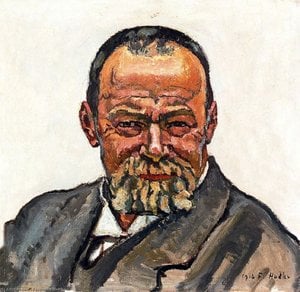
Composition study

- 26.0 x 22.0 cm


 Lees meer
Giclée / Kunstafdrukken
Giclée- of canvasafdruk van museumkwaliteit met een snelle productie en flexibele afwerkingsmogelijkheden. ( Bestel handgeschilderde reproductie Schakel over naar digitale afbeeldingen)




P118B €10

P118H €10

P118W €10

P438Z €10

P508JH €12

P508YH €12

P805H €10

P805Z €10

P919BZ €10

P919G €10

P919XJ €10

P959ZH €10

P968JZ €12

W106C €8

W218G €10

W218JH €8

W218Y €10

W307PJ €10

W316G €10

W316PJ €8

W316Y €10

W398PJ €8

W4111J €10

W500HY €15

W500JH €15

W692G €12

W849H €8

W940BG €15

W953PJ €8




Kies uit onze vooraf ingestelde maten die overeenkomen met de originele verhoudingen van het kunstwerk.

Voer de gewenste breedte en hoogte in, passend bij uw lijst of muur. Een afdruk kan alleen worden ingekort en nooit groter worden gemaakt dan het origineel; een formaat met andere verhoudingen zal daarom een deel van de afbeelding verliezen. Wij sturen u een digitaal mockup ter goedkeuring voordat we tot drukwerk overgaan. De afbeelding op deze pagina toont niet de werkelijke uitsnede — dit is alleen te zien op het mockup.
Wereldwijde levering () binnen 2 weken in plaats van de standaard 4/5 weken. (20 november)

Gratis wereldwijde expressverzending

Hoogwaardig linnen canvas

Volledige verzendverzekering

Garantie op terugbetaling van invoerrechten

Garantie op exacte kleurweergave

Retourbeleid van 100 dagen (alleen bij defecten)

100% Geld-terug-garantie

Korting bij meerdere afnames
 De optie voor glas is alleen beschikbaar bij een formaat kleiner dan 110 cm.

Composition study
Giclée / Kunstafdrukken
Afmetingen reproductie
-


Eindtotaal
€ 56
Composition Study – A Window into Hodler’s Soul
Ferdinand Hodler's "Composition Study," created in 1887, isn’t merely a sketch of three figures engaged in strenuous activity; it’s a profound meditation on the human condition, rendered with an arresting blend of anatomical precision and evocative symbolism. This work, now housed within the Tretyakov Gallery in Moscow, offers a rare glimpse into the artist's deeply personal vision – a world shaped by loss, contemplation, and a fascination with the ephemeral beauty of existence. The piece immediately draws the eye with its stark contrasts: the dark, almost brooding grey-brown tones of the pencil lines against the aged, neutral surface of the paper create an immediate sense of weight and seriousness. Hodler’s technique is deceptively simple yet remarkably powerful; he eschews elaborate shading or detailed rendering in favor of a confident, linear approach that emphasizes form and movement with remarkable economy.
The Anatomy of Effort – A Study in Human Form
At first glance, the composition depicts three men locked in what appears to be a grueling weightlifting exercise. However, Hodler doesn’t offer a realistic portrayal of physical exertion. Instead, he strips away extraneous detail, focusing instead on the essential lines and angles that define the figures' postures. The musculature is suggested with sharp, decisive strokes, conveying strength and strain without resorting to photographic accuracy. Notice how the diagonal lines of their bodies create a dynamic tension, mirroring the implied struggle within each individual. The arrangement isn’t haphazard; it’s carefully constructed to draw the viewer’s eye across the page, creating a sense of movement and narrative – a silent drama unfolding before our eyes.
Symbolism and the Weight of Mortality
Beyond its anatomical interest, “Composition Study” is rich in symbolic meaning. The figures themselves are often interpreted as representations of mortality and the inevitability of fate. Hodler’s early life was marked by profound loss – the deaths of his father and two brothers at a young age instilled within him a deep awareness of human vulnerability. This personal experience undoubtedly informs the work's somber mood and its exploration of themes related to death, remembrance, and the passage of time. The grid lines overlaid on the drawing—a technique frequently employed by Hodler—further emphasize this sense of structure and order imposed upon chaos, perhaps reflecting a desire to impose meaning onto an inherently unpredictable existence.
A Bridge Between Eras – Hodler’s Legacy
“Composition Study” stands as a pivotal work in the career of Ferdinand Hodler, bridging the gap between academic realism and the burgeoning Symbolist movement. Influenced by Renaissance anatomical studies—particularly those focused on depicting the human form with scientific accuracy—Hodler nevertheless departs from traditional representation, prioritizing emotional resonance over literal depiction. The piece’s stark simplicity and evocative power have resonated with viewers for over a century, cementing Hodler's place as one of Switzerland’s most important artists. Reproductions of this compelling work offer an accessible way to experience the depth and complexity of Hodler’s artistic vision, bringing his poignant reflections on life, death, and the human spirit into any space.
- Artist: Ferdinand Hodler
- Year: 1887
- Medium: Graphite pencil on paper
- Size: 26 x 22 cm
- Location: Tretyakov Gallery, Moscow
Consider commissioning a hand-painted reproduction to bring the intensity and emotional depth of “Composition Study” into your home or office. Each reproduction is meticulously crafted by skilled artisans, ensuring an authentic representation of Hodler’s original masterpiece.
Veelgestelde vragen
Is er een factsheet over "Composition study" door Ferdinand Hodler voor studenten?
De Informatieblad-pagina van "Composition study" door Ferdinand Hodler biedt een printbaar factsheet van twee pagina's: het kunstwerk met de bijbehorende identificatietabel, een tijdlijn die het werk plaatst binnen de levensloop van de kunstenaar, andere werken van de kunstenaar, het gemeten kleurenpalet en kant-en-klare citaten in vier verschillende stijlen.
Wat is het formaat van "Composition study"?
"Composition study" door Ferdinand Hodler is een Portrait compositie. Het is raadzaam de verhoudingen te controleren voordat u een afmeting voor de print kiest.
Wat is de aanbevolen afmeting voor de print van "Composition study" door Ferdinand Hodler?
Voor "Composition study" wordt een afdrukformaat van Medium aanbevolen. Andere formaten zijn beschikbaar met dezelfde verhoudingen.
Vergelijkbare kunstwerken


Biografie kunstenaar
De Architectuur van de Sterfelijkheid
Geboren in Bern, Zwitserland, in 1853, werden de vroege jaren van Ferdinand Hodler gekenmerkt door een stille, aanhoudende rouw. Nog voordat hij de adolescentie bereikte, liet de tuberculose die zijn vader en twee jongere broers uit het leven sloeg een leegte achter in zijn gezin. Deze vroege confrontatie met verlies werd een terugkerend motief in zijn werk, een schaduw die hem zou volgen van de bescheiden beginnende jaren van zijn leerlingtijd tot de hoogten van zijn professionele carrière. Hij begon zijn opleiding als decoratieschilder, waarbij hij zijn stiefvader hielp met commercieel signwerk; een praktische opleiding die hem een nauwkeurige beheersing van lijn en vorm bijbracht. Deze basis in vakmanschap bood de technische strengheid die later de steun zou vormen voor zijn complexere filosofische zoektochten.
Zijn verhuizing naar Genève in 1871 markeerde een breuk met de commerciële eisen van zijn jeugd. In de stad zocht hij een diepere betrokkenheid bij de kunst, door wetenschappelijke lezingen bij te wonen en de werken van meesters in het lokale museum te kopiëren. Het was hier dat hij begon weg te bewegen van het minutieuze realisme van zijn vroege landschappen en portretten. Hij was niet langer tevreden met het louter reproduceren van het decor van de Zwitserse Alpen of de gelijkenis van een model; hij streefde ernaar de onderliggende ritmes van het bestaan te vangen. Deze overgang van het objectieve naar het subjectieve zou hem uiteindelijk leiden tot de ontwikkeling van een geheel eigen visuele taal.
De Logica van het Parallelisme
Hodlers meest significante bijdrage aan de evolutie van de moderne schilderkunst was zijn theorie van het parallelisme. Dit was niet louter een compositietechniek, maar een manier om de wereld te zien als een reeks onderling verbonden, ritmische patronen. Hij observeerde hoe vormen in de natuur—de helling van een berg, de curve van een menselijk ledemaat, of de reflectie in het water—vaak in een gestructureerde, geometrische harmonie op elkaar spiegelden. Door figuren en landschapselementen in deze repetitieve, ritmische cadans te arrangeren, probeerde hij de structurele orde af te beelden waarvan hij geloofde dat deze de natuurlijke wereld regeerde. Deze benadering stelde hem in staat de kloof te overbruggen tussen de fysieke realiteit van een scène en de emotionele staat van de toeschouwer.
Zijn werk bevond zich vaak in het spanningsveld tussen het Symbolisme en een meer gestructureerd, modern gevoel. In werken zoals De Nacht, voltooid in 1890, verkende hij thema's als rust en sterfelijkheid door middel van liggende figuren, een onderwerp dat de heersende smaak van die tijd uitdaagde. Zijn vermogen om klassieke vorm te versmelten met een moderne, bijna structurele intensiteit is duidelijk zichtbaar in Waarheid II (1897). Hij vertrouwde niet op het chaotische penseelwerk van zijn tijdgenoten; in plaats daarvan gebruikte hij een weloverwogen, vaak gedempt palet van oker, bruin en groen om een gevoel van permanentie en gewicht te creëren. Zijn doeken waren geen loutere vensters naar een scène, maar georganiseerde omgevingen waarin de menselijke geest en het landschap door een gedeelde geometrie aan elkaar waren gebonden.
Een Leven in Landschappen
Het Zwitserse landschap bleef een constante aanwezigheid in zijn oeuvre, in het bijzonder de grootsheid van de Alpen. Hij beschouwde deze bergen niet slechts als topografische kenmerken, maar als spirituele entiteiten. Zijn afbeeldingen van de Eiger, Mönch en Jungfrau, of de uitzichten vanaf de Dents du Midi, weerspiegelen een verlangen om de schaal van de bergen te vertalen naar een taal van emotionele resonantie. Hij maakte vaak gebruik van een gelaagd proces, waarbij hij dunne wassingen van kleur aanbracht over dikkere impasto om een specifieke luminositeit te bereiken, vooral in zijn latere studies van het licht over het Meer van Genève. Deze werken getuigen van een meesterschap in atmosfeer, waarbij de nevelige, etherische kwaliteit van het Alpenlicht werd gevangen zonder de structurele integriteit van het terrein op te offeren.
Tegen de tijd van zijn dood in Genève in 1918 had Hodler zich gevestigd als een centrale figuur in de Zwitserse kunstgeschiedenis. Zijn invloed is zichtbaar in de ontwikkeling van het Expressionisme, aangezien zijn nadruk op subjectieve emotie en ritmische vorm een fundament bood voor hen die de traditionele representatie wilden overstijgen. Hij bleef een schilder van diepgaande psychologische gelaagdheid, die de instrumenten van zijn ambacht gebruikte om de fundamentele vragen van leven en dood onder ogen te komen. Zijn nalatenschap ligt in de manier waarop hij de kijker dwong om voorbij de oppervlakte van de wereld te kijken, om de stille, herhalende patronen te vinden die het geheel bij elkaar houden.

Ferdinand Hodler
1853 - 1918 , Zwitserland
Belangrijkste feiten
- Artistic Movement Or Style: Symbolisme, Parallelisme, Realisme
- Artists Or Movements Influenced By This Artist: ['Expressionisme']
- Artists Who Influenced This Artist:
- Alexandre Calame
- Dürer
- Gustave Courbet
- Hans Holbein
- Titian
- Poussin
- Velázquez
- Barthélemy Menn
- Date Of Birth: 1853
- Date Of Death: 1918
- Full Name: Ferdinand Hodler
- Nationality: Zwitsers
- Notable Artworks:
- De Nacht
- De Dag
- Waarheid II
- Poëzie
- Place Of Birth: Bern, Zwitserland
Gerelateerde artikelen

Friedrich von Amerling: Capturing Viennese Aristocracy & the Biedermeier Spirit
Explore the elegant portraits of Friedrich von Amerling, a master of Viennese Biedermeier art. Discover his life, style, and lasting influence on 19th-century Austrian painting. Find high-quality reproductions at ArtsDot.

The Geometry of Presence: Mastering Composition and Stance in Classical Portraiture
Master the secrets of classical portraiture through geometry and light. Explore the techniques of the Old Masters today.

Ferdinand Hodler: Symbolism, Parallelism & the Quest for Universal Harmony
Explore the captivating world of Ferdinand Hodler, Swiss Symbolist painter renowned for his evocative landscapes & pioneering 'parallelism'. Discover his life, key works, and lasting influence on art history. Own a hand-painted reproduction today!

Vanitas & Beyond: Exploring Mortality's Artistic Legacy for the Elite Collector
Explore the rich history & symbolism of Vanitas paintings with ArtsDot. Discover masterpieces reflecting mortality, societal values, & collecting insights for discerning art enthusiasts.

Mastering Parallelism: The 25 Most Iconic Artworks by Ferdinand Hodler
Immerse yourself in the rhythmic beauty of Ferdinand Hodler. Explore 25 iconic masterpieces of Swiss Symbolism and Parallelism. From evocative landscapes to profound portraits, find inspiration for museum-quality art reproductions. Discover all masterpieces on ArtsDot.com.