

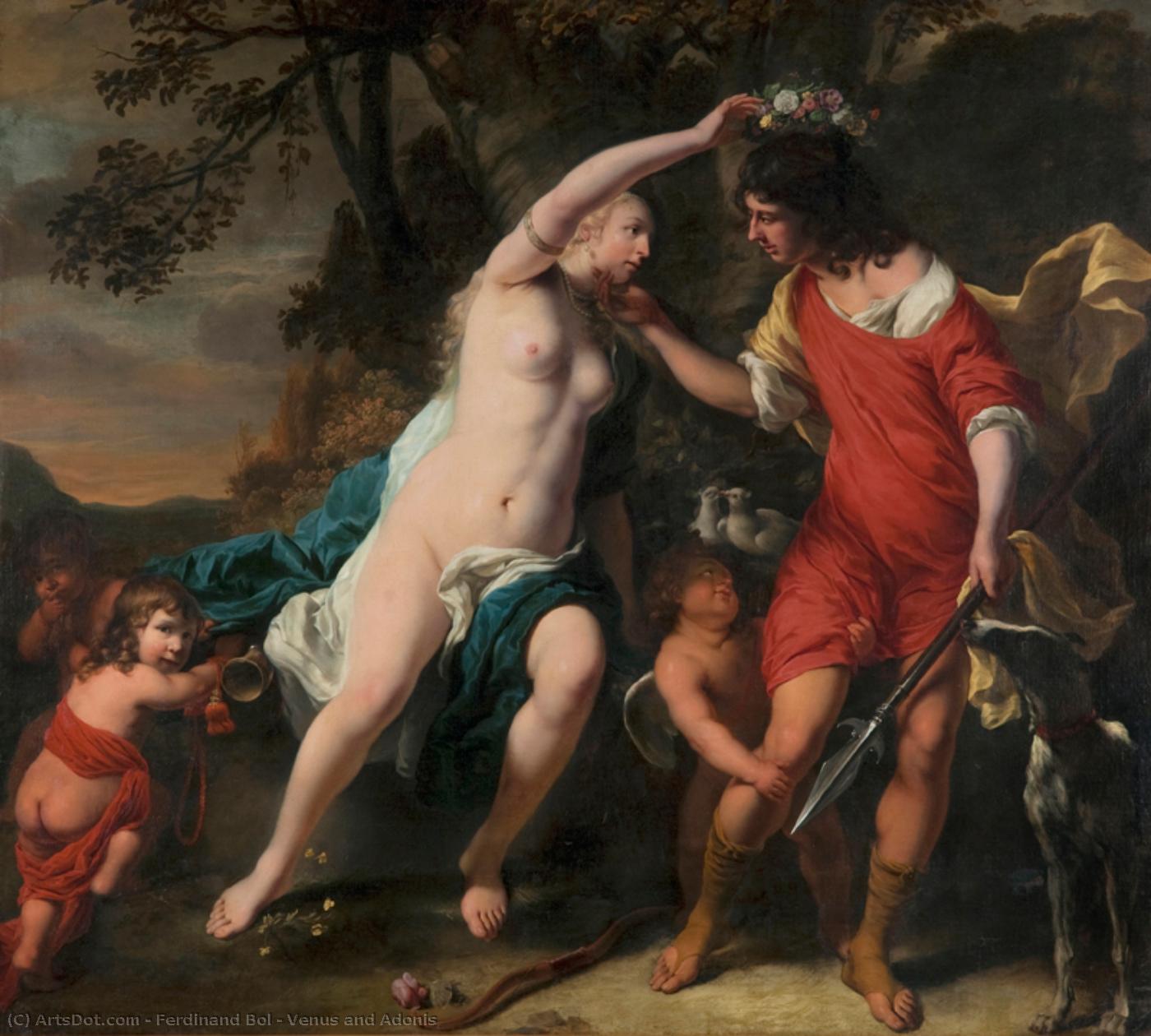
 Bekijk op ware grootte
 Verstuur
 Delen
Delen
 Details bekijken

 Download
 Vergelijkbare werken
 Röntgenonderzoek
 Diavoorstelling
Venus and Adonis


 Lees meer
Giclée / Kunstafdrukken
Giclée- of canvasafdruk van museumkwaliteit met een snelle productie en flexibele afwerkingsmogelijkheden. ( Bestel een handgeschilderde reproductie van dit verzamelobject Naar afbeelding wisselen)




P118B $10

P118H $10

P118W $10

P438Z $10

P508JH $12

P508YH $12

P805H $10

P805Z $10

P919BZ $10

P919G $10

P919XJ $10

P959ZH $10

P968JZ $12

W106C $8

W218G $10

W218JH $8

W218Y $10

W307PJ $10

W316G $10

W316PJ $8

W316Y $10

W398PJ $8

W4111J $10

W500HY $15

W500JH $15

W692G $12

W849H $8

W940BG $15

W953PJ $8




Kies uit onze vooraf ingestelde maten die overeenkomen met de originele verhoudingen van het kunstwerk.

U kunt uw eigen afmetingen opgeven om in een specifieke lijst of ruimte te passen. Als de door u gekozen maat niet overeenkomt met de proporties van het originele kunstwerk, zullen wij de afbeelding bijsnijden of uitbreiden met een gespiegelde of effen rand. Een digitaal mockup wordt ter goedkeuring naar u verzonden voordat de productie begint.
Houd er rekening mee dat de preview op het scherm de werkelijke bijsneding of uitbreiding niet weergeeft. Alleen de mockup toont de uiteindelijke compositie nauwkeurig.
Hoewel aangepaste maten beschikbaar zijn, raden wij aan een afmeting uit de vooraf bepaalde lijst te kiezen om de originele proporties te behouden.
Wereldwijde levering () binnen 2 weken in plaats van de standaard 4/5 weken. (9 augustus)

Gratis wereldwijde expressverzending

Hoogwaardig linnen canvas

Volledige verzendverzekering

Garantie op terugbetaling van invoerrechten

Garantie op exacte kleurweergave

60 dagen retourbeleid (alleen bij defecten)

100% Geld-terug-garantie

Korting bij meerdere afnames
 De optie voor glas is alleen beschikbaar bij een formaat kleiner dan 110 cm.

Venus and Adonis
Giclée / Kunstafdrukken
Formaat reproductie
-


Totaalprijs
$ 63
Gerelateerde kunstwerken


Biografie van de kunstenaar
Ferdinand Bol (1616-1680): A Forgotten Master of the Dutch Golden Age
Ferdinand Bol, a name perhaps less familiar than those of his illustrious contemporaries Rembrandt van Rijn and Johannes Vermeer, nevertheless occupies a significant, if often overlooked, position within the pantheon of 17th-century Dutch Masters. Born in Dordrecht in 1616, Bol’s artistic journey was deeply intertwined with that of Rembrandt, serving as a pupil in the master's Amsterdam studio during a formative period. This apprenticeship profoundly shaped his style, initially leading to works so convincingly reminiscent of Rembrandt that attribution could prove challenging even for seasoned experts. However, to simply categorize Bol as a mere imitator would be a disservice to his own unique artistic voice and considerable talent. His early life laid the groundwork for a career marked by both technical brilliance and an evolving stylistic independence. While details regarding his initial training remain somewhat scarce – possibilities include tutelage under Jacob Cuyp in Dordrecht or Abraham Bloemaert in Utrecht – it was undoubtedly his time with Rembrandt that proved pivotal, immersing him in the dramatic lighting, psychological depth, and masterful brushwork characteristic of the Baroque period.Early Influences and Apprenticeship Under Rembrandt
Bol’s artistic development began with a meticulous study of Rembrandt's techniques—a decision that would define his entire oeuvre. He entered Rembrandt’s studio around 1630, where he honed his skills under the watchful eye of the master, absorbing his innovative approach to chiaroscuro and mastering the expressive power of tonal painting. This association was not merely formal; Rembrandt treated Bol as a son, fostering an environment conducive to experimentation and artistic growth. The influence of Rembrandt is palpable in Bol’s earliest works—particularly *The Sacrifice of Gideon*, completed around 1641—where the dramatic lighting and compositional structure mirror those found in Rembrandt's celebrated paintings. This initial stylistic convergence prompted considerable debate among scholars, who wrestled with questions of attribution and debated whether Bol’s work constituted genuine imitation or a reflection of his own burgeoning artistic vision. The meticulous observation of Rembrandt’s brushwork and palette—characterized by subtle gradations of color and an emphasis on capturing the nuances of human emotion—became hallmarks of Bol's distinctive style.From Rembrandt’s Shadow to Independent Vision
Bol’s stylistic evolution moved beyond mere replication, gradually incorporating elements of his own artistic sensibilities. While retaining Rembrandt’s foundational principles, he achieved a greater degree of clarity and elegance in his compositions, prioritizing visual harmony and refined detail. His palette shifted towards lighter hues—a departure from Rembrandt's darker tonal ranges—reflecting a broader aesthetic trend toward the luminous qualities favored by artists of the period. This stylistic refinement is particularly evident in Bol’s portraits, which gained renown for their psychological insight and aristocratic bearing. He skillfully captured not only physical likenesses but also subtle expressions of character and social status, demonstrating an unparalleled ability to convey inner emotions through visual cues. Bol's exploration of Rembrandt’s style was accompanied by a growing interest in exploring themes beyond the confines of traditional portraiture—subjects such as biblical narratives and historical scenes—further enriching his artistic repertoire.Notable Works and Artistic Achievements
Bol’s prolific output encompassed a diverse range of genres, cementing his reputation as one of Amsterdam's most versatile painters. Among his most celebrated achievements are monumental canvases depicting biblical events—such as *The Sacrifice of Gideon*, which exemplifies the dramatic lighting and psychological depth characteristic of Rembrandt’s style—and portraits of prominent figures from Dutch society. His meticulous attention to detail and masterful execution garnered admiration from critics and collectors alike, establishing him as a leading artist of his time. Bol's contribution to the decorative arts was equally significant; he designed elaborate chimney pieces for the Nieuwe Doelenstraat Town Hall, showcasing his artistic prowess in architectural ornamentation alongside painting. Furthermore, he served as governor of the Leprosy Asylum, demonstrating compassion and civic responsibility—qualities that resonated deeply with audiences of the era. Bol’s legacy extends beyond his individual artworks; he played a crucial role in shaping the artistic landscape of Amsterdam during the Dutch Golden Age, fostering an environment conducive to innovation and excellence.Legacy and Rediscovery
Despite facing relative obscurity after his death in 1680—a consequence partly attributable to the misattribution of many of his paintings to Rembrandt—Ferdinand Bol’s oeuvre has undergone a resurgence of scholarly interest in recent decades. Contemporary art historians have painstakingly reconstructed Bol's artistic trajectory, recognizing the unique qualities of his work and establishing him as a pivotal figure within Dutch Baroque painting. His masterful technique—characterized by meticulous brushwork and subtle tonal variations—continues to inspire admiration among artists and collectors alike. The Museum Van Loon in Amsterdam and the Rembrandt House Museum offer invaluable opportunities for visitors to engage with Bol’s art firsthand, fostering an appreciation for his contribution to the artistic heritage of the Netherlands. Ongoing research into Bol's life and artistic practice promises to further illuminate his role as a transformative force within the cultural milieu of 17th-century Amsterdam—ensuring that this once-forgotten master will endure as a beacon of artistic brilliance for generations to come.
Ferdinand Bol
1616 - 1680 , Nederland
Snelle feiten
- Artistic Movement Or Style: Barok schilderkunst
- Artists Or Movements Influenced By This Artist: ['Cornelis Bisschop']
- Artists Who Influenced This Artist: ['Rembrandt van Rijn']
- Date Of Birth: 24 juni 1616
- Date Of Death: 24 augustus 1680
- Full Name: Ferdinand Bol
- Nationality: Nederlands
- Notable Artworks:
- vredesonderhandelingen tussen Claudius Civilis en Quintus Petillius Cerealis...
- Pyrrhus laat zien...
- Man in gouden helm
- Place Of Birth: Dordrecht, Nederland
Gerelateerde artikelen

Top 10 Meesterwerken uit de 17e Eeuw: Kunstgeschiedenis voor uw Interieur
Ontdek de 10 meest iconische meesterwerken uit de 17e eeuw! Van Rembrandt tot Vermeer, duik in de geschiedenis van barok en de Hollandse Gouden Eeuw. Vind museumkwaliteit reproducties & inspiratie voor uw interieur op ArtsDot.com.
Baroque Realism: Illusion, Emotion & the Dramatic Transformation of 17th-Century Art
Explore the dramatic world of Baroque Realism! Discover iconic artists like Caravaggio & Rubens, their techniques, and the movement's lasting impact on art history. Expert insights for collectors & enthusiasts.

Golden Age Reflections: Dutch Baroque Painting & Cultural Innovation
Explore the Dutch Golden Age of painting! Discover key artists like Vermeer & ter Borch, their innovative techniques, and the rich cultural context behind these Baroque masterpieces. Learn about collecting & appreciating this iconic art period.
The Dramatic Flourish: Exploring Baroque Painting's Emotional Intensity & Artistic Innovations
Explore the dramatic world of Baroque painting! Discover its history, defining characteristics, iconic artists like Caravaggio & Rubens, and lasting influence on Western art. Expert insights for collectors.

Ferdinand Bol (1616-1680): A Dutch Master of Portraiture & Dramatic Light
Explore the captivating world of Ferdinand Bol (1616-1680), a master Dutch portraitist deeply influenced by Rembrandt. Discover his life, style, and enduring legacy with ArtsDot.

