


 Bekijk op ware grootte
 Verstuur
 Delen
Delen
 Details bekijken
 Gids voor studentenkunstwerken

 Download
 Vergelijkbare items
 Röntgenonderzoek
 Diavoorstelling
 Statistieken
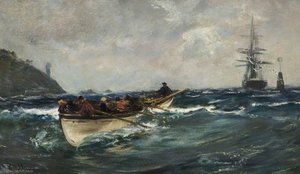
The Harbour

 Lees meer
Handgemaakte olieverfreproductie
Met de hand geschilderd in olieverf op canvas in uw gewenste maat en lijst, op bestelling gemaakt door onze kunstenaars. ( Schakel over naar print Schakel over naar digitale afbeeldingen)




































Kies uit onze vooraf ingestelde maten die overeenkomen met de originele verhoudingen van het kunstwerk.

Voer de breedte en de hoogte in die u nodig heeft, passend bij uw lijst of uw muur. Dit is handgeschilderd, dus bij een afmeting met een andere vormverhouding kan de kunstenaar iets meer rondom het schilderij schilderen of juist iets meer weglaten — u kiest zelf. Wij sturen u een digitaal mockup ter goedkeuring voordat het schilderwerk begint. De afbeelding die op deze pagina wordt getoond, is niet het uiteindelijke resultaat — alleen de mockup geeft dit weer.
Na de bestelling zal het team van ArtsDot.com per e-mail contact opnemen met de klant voor instructies en een mockup-voorbeeld sturen.
Wereldwijde levering () binnen 3 tot 4 weken in plaats van de standaard 5 weken. (24 oktober). Zonder concessies aan de kwaliteit.

Gratis wereldwijde expressverzending

Hoogwaardig linnen canvas

Volledige verzendverzekering

Garantie op terugbetaling van invoerrechten

Garantie op exacte kleurweergave

Retourbeleid van 100 dagen (alleen bij defecten)

100% Geld-terug-garantie

Korting bij meerdere afnames
 De optie voor glas is alleen beschikbaar bij een formaat kleiner dan 110 cm.

The Harbour
Reproductiemethode
Formaat reproductie
-


Totaalprijs
€ 341
Gerelateerde kunstwerken




Biografie van de kunstenaar
De Atmosferische Visie van Edwin Ellis
Geboren in het industriële hart van Nottingham in 1841, kwam Edwin Ellis naar voren als een diepzinnige stem binnen de Britse landschapstraditie, waarbij hij de vluchtige ziel van het negentiende-eeuwse platteland wist te vangen. Zijn artistieke reis begon niet met de penseel, maar met het precieze oog van een kantontwerper, een vormende periode die hem een minutieuze aandacht voor detail en structurele nauwkeurigheid inampte. Deze fundamentele discipline zou later dienen als de ruggengraat voor zijn meer expansieve, atmosferische verkenningen van de natuur. Terwijl hij de overstap maakte van de technische strengheid van het tekenwerk naar de vloeiende mogelijkheden van aquarel en olieverf, ontwikkelde Ellis een stijl die de kloof overbrugde tussen de nauwkeurende observatie van de British Watercolor School en de emotieve, zwierige gebaren van de romantische beweging.
De evolutie van Ellis als kunstenaar was diep verweven met zijn reizen door de Britse Eilanden. Hij bezat het unieke vermogen om de ruwe texturen van de kust en de verstilde rust van binnenwateren op het canvas te vertalen. Zijn werken richtten zich vaak op de dramatische ontmoeting tussen land en zee, in het bijzonder langs de Whitby-kust, de Norfolk Broads en de windgevoelige streken van Wales en Cornwall. In deze scènes ziet men niet louter een landschap; men voelt de zoute nevel van een kolkende Atlantische Oceaan of de zware, vochtige stilte van een zomerse middag aan een rivieroever. Zijn meesterschap lag in zijn vermogen om licht en atmosfeer te manipuleren, waarbij hij subtiele kleurnuances gebruikte om de wisselende stemmingen van het Engelse weer op te roepen.
Invloeden en de Geest van het Realisme
Hoewel de wortels van Ellis stevig verankerd waren in de Engelse traditie, werd zijn artistieke visie aanzienlijk verrijkt door de continentale invloeden van de School van Barbizon. De werken van meesters zoals Jean-François Millet en Théodore Rousseau resoneerden diep met zijn eigen verlangen om de natuur af te beelden zonder het sluier van overmatige idealisering. Net als de schilders van Barbizon zocht Ellis naar een bepaalde onverbloemde eerlijkheid in zijn onderwerpen. Hij vond schoonheid niet in mythologische grandeur, maar in de stille waardigheid van het alledaagse: de ritmische arbeid van vissers die netten binnenhalen, de eenzame figuur van een boer die een veld bewerkt, en de nederige aanwezigheid van windmolens die aftekenen tegen een schemerige hemel.
Deze toewijding aan het realisme stelde hem in staat werken te creëren die zowel diep persoonlijk als universeel herkenbaar waren. Zijn techniek maakte vaak gebruik van een brede, bijna impressionistische penseelstreek in zijn olieverfschilderijen—zoals te zien in evocerende stukken als Seascape—wat prachtig contrasteerde met de delicate, transparante lagen van zijn aquarellen. Deze dualiteit stelde hem in staat om zowel de monumentale kracht van een stormachtige zee als de intieme, serene details van een lokale vijver vast te leggen. Door dit evenwicht bereikte Ellis een gevoel van naturalisme dat authentiek en geleefd aanvoelde, een weerspiegeling van de groeiende fascinatie in het Victoriaanse tijdperk voor de directe observatie van de natuurlijke wereld.
Erfenis en Artistieke Prestatie
Het professionele pad van Edwin Ellis werd gekenmerkt door aanzienlijke erkenning binnen de prestigieuze kunstkringen van zijn tijd. Zijn verkiezing tot lid van de Royal Society of British Artists in 1875 staat als een testament voor zijn technische vaardigheid en zijn positie onder zijn tijdgenoten. Hij exposeerde regelmatig bij de Royal Academy en diverse andere vooraanstaande Londense galeries, waardoor zijn weergaven van het Britse landschap een breed en kritisch publiek bereikten. Zijn vermogen om zowel het delicate medium van aquarel als de robuuste eisen van de olieverfschilderkunst te beheersen, stelde hem in staat een divers en aanzienlijk oeuvre na te laten.
Vandaag de dag ligt de betekenis van het werk van Ellis in zijn blijvende vermogen om de kijker te transporteren naar een verdwenen tijdperk van het Engelse landelijke leven. Zijn schilderijen dienen als historische vensters die het licht, de texturen en de stille ritmes van het negentiende-eeuwse landschap bewaren. De volgende elementen definiëren zijn blijvende bijdrage aan de kunstgeschiedenis:
- Atmosferisch Meesterschap: Een ongeëvenaarde vaardigheid in het weergeven van de nuances van licht, mist en maritiem weer.
- Narratief Realisme: Een toewijding aan het portretteren van de eerlijke, onverbloemde schoonheid van het landelijke en kustleven.
- Technische Veelzijdigheid: De naadloze overgang tussen nauwkeurige aquareldetails en expressieve, impressionistische olieverfschilderkunst.
- Culturele Verbinding: Een brug tussen de traditionele Britse landschapsschool en de emotionele invloeden van het Europese realisme.
Door zijn ongeveer 150 overgeleverde werken blijft Edwin Ellis een vitale figuur voor wie de emotionele diepgang van de Victoriaanse landschapstraditie wil begrijpen, met een nalatenschap die evenzeer gaat over het voelen van de wind en het water als over het zien ervan.

Edwin Ellis
1841 - 1895
Snelle feiten
- Artistic Movement Or Style: Aquarelkunst
- Date Of Birth: 1841
- Full Name: Edwin Ellis
- Nationality: Brits
- Notable Artworks:
- Gorleston
- Landschap met boer
- De naderende storm, Whitby
- Place Of Birth: Nottingham, Verenigd Koninkrijk
Gerelateerde artikelen
Samuel Walters: Capturing Victorian Maritime Life with Precision & Artistry
Explore the exquisite maritime paintings of Samuel Walters (1811-1882). Discover his mastery of detail, historical scenes & influence on Victorian art. Learn about collecting his works and find high-quality reproductions at ArtsDot.

Top 10 Meesterwerken uit de 19e Eeuw: Kunstgeschiedenis voor uw Interieur
Ontdek de 10 meest iconische kunstwerken uit de 19e eeuw! Van romantiek tot impressionisme, leer het verhaal achter meesterwerken van Monet, Van Gogh & Delacroix. Vind museumkwaliteit reproducties en interieurinspiratie op ArtsDot.com.
Bring the Ocean Home: Captivating Maritime Paintings to Transform Your Space with Timeless Elegance
Transform your home with breathtaking maritime oil paintings. From serene seascapes to dramatic nautical scenes, discover hand-painted reproductions that bring the ocean's soul to your space. Expertly crafted for collectors seeking timeless elegance and coastal tranquility.
Evoking the Horizon: A Historical & Artistic Exploration of Coastal Scenes in Painting
Explore the rich history of coastal scenes in painting! Discover Impressionist masterpieces, American realism & contemporary visions. Learn about renowned artists and find your perfect seascape at ArtsDot.

Navigating the Depths of Representation: A Historical Exploration of Marine Painting
Explore the rich history of marine painting with ArtsDot. Discover Dutch Masters, Romantic seascapes & renowned artists like Wyllie and Harris. Expert guidance for collectors & custom reproductions.