


 Bekijk op ware grootte
 Verstuur
 Delen
Delen
 Details bekijken
 Gids voor studentenkunstwerken

 Download
 Vergelijkbare items
 Röntgenonderzoek
 Diavoorstelling
 Statistieken
The Last Judgment

 Lees meer
Handgemaakte olieverfreproductie
Met de hand geschilderd in olieverf op canvas in uw gewenste maat en lijst, op bestelling gemaakt door onze kunstenaars. ( Schakel over naar print Schakel over naar digitale afbeeldingen)




P118B €10

P118H €10

P118W €10

P438Z €10

P508JH €12

P508YH €12

P805H €10

P805Z €10

P919BZ €10

P919G €10

P919XJ €10

P959ZH €10

P968JZ €12

W106C €8

W218G €10

W218JH €8

W218Y €10

W307PJ €10

W316G €10

W316PJ €8

W316Y €10

W398PJ €8

W4111J €10

W500HY €15

W500JH €15

W692G €12

W849H €8

W940BG €15

W953PJ €8




Kies uit onze vooraf ingestelde maten die overeenkomen met de originele verhoudingen van het kunstwerk.

Voer de breedte en de hoogte in die u nodig heeft, passend bij uw lijst of uw muur. Dit is handgeschilderd, dus bij een afmeting met een andere vormverhouding kan de kunstenaar iets meer rondom het schilderij schilderen of juist iets meer weglaten — u kiest zelf. Wij sturen u een digitaal mockup ter goedkeuring voordat het schilderwerk begint. De afbeelding die op deze pagina wordt getoond, is niet het uiteindelijke resultaat — alleen de mockup geeft dit weer.
Na de bestelling zal het team van ArtsDot.com per e-mail contact opnemen met de klant voor instructies en een mockup-voorbeeld sturen.
Wereldwijde levering () binnen 3 tot 4 weken in plaats van de standaard 5 weken. (22 oktober). Zonder concessies aan de kwaliteit.

Gratis wereldwijde expressverzending

Hoogwaardig linnen canvas

Volledige verzendverzekering

Garantie op terugbetaling van invoerrechten

Garantie op exacte kleurweergave

Retourbeleid van 100 dagen (alleen bij defecten)

100% Geld-terug-garantie

Korting bij meerdere afnames
 De optie voor glas is alleen beschikbaar bij een formaat kleiner dan 110 cm.

The Last Judgment
Reproductiemethode
Formaat reproductie
-


Totaalprijs
€ 230
Gerelateerde kunstwerken


Biografie van de kunstenaar
Antonio Allegri da Correggio: A Pioneer of Illusion and Emotion
Antonio Allegri da Correggio, born in the small town of Correggio in Emilia-Romagna around 1489 and tragically dying there in 1534, remains one of the most enigmatic and profoundly influential figures of the Italian Renaissance. Often simply known as “Correggio,” his name evokes a sense of both mystery and breathtaking artistic achievement. While much about his early life remains shrouded in speculation – he wasn’t a self-taught artist, but rather benefited from an uncle's painting skills and likely received foundational training in Mantua under the tutelage of the great Andrea Mantegna – Correggio quickly transcended his origins to become a revolutionary force in the visual arts. His legacy isn’t defined by meticulously rendered portraits or grand historical narratives; instead, it lies in his audacious manipulation of space, light, and color, creating an intensely emotional and immersive experience for the viewer. He was a master of illusionism, pushing the boundaries of what was considered possible within the confines of fresco painting and laying crucial groundwork for the Baroque era to come.Early Influences and Artistic Development
Correggio’s artistic journey began in his hometown, where he honed his skills under his uncle Lorenzo Allegri. However, it's widely believed that a formative period occurred in Mantua around 1506, where he encountered the profound influence of Andrea Mantegna. The meticulous detail, classical references, and dramatic use of perspective evident in Correggio’s early works – such as the *Adoration of the Child with St. Elizabeth and John* (c. 1505-1508) – clearly demonstrate this debt to his mentor. Following Mantua, he spent time in Modena, absorbing the stylistic elements of Lorenzo Costa and Francesco Francia, artists known for their rich colors and dramatic lighting. This diverse exposure created a unique synthesis within Correggio’s artistic vocabulary. He wasn't simply imitating these masters; he was actively integrating their techniques into his own distinctive style, adding an unprecedented dynamism and sensuality. Crucially, around 1514-1515, he began working on the *Virgin of St Francis* for the church of S. Francesco in Correggio – a painting that showcased his burgeoning understanding of optics and perspective, foreshadowing the revolutionary techniques he would later employ.The Frescoes of Parma: A Revolutionary Approach
Correggio’s most significant achievements unfolded during his decade-long residency in Parma (1520-1534). Here, he was commissioned to decorate three monumental fresco cycles within the city's cathedral and other important buildings – the Camera di San Paolo, the dome of San Giovanni Evangelista, and the dome of the Cathedral itself. These works represent a radical departure from traditional Renaissance painting and established Correggio as a true innovator. The *Vision of St John the Evangelist on Patmos* (1520-1524) in the Camera di San Paolo is particularly noteworthy for its innovative use of grisaille – monochromatic figures painted against a light-colored background – to create an illusion of sculpted relief, mimicking the architectural forms of the lunettes. The dome of San Giovanni Evangelista further explored this concept, depicting heroic figures within a dynamic, almost theatrical space. However, it was the fresco on the dome of Parma Cathedral that cemented Correggio’s reputation as a visionary artist. The *Assumption of the Virgin* (1526-1530) is arguably his masterpiece – an audacious feat of illusionism where the dome transforms into a gateway to heaven, with figures seemingly ascending through a vortex of light and color. Correggio employed techniques like foreshortening—extending lines dramatically into space—to create a sense of overwhelming depth and movement, drawing the viewer directly into the scene. This daring manipulation of perspective was unprecedented in Western art and profoundly influenced generations of artists to come.Mythological Visions and Lasting Influence
Beyond his architectural frescoes, Correggio also produced a series of smaller, intensely emotional paintings – altarpieces, devotional panels, and mythological scenes. Works like *Jupiter and Io* (c. 1528) and *Venus and Cupid with a Satyr* (c. 1523-1525) exemplify his masterful use of color, composition, and psychological insight. These paintings are characterized by their sensuality, dynamism, and dramatic lighting—qualities that would become hallmarks of the Baroque style. His influence extended far beyond his own lifetime. Artists like Giovanni Battista Crespi, Paolo Veronese, and even Michelangelo himself were deeply indebted to Correggio’s innovations in perspective, color theory, and emotional expression. Correggio's pioneering use of foreshortening, dynamic composition, and illusionistic space paved the way for the dramatic intensity and theatricality that would define the Baroque era. His legacy is not simply one of technical mastery but also of a profound shift in the way artists approached representation—a move towards creating immersive experiences that engaged the viewer’s emotions and imagination.A Legacy of Illusion and Emotion
Despite his untimely death at the age of 44, Antonio Allegri da Correggio left an indelible mark on the history of art. His innovative techniques and emotionally charged compositions continue to captivate viewers centuries later. The *Assumption of the Virgin* in Parma remains a testament to his genius—a breathtaking spectacle of illusionism that challenges our perception of space and time. Correggio’s work serves as a powerful reminder of the transformative potential of artistic vision, demonstrating how a single artist can reshape the course of art history through daring experimentation and profound emotional expression.
Dirck Barendsz
1534 - 1592
Snelle feiten
- Full Name: Antonio Allegri da Correggio
- Nationality: Italian
- Date Of Birth: 1534
- Date Of Death: 1592
- Place Of Birth: Correggio, Italy
- Notable Artworks:
- Assumption of the Virgin
- Jupiter and Io
- School of Love
- Artistic Movement Or Style: High Renaissance, Mannerism
- Artists Who Influenced This Artist:
- Mantegna
- Leonardo da Vinci
- Costa
- Francia
- Artists Or Movements Influenced By This Artist:
- Baroque
- Rococo
Gerelateerde artikelen
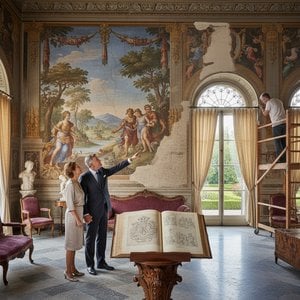
De Fresco als Familielegatie: Schilder Je Erfgoed op de Muren
Ontdek de fascinerende wereld van fresco schilderkunst! Leer over technieken, geschiedenis en restauratie. Expertise & hoogwaardige reproducties bij .

The Enduring Legacy of Fresco: Technique, History & Artistic Expression Across Cultures
Explore the rich history & enduring legacy of fresco painting! Discover ancient techniques, Giotto's masterpieces, and modern applications. Expert insights for art lovers & professionals.

The Enduring Legacy of Fresco Painting: Techniques, History & Contemporary Relevance
Explore the rich history & enduring artistry of fresco painting – from Giotto to Michelangelo! Discover techniques, conservation efforts, & modern applications. Learn how ArtsDot brings this timeless art form to your home.

Kunst die met je meeleeft: De emotionele kracht van een op maat gemaakte interieurfresco
Ontdek de emotionele kracht van een op maat gemaakt interieurfresco. Atelier Métamorphoze creëert unieke, duurzame kunstwerken voor uw woning of bedrijf. Laat u inspireren!
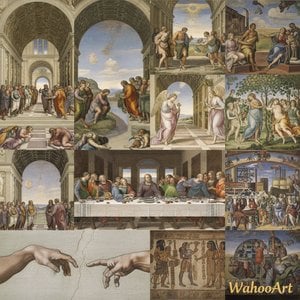
Top 10 Fresco's die de Kunst voorgoed veranderden | ArtsDot
Ontdek de 10 meest legendarische fresco's die kunstgeschiedenis schreven! Van Michelangelo tot Raffael – verlies je in de pracht van renaissance muurschilderingen. Vind museumkwaliteit reproducties & woondecoratie inspiratie op ArtsDot.com.