

 Bekijk op ware grootte
 Verstuur
 Delen
Delen
 Details bekijken
 Gids
Gids

 Download
 Vergelijkbare items
 Röntgenonderzoek
 Diavoorstelling
 Statistieken
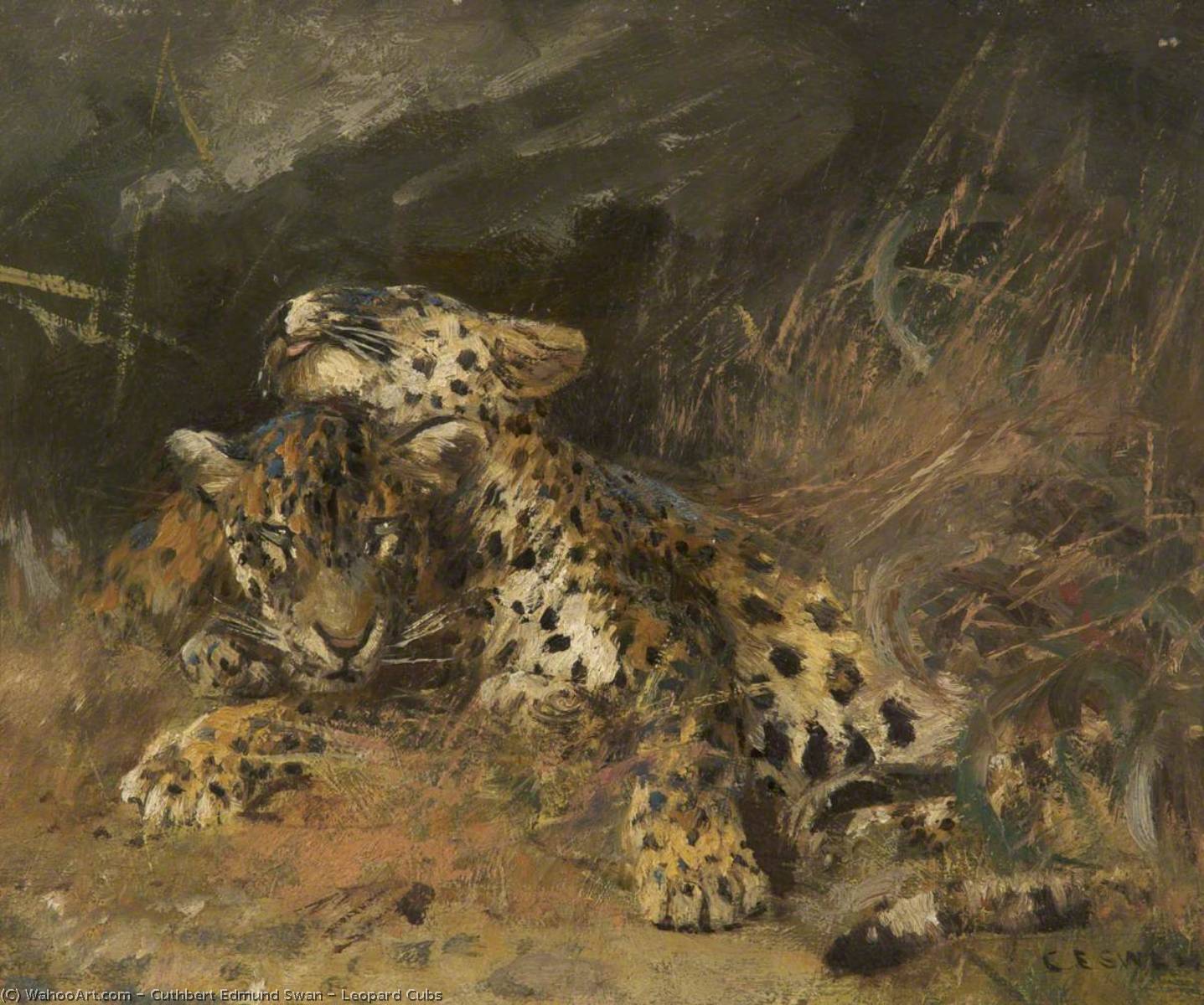
Leopard Cubs
 19.0 x 24.0 cm
 Lees meer
Giclée / Kunstafdrukken
Giclée- of canvasafdruk van museumkwaliteit met een snelle productie en flexibele afwerkingsmogelijkheden. ( Koop handgeschilderd kunstwerk Schakel over naar digitale afbeeldingen)




































Kies uit onze vooraf ingestelde maten die overeenkomen met de originele verhoudingen van het kunstwerk.

U kunt uw eigen afmetingen opgeven om in een specifieke lijst of ruimte te passen. Als de door u gekozen maat niet overeenkomt met de proporties van het originele kunstwerk, zullen wij de afbeelding bijsnijden of uitbreiden met een gespiegelde of effen rand. Een digitaal mockup wordt ter goedkeuring naar u verzonden voordat de productie begint.
Houd er rekening mee dat de preview op het scherm de werkelijke bijsneding of uitbreiding niet weergeeft. Alleen de mockup toont de uiteindelijke compositie nauwkeurig.
Hoewel aangepaste maten beschikbaar zijn, raden wij aan een afmeting uit de vooraf bepaalde lijst te kiezen om de originele proporties te behouden.
Wereldwijde levering () binnen 2 weken in plaats van de standaard 4/5 weken. (23 september)

Gratis wereldwijde expressverzending

Hoogwaardig linnen canvas

Volledige verzendverzekering

Garantie op terugbetaling van invoerrechten

Garantie op exacte kleurweergave

Retourbeleid van 100 dagen (alleen bij defecten)

100% Geld-terug-garantie

Korting bij meerdere afnames
 De optie voor glas is alleen beschikbaar bij een formaat kleiner dan 110 cm.

Leopard Cubs
Giclée / Kunstafdrukken
Formaat reproductie
-


Totaalprijs
$ 63
Gerelateerde kunstwerken


Biografie van de kunstenaar
Cuthbert Edmund Swan (1870 - 1931): A Pioneer of Zoological Art
Cuthbert Edmund Swan was born in Ballyragget, Co Kilkenny, Ireland, on June 26th, 1870. He descended from a family steeped in artistic tradition; his father, John Macallan Swan, R.A., was himself a celebrated painter and sculptor known for his evocative depictions of Scottish landscapes and wildlife—a lineage that profoundly shaped Cuthbert’s own artistic sensibilities. From an early age, Swan demonstrated exceptional talent for drawing and painting animals, fostering a lifelong fascination with the natural world and its representation in art. His formative years were spent honing his skills at Seaford College, Sussex, preparing him for a distinguished academic career. Swan embarked on his artistic journey by studying at the Académie Julien in Paris—a pivotal moment that exposed him to the burgeoning Impressionist movement and cemented his commitment to capturing fleeting moments of beauty and emotion. This immersion in Parisian art culture instilled within him a stylistic approach characterized by luminous color palettes, loose brushstrokes, and an emphasis on atmospheric perspective – techniques he would consistently employ throughout his prolific artistic output. Returning to London after his studies, Swan established himself as a teacher at the Central School of Arts and Crafts, specifically focusing on animal drawing—a vocation that allowed him to transmit his passion for zoological art to aspiring artists and contribute to the burgeoning field of natural history illustration. Swan’s artistic career blossomed during the Victorian era, coinciding with a surge in interest in scientific observation and artistic representation of animals. He joined the Feline School alongside Walter Sickert, Lucien Pissarro, and Robert Bevan—artists who shared his dedication to capturing the essence of animal behavior and appearance with remarkable accuracy. This collaborative environment nurtured Swan’s artistic vision and propelled him toward producing masterpieces that continue to resonate with audiences today. His distinctive style – marked by meticulous detail combined with expressive brushwork – distinguished him from many of his contemporaries, establishing him as a singular voice within the Victorian art landscape. Swan's prolific output spanned over six decades, resulting in approximately 66 exhibitions at the Royal Academy and numerous other venues across England and France. Among his most celebrated works are “Duke - a study of a lion,” “Jaguars at Play,” and “Puma and cubs”—paintings that exemplify his mastery of animal portraiture and his ability to convey both scientific observation and artistic emotion simultaneously. These pieces reside in prominent collections, including Birmingham Museum and Art Gallery and Llandudno Museum—testaments to Swan’s enduring legacy as a pioneering figure in zoological art. Swan's influence extended beyond the realm of painting; he served as a teacher at the Central School of Arts and Crafts for many years, nurturing generations of artists who would carry forward his artistic vision. His brother Edwin Swan was also a portrait painter—a familial connection that further solidified their shared commitment to artistic excellence. Cuthbert Edmund Swan died peacefully in Hampstead, London, on November 2nd, 1931, leaving behind an impressive body of work that continues to inspire admiration and scholarly study. His legacy as one of Britain’s foremost animal painters remains secure within the annals of art history.- Notable Exhibitions: Royal Academy (66 times), Paris Salon
- Museum Collections: Birmingham Museum and Art Gallery, Llandudno Museum
- Influential Collaborators: Walter Sickert, Lucien Pissarro, Robert Bevan

cuthbert edmund swan
1870 - 1931
Snelle feiten
- Artistic Movement Or Style: Animal Painting
- Artists Or Movements Influenced By This Artist:
- Walter Sickert
- Lucien Pissarro
- Artists Who Influenced This Artist: ['John Macallan Swan']
- Date Of Death: 1931
- Full Name: Cuthbert Edmund Swan
- Nationality: Irish
- Notable Artworks:
- Duke - a study of a lion
- Tiger with Prey
- Leopard Cubs
- Place Of Birth: Ballyragget, Co Kilkenny, Ireland