

 Voorvertoning
 Verstuur
 Delen
Delen
 Details bekijken
 Gids
Gids

 Download
 Vergelijkbare items
 Röntgenonderzoek
 Diavoorstelling
 Q&A
Q&A Statistieken
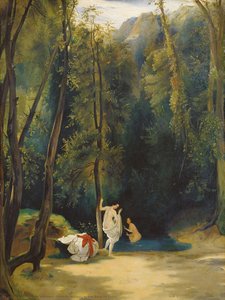
On the Cliffs

- 56.0 x 43.0 cm


 Lees meer
Giclée / Kunstafdrukken
Giclée- of canvasafdruk van museumkwaliteit met een snelle productie en flexibele afwerkingsmogelijkheden. ( Bestel handgeschilderde reproductie Schakel over naar digitale afbeeldingen)




P118B €10

P118H €10

P118W €10

P438Z €10

P508JH €12

P508YH €12

P805H €10

P805Z €10

P919BZ €10

P919G €10

P919XJ €10

P959ZH €10

P968JZ €12

W106C €8

W218G €10

W218JH €8

W218Y €10

W307PJ €10

W316G €10

W316PJ €8

W316Y €10

W398PJ €8

W4111J €10

W500HY €15

W500JH €15

W692G €12

W849H €8

W940BG €15

W953PJ €8




Kies uit onze vooraf ingestelde maten die overeenkomen met de originele verhoudingen van het kunstwerk.

Voer de gewenste breedte en hoogte in, passend bij uw lijst of muur. Een afdruk kan alleen worden ingekort en nooit groter worden gemaakt dan het origineel; een formaat met andere verhoudingen zal daarom een deel van de afbeelding verliezen. Wij sturen u een digitaal mockup ter goedkeuring voordat we tot drukwerk overgaan. De afbeelding op deze pagina toont niet de werkelijke uitsnede — dit is alleen te zien op het mockup.
Wereldwijde levering () binnen 2 weken in plaats van de standaard 4/5 weken. (2 november)

Gratis wereldwijde expressverzending

Hoogwaardig linnen canvas

Volledige verzendverzekering

Garantie op terugbetaling van invoerrechten

Garantie op exacte kleurweergave

Retourbeleid van 100 dagen (alleen bij defecten)

100% Geld-terug-garantie

Korting bij meerdere afnames
 De optie voor glas is alleen beschikbaar bij een formaat kleiner dan 110 cm.

On the Cliffs
Giclée / Kunstafdrukken
Afmetingen reproductie
-


Eindtotaal
€ 56
A Symphony of Light and Myth: Rediscovering Arthur B. Davies
In the quiet transition between the nineteenth and twentieth centuries, few artists captured the ethereal boundary between reality and dream as poignantly as Arthur Bowen Davies. His 1898 masterpiece, On the Cliffs, serves as a breathtaking window into an era where American landscape painting began to shed its rigid academic skin to embrace the fluid, emotive possibilities of Impressionism and Symbolism. At first glance, the viewer is greeted by a sweeping coastal vista, yet as the eyes linger, the scene reveals itself to be much more than a mere topographical study. It is a profound dialogue between the physical world and the human spirit, rendered with a delicate touch that suggests the fleeting nature of memory itself.
The composition is anchored by a sense of vertical grandeur, dominated by a towering, ancient tree that stands as a silent sentinel on the right side of the canvas. Through this arboreal presence, Davies guides our gaze across a landscape where mountains dissolve into layers of hazy blue and soft grey, receding into an infinite distance. A winding river carves its way through the valley below, acting as a silver thread that connects the rugged foreground to the misty horizon. The integration of nude female figures within this wild, natural setting elevates the work from a simple landscape to a classical allegory. These figures do not appear as intruders upon the land, but rather as organic extensions of it, embodying a primordial harmony between humanity and the untamed beauty of the earth.
The Mastery of Atmosphere and Technique
To behold On the Cliffs is to experience the tactile magic of oil on canvas. Davies employs a technique that leans heavily into the Impressionist tradition, utilizing loose, rhythmic brushstrokes that prioritize the sensation of light over the precision of line. There are no harsh boundaries here; instead, forms emerge from soft tonal gradations and blended pigments. The artist skillfully manipulates texture to create a sensory feast—the rough, weathered bark of the foreground tree provides a striking contrast to the smooth, luminous sky and the glass-like surface of the distant water. This interplay of textures enhances the painting's depth, pulling the viewer into a world that feels both tangible and otherworldly.
The color palette is a masterclass in subtlety, dominated by muted greens, deep blues, and earthy browns. These tones work in concert to evoke a tranquil, perhaps even slightly melancholic, atmosphere, reminiscent of an overcast day by the sea where the air is thick with salt and mist. This deliberate use of color avoids the jarring brilliance of high Impressionism, opting instead for a Symbolist depth that invites introspection. The soft, diffused lighting eliminates harsh shadows, bathing the entire scene in a gentle, pearlescent glow that softens the edges of reality and allows the imagination to wander through the landscape's many mysteries.
An Eternal Inspiration for the Modern Collector
For the discerning collector or interior designer, On the Cliffs offers much more than aesthetic beauty; it provides a focal point of profound emotional resonance. The painting’s ability to evoke themes of classical mythology and the eternal connection to nature makes it a timeless addition to any curated space. Whether placed in a sunlit gallery or a sophisticated study, the artwork brings with it an aura of serenity and intellectual depth. It is a piece that rewards repeated viewing, revealing new nuances of light and shadow with every encounter.
Investing in a high-quality reproduction of this Davies masterpiece allows one to bring this fragment of American art history into the contemporary home. It serves as a bridge between the historical grandeur of the Hudson River School influences and the avant-garde spirit of early Modernism. As a decorative element, it introduces a sense of movement, peace, and classical elegance, making it an ideal choice for those seeking to inspire wonder and contemplation within their living environments.
Veelgestelde vragen
Hoe intens zijn de kleuren van "On the Cliffs" door Arthur B. Davies?
"On the Cliffs" door Arthur B. Davies heeft een Balanced kleurintensiteit.
Is de afbeelding van "On the Cliffs" door Arthur B. Davies vrij van auteursrecht?
Wat betreft het auteursrecht valt "On the Cliffs" onder bevindt zich in het publiek domein - de auteursrechten zijn verlopen.
Welke stemming en emotie straalt "On the Cliffs" door Arthur B. Davies uit?
De vastgelegde stemming van "On the Cliffs" door Arthur B. Davies is Ethereal, en de emotionele toon ervan is Ethereal.
Vergelijkbare kunstwerken




Biografie kunstenaar
A Mystic in the Modern Age: The Life and Art of Arthur B. Davies
Arthur Bowen Davies, geboren in Utica, New York, in 1862, bevindt zich op een uniek en complex punt binnen de geschiedenis van de Amerikaanse kunst. Hij was niet zomaar *van* zijn tijd – de tumultueuze periode die de 19e en 20e eeuw overspande – maar actief bezig om deze te vormen, zowel als brug tussen Europese modernisme en als pleitbezorger voor distinctief Amerikaanse artistieke stemmen. Zijn reis begon met een vroege fascinatie voor landschapsschilderkunst, gewekt door een rondreis-tentoonstelling die de werken van George Inness en de meesters van de Hudson River School toonde. Deze initiële blootstelling instilledde in hem een bewondering voor de schoonheid van de natuur en een technische bekwaamheid die zijn stijl gedurende zijn hele carrière kenmerken zou blijven. Echter, Davies was niet bestemd om slechts een andere prakticus van traditioneel landschapsschilderen te worden; hij bezat een innerlijk visioen, een verlangen om iets uit te drukken dat verder ging dan de puur representatieve. Na studies aan de Chicago Academy of Design en de Art Students League in New York, begon hij een pad te volgen dat romantische gevoelens combineerde met opkomende modernistische idealen. Zijn vroege carrière omvatte illustratie werk, maar zijn ware roeping lag in het schilderen – in het creëren van werelden die doordrenkt waren van symboliek en emotionele resonans.The Ashcan School & The Armory Show: A Catalyst for Change
Davies’s artistieke ontwikkeling ontvouwde zich tegen een achtergrond van significante sociale en culturele verschuivingen. Hij werd geassocieerd met “The Eight,” een groep kunstenaars die in 1908 de conservatieve normen van de National Academy of Design uitdaagden. Hoewel vaak gelinkt aan de Ashcan School – een beweging bekend om zijn ruwe weergaven van stedelijk leven – stond Davies enigszins los daarvan. Waar kunstenaars als John Sloan zich richtten op de rauwe realiteit van stadsstraten, zocht Davies verzet in een meer etherische wereld. Zijn schilderijen waren niet bedoeld om de zichtbare wereld te documenteren; ze waren bedoeld om stemmingen, dromen en spirituele verlangens op te roepen. Desondanks demonstreerde zijn betrokkenheid bij The Eight zijn toewijding aan artistieke onafhankelijkheid en zijn bereidheid om gevestigde conventies uit te dagen. Deze geest van rebellie culmineerde in zijn cruciale rol als een van de organisatoren van de Armory Show in 1913 – een watermerk moment dat Europese modernisme (Cubisme, Fauvisme, Futurisme) introduceerde bij een grotendeels onwetende Amerikaanse publiek. De show werd ontvangen met zowel woede als opwinding, en veranderde daarmee voorgoed het verloop van de Amerikaanse kunstgeschiedenis. Davies’s bijdrage was niet alleen logistiek; hij bezat een uitzonderlijk begrip van hedendaagse artistieke trends en een scherp oog voor talent, waardoor hij essentieel werd in de selectie van de werken die werden tentoongesteld. Hij begreep dat kunst moest weerspiegelen de veranderende wereld, zelfs als dat betekende dat hij radicaal nieuwe vormen omarmde.A Language of Symbolism & Ethereal Visions
Davies’s volwassen stijl is gekenmerkt door zijn lyrische kwaliteit, delicate penseelstreken en evocatieve kleurgebruik. Zijn schilderijen tonen vaak figuren – vaak vrouwen of mythologische wezens – gehuld in dromerige landschappen. Deze zijn niet portretten in de traditionele zin; ze zijn archetypische representaties van menselijke emoties en spirituele toestanden. Unicorns: Legend, Sea Calm, misschien zijn meest bekende werk, illustreert deze benadering. Het schilderij toont een groep etherische figuren die met unicorns spelen op een rustige oever – een scène die zowel betoverend als diep symbolisch is. Zijn werken onderzoeken vaak thema's van verlangen, verlies en de zoektocht naar transcendensie. Hij was niet geïnteresseerd in het weergeven van de realiteit zoals deze *is*, maar eerder zoals deze *voelt*. Deze nadruk op subjectieve ervaring plaatst hem bij Symbolisten als Odilon Redon en Pierre Puvis de Chavannes, kunstenaars die innerlijke waarheden uitdrukten door evocatieve beelden. Davies’s palet is vaak gedempt en harmonieus, waardoor een sfeer van mysterie en atmosfeer ontstaat. Hij gebruikte meesterschaps technieken zoals glazuurtechniek en scumbling om luminieuze effecten en subtiele gradaties van tint te bereiken. Zijn kunst roept contemplatie op, en moedigt kijkers aan om verder te kijken dan het oppervlak en in de wereld van de verbeelding te duiken.Contradictions & Legacy
Davies’s leven was gekenmerkt door tegenstellingen. Terwijl hij publiekelijk pleitte voor artistieke vrijheid en innovatie, handhaafde hij een relatief conservatieve persoonlijke levensstijl – tenminste, de levensstijl die hij aan het grote publiek presenteerde. De onthulling na zijn dood in Florence, Italië, in 1928, dat hij een dubbelleven leidde met twee families – Virginia Meriwether Davies, wie hij in 1892 huwde, en Edna – schokte de kunstwereld. Deze verborgen aspect van zijn biografie voegt een extra laag complexiteit toe aan zijn artistieke persona. Ondanks deze persoonlijke turbulente periode, of misschien juist dankzij deze, heeft Davies een onuitwisbare stempel gedrukt op de Amerikaanse kunst. Hij was een cruciale figuur in de ontwikkeling van de Amerikaanse modernisme, die de kloof sloot tussen traditionele esthetiek en avant-garde experimentatie. Zijn invloed is te zien in het werk van latere generaties kunstenaars die doorgazden met thema's van spiritualiteit, symboliek en emotionele expressie.- Hij blijft een getuigenis van de kracht van kunst om grenzen te overstijgen – zowel artistiek als persoonlijk.
- Zijn schilderijen resoneren nog steeds met kijkers die op zoek zijn naar schoonheid, mysterie en een glimp van de verborgen diepten van de menselijke ziel.

Arthur B. Davies
1862 - 1928 , Verenigde Staten van Amerika
Belangrijkste feiten
- Artistic Movement Or Style: Modernisme, Symbolisme
- Artists Or Movements Influenced By This Artist:
- American Modernism
- Ashcan School
- Artists Who Influenced This Artist:
- George Inness
- Corot
- Millet
- Date Of Birth: 1862
- Date Of Death: 1928
- Full Name: Arthur Bowen Davies
- Nationality: Amerikaans
- Notable Artworks: ['Unicorns: Legend']
- Place Of Birth: Utica, USA
Gerelateerde artikelen
Top 10 Impressionistische Landschappen: Meesterwerken voor uw Interieur
Ontdek de 10 meest iconische impressionistische landschappen! Leer over Monet, Renoir & andere meesters. Prachtige schilderijen voor uw interieur. Museumkwaliteit reproducties op ArtsDot.com.

Romantische Landschappen: Top 10 Meesterwerken voor een Sfeervol Interieur | ArtsDot.nl
Ontdek de 10 meest iconische meesterwerken van de Romantiek! Reis door de tijd met Caspar David Friedrich, Turner & Delacroix. Laat je inspireren en vind museumkwaliteit kunst reproducties voor een sfeervol interieur op ArtsDot.com.

Evocations of Place: A Historical Journey Through Landscape Art
Explore the rich history of landscape art with ArtsDot. Discover renowned artists, movements like Impressionism & Romanticism, and expert guidance for collecting timeless pieces. Find your perfect serene escape today!

John Constable's Top 25 Meesterwerken: Landschappen die de Ziel Raaken | ArtsDot
Ontdek de 25 mooiste schilderijen van John Constable, meester van de Engelse Romantiek. Van idyllische landschappen tot iconische Hay Wain – bewonder zijn techniek en emotie. Museumkwaliteit reproducties & decoratie op ArtsDot.com.

Top 10 Impressionistische Landschappen: Meesterwerken voor uw Interieur
Ontdek de 10 meest iconische impressionistische landschappen van Monet, Renoir & meer. Leer over hun technieken en betekenis. Vind museumkwaliteit kunst reproducties voor uw interieur op ArtsDot.com!


