


 Peržiūrėti realaus dydžio版
 Siųsti
 Dalintis
 Išsamiau
 Vadovas

 Atsisiųsti
 Panašūs eksponatai
 Rentgeno spindulių nuotrauka
 Diaporama
 Statistika
Anonym


 Rodyti daugiau
Šiame puslapyje rodomas meno kūrinys yra saugomas autorių teisių įstatymais, todėl neturime teisės legaliai kurti ar parduoti jo identiškos reprodukcijos. Ši apsauga užtikrinama remiantis tokiais tarptautiniais susitarimais kaip Bernės konvencija ir pagal nacionalines įstatymų nuostatas, įskaitant tas, kurias nurodo JAV autoriškos teisės įstatymas – 17-asis skyrius.
Kaip pagarbią ir teisėtą alternatyvą, mes siūlome pagal užsakymą rankomis dažytus paveikslus, įkvėptus originalo. Mūsų įgudę ir profesionalūs menininkai kruopščiai tiria originalo stilių, nuotaiką ir meninę esmę, kad sukurtų naują, unikalią kūrinį, kuris sukelia tą paties jausmą – išlikdamas tuo tarciau originaliu, savarankišku kūrybiniu darbu.
Šis metodas visiškai atitinka autorių teises, nes jame nėra kūrinio kopijavimo ar dubliavimo. Tai yra kūrybinė reinterpretacija – naujas paveikslas, kurį įkvėpė originalas, tačiau kuris nėra jo identiškas.
Rankų darbo aliejinės reprodukcijos
Rankiniu būdu tapytas aliejus ant droblio jūsų pageidaujamame dydį ir rėmuose – mūsų menininkų darbas pagal užsakymą. ( Perjungti į spausdinimą Perejti prie skaitmeninių vaizdų)




P118B €10

P118H €10

P118W €10

P438Z €10

P508JH €12

P508YH €12

P805H €10

P805Z €10

P919BZ €10

P919G €10

P919XJ €10

P959ZH €10

P968JZ €12

W106C €8

W218G €10

W218JH €8

W218Y €10

W307PJ €10

W316G €10

W316PJ €8

W316Y €10

W398PJ €8

W4111J €10

W500HY €15

W500JH €15

W692G €12

W849H €8

W940BG €15

W953PJ €8




Pasirinkite iš mūsų nustatytų dydžių, atitinkančių originalaus meno kūrinio proporcijas.

Įveskite jums reikiamą plotį ir aukštį, kad paveikslas atitiktų jūsų rėmą ar sieną. Kadangi šis darbas yra rankinio darbo, siekiant išgauti kitokio formos dydį, paveikslas gali būti šiek tiek didesnis (nuo kraštų bus palikta daugiau erdvės) arba mažesnis – pasirinkite jums patogiausią variantą. Prieš pradedant tapyti, atsiųsime jums skaitmeninį maketą patvirtinimui. Šioje puslapio nuotraukoje matomas vaizdas nėra galutinis rezultatas – jį parodys tik sukurtas maketas.
Gavus užsakymą, ArtsDot.com komanda susisieks su klientu el. paštu dėl instrukcijų ir pateiks maketo pavyzdį
Pristatymas visame pasaulyje () per 3–4 savaites, o ne įprastai – per 5 savaites. (22 spalis). Kokybė lieka nepakeičiama.

Nemokamas greitasis pristatymas visame pasaulyje

Aukštos kokybės lininis drobė

Pilnas siuntimo draudimas

Muitinės mokesčių grąžinimo garantija

Tikro spalvų atitikimo garantija

100 dienų grąžinimo politika (tik esant įtaigoms)

100% pinigų grąžinimo garantija

Nuolaida dideliems užsakymams
 Stiklo variantas prieinamas tik pasirinkus dydį iki 110 cm

Anonym
Reprodukcijos technika
Reprodukcijos dydis
-


Visų pasirinktų variantų kaina
€ 231
Xavier Lucchesi’s ‘Anonym’: A Visceral Exploration of the Human Form
Xavier Lucchesi's “Anonym” is not merely a painting; it’s an unsettling invitation into the very core of human existence. Completed in 2023, this arresting work immediately confronts the viewer with a profoundly intimate and somewhat disturbing depiction of the male form. The subject, presented with his chest fully exposed, reveals a meticulously rendered anatomical tableau – lungs ablaze with pink and orange hues, a pulsating blue-green heart, and a stomach swirling with analogous shades. This isn’t a sanitized illustration of medical science; it's a raw, almost violent, unveiling of the mechanics that sustain life itself.
The Influence of X-Ray Photography and Scientific Observation
Born in Marseille in 1959, Lucchesi’s artistic trajectory was uniquely shaped by his early fascination with x-ray photography. Initially drawn to the scientific precision of these images – their ability to penetrate surfaces and reveal hidden structures – he recognized a powerful metaphor for exploring fundamental questions about perception and reality. This influence is strikingly evident in “Anonym.” The painting's technique deliberately mimics the stark, revealing quality of an x-ray, eschewing traditional artistic conventions of idealized beauty or romanticized representation. Lucchesi’s work stands as a testament to the power of observation, transforming scientific data into a deeply evocative and emotionally resonant artwork.
Symbolism Within the Anatomical Landscape
Beyond its technical mastery, “Anonym” is rich in symbolic potential. The exposed organs are not simply anatomical details; they represent vulnerability, mortality, and the precariousness of life. The vibrant color palette – a deliberate departure from muted realism – amplifies this emotional impact, suggesting an almost feverish intensity. The anonymity of the subject further heightens the work’s significance, inviting viewers to project their own anxieties and reflections onto this vulnerable representation of humanity. Lucchesi's choice to depict the internal organs in such a dramatic fashion elevates the painting beyond a simple anatomical study, transforming it into a meditation on the human condition.
Technique and Artistic Process
Lucchesi employs a layered technique, building up color through multiple glazes – a hallmark of academic art training. This meticulous approach allows for an incredible depth of tone and saturation, particularly noticeable in the rendering of the organs themselves. The artist’s hand is clearly visible within the brushstrokes, adding to the painting's raw and immediate quality. The composition itself is carefully balanced, drawing the eye across the canvas while maintaining a sense of unsettling tension. This combination of technical skill and expressive intent creates a truly compelling visual experience.
Perfect for Interior Design
- Adds a touch of intellectual intrigue to any space
- The vibrant color palette can be used to create a dramatic focal point
- A conversation starter that sparks reflection and discussion
问答 (or more naturally for a website heading): Klausimai ir atsakymai
Kokia yra „Anonym“, autorius – Xavier Lucchesi dominuojanti spalva?
Dominiruojanti „Anonym“ spalva yra Gray (#728a71). Pagrindinė spalva yra naudinga pritaikant kūrinį interjerui.
Kokią vietą meno istorijoje užima „Anonym“, autorius – Xavier Lucchesi?
Istoriškai „Anonym“ yra šio platesnio Modern laikotarpio Contemporary Realism stiliaus kūrinys.
Kur galiu įsigyti „Anonym“, autorius – Xavier Lucchesi skaitmeninį vaizdą?
Skaitmeninį „Anonym“, autorius – Xavier Lucchesi vaizdą galima įsigyti šio kūrinio puslapio Skaitmeninis vaizdas skiltyje: aukštos raiškos skaitmeninio vaizdo atsisiuntimas.


Autoriaus biografija
Xavier Lucchesi: Unveiling the Invisible
Born in Marseille, France, in 1959, Xavier Lucchesi’s artistic journey began not with brushes and canvas, but with a fascination for the unseen – a world revealed through the stark, revealing lines of x-ray photography. Initially drawn to the science behind medical imaging, Lucchesi quickly recognized its potential as a medium for exploring fundamental questions about perception, structure, and the very nature of reality. His work stands apart from traditional photography, not merely capturing what is visible on the surface but delving into the hidden architecture beneath, offering viewers an intimate glimpse into the ‘invisible’ realms of the human form and beyond.
Lucchesi's formal training at the University of Marseille-Provence provided a crucial foundation for his artistic explorations. His thesis, centered around “x-rays and images,” signaled a deliberate shift away from conventional photographic representation. This intellectual grounding fueled his experimentation with x-ray technology, initially within hospitals where he witnessed firsthand the transformative power of these images – not just as diagnostic tools but as windows into the body’s intricate structure. This early exposure sparked an idea: to harness this ability to reveal hidden forms and translate it into a compelling artistic language.
The X-Ray as Artistic Medium
Lucchesi's distinctive approach to x-ray photography is rooted in a profound understanding of the medium’s capabilities. He doesn’t simply reproduce medical images; he actively manipulates them, transforming them into evocative works of art. He differentiates his practice from traditional photography by stating that it captures ‘the invisible’ rather than ‘the visible,’ emphasizing a deliberate rejection of surface appearances and an embrace of underlying structures. This shift in perspective is reflected in his choice of subjects – often portraits combined with objects held by the sitter, creating layered compositions that suggest both internal states and external realities.
The process itself is meticulously considered. Lucchesi utilizes advanced x-ray machines, frequently collaborating with institutions like C2RMF (Centre de Recherche et Applications Muséales) and the Louvre Laboratory to refine his techniques. He carefully selects subjects – individuals or objects – and positions them within the frame, creating a dialogue between the visible and the invisible. The resulting images are then digitally enhanced, often imbued with color and subtle details that heighten their visual impact and reveal hidden contours and relationships.
Exhibition & Recognition
Lucchesi’s work has garnered significant attention within the contemporary art world. His innovative approach to x-ray photography has been exhibited in galleries across Paris, attracting critical acclaim and establishing him as a notable figure in the field. Publications such as Artshebdomédias and Artjaws have featured his work, solidifying his position as an artist pushing the boundaries of visual representation. His collaborations with prestigious museums like the Louvre, Musée Picasso, Musée d’Orsay, and Musée Rodin further underscore the recognition of his unique artistic vision.
Themes & Influences
At the heart of Lucchesi's work lies a persistent exploration of the relationship between perception, structure, and the human experience. He draws inspiration from various sources, including Eastern landscape painting – particularly the works of Bada Shanren – which emphasizes the importance of space and light as fundamental elements of artistic expression. This influence is evident in his compositions, where he seeks to capture not just the physical form but also the underlying energy flow within a subject.
Furthermore, Lucchesi’s work engages with broader philosophical questions about the nature of reality. By revealing the hidden structures beneath the surface, he challenges viewers to reconsider their assumptions about what is ‘visible’ and ‘real.’ His use of x-ray technology serves as a metaphor for uncovering deeper truths – both within ourselves and in the world around us.
Legacy & Current Work
Today, Xavier Lucchesi continues to push the boundaries of x-ray photography, exploring new techniques and subjects. His work remains deeply rooted in his initial fascination with the invisible, yet it has evolved into a sophisticated and nuanced artistic practice. He actively engages with contemporary issues through collaborations and exhibitions, ensuring that his unique vision continues to resonate within the art world. His ongoing projects, including series like ‘radio portraits’ or ‘interior landscape,’ demonstrate a commitment to exploring the inner journey of self – revealing the hidden landscapes within us all.

Xavier Lucchesi
1959 - , France
Trumpa informacija apie kūrėją
- Full Name: Xavier Lucchesi
- Nationality: French
- Date Of Birth: 1959
- Place Of Birth: Marseille, France
- Notable Artworks:
- Isabelle
- Anonym
- Artistic Movement Or Style: X-ray photography
Susiję straipsniai

Beyond Borders: The Spiritual & Stylistic Innovations of International Gothic Art
Explore the exquisite beauty & spiritual depth of International Gothic art. Discover key artists like Simone Martini & Pol de Limbourg, its origins, symbolism, and lasting influence on European painting. Expert insights at ArtsDot.
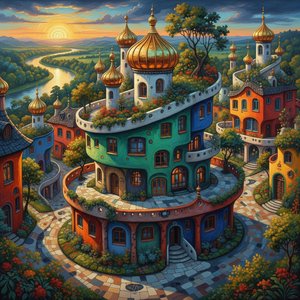
Friedensreich Hundertwasser: A Celebration of Organic Form & Rejection of Straight Lines
Explore the revolutionary art & architecture of Friedensreich Hundertwasser. Discover his rejection of straight lines, organic forms, ecological activism, and iconic projects like the Hundertwasserhaus. A deep dive into a unique artistic vision.

ArtsDot.com F.A.Q.: Elitinių Kolekcionierių Tarptautinė Pristatymo Paslauga – Globalus Patikimumas ir Saugumas
ArtsDot – patikima platforma elitiniams meno kolekcionieriams. Individualūs užsakymai, saugus tarptautinis pristatymas ir aukščiausios kokybės dailės reprodukcijos. Investuokite į savo kolekciją su pasitikėjimu!
ArtsDot.com F.A.Q.: Tarptautinių mokesčių ir muito formalumų valdymas įsigyjant meno kūrinius – elito kolekcininko vadovas
ArtsDot.com – patikimas partneris aukšto lygio kolekcininkams perkant meno kūrinius tarptautiniu mastu. Skaidri informacija apie muito formalumus, mokesčius ir logistiką. Individualios konsultacijos bei ekspertų pagalba.

Blush & Brilliance: 10 Iconic Paintings Dominated by Light Pink Tones |
Explore 10 iconic paintings bathed in captivating light pink tones! From Monet's Impressionism to Renoir’s romance, discover the stories behind these blush-hued masterpieces. Find museum-quality art reproductions & decor inspiration at .