

 Peržiūrėti realaus dydžio版
 Pasidalinti
 Dalintis
 Išsamiau
 Vadovas

 Atsisiųsti
 Panašūs eksponatai
 Rentgeno spindulių nuotrauka
 Automatinė diorama
 问答
问答 Statistika
The Pit


 Skaityti daugiau
Giclée / Meno spausdinimas
Muziejų lygio „giclée“ arba drobos spausdinimas: greita gamyba ir lankstios apdailos parinktys. ( Pirkti rankų darbo tapybą Perejti prie skaitmeninių vaizdų)




P118B €10

P118H €10

P118W €10

P438Z €10

P508JH €12

P508YH €12

P805H €10

P805Z €10

P919BZ €10

P919G €10

P919XJ €10

P959ZH €10

P968JZ €12

W106C €8

W218G €10

W218JH €8

W218Y €10

W307PJ €10

W316G €10

W316PJ €8

W316Y €10

W398PJ €8

W4111J €10

W500HY €15

W500JH €15

W692G €12

W849H €8

W940BG €15

W953PJ €8




Pasirinkite iš mūsų nustatytų dydžių, atitinkančių originalaus meno kūrinio proporcijas.

Įveskite jums reikiamą plotį ir aukštį, kad atvaizdas derėtų prie jūsų rėmo ar sienos. Spausdiną galima tik sumažinti, bet nepadidinti virš originalaus paveikslėlio dydžio, todėl keičiant proporcijas, dalis vaizdo prarandama. Prieš spausdinimą atsiųsime jums skaitmeninį maketą patvirtinimui. Šioje puslapio nuotraukoje matomas pjūvis nėra tikslus – jį rodo tik maketas.
Pristatymas visame pasaulyje () per 2 weeks, o ne įprastas 4/5 savaičių laikotarpis. (15 lapkritis)

Nemokamas greitasis pristatymas visame pasaulyje

Aukštos kokybės lininis drobė

Pilnas siuntimo draudimas

Muitinės mokesčių grąžinimo garantija

Tikro spalvų atitikimo garantija

100 dienų grąžinimo politika (tik esant įtaigoms)

100% pinigų grąžinimo garantija

Nuolaida dideliems užsakymams
 Stiklo variantas prieinamas tik pasirinkus dydį iki 110 cm

The Pit
Giclée / Meno spausdinimas
Reprodukcijos matmenys
-


Bendroji kaina
€ 56
The Depiction of The Pit by William Hogarth
Completed in 1759, The Pit by William Hogarth presents a crowded tavern interior. The scene captures a group of men engaged in boisterous activities, specifically gambling and excessive drinking. Amidst this chaotic atmosphere, a man attempts to seduce a young woman, centering the narrative on themes of lust and infidelity.
The subject matter functions as a critique of societal behavior and moral decay. Through this depiction of debauchery, William Hogarth examines the corrosive influence of vice upon the social fabric. The tavern setting becomes a stage for observing the tension between outward decorum and the reality of human indulgence.
Composition and Visual Elements of the Scene
The composition is tightly packed and dynamic, creating a sense of overwhelming activity within the tavern. A flattened perspective directs attention toward the immediate action, minimizing spatial recession to keep the viewer focused on the crowded gathering. Numerous figures dominate the space, each engaged in boisterous activities such as gambling, drinking, and playing musical instruments. This density contributes to a palpable sense of disorder and movement throughout the scene.
Strong, directional lines define the forms of the figures and the surrounding architecture, guiding the eye across the chaotic assembly. Amidst the surrounding debauchery, a central figure stands out through a prominent position and specific gestures. This focal point anchors the composition, providing a sense of structure to the otherwise sprawling and spontaneous arrangement of bodies and objects.
Technique and Materials of the Engraving
The work is an etching and engraving executed on paper. Hogarth utilized zinc or copper plates to achieve the necessary precision for this medium. By employing a burin tool to cut lines directly into the metal, the artist established a textured surface capable of capturing subtle gradations of grey. This technical control allows for a detailed surface that manages light and shadow through varying densities of line work.
The resulting aesthetic is defined by a commitment to realism. The meticulous application of the engraving technique supports a style of social commentary, using sharp, directional lines to define form and movement within the crowded scene. The interplay of light and shadow, achieved through the density of the etched lines, provides the tonal range necessary to convey the atmosphere of the setting.
Related Works by William Hogarth
Hogarth’s career is defined by his development of "modern moral subjects," a method utilizing visual storytelling to critique the social fabric. His narrative sequences often chart the consequences of moral decay through meticulous detail and symbolic elements. In 1731/1732, he produced A Harlot's Progress, which traces the tragic downfall of a young woman arriving in London. This pattern of social descent continues in the 1735 series A Rake's Progress, following the life of Tom Rakewell as he squanders an inheritance on gambling and debauchery.
The artist also explored the tensions between social classes and the impact of arranged marriages. This is evident in the series Marriage A-la-Mode, produced between 1743 and 1745. His output also included diverse subjects ranging from realistic portraiture to satirical caricatures. Notable examples include The Painter and his Pug (1745) and the Portrait of Captain Thomas Coram (1740).
- O the Roast Beef of Old England (1748)
- The March of the Guards to Finchley (1750)
Klausimai ir atsakymai
Kokia yra „The Pit“ – William Hogarth švytėjimo intensyvumas?
Įrašytas kūrinio „The Pit“ – William Hogarth šviesumas yra Gentle Luminance.
Iš kokios šalies kilęs Satirical Engraving kūrinys „The Pit“?
„The Pit“ kūrybinę vadovavo William Hogarth, gimęs/usi Jungtinė Karalystė, remiantis Satirical Engraving stiliaus tendencijomis. Kūrėjo kilmė sujungia šį kūrinį su Satirical Engraving kryptimi, kurios atstovai iš Jungtinė Karalystė taip pat laikosi.
Ar „The Pit“ galima peržiūrėti papildydami realybę?
„The Pit“ galima peržiūrėti papildytoji realybės formatu: kūrinio Peržiūra papildintajai realybei puslapyje, naudodami suderinamą įrenginį, galite pamatyti jį savo erdvėje.
panašūs kūriniai


Susiję straipsniai

18th Century Masters: 10 Artworks That Define an Era | ArtsDot
Journey through 18th century art! Explore 10 iconic paintings – from Rococo elegance to Neoclassical grandeur. Discover Fragonard, David & more. Find museum-quality reproductions and elevate your home decor on ArtsDot.com.

Engraving's Golden Age: 10 Masterpieces That Redefined Art | ArtsDot
Journey through art history with our Top 10 Legendary Engravings! Explore masterpieces by Dürer, Rembrandt & Goya. Discover the stories behind these iconic prints and find museum-quality reproductions for your home at ArtsDot.com.

William Hogarth: Satire, Social Commentary & the Birth of Modern British Art
Explore the satirical world of William Hogarth, pioneering British painter & engraver. Discover his iconic works like *A Rake's Progress* and insightful social commentary on 18th-century London life.

Engraving: A Historical Survey of Technique, Artistic Expression & Enduring Legacy
Explore the rich history of engraving with ArtsDot. Discover techniques, iconic artists like Dürer & Callot, collecting tips, and expert guidance for preserving your art investment. Learn about intaglio printing & more!
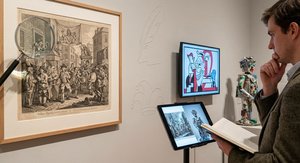
The Sharpest Wit: A Critical Exploration of Satire in Art History – From Hogarth to Contemporary Critique
Explore the history of satire in art! From Hogarth's London to contemporary critique, discover how artists use wit & visual power to reflect and challenge society. Expert insights at ArtsDot.


