


 Peržiūrėti realybėje
 Pasidalinti
 Dalintis
 Išsamiau

 Atsisiųsti
 Panašūs eksponatai
 Rentgeno nuotrauka
 Automatinė diorama
 Stats
StatsBoy in Green
 1814
1814 74.0 x 62.0 cm
 Government Art Collection
 Skaityti daugiau
Rankų darbo aliejinės reprodukcijos
Rankiniu būdu tapytas aliejus ant droblio jūsų pageidaujamame dydį ir rėmuose – mūsų menininkų darbas pagal užsakymą. ( Switch to Print Switch to Digital Image)




































Pasirinkite iš mūsų nustatytų dydžių, atitinkančių originalaus meno kūrinio proporcijas.

Galite įvesti savo matmenis, kad jie atitiktų konkretų rėmą ar erdvę. Jei pasirinktas dydis neatitinka originalaus paveikslėlio proporcijų, mes arba apkropsime meno kūrinį, arba papildysime tapybą rankomis dažytい elementais. Prieš pradėdami gamybą, jūsų patvirtinimui atsiųsime skaitmeninį maketą.
Atkreipkite dėmesį, kad ekrane rodomas vaizdas neatspindi tikrojo apkarpymo ar papildymo. Tik maketas tiksliai parodys galutinę kompoziciją.
Nors galima rinktis ir individualius dydžius, rekomenduojame pasirinkti matmenis iš nustatytos sąrašo, kad būtų išlaikytos originalios proporcijos.
Gavus užsakymą, ArtsDot.com komanda susisieks su klientu el. paštu dėl instrukcijų ir pateiks maketo pavyzdį.
Pristatymas visame pasaulyje () per 3–4 savaites, o ne įprastai – per 5 savaites. (8 rugsėjis). Kokybė lieka nepakeičiama.

Nemokamas greitasis pristatymas visame pasaulyje

Aukštos kokybės lininis drobė

Pilnas siuntimo draudimas

Muitinės mokesčių grąžinimo garantija

Tikro spalvų atitikimo garantija

100 dienų grąžinimo politika (tik esant įtaigoms)

100% pinigų grąžinimo garantija

Nuolaida už kelias reprodukcijas
 Stiklo variantas prieinamas tik pasirinkus dydį iki 110 cm

Boy in Green
Reprodukcijos technika
Reprodukcijos matmenys
-


Galutinė kaina
$ 263
panašūs kūriniai


Autoriaus biografija
Early Life and Artistic Beginnings
William Artaud, born in 1763, emerged during a period of significant artistic transition in England. While details surrounding his earliest years remain somewhat elusive, we know he first exhibited at the Royal Academy in 1786, signaling an early commitment to establishing himself within the established art world. This initial foray into public display suggests a degree of formal training and ambition. The following decade proved pivotal; Artaud embarked on a travelling studentship in 1795, a common practice for aspiring artists seeking to broaden their horizons through exposure to continental masters and diverse artistic traditions. Though the specifics of his travels are not fully documented, it’s reasonable to assume this period profoundly shaped his developing style and subject matter. He was quickly gaining recognition as a portraitist, a genre that offered both financial stability and opportunities for social engagement.A Portraitist of Prominent Figures
Artaud rapidly distinguished himself as a skilled and sought-after portrait painter. His clientele read like a roll call of the leading intellectual and scientific minds of his era. He captured the likenesses of figures such as Francesco Bartolozzi, the renowned engraver; Samuel Parr, a celebrated scholar whose wit and learning attracted considerable attention; Joseph Priestley, the pioneering chemist and Unitarian minister; and, notably, William Herschel, the astronomer who discovered Uranus. These were not merely commissions to record physical appearances; Artaud’s portraits aimed to convey something of his sitters' character and intellectual presence. Samuel Redgrave, a later art historian, observed that Artaud’s work possessed “individuality of character” and was executed with “great power,” though he also noted a certain lack of emotional expression – a characteristic perhaps reflective of the prevailing neoclassical aesthetic. The fact that his portraits were often destined for reproduction as engravings further suggests an emphasis on clarity and precision in his technique, qualities essential for successful translation into print.Biblical Subjects and Engraved Works
Beyond portraiture, Artaud also turned his attention to biblical scenes, a genre that allowed him to explore narrative composition and dramatic lighting. A significant aspect of his career was the collaboration with John Macklin, whose ambitious project aimed to create an illustrated edition of the Bible. Artaud contributed several paintings for this endeavor, which were then expertly engraved by leading artists of the time. This involvement highlights a key facet of artistic production in the late 18th and early 19th centuries: the close relationship between painting, engraving, and print culture. The engravings after his biblical subjects broadened his reach considerably, making his work accessible to a wider audience beyond those who could afford original paintings. Georg Kasper Nagler’s “New General Dictionary of Artists” provides a valuable record of these engraved works, demonstrating the extent of Artaud's contribution to this popular project.Later Years and Legacy
Artaud continued to exhibit at the Royal Academy until 1822, marking over three decades of consistent engagement with the artistic community. However, information regarding his later life is sparse. The precise date of his death remains unknown, leaving a degree of mystery surrounding the final years of his career. Despite this lack of biographical detail, Artaud’s legacy rests firmly on the quality and significance of his portraits. He captured an important moment in British history, documenting the faces of those who were shaping the intellectual landscape of their time. His work offers valuable insights into the artistic conventions of the Georgian era, as well as a glimpse into the personalities and aspirations of his distinguished sitters. While perhaps not a household name today, William Artaud occupies an important niche in the history of British portraiture, representing a skilled craftsman who successfully navigated the complexities of patronage, reproduction, and public exhibition.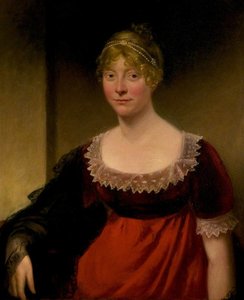
william artaud
1763 - 1823
Trumpa informacija
- Artistic Movement Or Style: Georgian Painting
- Artists Or Movements Influenced By This Artist: ["Macklin's Bible"]
- Artists Who Influenced This Artist: ['Georg Kasper Nagler']
- Date Of Death: 1823
- Full Name: William Artaud
- Nationality: British
- Notable Artworks:
- Francesco Bartolozzi Portrait
- Joseph Priestley Portrait
- Place Of Birth: London, England