


 Peržiūrėti realaus dydžio版
 Siųsti
 Dalintis
 Išsamiau
 Vadovas

 Atsisiųsti
 Panašūs eksponatai
 Rentgeno spindulių nuotrauka
 Diaporama
 Statistika
Reginald Blunt

 Rodyti daugiau
Rankų darbo aliejinės reprodukcijos
Rankiniu būdu tapytas aliejus ant droblio jūsų pageidaujamame dydį ir rėmuose – mūsų menininkų darbas pagal užsakymą. ( Perjungti į spausdinimą Perejti prie skaitmeninių vaizdų)




































Pasirinkite iš mūsų nustatytų dydžių, atitinkančių originalaus meno kūrinio proporcijas.

Įveskite jums reikiamą plotį ir aukštį, kad paveikslas atitiktų jūsų rėmą ar sieną. Kadangi šis darbas yra rankinio darbo, siekiant išgauti kitokio formos dydį, paveikslas gali būti šiek tiek didesnis (nuo kraštų bus palikta daugiau erdvės) arba mažesnis – pasirinkite jums patogiausią variantą. Prieš pradedant tapyti, atsiųsime jums skaitmeninį maketą patvirtinimui. Šioje puslapio nuotraukoje matomas vaizdas nėra galutinis rezultatas – jį parodys tik sukurtas maketas.
Gavus užsakymą, ArtsDot.com komanda susisieks su klientu el. paštu dėl instrukcijų ir pateiks maketo pavyzdį
Pristatymas visame pasaulyje () per 3–4 savaites, o ne įprastai – per 5 savaites. (23 spalis). Kokybė lieka nepakeičiama.

Nemokamas greitasis pristatymas visame pasaulyje

Aukštos kokybės lininis drobė

Pilnas siuntimo draudimas

Muitinės mokesčių grąžinimo garantija

Tikro spalvų atitikimo garantija

100 dienų grąžinimo politika (tik esant įtaigoms)

100% pinigų grąžinimo garantija

Nuolaida dideliems užsakymams
 Stiklo variantas prieinamas tik pasirinkus dydį iki 110 cm

Reginald Blunt
Reprodukcijos technika
Reprodukcijos dydis
-


Visų pasirinktų variantų kaina
€ 231
Susiję kūriniai


Autoriaus biografija
Tylo Tyliojo Temzos paveikslautėjo subtilumas
Norėdami suprasti Waltero Greaveso sielą, pirmiausia turite pajusti ritminį XIX amžiaus Temzos upės pulsą. Gimęs 1846 metais Londono pramonės širdyje, Greavesas nebuvo tik vandens stebėtojas; jis pats buvo jo kūrinys. Kaip Čelsėja (Chelsea) valdybininkų ir valdytojų Charles William Greaves sūnus, jis vaikystėje buvo visur apsu Rimtas vaizdais, garsais ir tekstūromis, kurias siūlė darbintė uostai. Šis ankstyvas pas浸murimas suteikė jam unikialą, instinktyvą ryšį su upės charakteriu – perspektyvą, kuri vėliau paversės jo plėslą gyvomis Londono jūros kelionės kronikomis. Formatyviniai metai praleisti tarp medžio ir tarso, paveldėto iš tėvo amato, įsidėvėjo jame gilią pagarbą kruopščiam meistriškumui bei aštrų žvilgsnį į subtilius šviesos ir atmosferos pokyčius, apibrėžiančius upės krantą.
Greaveso kūrybinis kelias buvo neatsiejamas nuo atsitiktinių susitikimų su britų meno milžinais. Jaunystėje jis įgijo praktinę patirtį kaip laivų statytojas ir valdytojas – ši veikla jį nukreipė į legendinio J.M.W. Turnerio orbitą. Nors jis nebuvo oficialus mokinio, patirtis vežiodamas keleivius ir staudamas iš vandens matydamas greitus, atmosferinius Turnerio eskizus, paliko neištrinamas pėdsakus jo vizualinėje kalboje. Nuo Turnerio Greavesas paveldėjo susižavėjimą trumpalaikėmis šviesos ir oro savybės, išmokęs įamžinti skubią miglos valandą ar saulėtą popietę Temzos vandenyje. Šis atmosferinis stebėjimas tapo pagrindu jo vėlesniam, labiau struktūrizuotam realizmui.
Šviesos ir linijos partnerystė
Greavesui br}_{{\text{stant}}ė, jo meninė aplinka išsiplėtė įvien su vieną įtakingiausių to laikmečio figūrų: James McNeill Whistler.
Jų susitikimas 1apas 1863 metais uždegė visą gyvenimą trukdančią draugystę ir transformatyvią meninę partnerystę. Jei Turneras suteikė atmosferinę įkvėpimą, Whistleris pasiūlė naują žiūrėjimo būdą esteticizmo prizmoje. Po Whistlerio globos Greavesas pradėjo eksperimentuoti su drąsentesne spalvų paleta ir inovatyviomis kompozicinėmis struktūromis. Šis laikotarpis parodė, kaip Greavesas žengia nuo tiesioginės topografinės dokumentacijos link subtesnio miesto nuotaikos ir toninio harmonijos tyrimo. Kartu jie klaidžiojo po Temzos kraizlarını, įamžindami kintančias tiek upės, tiek paties miesto bangas.
Greaveso talento išraiška buvo ypač stulbinanti jo ankstyvuose pasiekimuose. Vos šešiolikonio metų amžiuje jis sukūrė „Hammersmith Bridge on Boat-Race Day“ – kūrinį, kuris išlieka britų meno istorijos pamatu. Šis darbas, dažnai šlobinamas dėl savo naivaus žavesio, atskleidžia prodigingo gebėjimą tiksliai perteikti žmonių energiją ir architektūrinį mastą. Jis yra įrodymas apie jauną artistą, gebėtį įamžinti didelį Londono socialinių spektaklių susijaudinimą per gilaus stebėjimo prizmę. Per jo kūrybą upė niekada nebuvo tik fonas; ji buvo protagonistė, paviekinanti tą patį dramatiškų emocijų ir šviesos pokyčių procesą kaip ir žmonės, gyvenantys jos krantuose.
Viktorijos laikotarpio realisto palikimas
Per daugiau nei penkias dešimtmenis trukusį karjerą Greavesas išlaikė tvirtą atsidavimą savo mylimo Londono socialiniam kraštui. Jo kūrybinė plėtra pasižymi gražia įtampa tarp kruopščaus detalumo ir impresionistinės atmosferos. Ar jis vaizdavo grubią realybę kūrynyje „Unloading The Barge, Lindsey Wharf“, ar miglotą, sapnišką nuotaiką darbe „Lindsay Wharf, Chelsea“, jo darbai nuolat siekė pagarbinti darbo orumą ir pramoninės Temzos tylią grožį. Gebėjimas suderinti topografinio piešėjo realizmą su įkvepiamomis etringo tekstūromis leido jam užfiksuoti pranykstantį Londono gyvenimo erą.
Istorinė Walterio Greaveso reikšmė slypi jo vaidmenyje kaip gyvybiškai svarbaus viktoriniško socialinio kraštotvės kronikieriaus. Nors tokie vardai kaip Whistleris ir Turneris dažnai dominuoja istorinėje naratyve, Greavesas suteikė esminį ryšį tarp praeities didžiojo romantizmo ir pradinio modernaus amžiaus realizmo. Jo paveikslai išlieka įkvėptiniais langais į anglies biurų, triuškinamų uostų ir neįtikėtinės upės dvasios pasaulį. Šiandien jo darbai stovi kaip pagarbos atsidavimas stebėjimo galė ir neblėstantam Temzos žavesio pajudėjimui, primindami mums, kad tikrasis meno išminties spinduliuojantis švytėjimas dažnai slypi tyliame, ištikime aplinkinės pasaulio įrašyme.

Valteris Grivs
1846 - 1930 , Jungtinė Karalystė
Trumpa informacija apie kūrėją
- Artistic Movement Or Style: Naiviozdienis
- Artists Or Movements Influenced By This Artist: ['Whistleris']
- Artists Who Influenced This Artist: ['James McNeill Whistleris']
- Date Of Birth: 1846 m. liepos 4 d.
- Date Of Death: 1930 m. lapkričio 28 d.
- Full Name: Walter Greaves
- Nationality: Britų
- Notable Artworks:
- Hammersmith tiltas varandų varžybų dieną
- Lindsay uostas, Chelsea
- Baržos iškrovimas
- Place Of Birth: Londonas, Jungtinė Karalystė
Susiję straipsniai

Walter Greaves: A Study in Victorian Realism & the Social Landscape of British Art
Explore the life & work of Walter Greaves, a key Victorian realist painter influenced by Whistler. Discover his London streetscapes, portraits, and enduring legacy. Learn about art appraisal & reproduction options at ArtsDot.
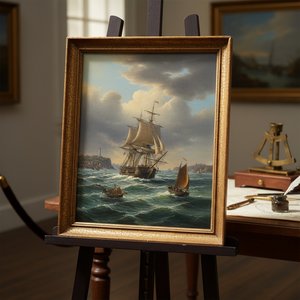
Samuel Walters: Capturing Victorian Maritime Life with Precision & Artistry
Explore the exquisite maritime paintings of Samuel Walters (1811-1882). Discover his mastery of detail, historical scenes & influence on Victorian art. Learn about collecting his works and find high-quality reproductions at ArtsDot.

Oil on Canvas: A Historical & Technical Exploration of a Timeless Artistic Medium
Explore the rich history & enduring techniques of oil painting on canvas. Discover the science behind its longevity, conservation practices, and contemporary relevance. Expert insights for art enthusiasts.

The Enduring Legacy of Oil on Canvas: Technique, History & Aesthetic Impact
Explore the rich history & techniques of oil painting – from Renaissance masters to Impressionism. Discover pigments, layering methods, and why this timeless medium endures. Expert insights for artists & art enthusiasts.

The Enduring Power of Painting: A Historical & Contemporary Exploration of Form and Emotion
Explore the rich history & enduring techniques of oil painting with ArtsDot. Discover masterpieces, learn about art collecting, and find authentic handmade reproductions crafted by skilled artists.