


 Peržiūrėti realaus dydžio版
 Siųsti
 Dalintis
 Išsamiau
 Gidas
Gidas

 Atsisiųsti
 Panašūs eksponatai
 Rentgeno spindulių nuotrauka
 Diaporama
 Statistika
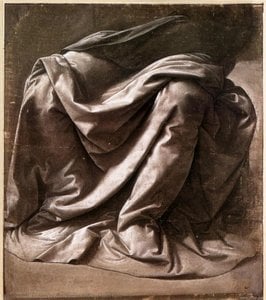
Study For 'a Bientot'
 Rodyti daugiau
Įsigykite aukštos skiriamosios raiškos, patobulintą skaitmeninį vaizdą, gerokai pranašesnį už internetinę peržiūrą.
Kiekvieną failą mūsų specialistai kruopščiai paruošia naudojant pažangias technologijas ir profesionalų rankinį retušavimą. Užtikriname, kad kiekvienas vaizdas pasižymėtų išskirtiniu aiškumu, tikslia spalvų atspalviu ir smulkiomis detalėmis.
Baigiamas failas el. paštu pristatomas per 72 valandas; jis optimizuotas nedelsiant naudojimui profesionalioje, redakcinėje ir spausdinimo aplinkoje. Tai ta pati kokybė, kuria pasitiki aukščiausios klasės dizaino studijos, leidyklos ir galerijos.
Skaitmeninis vaizdas
Atsisiųskite didelės raiškos failą asmeniniam naudojimui, spausdinimui ir kūrybiniams projektams. ( Perjungti į spausdinimą Pirkti rankomis tapytą reprodukciją)
Kiekvieną skaitinio vaizdo užsakymą papildė
Profesionalus skaitmeninis vaizdų pristatymas, garantuotas
Pasirinkę ArtsDot.com, jūs ne tik gaunate paveikslėlį – jūs gaunate profesionaliai patobudintą skaitmeninį kūrinį, sukurtą itin tikniai ir užtikrinantį pasitenkinimą. Štai viską, kas automatiškai pritékia jūsų užsakymui:

Greitas nuotraukų gavimas el. paštu
Jūsų aukštos raiškos skaitmeninis vaizdo failas bus išsiųstas el. paštu per 72 valandas nuo užsakymo – jis bus paruoštas naudoti be jokių papildomų veiksmų.

Skaitmeninis failas su dirbtiniu intelektu
Jūsų meno kūrinys profesionaliai optimizuojamas naudojant pažangius dirbtinio intelekto įrankius ir rankinį redagavimą, užtikrinant maksimalią detalę, aiškumą ir spalvų tikslumą.

Nemokamas visam laikui pakartotinis siuntimas
Atsitiktinai ištrytikote ar praradote savo failą? Nebijokite – bet kuriuo metu atsiųsime jį jums vėl nemokamai.

Jokio importo mokesčio – niekada
Mėgaukitės savo meno kūriniu akimirka – skaitiniai failai visada yra neapmokestinami, todėl nereikės mokėti muitinės, mokesčių ar pristatymo mokesčių.

Spalvų tikslumo garantija
Naudodami profesionalią įrangą ir spalvų valdymo sistemas, užtikriname, kad jūsų skaitmeninis vaizdas kuo tiksliau atspindėtų originalias spalvas.

100 dienų patikimumo garantija
Jei nebuvosite patenkinti įsigyto skaitmeninio vaizdo, mes jį tališkai koreguosime arba grąžinsime 100% sumą per 100 dienų – be jokių klausimų.

100% pinigų grąžinimo garantija
Nesitenkinate? Gaukite visą sumokėtą sumą per 100 dienų nuo skaitmeninio failo gavimo – be jokių papildomų klausimų.

Nuolaidos dideliems užsakymams
Pirkti 3 nuotraukas – 10% nuolaida – Pirkti 5 – 15% nuolaida – Pirkti 10 ir daugiau – 20% nuolaida. Puikiai tinka kūrybiniams projektams, galerijoms bei agentūroms.
Susiję kūriniai



Autoriaus biografija
Early Life and Artistic Foundations
Valentine Cameron “Val” Prinsep emerged into the world in 1838, amidst the vibrant landscape of Calcutta, India. Born to Henry Thoby Prinsep, a British civil servant, and Sarah Monckton Pattle, his lineage was deeply interwoven with the fabric of colonial life. However, it was through his mother’s connections that young Valentine found himself subtly drawn into the burgeoning artistic circles of Victorian England. Sarah Prinsep was related to both the pioneering photographer Julia Margaret Cameron, and Maria Jackson, grandmother to literary giants Virginia Woolf and Vanessa Bell—a familial network that would profoundly shape his future trajectory. The family’s return to England in 1843, settling at Little Holland House in 1851, proved pivotal. This residence quickly transformed into a celebrated salon, a haven for artists, writers, and thinkers of the era. It was within these walls that Prinsep's artistic sensibilities began to blossom, nurtured by the constant exchange of ideas and the presence of luminaries like George Frederic Watts, who became his early mentor. A formative experience followed in 1856-57, when Prinsep accompanied Watts on an expedition to Sir Charles Thomas Newton’s excavations at Halicarnassus, a journey that ignited a passion for classical forms and historical narratives. His formal training continued at Charles Gleyre's atelier in Paris, where he found himself alongside future masters such as James Abbott McNeill Whistler, Edward Poynter, and George du Maurier—even serving as the inspiration for the character “Taffy” in Du Maurier’s celebrated novel Trilby.Pre-Raphaelite Affiliations and Artistic Development
Following his Parisian studies, Prinsep embarked on a period of travel through Italy, forging lasting friendships with Edward Burne-Jones and John Everett Millais. These encounters proved instrumental in solidifying his artistic direction, drawing him closer to the ideals of the Pre-Raphaelite Brotherhood. A winter spent in Rome in 1859-60 brought him into contact with Robert Browning, further enriching his intellectual landscape. Prinsep actively participated in the decoration of the Oxford Union Hall alongside Dante Gabriel Rossetti and other members of the movement, demonstrating a commitment to their shared aesthetic principles. His early works, such as A Girl Carrying Grapes (1862), clearly reflect the influence of Rossetti’s romanticism and the Pre-Raphaelite emphasis on detail and symbolism. Prinsep became a regular exhibitor at the Royal Academy from 1862 until his death, showcasing a diverse range of subjects and styles that demonstrated both his versatility and evolving artistic vision. The painting Bianca Capella (1866), depicting General Gordon in Chinese costume, garnered significant attention—a testament to Prinsep’s skill in portraiture and narrative composition. Interestingly, Millais later borrowed the same costume for his own work, Esther, highlighting the collaborative spirit within the artistic community.Major Works and Themes
Prinsep's oeuvre is marked by a compelling blend of historical narratives, romantic themes, and insightful character studies. Miriam Watching the Infant Moses (1867), exhibited at the Royal Academy, stands as a significant example of his ability to imbue biblical scenes with emotional depth and Pre-Raphaelite detail. A Venetian Lover (1868) showcases his fascination with Italian settings and romantic entanglements, while Bacchus and Ariadne (1869) draws upon classical mythology—a recurring motif in his work. News from Abroad (1871) exemplifies his talent for storytelling through painting, capturing a moment of anticipation and emotional connection. He also demonstrated a keen interest in depicting rural life and the working class with paintings like The Linen Gatherers (1876) and The Gleaners. However, it was his large-scale commission, Delhi Durbar (1880), that brought him widespread recognition. This monumental work, commissioned by the Viceroy of India, Robert Bulwer-Lytton, meticulously documented a significant historical event—the proclamation of Queen Victoria as Empress of India. Presented to the Queen herself, it found its permanent home at Buckingham Palace, solidifying Prinsep’s reputation as a painter capable of capturing both grandeur and historical accuracy. Other notable works include À Versailles, The Emperor Theophilus Chooses His Wife, The Broken Idol, and The Goose Girl.Later Life, Literary Pursuits, and Legacy
In 1884, Prinsep’s life took a fortunate turn with his marriage to Florence Leyland, daughter of the wealthy art collector Frederick Richards Leyland. This union provided him with financial security, allowing him to pursue diverse interests beyond painting. He became involved in business as a company director and landowner, demonstrating an entrepreneurial spirit alongside his artistic inclinations. Prinsep also turned his hand to writing, penning two plays—Cousin Dick and Monsieur le Duc—as well as two novels, and the travel journal Imperial India. A dedicated volunteer, he was one of the founders of the Artists Rifles, a testament to his sense of civic duty. Prinsep passed away in 1904 and was laid to rest alongside his wife Florence in Brompton Cemetery, London, marked by a distinctive Roman-style monument. His legacy resides within the Pre-Raphaelite movement as a skilled painter who explored diverse themes while maintaining connections to prominent artists of his time. His work offers valuable insight into Victorian artistic trends and social concerns, particularly regarding depictions of historical events and working-class life. Delhi Durbar, in particular, remains a significant document of British imperial history, offering a glimpse into the splendor—and complexities—of colonial India. As a member of this influential brotherhood, and connected to figures like Julia Margaret Cameron and Virginia Woolf’s grandmother, Prinsep occupies a unique position within Victorian cultural history.
Valentine Cameron Prinsep
1838 - 1904