

- 66.0 x 53.0 cm


Vaizdas atitinka jūsų pasirinkimus: , .
Kolekcinio objekto aprašas
Discover 'Untitled (D2X37D)' by Thomas Le Clear (1818-1882), a captivating Victorian painting of three boys fishing. Explore the details of this 1846 oil on canvas masterpiece, featuring birds and a serene river scene.
 Skaityti daugiau
Autoriaus biografija
Thomas Le Clear (1818-1882) was an American portrait & genre painter known for his captivating scenes of childhood and prominent figures like Millard Fillmore. A founding member of the Buffalo Fine Arts Academy, explore his 19th-century masterpieces.
Rankų darbo aliejinės reprodukcijos
Rankiniu būdu tapytas aliejus ant droblio jūsų pageidaujamame dydį ir rėmuose – tai mūsų menininkų pagal užsakymą sukurtas darbas. ( Perjungti į spausdinamus版作品 Perejti prie skaitmeninių vaizdų)
Daugiau informacijos apie šį paveikslą
 Peržiūrėti realaus dydžio版
 Pasidalinti
 Dalintis
 Išsamiau
 Vadovas

 Atsisiųsti
 Panašūs eksponatai
 Rentgeno spindulių nuotrauka
 Automatinė diorama
 问答
问答 Statistika
Užsisakykite savo paveislinį keturiuose paprastuose žingsniuose
Neskubėkite. Galite pakeisti bet kurį atsakymą; kaina jūsų užsakymo kortelėje keičiasi po kiekvieno pasirinkimo.
1 Pirmas iš keturių žymių
Kokio dydžio norėtumėte?
Šie dydžiai išlaiko originalaus paveikslėlio proporcijas. Piešinyje matomas jūsų pasirinkimas ant sienos, virš dvimetrinio sofos.
Arba nurodykite savo matmenis
Pasirinkite iš mūsų nustatytų dydžių, atitinkančių originalaus meno kūrinio proporcijas.

Įveskite jums reikiamą plotį ir aukštį, kad paveikslas atitiktų jūsų rėmą ar sieną. Kadangi šis darbas yra rankinio darbo, siekiant išgauti kitokios formos dydį, paveikslas gali būti šiek tiek didesnis (nuo kraštų bus palikta daugiau erdvės) arba mažesnis – pasirinkite jums patogiausią variantą. Prieš pradedant tapyti, atsiųsime jums skaitmeninį maketą patvirtinimui. Šioje puslapio nuotraukoje matomas vaizdas nėra galutinis rezultatas – jį parodys tik sukurtas maketas.
2 Antras iš keturių žingsnių
Kaip turėtų būti paruoštas: surolluotas, įtemptas ar įdėtas į rėmą?
Žemiau pateiktos kainos galioja pasirinktam pirmame žingsnyje dydžiui.
Pasirinkite ištempto drobės kraštus
Pasirinkite rėmelį

Baltas apasutojimas €1

Išblėstantis šonas €1

Išplėstinis €1

P118B €10

P118H €10

P118W €10

P438Z €10

P508JH €12

P508YH €12

P805H €10

P805Z €10

P919BZ €10

P919G €10

P919XJ €10

P959ZH €10

P968JZ €12

W106C €8

W218G €10

W218JH €8

W218Y €10

W307PJ €10

W316G €10

W316PJ €8

W316Y €10

W398PJ €8

W4111J €10

W500HY €15

W500JH €15

W692G €12

W849H €8

W940BG €15

W953PJ €8

H24-GOLD €30

H24-SILVER €30

H36-GOLD €45

H36-SILVER €45
Įrėmintas
Rėmo apvadas: . Bendras dydis su rėmu: .
3 Trečias iš keturių žingsnių
Ar norėtumėte paveisale kažką pakeisti?
Dauguma žmonių atsako ne. Kadangi kiekvienas paveikslas yra sukuriamas rankomis, mūsų suregistis taip pat gali jį pritaikyti jums.
Gavus užsakymą, ArtsDot.com komanda susisieks su klientu el. paštu dėl nurodymų ir pateiks preliminarią maketą.
4 Ketvirtas iš keturių žymių
Keletas apdailos variantų
Visi jie yra neprivalomi. Jau pasirinkti atsakymai nieko papildomo nekainuoja.
Kas tai piešia?
Pristatymas visame pasaulyje () per 3–4 savaites, o ne įprastai – per 5 savaites. (6 lapkritis). Kokybė lieka nepakeičiama.
Pavadinimo plokštelė, kaip muziejuje?
Išgraviruotos bronzinės plokštelės detalės
This elegant plaque features the artist's name and the title of the artwork, finely engraved for a timeless presentation.
It is made from bronze with a refined, elegant finish. The text is precisely laser-engraved for a sharp and permanent result. Measuring 9x2 cm, the plaque is compact yet easy to read. It's built to be durable and scratch-resistant, offering a professional, museum-quality look. Mounting is simple thanks to the included adhesive backing.
Skaidrios akrilo plokštelės informacija
The plaque includes essential engraved details such as the artist's name, the title of the artwork, the date it was created, the type of media used-like oil on canvas or watercolor-a brief description of the piece, and a QR code that links to the complete artwork information.
It is crafted from clear acrylic, offering a sleek, modern appearance. The text is UV-engraved in black to ensure strong visual contrast. With a size of 10x15 cm, it ensures optimal readability. It comes equipped with two metal hooks for secure wall mounting. The plaque is designed to be weather-resistant, making it suitable for various environments, and it includes interactive features that work seamlessly with smartphone scanning.
Juodos akrilo plokštelės informacija
This elegant plaque includes engraved information such as the artist's name, the title of the artwork, the date it was created, the type of media used (like oil on canvas or watercolor), a short description of the artwork, and a QR code for quick access to more information.
The plaque itself is made from refined black acrylic with a premium finish. The text is laser-engraved in white for high contrast and readability. Its size is 10x15 cm, designed to be easy to read. It comes with two metal hooks for professional mounting. The design is sleek and fits any interior style. It is also weather-resistant and durable, with built-in digital integration for mobile compatibility.
Apsauginis lakas?
Kada jums reikia?
✓ Patikrinti ir užsakyti
Jūsų paveikslas, tiksliai taip, kaip užsakėte

Untitled (D2X37D)
Reprodukcijos technika
Reprodukcijos matmenys
-

Aukščiausios klasės meistras
Daugiau detalių, meistriškumo ir papildomo gamybos laiko
-

Reprodukcijos rėmėjimo parinktys
-
-
Dėl meno kūrinių ar reprodukcijų, kurių bet kuri pusė yra didesnė nei 105 cm (apie 41 inch), rėmas bus siunčiamas kaip išskaidytas surinkimo rinkinys. Šis metodas užtikrina saugų pristatymą ir apsaugo nuo transportavimo metu galimos žalos.
Reikalingas profesionalus surinkimas – tai nėra „pasidaryk pats“ (DIY) produktas.
Rinkinys turi būti surinktas, o drobė išplėsta naudojant patyrį profesionalų rėmininką, medžio klijus (nėra įtraukti į rinkinį), drobės plėšimo kleslę bei presas, kad rėmo rėžiai išliktų tiesūs, kol klijai išdžiūvus. Netinkamas surinkimas arba netolydus drobės įtampa gali negrįžtamai sugadinti meno kūrinį, todėl šie atvejai nėra užtraukiami mūsų garantijos.
 Dėl meno kūrinių ar reprodukcijų, kurių bet kuri pusė yra didesnė nei 105 cm (apie 41 inch), rėmas bus siunčiamas kaip išskaidytas surinkimo rinkinys. Šis metodas užtikrina saugų pristatymą ir apsaugo nuo transportavimo metu galimos žalos.
Į komplektą įeina visi vientisos medienos elementai, tiksliai išpjauti pagal dydį.
Surmontinama naudojant pridėtus varžtus bei papildomai reikalingą medžio kliją kampų jungtims, kuris nėra pridėtas ir turi būti parinktas rėmininkui.
Reikalingi profesionalūs įrankiai, kurie nėra įtraukti į rinkinį: drobės kėlimo plytelės (stiprintuvai) ir klemiai, laikantys rėmo strygius tiesiu kampu, kol džiūsta lipas.
Svarbu:
Kampų jungtims reikalingi medžio klijai, barams reikia laikyti naudojant presas, kol klijai visiškai išdžiūvės, o surinktam rėmui įtempiamai privilgti būtinos drobės įtempimo plytযুক্ত. Šios priemonės į rinkinį neįtrauktos. Prieš užsakydami šio dydžio rinkinį, rekomenduojame pasimalkoti patyrusiu rėmų meistru.

Pavadinimo lentelė
-
-

Apsauginis lakas
Blizgus lakas (ryškina spalvas, saugo nuo šviesos ir drėgmės)
-

Personalizuoti kūrinį
Ką galima pakeisti (pavyzdžiui): pakeisti veidą klientui skirta nuotrauka; pridėti augintinį (pvz., katę pakeisti šuniu); įtraukti paslėptą žinutę fone; pakeisti fono kraštovaizdį ar elementus.
-

Skubiai
Pristatymas visame pasaulyje () per 3–4 savaites, o ne įprastai – per 5 savaites. (6 lapkritis). Kokybė lieka nepakeičiama.
-
Skubus pristatymas
Pristatymas visame pasaulyje () per 5 weeks. (13 lapkritis).
Įskaičiuota
Bendroji kaina
€ 235
Stiklo variantas prieinamas tik pasirinkus dydį iki 110 cm
Pridedama prie kiekvieno užsakymo
- Nemokamas greitasis pristatymas visame pasaulyje
- Aukštos kokybės lininis drobė
- Pilnas siuntimo draudimas
- Muitinės mokesčių grąžinimo garantija
- Tikro spalvų atitikimo garantija
- 100 dienų grąžinimo politika (tik esant įtaigoms)
- 100% pinigų grąžinimo garantija
- Nuolaida dideliems užsakymams


A Window into Victorian Childhood: Thomas Le Clear’s “Untitled (D2X37D)”
Thomas Le Clear's "Untitled (D2X37D)," painted in 1846, isn’t merely a depiction of three young boys fishing; it’s a poignant snapshot of Victorian America, imbued with a quiet dignity and an intimate understanding of childhood. The scene unfolds along the banks of a gently flowing river, bathed in the soft light that suggests either early morning or late afternoon – a time often associated with reflection and innocence. The composition is remarkably balanced, drawing the eye to the central group while subtly incorporating elements of the surrounding landscape: a mature tree offering dappled shade, hinting at the passage of time and the wisdom it carries, and the distant suggestion of rolling hills, grounding the scene in a sense of place.
Le Clear’s technique is characterized by a meticulous attention to detail and a masterful use of light and shadow. He employs a slightly muted palette – predominantly browns, greens, and blues – creating an atmosphere of subdued realism. The brushstrokes are delicate yet confident, particularly evident in the rendering of the boys' clothing and the texture of their fishing rods. Notably, Le Clear avoids overly dramatic lighting or exaggerated expressions; instead, he captures a genuine moment of shared activity, fostering a sense of quiet observation rather than theatrical display. This restraint is key to the painting’s enduring appeal – it invites us into the scene without imposing our own interpretations.
The Context of Victorian Portraiture and Genre Painting
To fully appreciate “Untitled (D2X37D),” one must consider the broader artistic landscape of 19th-century America. Following the rise of Romanticism, a shift occurred towards more realistic and narrative approaches to painting. Portraiture remained immensely popular, but artists began to explore scenes of everyday life – what became known as genre painting. Le Clear skillfully blends these influences, creating an image that is both formally polished (in its portrait-like composition) and deeply rooted in the realities of rural American life. The inclusion of the boys fishing speaks to a burgeoning interest in depicting the lives of ordinary people, particularly children, which was becoming increasingly valued during this period.
Furthermore, Le Clear’s background as a self-taught artist, beginning his career at just twelve years old by copying religious paintings, is remarkable. This independent path highlights the spirit of innovation within American art at the time – a willingness to learn and adapt from various sources, rather than adhering strictly to established academic traditions. His early success fueled a lifelong dedication to honing his craft, resulting in a body of work that reflects both meticulous study and a unique artistic vision.
Symbolism and Emotional Resonance
The seemingly simple subject matter of three boys fishing is rich with symbolic potential. Fishing itself has long been associated with patience, perseverance, and the rewards of quiet contemplation – qualities highly valued in Victorian society. The boys’ posture—sitting cross-legged on the ground, focused intently on their task—suggests a connection to nature and an appreciation for the simple pleasures of life. The birds circling overhead could represent freedom, innocence, or perhaps even a touch of mischief, adding a layer of visual interest to the scene.
More profoundly, the painting evokes a sense of nostalgia – a longing for a time when childhood was perceived as a period of unburdened joy and connection with the natural world. Le Clear’s ability to capture this feeling is what elevates “Untitled (D2X37D)” beyond a mere depiction of a fishing scene; it becomes a timeless meditation on the beauty and fragility of youth, offering viewers a moment of quiet reflection and emotional resonance.
A Legacy in Reproduction
Today, Thomas Le Clear’s work continues to captivate audiences through high-quality reproductions. The meticulous detail and evocative atmosphere of “Untitled (D2X37D)” are faithfully reproduced in hand-painted versions, allowing art lovers to bring this poignant glimpse into Victorian America into their homes. When selecting a reproduction, consider the artist's commitment to authenticity – ensuring that the colors, textures, and brushstrokes accurately reflect Le Clear’s original vision. A carefully crafted reproduction is not merely a copy; it’s a testament to the enduring power of art to transport us to another time and place.
Klausimai ir atsakymai
Kokią temą ir atmosferą sujungia „Untitled (D2X37D)“ – Thomas Le Clear?
„Untitled (D2X37D)“ vaizduoja fishing, boys, river, outdoors, trees, birds, victorian, o jo perteikiama nuotaika yra Elegant.
Kiek intensyvios yra spalvos kūryboje „Untitled (D2X37D)“ – Thomas Le Clear?
„Untitled (D2X37D)“ – Thomas Le Clear pasižymi Monochromatic spalvų intensyvumu.
Ar „Untitled (D2X37D)“ saugoma kūrijėjo šalyje?
Taip – kūrinys saugomas autoriaus tėvynėje. kūrinys „Untitled (D2X37D)“ saugomas United States of America, o Thomas Le Clear gimė United States of America.
panašūs kūriniai


Thomas Le Clear
1818 - 1882, United States of America
Autoriaus biografija
Thomas Le Clear: A Captivating Vision of Victorian America
Born in Oswego, New York, in 1818, Thomas Le Clear’s artistic journey was one forged through self-directed study and a keen observation of the world around him. Unlike many artists of his era who benefited from formal training, Le Clear began his career at just twelve years old, selling copies of religious paintings – notably Saint Matthew – demonstrating an early aptitude for capturing likeness and detail. This initial success fueled a passion that he pursued relentlessly, absorbing techniques and styles through diligent study of the works of established masters. His early life, marked by this independent approach to learning, would profoundly shape his distinctive artistic voice.
Le Clear’s formative years were spent in Canada, specifically London, Ontario, where he honed his portraiture skills during a period of significant growth for the settlement. This experience exposed him to diverse subjects and likely influenced his ability to portray individuals with nuanced characterization. Returning to America, he established himself as a respected artist in Elmira and Rochester, New York, steadily building a reputation for capturing both the outward appearance and inner essence of his sitters. These early commissions provided invaluable practical experience, allowing him to refine his technique and develop a confident style.
A pivotal moment in Le Clear’s career arrived with his relocation to New York City in 1839. Seeking further artistic development, he enrolled under the tutelage of Henry Inman, a prominent portraitist known for his refined academic approach. This period proved instrumental in solidifying his understanding of composition, lighting, and classical techniques. However, Le Clear’s true strength lay not merely in imitation but in imbuing his portraits with a palpable sense of life and emotion – a quality that distinguished him from many of his contemporaries.
The Buffalo Years: Academy and Artistic Flourishing
From 1844 to 1860, Le Clear found a fertile ground for artistic growth in Buffalo, New York. He played a crucial role in the establishment of the Buffalo Fine Arts Academy, becoming one of its founding members and contributing significantly to the development of art education in the region. This involvement reflects his commitment to fostering artistic talent and sharing his knowledge with future generations. During this period, Le Clear’s work flourished, characterized by a growing confidence and an increasingly sophisticated approach to portraiture and genre scenes.
His Buffalo years produced some of his most celebrated works, including evocative depictions of everyday life – scenes of itinerants, interiors filled with portraits, and glimpses into the domestic sphere. These paintings offer valuable insights into the social fabric of 19th-century America, capturing not just physical appearances but also the subtle nuances of human interaction and emotion. The influence of his time in Buffalo is evident in the richness of color and detail that permeates many of his later works.
A National Recognition: Portraits of Prominence
Le Clear’s artistic reputation reached a new level with his election to the National Academy of Design in 1863. This prestigious honor acknowledged his contributions to American art and solidified his standing within the established artistic community. Following this recognition, he continued to produce portraits of notable figures – including Millard Fillmore, William Cullen Bryant, Edwin Booth as Hamlet, and Bayard Taylor – each rendered with a remarkable degree of psychological insight and technical skill.
His ability to capture not just physical likeness but also the character and personality of his subjects was particularly admired. Le Clear’s portraits were often described as “alive,” imbued with a sense of immediacy and emotional resonance that set them apart from more formal or idealized representations. These works remain valuable historical documents, offering intimate glimpses into the lives and personalities of prominent figures of the era.
Legacy and Artistic Style
Thomas Le Clear’s career spanned several decades, during which he developed a distinctive artistic style characterized by meticulous detail, subtle tonal variations, and a remarkable ability to convey emotion. His portraits are not merely representations of individuals; they are carefully constructed narratives that reveal the subject's inner world. While influenced by academic traditions, Le Clear’s work possesses a unique warmth and humanity – a testament to his keen observation skills and his dedication to capturing the essence of his subjects.
He died in Rutherford Park, New Jersey, in 1882, at the age of 64. Despite his relatively short career, Le Clear left behind a significant body of work that continues to be appreciated for its technical skill, emotional depth, and historical significance. His contributions to the Buffalo Fine Arts Academy and his portraits of prominent figures ensure his place as a key figure in American art history.
Susiję straipsniai

Thomas Edwin Mostyn: A Victorian Genre Painter's Journey from Realism to Romantic Enchantment
Discover the captivating world of Thomas Edwin Mostyn (1864-1930), a Victorian artist renowned for his romantic garden scenes and evocative portraits. Explore his artistic journey, legacy & find high-quality reproductions at ArtsDot.
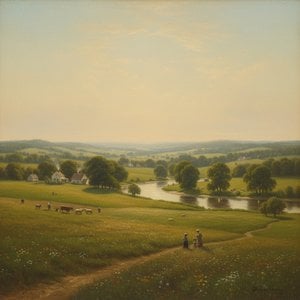
Thomas Worthington Whittredge: Capturing the American Pastoral Ideal with Luminist Light
Explore the luminous landscapes of Thomas Worthington Whittredge, a key figure in the Hudson River School and master of Luminism. Discover his captivating paintings & legacy with ArtsDot.

Henry Thomas Dawson: Navigating Light, Sea & Sentiment in Victorian Marine Painting
Explore the captivating world of Henry Thomas Dawson (1811-1878), a master of Victorian marine painting. Discover his evocative coastal scenes, landscapes & lasting artistic legacy. Learn about collecting Dawson's work and find reproductions at ArtsDot.