


 Peržiūrėti realaus dydžio版
 Siųsti
 Dalintis
 Išsamiau
 Vadovas

 Atsisiųsti
 Panašūs eksponatai
 Rentgeno spindulių nuotrauka
 Diaporama
 Statistika
A Lady
 Dutch Golden Age
 1632
1632 79.0 x 52.0 cm
 Staatliche Museen zu Berlin
 Rodyti daugiau
Giclée / Meno spausdinimas
Muziejų lygio „giclée“ arba drobos spausdinimas: greita gamyba ir lankstios apdailos parinktys. ( Pirkti rankomis tapytą reprodukciją Perejti prie skaitmeninių vaizdų)




P118B €10

P118H €10

P118W €10

P438Z €10

P508JH €12

P508YH €12

P805H €10

P805Z €10

P919BZ €10

P919G €10

P919XJ €10

P959ZH €10

P968JZ €12

W106C €8

W218G €10

W218JH €8

W218Y €10

W307PJ €10

W316G €10

W316PJ €8

W316Y €10

W398PJ €8

W4111J €10

W500HY €15

W500JH €15

W692G €12

W849H €8

W940BG €15

W953PJ €8




Pasirinkite iš mūsų nustatytų dydžių, atitinkančių originalaus meno kūrinio proporcijas.

Įveskite jums reikiamą plotį ir aukštį, kad atvaizdas derėtų prie jūsų rėmo ar sienos. Spausdiną galima tik sumažinti, bet nepadidinti virš originalaus paveikslėlio dydžio, todėl keičiant proporcijas, dalis vaizdo prarandama. Prieš spausdinimą atsiųsime jums skaitmeninį maketą patvirtinimui. Šioje puslapio nuotraukoje matomas pjūvis nėra tikslus – jį rodo tik maketas.
Pristatymas visame pasaulyje () per 2 weeks, o ne įprastas 4/5 savaičių laikotarpis. (23 spalis)

Nemokamas greitasis pristatymas visame pasaulyje

Aukštos kokybės lininis drobė

Pilnas siuntimo draudimas

Muitinės mokesčių grąžinimo garantija

Tikro spalvų atitikimo garantija

100 dienų grąžinimo politika (tik esant įtaigoms)

100% pinigų grąžinimo garantija

Nuolaida dideliems užsakymams
 Stiklo variantas prieinamas tik pasirinkus dydį iki 110 cm

A Lady
Giclée / Meno spausdinimas
Reprodukcijos dydis
-


Visų pasirinktų variantų kaina
€ 54
A Portrait of Grace: Unveiling Thomas de Keyser’s “A Lady”
The year is 1632. Amsterdam thrives as the epicenter of the Dutch Golden Age, a period brimming with artistic innovation and opulent patronage. Within this vibrant scene emerges Thomas de Keyser, a painter whose skill lay not merely in capturing likeness but in distilling the very essence of his subjects – a talent brilliantly showcased in his captivating portrait, “A Lady.” This oil-on-oak panel painting, currently residing within the esteemed Staatliche Museen in Berlin, is more than just a depiction; it’s an invitation into a world of refined elegance and subtle psychological depth.
De Keyser's style, heavily influenced by both the meticulous detail of Flemish masters like Anthony van Dyck and the dramatic lighting favored by Rembrandt, results in a remarkably lifelike portrayal. The lady before us is presented with a poise that speaks volumes – her posture relaxed yet undeniably regal, her gaze direct and engaging. Notice how De Keyser masterfully employs chiaroscuro, the masterful use of light and shadow, to sculpt the figure, drawing attention to her face and hands while subtly enveloping the background in a veil of mystery. The dark interior, punctuated by the warm glow emanating from an unseen window, creates a sense of intimacy and draws the viewer into the scene.
Deconstructing the Details: Fashion, Symbolism, and Technique
A closer examination reveals a wealth of detail that speaks volumes about the era. The lady’s attire is a testament to the fashion of 17th-century Holland – a black bodice adorned with intricate gold trim and delicate lace, suggesting both wealth and status. The elaborate headwear, a white ruff collar framing a dark hat embellished with what appear to be feathers or decorative elements, further emphasizes her position within society. These aren’t merely decorative choices; they are carefully selected symbols of power, refinement, and social standing.
The background, far from being mere decoration, plays an integral role in the painting's narrative. The dark room, with its wooden floor featuring a subtle checkered pattern, evokes a sense of luxury and opulence – a space designed for contemplation and quiet enjoyment. The glimpse of a red velvet drape hints at hidden treasures and adds a touch of dramatic flair. De Keyser’s brushwork is remarkably precise, particularly evident in the rendering of the lace and the folds of the fabric. He utilizes layering techniques to create texture and depth, ensuring that every element contributes to the overall sense of realism.
A Window into the Dutch Golden Age
Understanding “A Lady” requires a glimpse into the context of its creation. Thomas de Keyser was a prominent figure in the Dutch art world during this period, renowned for his portraits and genre scenes commissioned by wealthy merchants and nobility. His work reflects the prosperity and cultural flourishing of the Netherlands – a nation at the forefront of artistic innovation and trade. The painting offers a fascinating window into the lives of the elite, revealing their values, aspirations, and aesthetic sensibilities.
Furthermore, De Keyser’s connection to Hendrick de Keyser, his father—a celebrated architect and sculptor who shaped Amsterdam's skyline—provides an intriguing layer of familial legacy. This lineage undoubtedly influenced Thomas’s artistic development, imbuing his work with a sense of technical mastery and architectural awareness. The painting stands as a testament not only to De Keyser’s individual talent but also to the enduring influence of his family’s artistic heritage.
Collecting the Essence: Reproduction and Legacy
Today, “A Lady” continues to captivate viewers with its timeless beauty and psychological depth. ArtsDot offers meticulously crafted hand-painted reproductions that faithfully capture the essence of De Keyser's masterpiece. These reproductions are not mere copies; they are artistic interpretations imbued with the same attention to detail, technique, and emotional resonance as the original. Whether adorning a grand salon or a more intimate space, a reproduction of “A Lady” brings a touch of Dutch Golden Age elegance and sophistication to any setting.
For those seeking further information on Thomas de Keyser and his remarkable oeuvre, we encourage you to explore resources such as ArtsDot.com and the Staatliche Museen in Berlin’s website. And for a deeper dive into the life and works of this pivotal artist, Wikipedia offers a comprehensive overview of his biography and artistic contributions.
问答 (or more naturally for a website heading): Klausimai ir atsakymai
Kada buvo sukurta „A Lady“ ir prie kokio stiliaus priskiriama?
„A Lady“ sukurtas 1632 m., priklausantį Dutch Golden Age stiliui.
Ar „A Lady“, autorius – Tomas De Keyseris naudoja ryškius kontrastus ar švelnias harmonijas?
„A Lady“, autorius – Tomas De Keyseris spalvų kompozicija sujungia Serene kontrastą su Balanced Harmony harmonija.
Kam rekomenduojamas naudojimui „A Lady“ spausdinys?
„A Lady“, autorius – Tomas De Keyseris reprodukcija rekomenduojama Statement. Šis pasiūlymas grindžiamas kūrinio tema, nuotaika ir spalvomis.
Susiję kūriniai


Autoriaus biografija
Thomaso de Keyserio pal遗产: Olandų Aukso amžiaus meistras
Gyvybingame, pulsuojančiame septemniasdešimto amžiaus Amsterdamo širdyje – laikotarpyje, apibūdiname nesięstinėme klestėjimu ir kultūros žiedėjimu – Thomasas de Keyseris iškilo kaip neįtikėtina jėga portretų pasaulyje. Gimęs 1596 metais architektūrinio prabrėžimo aplinkoje, De Keyseris buvo legendinio Hendricko de Keyserio sūnus – architekto, kurio ranka suformavo patį Amsterdamo horizontą. Ši meistriškumo linija suteikė ne tik pavardę; ji suteikė pagrindinį supratimą apie struktūrą, erdvę ir daiktų fizinę pratimę, kas vėliau apibrėžė jo požiūrį į žmogaus formą. Augdamas prie Amstel upės esančiuose akmens krosnyje, De Keyseris buvo pasinertęs pasaulyje, kuriame menas ir architektūra buvo neatsiejami, taip puoselėjant techninį tikslumą, tapusį jo žyminiu požymiu.
Jo meninė kelionė dar labiau sustiprėjo mokantis prie Cornelio van der Voort – ši edukacija susaudė jį su tuo laikmetio humanistinėmis idėjomis ir išmaniais kompoziciniais metodais. Laikui bėgant De Keyserio stilius pradėjo susiglaudinti į kažką tikrai išskirtinį – tiltą tarp vėlyvojo Renesanso kruopščaus detalizmo ir gimstančio Baroko judėjimo dramatiško, psichologinio intensyvumo. Nors jo ankstyvieji darbai rodė didelį susidomėjimą ankstesnių meistrų formalia elegancija, jis greitai išрабоjo gebėjimą įamžinti savo paveikslų subjektų gyvenimo realybę, viršydamas paprastą panašumą ir paliundamas pačią jų charakterio esmę.
Rembrandto šešėlis ir realizmo menas
Norint suprasti De Keyserio išmintį, būtina įžvelgti sudėtingą ryšį tarp jo kūrybos ir Rembrandto van Rijn darbo. Dažnai apibūdinamas kaip samties, dalijasis revoluciniu to meto dvasia, De Keyserio požiūris į šviesą ir šešėlį – garsusis chiaroscuro – atgimino dramatiškas inovacijas, kurias gynė Rembrandtas. Tačiau De Keyseris pasižymėjo ypatingu aiškumu; ten, kur Rembrandtas galėjo ištirgdinti formą giliuose, paslaptinguose šeš realityuose, De Keyseris dažnai išlaikydavo ryškias linijas ir šviesią tekstūrų kokybę. Jis buvo taktilumo meistras, su beveik moksliniu tikslumu atvaizduodamas sunkią šilko blizgą, sudėtingus nėtrinių raštus ir subtilią senėjančio prekybininko veido ozą.
Šis ištikimumas realizmui padarė jį pageidautinu portretininku kylančiai Olandijos Respublikos verslininkų klasui. Gebėjimas suderinti savo paveikslų klientų prestižą su giliu psichologiniu tiesumu leido jam kurti darbus, kurie tarnavo tiek kaip statuso simboliai, tiek kaip intpropri skulptūrinės charakterių studijos. Grupiniais portretais jis pademonstravo neįtikėtiną gebėją organizuoti sudėtingas figūrų išdėstymas, užtikrindamas, kad kiekvienas asmuo išlaikytų savo išskirtinį tapatybės jausmą, kartu prisidėdama prie vientisos piliečių didvybės istorijos. Jo traukos, nors ir tiklios, niekada nesijautė statinės; jo kompozicionuose slypi ritminis gyvybingumas, kuris įneša gyvybę į užfiksuotus septemniasdešimto amžiaus akimirkas.
Istorinė reikšmė ir meninė triumfų era
Thomaso de Keyserio pasiekimai išsilygsta daug daugiau nei už drobsio rėmo, reprezentuodami gyvybišką skyrių Šiaurės Europos meno istorijoje. Jo karjera sutapė su Olandų Aukso amžiaus viršūnė – laikotarpiu, kai Nyderlandai per prekybą, mokslą ir meną tvirtino savo identitetą. Dokumentuodamas šio laikotarpio veidus – nuo turtingų piliečių iki įtakingų visuomenės lyderių – jis sukūrė vizualią transformacijos vykstančios visuomenės įrašą. Jo darbai tarnauja kaip langas į socialines hierarchijas, madą ir vertybes amžiaus, apibrėžto jūrų galia ir protestantišku darbštumu.
Per visą savo gyvenimą ir palikimą keliami elementai apibrėžia jo indėlį į meno pasaulį:
- Techninis meistriškumas: Neparedis gebėjimas atvaizduoti įvairias tekstūras ir medžiagas su gyvybišku tikslumu.
- Architektūrinė įtaka: Unikalus kompozicijos ir struktūrinio vientisumo pojūtis, išvestas iš jo šeimyninio ryšio su olandų architektūra.
- Psichologinis gylis: Gebėjimas įdėti į oficialius portretus individualią žmogiškumą ir emocinį rezonansą.
- Kultūrinis dokumentavimas: Jo vaidmuo užfiksuojant augančią Amsterdamo prekybininkų klasės tapatybę neįtikėtino turtingumo laikotarpiu.
Nors istorija kartais jį stawia Rembrandto šešely, De Keyserio svarba išlieka nepaliesta. Jis nebuvo tik didybės imitatorius, bet buvo pionierius savo atskira prasme, įnesdamas specifinę aiškumą ir struktūrinę eleganciją į olandų tradiciją. Šiandien jo darbai toliau užburia mokslininkus ir meno mėgėjus, staudėdami kaip nepakeičiami įrodymai apie meistrą, kuris suėmė tiek išorinį prachtą, tiek vidinę savo amžiaus sielą.
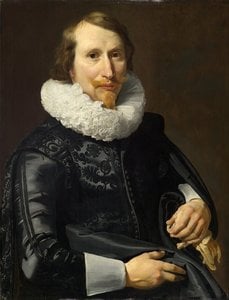
Tomas De Keyseris
1596 - 1667 , Nyderlandai
Trumpa informacija apie kūrėją
- Artistic Movement Or Style: Olandų aukso amžius
- Artists Or Movements Influenced By This Artist: ['Rembrandtas']
- Artists Who Influenced This Artist: ['Rembrandtas van Rijn']
- Date Of Birth: Amsterdamas, Nyderlandai (1596)
- Date Of Death: 1667
- Full Name: Thomas de Keyser
- Nationality: Olandas
- Notable Artworks: ['Frederick van Velthuysen ir jo žmona']
- Place Of Birth: Amsterdamas
Susiję straipsniai

Illuminating Innovation: Exploring the Dutch Golden Age of Painting
Explore the Dutch Golden Age of painting with ArtsDot. Discover Rembrandt, Vermeer & other Masters. Learn about key characteristics, iconic artworks, and lasting influence. Expert insights for collectors & enthusiasts.

Pieter de Hooch: Illuminating Dutch Domestic Life & Golden Age Charm
Explore the captivating world of Pieter de Hooch, a master of Dutch Golden Age painting. Discover his innovative use of light, intimate domestic scenes, and lasting influence on art history. Learn more at ArtsDot.

Olandijos Aukso Amžius: 10 Šedevrų, Apibrėžiančių Meną ir Stilių
Atraskite Olandijos Aukso Amži\u017us meninius šedevrus! 10 legendin\u017iŴ paveikslžiai – Rembrandto, Vermeerio ir kt. darbai. Sužnkitę j\u016ungo namus aukso amži\u017us grožiu! Āukrai, interjero dizainas – viskas ArtsDot.com. Ižirkite kolekciją internete!

Golden Age Reflections: Dutch Baroque Painting & Cultural Innovation
Explore the Dutch Golden Age of painting! Discover key artists like Vermeer & ter Borch, their innovative techniques, and the rich cultural context behind these Baroque masterpieces. Learn about collecting & appreciating this iconic art period.

Willem van de Velde the Elder: Master of Maritime Painting & Chronicler of the Dutch Golden Age
Discover the captivating maritime paintings of Willem van de Velde the Elder, a master chronicler of the Dutch Golden Age. Explore his unparalleled realism and lasting influence on naval art history.