

 Peržiūrėti realybėje
 Pasidalinti
 Dalintis
 Išsamiau

 Atsisiųsti
 Panašūs eksponatai
 Rentgeno nuotrauka
 Automatinė diorama
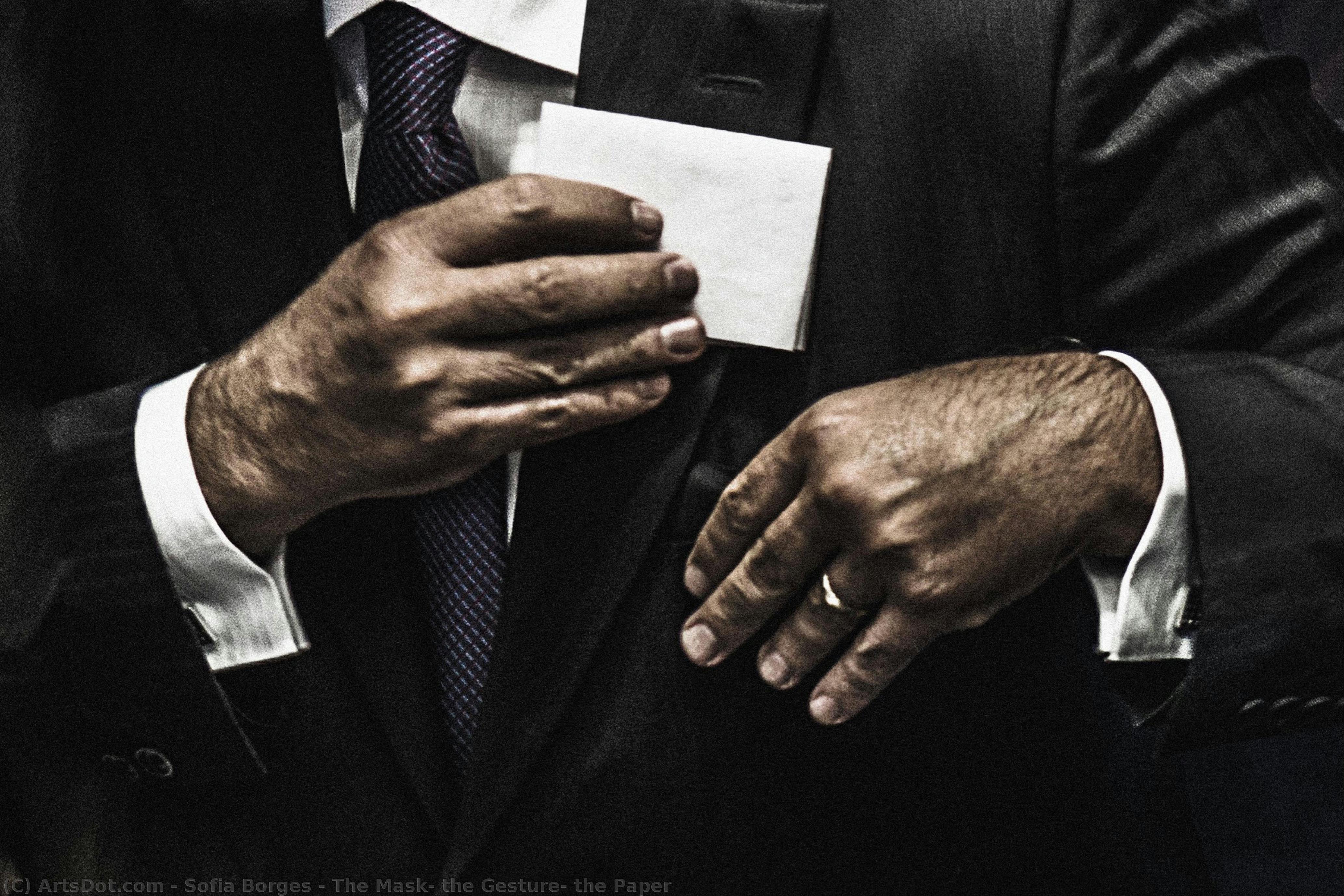
The Mask, the Gesture, the Paper
 2017
2017 80.0 x 120.0 cm
 Instituto Moreira Salles
 Skaityti daugiau
Rankų darbo aliejinės reprodukcijos
Rankiniu būdu tapytas aliejus ant droblio jūsų pageidaujamame dydį ir rėmuose – mūsų menininkų darbas pagal užsakymą. ( Pirkti spaudinį Pirkti vaizdą)




































Pasirinkite iš mūsų nustatytų dydžių, atitinkančių originalaus meno kūrinio proporcijas.

Galite įvesti savo matmenis, kad jie atitiktų konkretų rėmą ar erdvę. Jei pasirinktas dydis neatitinka originalaus paveikslėlio proporcijų, mes arba apkropsime meno kūrinį, arba papildysime tapybą rankomis dažytい elementais. Prieš pradėdami gamybą, jūsų patvirtinimui atsiųsime skaitmeninį maketą.
Atkreipkite dėmesį, kad ekrane rodomas vaizdas neatspindi tikrojo apkarpymo ar papildymo. Tik maketas tiksliai parodys galutinę kompoziciją.
Nors galima rinktis ir individualius dydžius, rekomenduojame pasirinkti matmenis iš nustatytos sąrašo, kad būtų išlaikytos originalios proporcijos.
Gavus užsakymą, ArtsDot.com komanda susisieks su klientu el. paštu dėl instrukcijų ir pateiks maketo pavyzdį.
Pristatymas visame pasaulyje () per 3–4 savaites, o ne įprastai – per 5 savaites. (16 rugpjūtis). Kokybė lieka nepakeičiama.

Nemokamas greitasis pristatymas visame pasaulyje

Aukštos kokybės lininis drobė

Pilnas siuntimo draudimas

Muitinės mokesčių grąžinimo garantija

Tikro spalvų atitikimo garantija

60 dienų grąžinimo politika (tik esant gamyklinėms defektams)

100% pinigų grąžinimo garantija

Nuolaida už kelias reprodukcijas
 Stiklo variantas prieinamas tik pasirinkus dydį iki 110 cm

The Mask, the Gesture, the Paper
Reprodukcijos technika
Reprodukcijos matmenys
-


Galutinė kaina
$ 263
Kūrinio aprašymas
panašūs kūriniai




Autoriaus biografija
George Orwell: A Life Forged in Defiance
George Orwell, born Eric Arthur Blair on June 25, 1903, in Motihari, British India, remains one of the most profoundly influential writers and thinkers of the 20th century. His life was a testament to restless energy, unwavering commitment to social justice, and a deeply skeptical view of power – qualities that found their most potent expression in his seminal works, *Animal Farm* and, above all, *Nineteen Eighty-Four*. Orwell’s early years were shaped by a privileged yet emotionally distant upbringing. His father was a colonial Indian civil servant, and his mother, Sylvia Jane Blair, a woman of strong Irish republican sympathies. This complex familial landscape instilled in him a lifelong sense of displacement and a critical awareness of social hierarchies. Orwell's education at Eton College, a prestigious boarding school, initially seemed destined for a comfortable upper-class life. However, he rebelled against the rigid expectations and felt increasingly alienated from the values of his peers. He deliberately chose to attend King’s College London, intending to study literature, but abandoned his studies after only eight months, feeling disillusioned with the academic environment. This early rejection of established norms would become a recurring theme in his writing. A brief stint as a police constable in Burma during the 1920s provided him with firsthand experience of colonial administration and its impact on the local population – an experience that profoundly shaped his political views and fueled his anti-imperialist sentiments. He returned to England, adopting the pseudonym George Orwell, and began working as a journalist, contributing to various publications including *The Manchester Guardian* and *Reynolds*. It was during this period that he honed his skills as a writer, developing a distinctive style characterized by stark prose, unflinching honesty, and a keen eye for detail.The Rise of Orwell’s Literary Voice: From Journalism to Novels
Orwell's literary career gained momentum in the 1940s with the publication of *Down and Out in Paris and London* (1933), a brutally honest account of his experiences as a homeless vagrant. This work, written while he was struggling financially, offered a searing indictment of poverty and social injustice. Following this success, he wrote *The Spanish Civil War* (1937), a powerful exposé of the conflict and its ideological complexities. However, it was *Nineteen Eighty-Four*, published in 1949, that cemented his place as one of the most important writers of the age. Inspired by the rise of totalitarianism in Europe and the growing threat of fascism, Orwell created a chilling vision of a future dominated by surveillance, propaganda, and thought control. The novel’s enduring relevance lies in its exploration of fundamental human values – truth, freedom, and individuality – and its warning against the dangers of unchecked power. *Animal Farm*, published in 1945, served as a satirical allegory of the Russian Revolution, exposing the corruption and betrayal that followed the initial promise of equality.Themes and Influences: A World Shaped by Observation
Orwell’s work is deeply rooted in his personal experiences and observations. His time in Burma, his encounters with poverty and social inequality, and his involvement in political movements all informed his writing. He was profoundly influenced by socialist thought, particularly the ideas of Karl Marx and Vladimir Lenin, but he remained critical of rigid ideological dogma. Orwell’s meticulous research and attention to detail are evident throughout his work. *Nineteen Eighty-Four*, for example, drew on a wide range of sources, including historical accounts of totalitarian regimes, psychological studies of human behavior, and contemporary reports on surveillance technology. He was also influenced by the works of writers such as Charles Dickens, whose novels exposed social injustices in Victorian England, and Dostoevsky, whose exploration of morality and psychology resonated with Orwell’s own intellectual concerns. The concept of “Newspeak,” a deliberately simplified language designed to limit thought, is directly inspired by the work of linguist Ludwig Wittgenstein.Legacy and Enduring Relevance
George Orwell died on January 21, 1950, at the age of 46, from tuberculosis. His untimely death robbed the world of a brilliant writer and a passionate advocate for social justice. However, his legacy endures through his powerful works, which continue to resonate with readers today. The term “Orwellian” has become synonymous with totalitarianism, surveillance, and propaganda – a testament to the enduring relevance of *Nineteen Eighty-Four*. His writings remain essential reading for anyone interested in understanding the dangers of political oppression and the importance of defending freedom of thought and expression. In 2017, a statue was unveiled in Trafalgar Square commemorating Orwell’s contribution to British culture, solidifying his status as a national icon. The ongoing influx of copies of *Nineteen Eighty-Four* – including the recent outpouring of letters from around the world – underscores the continued power and urgency of his message. His work serves as a constant reminder that vigilance is essential in safeguarding democracy and protecting individual liberties.
sofia borges
1984 - , Brazil
Trumpa informacija
- Artistic Movement Or Style: Political satire
- Artists Or Movements Influenced By This Artist:
- Dystopian fiction
- Realism
- Artists Who Influenced This Artist:
- Aldous Huxley
- Bertrand Russell
- Date Of Birth: June 25, 1903
- Date Of Death: January 21, 1950
- Full Name: George Orwell
- Nationality: British
- Notable Artworks:
- Nineteen Eighty-Four
- Animal Farm
- Place Of Birth: Motihari, Bengal

